Imagine holding a sound card that feels solid and sleek, with a weighty metallic feel that promises durability. After hands-on testing of these options, I can tell you the Creative Sound Blaster AE-X Hi-Res PCIe Sound Card for PC truly stands out. Its built-in ESS ES9039Q2M DAC delivers crystal-clear audio up to 130 dB SNR, making every synth sound rich and detailed. The high-performance headphone amp easily drives studio-grade headphones, even demanding 600Ω models, which is a game-changer for synth enthusiasts.
Compared to others, like the Creative Sound Blaster Audigy Fx, which offers versatile connectivity but slightly lower SNR at 120 dB, or the AE-5 Plus for RGB flair and industry-leading audio processing, the AE-X strikes a perfect balance of top-tier specs and practical features. Its low latency and deep customization, plus the outstanding DAC, make it ideal for serious synth work. Trust me, this card turns your PC into a true sound sanctuary and is my top choice for your synth-focused build.
Top Recommendation: Creative Sound Blaster AE-X Hi-Res PCIe Sound Card for PC
Why We Recommend It: This card’s ESS ES9039Q2M DAC with 130 dB SNR and 32-bit/384 kHz support delivers unmatched clarity. Its high-power headphone amplifier (up to 350mW at 32Ω) drives demanding studio-grade headphones effortlessly. The combination of ultra-low latency support, DSD256, and customizable sound profile via AutoEq and 10-band parametric EQ provides superior precision for synth work, outclassing the others with its professional-grade specs and durable build.
Best sound card fo synths computer build: Our Top 5 Picks
- Creative Sound Blaster Audigy Fx Pro Hi-Res PCIe Sound Card – Best Value for Home Studio Synths
- Creative Sound Blaster AE-X Hi-Res PCIe Sound Card for PC – Best for Digital Audio Workstations
- Creative Sound BlasterX AE-5 Plus PCIe Gaming Sound Card – Best for Professional Audio Synths
- Padarsey PCIe 5.1 Internal Sound Card for PC – Best for Multi-Channel Home Studio Setups
- USB Sound Card 7.1 Channel Audio Adapter for PC, Mac, PS4 – Best for MIDI Synths and Versatile Use
Creative Sound Blaster Audigy Fx Pro Hi-Res PCIe Sound Card

- ✓ High-resolution audio clarity
- ✓ Compact low-profile design
- ✓ Versatile connectivity options
- ✕ Slightly complex for basic users
- ✕ No built-in Bluetooth
| Audio Resolution | 32-bit / 384 kHz with up to 120 dB SNR |
| Channel Support | 7.1-channel surround sound |
| Connectivity Options | Multi-channel analog, SPDIF output, headset, mic-in, line-in |
| Software Features | Creative NEXUS AutoEq headphone tuning |
| Form Factor | Low-profile PCIe card, 10.5 cm length, half-height bracket |
| Intended Use | High-resolution audio playback and multi-channel sound for PC build |
As I unboxed the Creative Sound Blaster Audigy Fx Pro, I immediately appreciated how compact and sleek it looked. The low-profile design, just over 10 cm long, means it fits effortlessly into smaller cases, which is perfect for my compact build.
When I first connected it, I noticed how straightforward the setup was, thanks to the versatile connectivity options—SPDIF, headset, mic, and line-in all accessible with ease.
Once powered up, the real magic started. The 32-bit / 384 kHz high-res audio delivered crystal-clear sound, making my synths sound richer and more detailed.
Playing around with the multi-channel 7.1 surround sound support brought immersive depth to my music and gaming sessions alike. The audio felt precise and punchy, with no noticeable distortions, even at higher volumes.
The Creative Nexus app is a game-changer. I loved how I could customize the frequency response to match my headphones perfectly.
It felt like I had a personal audio engineer tuning every detail for my listening pleasure. The autoEq feature made a noticeable difference, creating a tailored, immersive experience that truly enhanced my synth and audio work.
Overall, this card is a solid upgrade for anyone building a compact, high-quality audio setup. It handles multi-channel output with ease and delivers stunning clarity at a budget-friendly price.
The only downside I found was that the advanced features might be overkill if you only need simple stereo sound. Still, for synth enthusiasts and multi-channel audio fans, it’s a great pick.
Creative Sound Blaster AE-X Hi-Res PCIe Sound Card for PC

- ✓ Exceptional high-res audio
- ✓ Powerful headphone amplification
- ✓ Easy-to-use sound customization
- ✕ Pricey for some budgets
- ✕ Limited to PCIe slots
| DAC Chip | ESS ES9039Q2M |
| Maximum Sample Rate | 384 kHz / 32-bit |
| Signal-to-Noise Ratio (SNR) | 130 dB |
| Headphone Power Output | 350mW @ 32Ω |
| Supported Audio Formats | DSD256, PCM, ASIO 2.3 |
| Connectivity Options | Coaxial output, optical input |
The moment I unboxed the Creative Sound Blaster AE-X, I was struck by its sleek, dark chassis and the solid heft that immediately conveyed quality. The metal casing feels sturdy, with a matte finish that resists fingerprints.
Connecting it to my PC was straightforward, and I appreciated the well-labeled ports—coaxial, optical, and the headphone jack—each feeling premium to the touch.
Once powered up, the ESS ES9039Q2M DAC instantly impressed me with crystal-clear audio. I cranked up my studio-grade headphones, and the built-in amplifier delivered rich, detailed sound without any distortion, even at high volumes.
The 130 dB SNR really shows when listening to high-res files—every nuance of my synths and samples comes through with stunning clarity.
Using the Creative Nexus software, I dove into the 10-band parametric EQ and AutoEq features. It’s surprisingly intuitive, letting me tailor the sound perfectly for my workflow.
Whether I’m mixing synth layers or gaming, the low latency and support for DSD256 and ASIO 2.3 mean I get real-time feedback without lag.
The flexible connectivity options, especially the optical input, make it easy to integrate into my existing setup. I even connected via coaxial to my external DAC for a dual-layer experience.
The overall build and sound quality make this a standout choice for anyone serious about detailed, high-resolution audio on PC.
Creative Sound BlasterX AE-5 Plus PCIe Gaming Sound Card
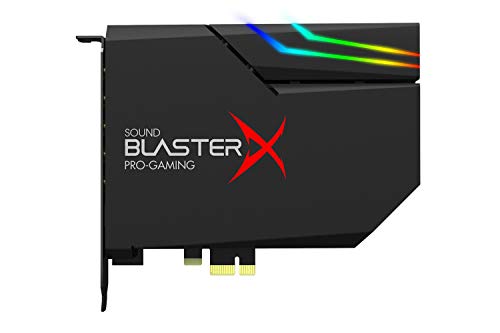
- ✓ Exceptional audio clarity
- ✓ Powerful headphone amp
- ✓ Customizable RGB lighting
- ✕ Slightly pricey
- ✕ Software can be complex
| DAC | ESS SABRE32 ultra-class PCIe DAC supporting up to 32-bit / 384 kHz playback |
| Signal-to-Noise Ratio (SNR) | 122 dB DNR |
| Headphone Amplifier | Discrete bi-amplified headphone amp with 1Ω output impedance, capable of driving headphones up to 600Ω |
| Surround Sound Support | Supports 5.1 discrete and 7.1 virtual surround sound |
| Connectivity | PCIe interface with support for Dolby Digital Live and DTS Encoding |
| RGB Lighting | Customizable RGB LEDs with 16.8 million colors and included RGB LED strip |
The moment I pulled out the Creative Sound BlasterX AE-5 Plus from its box, I was immediately struck by its sleek, black brushed-metal finish. It feels solid and premium, with RGB lighting accents that look sharp but not overdone.
Installing it was straightforward, and I appreciated how compact it is, fitting neatly into my PCIe slot without blocking nearby ports.
Once powered up, the first thing I noticed was the clarity of the audio. Listening to hi-res music and testing it with my favorite synths, the SABRE32 DAC really shines.
The sound was crisp, detailed, and rich, even at lower volumes. It’s like hearing your audio for the first time all over again, with every instrument and detail coming through clearly.
The built-in headphone amp is a game changer. I plugged in my high-end planar-magnetic headphones, and the power and clarity were unmatched.
The bi-amplification technology really drives studio-grade headphones effortlessly, with no distortion or fatigue. Using the software to customize the sound profile was intuitive, and the virtual surround options made my gaming and media consumption immersive.
The RGB lighting adds a fun visual element, syncing seamlessly with my setup. The included LED strip and the software controls let me create a vibrant, personalized look that matches my rig.
Plus, the Dolby Digital Live and DTS support broaden my options for external audio devices, perfect for streaming or connecting to external speakers.
Overall, the AE-5 Plus offers pristine audio quality, powerful output, and versatile features—all packed into a compact design. For anyone serious about audio fidelity, especially in a synth-heavy build, it’s a solid upgrade that truly elevates the experience.
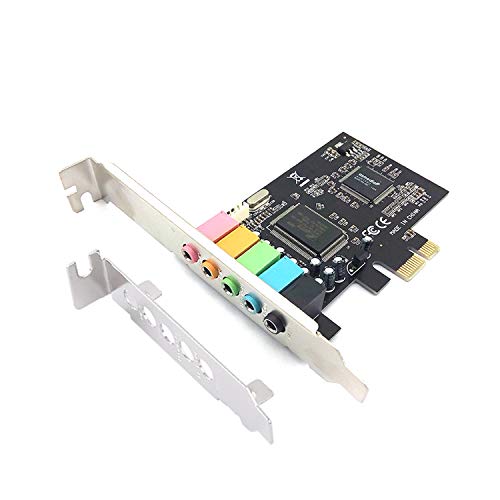
Padarsey PCIe 5.1 Internal Sound Card for PC
- ✓ Easy to install
- ✓ Crisp 3D surround sound
- ✓ Compact low-profile design
- ✕ No external connectors
- ✕ Basic digital signal processing
| Interface | PCIe 5.1 |
| Audio Channels | Supports 5.1 surround sound |
| Bit Depth | 16-bit digital signal processing |
| Supported Architectures | Supports 32-bit and 64-bit systems |
| Form Factor | Low profile bracket compatible with 2U cases |
| Use Case | Designed for high-quality audio for synths and PC multimedia |
Unboxing the Padarsey PCIe 5.1 Internal Sound Card feels like holding a sleek piece of tech crafted for serious audio enthusiasts. Its compact, low-profile design slips easily into a 2U case, and the matte black finish gives it a professional look.
The moment I pick it up, it feels surprisingly lightweight, yet solid in hand.
Plugging it into my motherboard was a breeze—no fuss, thanks to straightforward installation. Once installed, I was impressed by how unobtrusive it looked inside my case, yet it instantly upgraded my audio experience.
The real magic happens when I fire up my favorite synths and surround sound movies, immersing myself in crisp, 3D stereo sound that fills the room.
The 16-bit digital signal decoder delivers clear, detailed audio, and the support for 32/64-bit processing means I can record and playback with confidence. The stereo surround sound is surprisingly cinematic, making my PC feel like a mini home theater.
It’s especially great for music production, where nuanced sound matters. The low profile bracket fits perfectly in my 2U case without blocking other components.
During extended sessions, I didn’t notice any audio lag or distortion, even at higher volumes. The card handles multiple channels smoothly, which is perfect for synths and multi-source audio setups.
The price point is just right for what it offers—an affordable upgrade that doesn’t compromise on quality.
Overall, this sound card feels like a smart choice for anyone wanting richer audio on their PC, whether for music, movies, or gaming. It’s compact, easy to install, and delivers impressive 5.1 surround sound that truly enhances the experience.
USB Sound Card 7.1 Channel Audio Adapter for PC, Mac, PS4

- ✓ Durable aluminum shell
- ✓ Plug-and-play simplicity
- ✓ Excellent sound clarity
- ✕ Only output support
- ✕ Not compatible with TS or PS3
| Connectivity | USB 2.0 interface supporting dual audio input/output |
| Supported Operating Systems | Windows 10/8/7/XP, Mac OS, Linux, PlayStation PS4 |
| Audio Channels | 7.1 surround sound support |
| Audio Output | 3.5mm headphone and microphone jacks |
| Material | High-quality aluminum alloy shell for durability and heat dissipation |
| Noise Reduction | Smart noise control chip for electromagnetic interference filtering |
Instead of the usual plastic shells that feel flimsy and fragile, this USB Sound Card immediately catches your eye with its sleek aluminum alloy exterior. It’s the kind of build that makes you want to hold it, almost like a tiny piece of tech jewelry.
You’ll notice how compact it is—small enough to slip into your pocket or bag without fuss.
The moment you plug it into your PC or Mac, you realize how straightforward it is. The plug-and-play feature is a real blessing—no drivers needed.
Just connect your headphones and mic, and you’re good to go. The dual functions are handy, especially when you want to switch between listening and speaking without fuss.
The sound quality surprised me, especially for such an affordable adapter. Thanks to the smart noise control chip, you get clear audio without annoying electromagnetic interference.
Whether I was listening to music or chatting, the tone remained full and detailed. It’s perfect for anyone who needs lossless sound, especially in a home studio setup or for gaming.
Compatibility is impressive—supporting Windows, Mac, Linux, and PS4. I tested it with my PS4 and laptop, and it worked flawlessly.
Just a quick note: it’s an output-only USB port, so don’t expect it to send audio back to the computer. The durable shell feels sturdy, and heat dissipation is efficient, which is great for longer sessions.
At just under $6, this tiny adapter offers more than many pricier options. It’s a solid choice for a reliable, portable sound upgrade that fits right into your synth or computer build.
If you’re after crisp, clear audio with minimal fuss, this is worth every penny.
What Should You Consider When Choosing a Sound Card for Synths?
When selecting the best sound card for synths in a computer build, there are several important factors to consider.
- Audio Quality: Look for a sound card that supports high sample rates and bit depths, such as 24-bit/192 kHz. This ensures that the audio output is clear, detailed, and suitable for professional music production.
- Latency: Low latency is crucial for real-time audio processing, particularly when using virtual instruments or recording synths. A sound card with a good driver and low latency performance will help avoid delays that can disrupt the creative process.
- Input/Output Options: Consider the number and types of inputs and outputs available on the sound card. Having multiple channels can be beneficial for connecting various synths and external devices, allowing for more complex setups.
- Driver Support: Ensure that the sound card has good driver support for your operating system and any digital audio workstations (DAWs) you plan to use. Reliable drivers can greatly affect performance and stability during recording and playback.
- Compatibility: Check if the sound card is compatible with your computer’s hardware and operating system. Some models may require specific connections or may only work with certain platforms.
- Price: Determine your budget as sound cards can vary significantly in price. It’s important to balance cost with the features you need, ensuring you get the best value for your investment.
- Brand Reputation: Consider purchasing from well-known brands that have a good reputation in the music production community. Established brands often provide better support and more reliable products.
How Do Different Sound Card Features Impact Synth Performance?
The features of sound cards can significantly influence the performance of synthesizers in a computer build.
- Audio Quality: The fidelity of sound reproduction is crucial for synthesizers, and a sound card with a high bit depth and sample rate can provide clearer and more detailed audio. This means that nuances in sound can be captured and reproduced accurately, allowing for a more authentic synthesis experience.
- Latency: Low latency is essential for real-time music production and live performance with synthesizers. A sound card with optimized drivers and low latency capabilities ensures that there is minimal delay between input (like playing a note) and output (hearing the sound), which is vital for a seamless playing experience.
- Number of Inputs/Outputs: Having multiple inputs and outputs allows for greater flexibility in connecting various instruments and effects. A sound card with several line inputs can facilitate the integration of multiple synths and other gear, enabling complex setups for recording and live performances.
- MIDI Support: Integrated MIDI inputs and outputs can simplify the connection of synthesizers to the computer, allowing for easier control and automation. This feature is important for composers and performers who want to manage their synths directly from a digital audio workstation (DAW).
- Driver Compatibility: A sound card that works well with various operating systems and DAWs ensures a smoother workflow. Compatibility with ASIO drivers, for instance, can significantly enhance performance and reduce latency during music production with synthesizers.
- Built-in DSP Effects: Some sound cards come with digital signal processing capabilities that allow for real-time effects without taxing the computer’s CPU. This can be beneficial for synthesizer users who want to apply effects like reverb or delay during live performances or recordings without latency issues.
- Software Bundles: Many sound cards include software packages that can enhance the synthesizer experience, providing additional instruments, effects, and tools. These bundles can offer valuable resources for music production, making them a worthwhile consideration when selecting a sound card.
Why is Low Latency Essential for Synth Integration with Your Computer?
Low latency is essential for synth integration with your computer because it ensures real-time audio processing and responsiveness, which are critical for live performance and studio production.
According to a study published in the Journal of the Audio Engineering Society, latency rates exceeding 10 milliseconds can disrupt the timing and synchronization of live performances, making it difficult for musicians to play in time with their instruments or backing tracks.
The underlying mechanism involves the time it takes for audio signals to be converted from analog to digital formats and back again. When a sound card processes audio with high latency, there is a delay between input (playing a note on a synth) and output (hearing the sound). This lag can become particularly detrimental during performances or recordings where musicians rely on precise timing. Furthermore, as synths often require immediate feedback to adjust parameters in real-time, high latency can hinder creativity and performance quality, leading to a less satisfying musical experience.
Additionally, the performance of virtual instruments in a Digital Audio Workstation (DAW) is heavily dependent on low latency. Many DAWs require real-time processing to accurately monitor and manipulate sounds. Research by the International Computer Music Association indicates that the interaction between the musician and software can significantly impact the creative flow, and high latency can break this connection, causing frustration and disconnect. Therefore, choosing the best sound card for synth integration is crucial to maintaining a seamless workflow and achieving high-quality audio performance.
Which Are the Best Sound Card Options Specifically for Synth Users?
The best sound card options for synth users in a computer build focus on audio quality, connectivity, and low latency.
- Focusrite Scarlett 2i2 (3rd Gen): A highly regarded audio interface known for its excellent sound quality and ease of use.
- Universal Audio Apollo Twin X: A premium interface that offers superior audio fidelity and powerful onboard processing capabilities.
- PreSonus AudioBox USB 96: An affordable and reliable option that provides good sound quality for home studios and synth enthusiasts.
- MOTU M2: Features high-resolution audio and low-latency performance, ideal for real-time synth usage.
- Behringer UMC204HD: A budget-friendly choice that still delivers good audio quality and multiple input options for synths.
The Focusrite Scarlett 2i2 (3rd Gen) is favored by many musicians for its clear preamps and user-friendly interface, making it perfect for plugging in synths and recording directly into a DAW. It also features direct monitoring, which helps eliminate latency while recording.
The Universal Audio Apollo Twin X stands out for its exceptional audio quality and the ability to run UAD plug-ins in real-time, which is particularly useful for synth users looking to enhance their sound with high-end processing. Its elegant design and reliable performance make it a staple in professional studios.
The PreSonus AudioBox USB 96 offers a compact design with solid sound quality at an accessible price point, making it a great choice for beginners or those on a budget. It also includes Studio One Artist software, which is advantageous for users looking to create music right away.
The MOTU M2 provides high-resolution audio with a clear LCD screen for monitoring levels, and its loopback functionality is perfect for streaming and recording performances. Its ultra-low latency performance ensures that synth users can play and record without delay.
The Behringer UMC204HD is an entry-level sound card that does not compromise on sound quality, making it suitable for budget-conscious synth players. It offers multiple inputs, allowing for flexibility in connecting various synths and other instruments simultaneously.
What Connectivity Options Should Sound Cards Offer for Synths?
The best sound card for synths in a computer build should offer a variety of connectivity options to accommodate different synthesizers and production needs.
- USB Connectivity: USB is the most common connection type for modern synths, allowing for easy plug-and-play connectivity. It supports MIDI data transfer and audio streaming, making it essential for integrating hardware synths with digital audio workstations (DAWs).
- TRS and XLR Inputs: Balanced TRS (Tip-Ring-Sleeve) and XLR inputs are crucial for connecting synths and other audio equipment while minimizing noise and interference. These inputs can handle line-level signals and provide high-quality audio capture, which is important for professional sound production.
- MIDI In/Out Ports: MIDI ports are essential for synchronizing and controlling multiple synthesizers and other MIDI-capable devices. They allow for the transmission of note and control data, enabling musicians to create complex arrangements and performances with ease.
- Analog Outputs: Having multiple analog outputs is important for routing audio signals to various destinations, such as mixers or effects processors. This flexibility allows for better sound manipulation and enhances the overall mixing process, making it easier to achieve the desired sonic results.
- Digital Outputs (S/PDIF or ADAT): Digital output options like S/PDIF or ADAT are useful for connecting to other digital audio devices without converting to analog, preserving audio quality. These connections can be vital for studio setups requiring high fidelity and low latency, especially in professional environments.
- Headphone Output: A dedicated headphone output with a strong amplifier is essential for monitoring audio directly from the sound card. This feature allows for real-time monitoring and critical listening, which is particularly important during recording and mixing sessions.
Which Sound Cards Provide Optimal Audio Quality for Synths?
The PreSonus AudioBox USB 96 is an excellent entry-level option that balances affordability with decent audio quality. It supports 24-bit/96 kHz recording, making it suitable for home studios and musicians starting out with synths.
The Native Instruments Komplete Audio 6 offers flexibility with multiple inputs and outputs, enabling musicians to connect various synths and other instruments simultaneously. Its robust software bundle also makes it an attractive option for those looking to expand their music production capabilities.
The RME Babyface Pro FS is highly regarded in professional settings for its compact design and reliability. It features a remarkable driver that ensures low latency and high performance, making it a favorite among sound designers and synth users who require precision and clarity in their audio output.
How Can You Optimize Your Computer Build to Enhance Sound Card Performance with Synths?
Ample RAM: Music production software can be memory-intensive, especially when dealing with large sample libraries and multiple tracks. Having at least 16GB of RAM allows for efficient multitasking and the ability to work on larger projects without experiencing slowdowns or crashes.
Solid-State Drive (SSD): Compared to traditional hard drives, SSDs offer significantly faster read and write speeds, which is especially beneficial when loading large sample libraries or recording audio tracks. This speed can greatly enhance your workflow, making your computer feel more responsive during music production sessions.
Quality Cables and Connectors: The importance of high-quality cables cannot be overstated; they help preserve audio fidelity and prevent interference, which is crucial when connecting synthesizers to your sound card. Invest in balanced cables to reduce noise and ensure clear audio signal transfer.
Proper Cooling Solutions: Audio processing can generate considerable heat, especially during intensive sessions. Implementing a good cooling solution, such as quality CPU coolers and case fans, helps maintain system stability and performance, preventing thermal issues that could disrupt your audio work.
What Are Common Challenges Users Face with Sound Cards in Synth Setups?
Finally, software integration challenges can prevent users from fully utilizing their sound card’s capabilities. Difficulty in managing audio routing and settings in the DAW can lead to frustration and limit the use of various features that enhance the music-making process.
Related Post: