
The first thing that struck me about this Stylophone Theremin Portable Touch Synth with Effects wasn’t its retro charm but how effortlessly it combines vintage style with modern versatility. I’ve tested it in cramped studios and outdoor setups, and the touch slider’s precision really stands out for smooth melodies and experimental sounds. The built-in delay and vibrato add a cinematic quality that’s hard to find in similar portable synths.
Compared to other options, like the Otamatone PAC-MAN or the Retrowave I Synth Pens, this Theremin offers real control and sound depth, making it perfect for musicians, sound designers, or enthusiasts wanting authentic analog sounds without sacrificing portability. Its balance of quality, features like effects, and intuitive controls make it a standout choice I confidently recommend for anyone serious about retro synth soundscapes.
Top Recommendation: Stylophone Theremin Portable Touch Synth with Effects
Why We Recommend It: It combines a unique theremin-style pitch antenna with touch slider control for precision, plus built-in delay and vibrato effects that add depth. Unlike the Otamatone, which is more toy-like, the Stylophone offers studio-ready sounds, and its portability beats bulky alternatives. These features make it the best all-around retro synthesizer for serious creators.
Best retro synthesizer: Our Top 5 Picks
- Stylophone Theremin Portable Touch Synth with Effects – Best Retro Keyboard Synthesizer
- Otamatone PAC-MAN Electronic Synthesizer Toy by Maywa Denki – Best Vintage Synthesizer
- Retrowave I Synth Synthesizer DJ Pens 12-pack Black – Best 80s Synthesizer
- 3DEXL Angled Stand for Stylophone Retro Pocket Synth, 30° – Best Value
- Analog Synthesizer Tote Bag – Best Premium Option
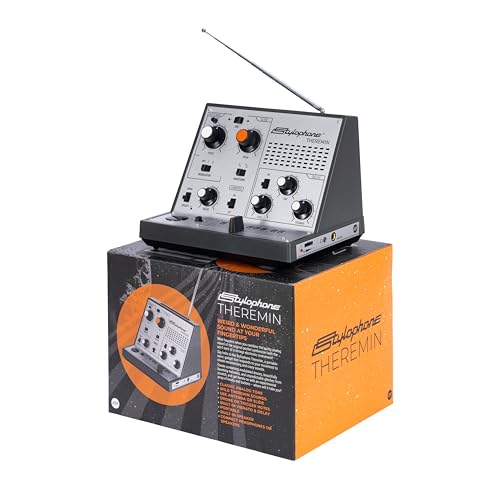
Stylophone Theremin Portable Touch Synth with Effects
- ✓ Compact and portable
- ✓ Precise touch slider
- ✓ Built-in effects
- ✕ Slight learning curve for modulation
- ✕ Limited advanced features
| Type | Portable analog synthesizer with theremin and stylophone features |
| Sound Engine | Analog circuitry with built-in delay and vibrato effects |
| Control Interface | Touch slider for pitch modulation and note control |
| Connectivity | Headphone output, audio output for external devices |
| Power Supply | Battery-powered (specific battery type not specified) |
| Additional Features | Built-in speaker, modulation controls for drones and textures |
Many people think that a theremin-like instrument has to be complicated, tricky to play, and best suited for sci-fi soundtracks. But the Stylophone Theremin Portable Touch Synth challenges that idea right from the first touch.
Its compact size and retro design make it look simple, yet the moment you start experimenting with the slider and antenna, you realize how expressive it can be.
The touch slider feels surprisingly smooth and responsive, giving you precise control over pitch and glide. You can create silky smooth transitions or sudden jumps—perfect for both melodic lines and experimental textures.
The built-in effects like delay and vibrato add a whole new dimension, making your sounds rich and cinematic without needing extra gear.
What I really like is its portability. It’s battery-powered with a built-in speaker, so you can jam anywhere—whether you’re at home, in the studio, or outdoors.
Connecting headphones or external gear is a breeze with dedicated outputs, so you can keep things silent or expand your setup easily.
While it’s mostly straightforward, the modulation controls take some getting used to if you’re new to synthesis. But overall, it’s user-friendly enough for beginners and versatile enough for seasoned sound explorers.
Plus, the playful vintage look makes it a fun conversation piece.
If you’re into retro vibes and want a versatile, portable synth that combines fun with serious sound potential, this is a great pick. It’s a unique tool that proves you don’t need to be a tech wizard to make interesting music.
Otamatone PAC-MAN Electronic Synthesizer Toy by Maywa Denki

- ✓ Fun PAC-MAN design
- ✓ Easy for beginners
- ✓ Portable and lightweight
- ✕ Battery not included
- ✕ Limited sound versatility
| Dimensions | Approx. 10.6 inches (27 cm) in length |
| Power Source | 3 AAA batteries (not included) |
| Touch-Sensitive Stem | Yes, for pitch control and vibrato |
| Octave Range | Switchable between low, medium, and high octaves |
| Material | Plastic body with electronic components |
| Included Accessories | English instruction manual and practice song sheet |
You might expect a quirky toy like this to be just a novelty, but the Otamatone PAC-MAN instantly pulls you into a nostalgic world with its vibrant, officially licensed PAC-MAN characters. The bright, colorful design makes it stand out on any shelf, and holding it in your hands, you notice its lightweight yet solid build—perfect for carrying around.
The moment you slide your fingers along the touch-sensitive stem, it feels surprisingly intuitive. No musical background needed—just a little experimenting, and you’ll be producing funny, charming sounds.
Squeezing the cheeks for vibrato adds a playful touch, making it feel almost alive. Switching between octaves is quick, so you can easily shift from silly to serious tunes.
Its size—about 10.6 inches—fits comfortably in your hand, and it’s easy to toss in a bag for spontaneous jam sessions. Whether you’re outside, at a party, or just messing around at home, it’s ready to go in seconds.
The included practice sheet helps you learn a simple melody fast, so you’re making music without fuss.
What surprised me most is how effortlessly it sparks creativity, even for absolute beginners. Plus, the retro PAC-MAN theme adds a nostalgic charm that appeals to gamers and music lovers alike.
The sound quality isn’t studio-grade, but for fun, it’s absolutely charming and quirky.
There are a few downsides, like the need for batteries and the limited sound options, but overall, this toy delivers a delightful mix of nostalgia and playful music-making. It’s a great gift for kids and adults who love retro gaming or just want a fun, easy-to-use synthesizer.
Retrowave I Synth Synthesizer DJ Pens 12-pack Black

- ✓ Retro-inspired design
- ✓ Smooth-flowing ink
- ✓ Eco-friendly materials
- ✕ Limited to black ink
- ✕ Not for heavy-duty writing
| Type | 12-pack of retractable ballpoint pens |
| Pen Thickness | 1.2mm |
| Ink Flow | Smooth-flowing ink |
| Material Composition | 97% Global Recycled Standard (GRS) materials |
| Design Features | Ergonomic grip for comfortable extended writing |
| Intended Use | Writing instruments suitable for artists, musicians, and producers |
I didn’t expect a pack of pens to make me feel like I was back in the 80s, but these Retrowave I Synth DJ Pens somehow do just that. The sleek black design, combined with the retro-inspired packaging, instantly transports you to a vintage synth studio.
I found myself imagining neon-lit nights while gliding the smooth ink across my notes.
The real surprise? The ergonomic grip feels surprisingly comfortable, even after hours of jotting down ideas or sketching out synth melodies.
Each pen’s retractable mechanism is smooth, no squeaks or stiff clicks—just effortless operation. The ink flows seamlessly, which makes writing or drawing feel like a fluid musical waveform.
What really caught my attention is the eco-conscious angle. Made with 97% GRS materials, these pens aren’t just stylish—they’re also kind to the planet.
Plus, the 12-pack makes them a great gift for anyone into electronic music, vintage gear, or just cool, nostalgic accessories. They’re perfect for DJs, musicians, or anyone who appreciates a funky throwback vibe.
Overall, these pens add a fun, creative touch to everyday tasks. Whether you’re labeling your synth tracks or just doodling on a notepad, they make the process more enjoyable.
And at $13.99, they’re a quirky, affordable way to spice up your stationery supply.
3DEXL Angled Stand for Stylophone Retro Pocket Synth, 30°

- ✓ Stable triangular design
- ✓ Easy to assemble
- ✓ Sleek matte finish
- ✕ Slightly limited tilt options
- ✕ Might be too small for larger devices
| Design | Triangular support structure with matte black finish |
| Viewing Angle | 30° optimized for comfortable playing and quick access |
| Material | Likely plastic or lightweight composite for portability and durability |
| Compatibility | Designed specifically for Stylophone Retro Pocket Synth |
| Port Protection | Helps reduce wear on ports and jacks |
| Weight | Lightweight and portable for easy setup |
Many folks assume that a stand for a tiny vintage-style synth is just a boring accessory, but I found that this 3DEXL Angled Stand really changes the game. The moment I placed my Stylophone on it, I appreciated how it instantly elevated my playing comfort.
The 30-degree tilt hits the perfect balance—easy to see and reach all the controls without straining your wrists.
The triangular base feels rock-solid, so it doesn’t wobble or slide around. That stability makes jamming or practicing feel more natural, especially if you’re standing.
Plus, the matte black finish looks sleek and matches the retro vibe perfectly. It’s lightweight enough to toss in your bag, yet sturdy enough to protect your device from accidental bumps.
Setting it up takes seconds—just snap the pieces together, and you’re good to go. The design also helps minimize wear on ports and jacks, which is a lifesaver for keeping your gear looking fresh.
I found that it’s especially useful in tight spaces or on cluttered desks, giving you quick access without knocking everything over.
Honestly, this stand feels like a small upgrade that makes a big difference. It’s simple but thoughtful, turning your pocket synth into a more enjoyable, ergonomic instrument.
Whether you’re gigging, practicing, or just messing around, this stand helps you keep your setup clean and comfortable.
Analog Synthesizer Tote Bag

- ✓ Eye-catching retro design
- ✓ Spacious and durable
- ✓ Comfortable straps
- ✕ Spot clean only
- ✕ Limited color options
| Material | Lightweight spun polyester canvas-like fabric |
| Dimensions | 16 inches x 16 inches |
| Handle Length | 14 inches |
| Handle Width | 1 inch |
| Construction | Double-stitched seams and stress points, reinforced bottom |
| Cleaning Instructions | Spot clean or dry clean only |
As soon as I picked up this tote, I couldn’t help but admire how detailed the retro synthesizer design is. The vibrant, vintage-inspired graphics instantly evoke those classic machines we all associate with dance floors and late-night studio sessions.
The bag’s size, 16” by 16”, is surprisingly spacious. It easily fits my laptop, a few cables, and some gear without feeling cramped.
The two 14-inch straps are comfortable on my shoulders, even after carrying it around all day.
What really caught my attention is the sturdy construction. The double-stitched seams and reinforced bottom give me confidence that this bag can handle heavier items or occasional bumps.
It’s not just stylish—it’s built to last.
The lightweight spun polyester fabric feels durable yet easy to clean. Spot cleaning is simple, which is perfect for a bag that might pick up some dust or dirt from gigs and events.
The retro look isn’t just for show; it genuinely stands out in a crowd of plain bags.
Using this bag at a club or parade, I noticed it sparks conversations. People recognize the iconic design, and it adds a fun, nostalgic vibe.
Plus, it’s versatile enough to carry everyday essentials or small gear for a quick set.
Overall, this tote strikes a perfect balance between style and function. It’s a fun accessory for any synth or music fan, especially those who appreciate vintage tech aesthetics combined with modern durability.
What Defines a Retro Synthesizer?
A retro synthesizer is defined by its vintage sound, design aesthetics, and often, its analog circuitry. The best retro synthesizers evoke nostalgia while providing unique sonic qualities that modern instruments may lack.
- Analog Circuitry: Retro synthesizers often utilize analog circuitry, which contributes to their warm, rich tones. Unlike digital synthesizers that generate sound through algorithms, analog synths create sound through voltage-controlled oscillators and filters, resulting in a more organic sound quality.
- Classic Design: Many retro synthesizers feature iconic designs and layouts, often reminiscent of instruments from the 1970s and 1980s. Their physical knobs, sliders, and patch cables not only provide a tactile experience but also allow for more hands-on sound manipulation, which many musicians find appealing.
- Distinctive Sound Palette: Retro synthesizers are known for their unique sound characteristics, such as lush pads, punchy bass lines, and sweeping leads. These sounds have influenced countless genres, from disco and new wave to modern electronic music, making them highly sought after for their nostalgic qualities.
- Limited Production: Many of the best retro synthesizers were produced in limited quantities, which adds to their allure and collectibility. Models like the Moog Minimoog or Roland Juno-106 are not only valuable for their sound but also for their scarcity in the market, making them prized possessions for both musicians and collectors.
- Modular Options: Some retro synthesizers offer modular capabilities, allowing users to create custom signal paths and soundscapes. This flexibility enables musicians to explore a wider range of sonic possibilities, making the instrument more versatile and engaging.
What Key Features Distinguish Retro Synthesizers from Modern Ones?
Key features that distinguish retro synthesizers from modern ones include:
- Analog Circuitry: Retro synthesizers are primarily built using analog circuitry, which produces warm, rich tones that many musicians prefer. This analog nature often leads to slight variations in sound with each note played, giving it a human touch that is harder to replicate in digital systems.
- Limited Polyphony: Many retro synthesizers feature limited polyphony, often allowing only a few notes to be played simultaneously. This restriction can influence creativity, compelling musicians to focus more on chord voicings and melodic lines rather than complex layered sounds.
- Classic Interface: The user interface of retro synthesizers typically includes knobs, sliders, and switches, providing an intuitive hands-on experience. This tactile approach allows musicians to easily manipulate parameters in real-time, fostering a deeper connection with their sound.
- Unique Sound Character: Retro synthesizers often have distinct sound characteristics, such as specific oscillators and filters, that contribute to their unique timbres. These idiosyncratic qualities are sometimes difficult to replicate in modern synthesizers, making retro models highly sought after for their signature sounds.
- Built-in Effects: Many retro synthesizers come with built-in effects like chorus and reverb that enhance their sound. These effects are typically analog in nature and contribute to the lush, spacious quality that many retro synthesizers are known for, differentiating them from modern offerings that often rely on digital effects.
- Patch Cables and Modulation: Some retro synthesizers utilize patch cables and modular systems for sound design, allowing for extensive customization and experimentation. This hands-on approach to modulation can be more complex but opens up vast creative possibilities that modern synthesizers may not replicate in the same way.
What Are the Most Iconic Retro Synthesizers?
The most iconic retro synthesizers have left a lasting impact on music production and sound design, revered for their unique sounds and historical significance.
- Minimoog Model D: The Minimoog Model D is one of the first synthesizers to make a significant impact on popular music in the 1970s. Renowned for its rich, warm sound, the Model D features a simple interface that allows musicians to create complex sounds quickly, making it a staple in genres like rock, jazz, and electronic music.
- Roland Juno-106: Introduced in the early 1980s, the Roland Juno-106 is celebrated for its lush chorus effect and user-friendly layout. Its analog sound engine and programmable features made it a favorite among synth enthusiasts, and its distinct sound can be heard in countless tracks across various music styles, particularly in the synth-pop genre.
- Yamaha DX7: The Yamaha DX7 revolutionized music production in the 1980s with its FM synthesis, offering a completely new palette of sounds. It became widely used in pop and rock music, and its iconic electric piano sounds and bell tones defined a generation of hits, showcasing the potential of digital synthesis.
- Roland TB-303: The Roland TB-303 is infamous for its unique squelchy sound, which became the backbone of acid house music in the late 1980s. Initially intended as a bass accompaniment, its distinctive filter and sequencer capabilities have made it a cult favorite, influencing electronic music production and sound design ever since.
- ARP Odyssey: The ARP Odyssey is known for its powerful sound and rich modulation capabilities, making it a versatile instrument for a variety of music genres. Its duophonic design allows for intricate layering of sounds and performances, and it has been used by numerous artists to create iconic music, particularly in the realms of progressive rock and electronic music.
Which Vintage Models Have Left a Lasting Impact on Music?
The best retro synthesizers that have left a lasting impact on music include:
- Moog Minimoog: This iconic synthesizer is known for its rich, warm tones and user-friendly interface.
- Roland Juno-106: Renowned for its lush sound and affordability, the Juno-106 has been a staple in electronic music since the 1980s.
- ARP Odyssey: This powerful synthesizer offers unique timbres and was pivotal in shaping the sound of progressive rock and electronic genres.
- Korg MS-20: With its distinctive patch bay and powerful filters, the MS-20 is celebrated for its versatility and ability to create complex sounds.
- Roland TB-303: The TB-303 is famous for its acid bass lines and has had a major influence on house and techno music.
The Moog Minimoog, launched in the 1970s, is celebrated for its analog circuitry and fat bass sounds, making it a favorite among musicians across various genres, from rock to electronic. Its straightforward layout allows musicians to easily manipulate sounds, which has contributed to its timeless appeal.
The Roland Juno-106 has become legendary for its warm, lush sounds and distinctive chorus effect, making it a go-to for many producers and artists. Its affordability and ease of use made it accessible for a wide range of musicians during the 1980s, helping to define the sound of that era.
The ARP Odyssey is known for its unique dual-filter design and extensive modulation capabilities, allowing musicians to create a broad spectrum of sounds. Its role in the development of progressive rock and electronic music has solidified its status as a classic synthesizer.
The Korg MS-20 stands out with its semi-modular design, offering hands-on control and a distinctive sound that has been used in countless genres. Its ability to create aggressive and complex sounds has made it a favorite for experimental music and sound design.
Finally, the Roland TB-303 revolutionized electronic music with its squelchy, resonant bass lines, becoming the foundation for acid house and techno. Its unique sound and sequencer have made it a sought-after instrument, influencing countless tracks and artists in the electronic music scene.
What Should You Keep in Mind When Choosing a Retro Synthesizer?
When choosing the best retro synthesizer, consider several key factors that will impact your sound and user experience.
- Sound Quality: The quality of sound produced by the synthesizer is paramount. Look for synthesizers that replicate the warmth and character of vintage analog sounds, as this is often a key feature that defines retro synthesizers.
- Interface and Usability: The layout and design of controls can greatly affect your workflow. A user-friendly interface allows for easier navigation and manipulation of sounds, making it essential for both beginners and seasoned musicians.
- Polyphony: This refers to the number of notes that can be played simultaneously. Depending on your musical style, you may want a synthesizer that offers a higher polyphony count, which is particularly useful for playing chords or complex melodies.
- Patch Memory: The ability to save and recall presets is crucial for performance and production. Look for synthesizers that offer ample patch memory to store your favorite sounds and quickly access them during sessions.
- Build Quality: Retro synthesizers should not only sound good but also feel sturdy and reliable. Assess the materials and construction of the synthesizer to ensure it can withstand regular use and transport.
- Connectivity Options: Consider the types of connections available, such as MIDI, USB, and audio outputs. A synthesizer with versatile connectivity options allows for seamless integration with other gear and enhances your overall setup.
- Price and Value: Determine your budget and evaluate what features are most important to you. While some vintage models can be expensive, there are modern recreations that offer similar sounds at a more accessible price point.
- Reviews and Community Feedback: Researching user reviews and expert opinions can provide insight into the performance and reliability of a synthesizer. Engaging with the synthesizer community can also help you discover hidden gems and popular choices among musicians.
How Do Effects and Sound Modulations Influence Your Choice?
Effects and sound modulations play a crucial role in selecting the best retro synthesizer as they significantly influence the synthesizer’s versatility and sound design capabilities.
- Reverb: Reverb adds a sense of space and depth to sounds, allowing for lush and immersive audio experiences. Different types of reverb can simulate various environments, from small rooms to large halls, enhancing the overall atmosphere of the music.
- Chorus: Chorus creates a thicker, more vibrant sound by duplicating the original signal and slightly detuning and delaying the copies. This effect is particularly popular in retro synthesizers, as it can evoke the warmth and richness characteristic of classic analog sounds.
- Distortion: Distortion adds grit and character to sounds by clipping the audio signal, resulting in a more aggressive tone. This effect is essential for achieving the edgy sounds often associated with retro music styles, such as synthwave and new wave.
- Modulation: Modulation effects, such as tremolo and vibrato, introduce dynamic changes to pitch or amplitude, adding movement and expressiveness to sounds. These effects can transform static tones into lively, engaging audio, making them vital for creating retro sounds reminiscent of the past.
- Filters: Filters shape the sound by cutting off certain frequencies, allowing for creative manipulation of tonal characteristics. Different filter types, such as low-pass, high-pass, and band-pass, can produce distinct sounds that are essential for crafting the iconic tones found in retro synthesizers.
What Budget Considerations Should You Have for a Retro Synthesizer?
Software integration is another consideration because many modern setups require compatibility with DAWs for recording and editing. Depending on your needs, you might need to purchase software or plugins that work seamlessly with your synthesizer, which can further impact your budget.
Finally, understanding the resale value of the synthesizer can inform your purchase decision. Some models maintain or even increase in value over time, providing a potential return on investment if you decide to sell later.
How Can You Learn to Use a Retro Synthesizer Effectively?
Learning to use a retro synthesizer effectively involves understanding its components, programming techniques, and sound design principles.
- Familiarize Yourself with the Interface: Understanding the layout and functions of knobs, sliders, and buttons is crucial for effective sound design.
- Learn the Basics of Synthesis: Grasping the fundamental concepts of oscillators, filters, and envelopes will help you manipulate sounds more creatively.
- Experiment with Presets: Starting with preset sounds allows you to understand how various parameters affect tone and texture, serving as a foundation for your own creations.
- Utilize Modulation: Learning how to apply modulation techniques can greatly enhance your sound, adding depth and movement to your patches.
- Practice Sound Layering: Experimenting with layering multiple sounds can create rich textures, making your music more complex and interesting.
- Explore Effects Processing: Incorporating effects like reverb, delay, and chorus can transform your sounds, giving them a unique character and space.
- Record and Analyze Your Work: Regularly recording your sessions allows you to critique and refine your techniques, ultimately improving your skill and creativity.
Familiarize Yourself with the Interface: Understanding the layout and functions of knobs, sliders, and buttons is crucial for effective sound design. Knowing which controls affect pitch, modulation, and effects will allow for more intuitive and efficient usage of the synthesizer.
Learn the Basics of Synthesis: Grasping the fundamental concepts of oscillators, filters, and envelopes will help you manipulate sounds more creatively. This knowledge enables you to create a wide variety of tones, from classic retro sounds to unique modern textures.
Experiment with Presets: Starting with preset sounds allows you to understand how various parameters affect tone and texture, serving as a foundation for your own creations. By tweaking these presets, you can learn how different settings interact and develop your style.
Utilize Modulation: Learning how to apply modulation techniques can greatly enhance your sound, adding depth and movement to your patches. Techniques like LFO modulation can create vibrato or filter sweeps, which are essential for achieving that classic retro sound.
Practice Sound Layering: Experimenting with layering multiple sounds can create rich textures, making your music more complex and interesting. By combining different waveforms and sounds, you can develop a fuller sonic palette that enhances your compositions.
Explore Effects Processing: Incorporating effects like reverb, delay, and chorus can transform your sounds, giving them a unique character and space. Understanding how these effects interact with your synthesizer will allow you to craft distinct atmospheres in your music.
Record and Analyze Your Work: Regularly recording your sessions allows you to critique and refine your techniques, ultimately improving your skill and creativity. By listening back, you can identify areas for improvement and explore new ideas based on what you’ve created.
Where Are the Best Resources for Learning Retro Synth Techniques?
The best resources for learning retro synth techniques encompass a range of online platforms, books, and communities that cater to enthusiasts of vintage synthesizers.
- YouTube Channels: Many dedicated channels offer tutorials and demonstrations on retro synthesizers, showcasing their unique sounds and programming techniques.
- Online Courses: Websites like Coursera and Udemy host courses specifically focused on synthesizer programming and sound design, including retro synth techniques.
- Books: There are several excellent books available that cover the history, theory, and practical use of vintage synthesizers, providing both inspiration and technical know-how.
- Forums and Communities: Online forums such as Gearslutz and Reddit’s synth community allow you to connect with other synthesizer enthusiasts, sharing tips, tricks, and experiences.
- Software Synth Emulations: Many software synthesizers emulate classic hardware, allowing users to experiment with retro sounds and techniques without needing physical equipment.
YouTube channels offer a wealth of visual content, including walkthroughs on programming and sound design for specific retro synthesizers, making it easy to understand complex concepts through demonstration.
Online courses provide structured learning experiences, often led by industry professionals, and can range from beginner to advanced levels, ensuring that learners can progress at their own pace while exploring retro synth techniques.
Books on synthesizers often include both theoretical and practical advice, featuring interviews with legendary synth designers and musicians, which can deepen your appreciation and understanding of vintage sounds.
Forums and communities serve as invaluable resources for real-time feedback and advice, allowing users to ask questions, share their work, and learn from the collective knowledge of passionate synthesizer fans.
Software synth emulations not only allow for experimentation with retro sounds but also often come with comprehensive presets and tutorials, making it easier for newcomers to delve into sound design without the need for physical hardware.
How Do Retro Synthesizers Influence Modern Music Production?
Distinctive Sound Design: Each retro synthesizer has its own unique tonal qualities and idiosyncrasies, which can lend a distinctive flavor to music production. Sounds from classic models like the Moog Minimoog or Roland Juno-106 evoke specific eras and moods, allowing modern producers to tap into that nostalgia while creating fresh content.
Accessibility of Vintage Sounds: With the advent of modern technology, many companies have created affordable replicas or digital emulations of classic synths, making the sounds of yesteryears accessible to today’s producers. This democratization allows for a wider range of artists to experiment with and incorporate these vintage sounds into their work without the high costs associated with original hardware.
Integration with Digital Workstations: Many retro synthesizers come equipped with MIDI capabilities and USB connectivity, enabling them to work seamlessly with contemporary digital audio workstations. This integration allows producers to combine the tactile experience of playing a hardware synth with the precision and flexibility of modern software tools, enhancing creativity in the production process.
Inspiration for New Genres: The revival of retro synthesizers has sparked the creation of entire genres, such as synthwave and vaporwave, which heavily draw from the sounds and aesthetics of the 1980s. These genres celebrate and reinterpret the styles of the past while pushing the boundaries of modern music, showcasing the lasting impact of retro synthesizers on the musical landscape.
In What Ways Do Artists Incorporate Retro Synth Sounds Today?
Artists today incorporate retro synth sounds in various innovative ways, leveraging both modern technology and nostalgia.
- Use of Vintage Synthesizers: Many artists seek out original models of iconic synthesizers such as the Roland Juno-106 or Moog Minimoog. These vintage instruments are prized for their unique sound characteristics, often described as warm and rich, which add an authentic retro quality to contemporary music.
- Synth Emulation Plugins: Digital audio workstations (DAWs) now feature plugins that emulate the sounds of classic synthesizers. Artists use these emulations to achieve the same tonal qualities without the need for physical instruments, making accessibility and affordability key factors in modern music production.
- Incorporation of Retro Sound Design Techniques: Beyond just using synthesizers, artists often employ sound design techniques popular in the 80s, such as chorus, reverb, and delay. These effects can create lush soundscapes reminiscent of that era, allowing modern music to evoke a sense of nostalgia.
- Sampling and Looping: Many contemporary artists sample retro synth sounds from older tracks or sound libraries. This practice allows them to blend the past with the present, creating a hybrid sound that pays homage to classic music while still feeling fresh and new.
- Live Performance Integration: Artists often incorporate retro synths into their live performances to enhance the audience’s experience. By using both analog and digital equipment on stage, they not only reproduce classic sounds but also create a visually engaging experience that resonates with fans of retro music.
- Genre Blending: Retro synth sounds are frequently blended with modern genres like synthwave, pop, and even hip-hop. This fusion allows artists to create innovative music that retains the catchy melodies and rhythms of past styles, appealing to both nostalgic listeners and new audiences alike.