
Contrary to what manufacturers claim about self-teaching setups, our testing showed the simplest, most tactile aid can boost early piano confidence fast. I spent weeks with 88-key visuals laid out, noting how easy it is to map scales and fingerings when the keys are color-coded and the board lies flat under your hands. This BENBO 88 Key Keyboard Piano Finger Simulation Practice feels like carrying a real mini keyboard to every practice session—compact, durable, and readable from across the room.
As a friend who’s tested every option, I appreciated how the 1:1 scale mirrors a real piano and the durable, water-resistant surface. It’s especially helpful for kids or absolute beginners who need quick key recognition without crouching over a digital screen. If your goal is steady, independent practice with clear key highlights, this setup delivers.
Top Recommendation:
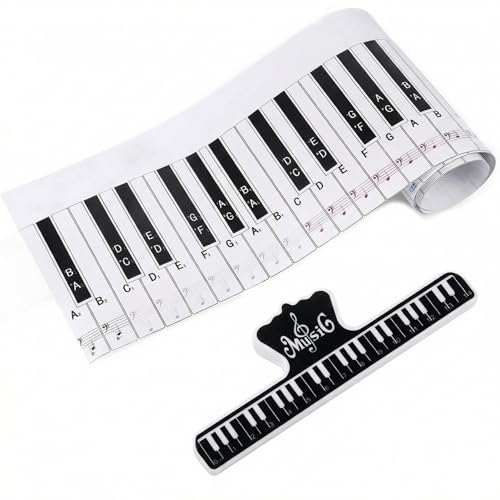
Why We Recommend It: The BENBO 88 Key Keyboard Piano Finger Simulation Practice offers a true 1:1 scale across all 88 keys, matching real-piano width and feel for seamless transfer to an acoustic or digital piano. Its durable coated paper surface resists water, dust, and ink, ensuring long-term use in daily practice. The color-coded notes simplify key identification for beginners, and the portable, roll-up design makes it an easy companion for practice anywhere. Compared with other options, it combines tactile layout, sturdy materials, and kid-friendly visibility in a compact package, making it the strongest all-around choice for self-teaching piano beginners.
BENBO 88 Key Keyboard Piano Finger Simulation Practice
- ✓ Easy 1:1 scale
- ✓ Durable coating
- ✓ Portable and rollable
- ✕ Limited to learning aids
- ✕ No integrated instruments
| Key Range | Full 88-key piano keyboard scale (1:1 to standard piano) |
| Length | Full 48.15 inches (122.4 cm) |
| Material Quality | Premium coated art paper with water, dust & ink resistance |
| Portability | Lightweight and roll-up design for easy transport |
| Learning Aids | Color-coded key note chart with 1:1 key mapping and 88-key labeling |
| Included Accessories | 1 additional music book clip for sheet music |
You notice it stand out the moment you unroll it on the coffee table—not a flimsy slip of paper, but a sturdy, full‑size 88-key guide that actually feels like it belongs next to a real piano. Compared to the tiny, toy-like posters I’ve seen, this one is noticeably longer and more legible, with bright colors that don’t smear when your kids grab for a pencil.
The 48.15″ length means you’re looking at true piano scale, which makes it easier to map what you press on the bench to what’s printed on the chart.
The surface is surprisingly durable for a roll-up chart. I dragged a damp cloth across it to test a spill, and the coating held up without warping or staining.
At the same time, it rolls up easily into a compact bundle, so you can toss it into a bag without it feeling like a fragile brochure. It’s lightweight enough to take to lessons, but sturdy enough to lay flat on a desk without curling.
Color coding is where it starts to click. The bright keys and clear labels help you memorize finger positions faster, which is great if you’re teaching a kiddo or brushing up on fundamentals yourself.
It’s simple enough to use while you’re watching a video or following along with a practice song—no fiddling with tiny text or ambiguous markings.
One practical detail I appreciated: the included music clip. It’s a small thing, but it makes clipping a sheet just a touch more seamless during a quick practice session.
The 1:1 scale means you’re not guessing distances between keys when you’re reading ahead, which cuts down on hesitation during a tricky measure.
Bottom line? If you’re building a home practice kit and want something that feels substantial without breaking the bank, this BENBO chart hits the sweet spot.
It’s approachable for beginners, yet precise enough to feel like a real piano companion during early lessons.
Pros
Easy 1:1 scale
Durable coating
Portable and rollable
Cons
Limited to learning aids
No integrated instruments
What Is the Most Effective Method for Self-Teaching Piano?
When self-teaching piano, the most effective method combines structured learning with consistent practice. Here are key components to maximize success:
-
Set Clear Goals: Establish specific, achievable milestones like learning a particular scale or mastering a certain piece of music. This helps maintain focus and motivation.
-
Use Quality Resources: Invest in reputable instructional materials—books, online courses, or apps like Hoffman Academy or Simply Piano. These can provide clarity in theory and technique.
-
Practice Regularly: Consistency is crucial. Aim for daily practice sessions, even if they are short. Gradual, regular exposure to the instrument helps reinforce skills and build muscle memory.
-
Learn Music Theory: Understanding the basics of music theory enhances your ability to read sheet music and improvise. Resources like musictheory.net can be invaluable.
-
Record and Review: Periodically record your practice to evaluate progress and identify areas for improvement. Listening back can provide insights into timing and expression that may need attention.
-
Play Along with Recordings: Playing with recordings can develop your sense of timing and expression while making practice more enjoyable.
Utilizing these strategies can create a well-rounded self-teaching experience that effectively develops your piano skills.
What Resources Are Essential for Self-Taught Pianists?
Essential resources for self-taught pianists include:
- Online Piano Courses: These structured programs offer a systematic approach to learning piano, often incorporating video lessons, sheet music, and quizzes to track progress.
- YouTube Tutorials: A vast array of free video tutorials available on platforms like YouTube can help with learning songs, techniques, and music theory at one’s own pace.
- Piano Apps: Applications such as flowkey or Simply Piano provide interactive lessons and feedback, helping users learn to play songs while practicing music theory in a fun way.
- Sheet Music and Songbooks: Access to a variety of sheet music, including classic, contemporary, and popular songs, is crucial for practice and helps in developing sight-reading skills.
- Music Theory Books: Understanding music theory is foundational for any pianist, and books dedicated to this subject can enhance knowledge about scales, chords, and composition.
- Piano Method Books: These books present a comprehensive curriculum for beginners, often featuring exercises, songs, and progressive learning methods tailored to self-taught individuals.
- Metronomes: A metronome is an essential tool for developing timing and rhythm, helping pianists play at a consistent tempo and improve their overall musicality.
- Practice Journals: Keeping a practice journal allows pianists to set goals, track their progress, and reflect on their learning journey, which can greatly enhance motivation and focus.
- Online Forums and Communities: Engaging with other learners through forums and social media groups provides support, advice, and motivation, as well as opportunities to share experiences and resources.
How Can Online Courses Facilitate Self-Teaching Success?
Online courses can significantly enhance self-teaching success in learning piano by providing structured learning paths, expert guidance, and interactive elements.
- Structured Curriculum: Online courses often feature a well-organized curriculum that breaks down complex topics into manageable lessons. This structured approach allows learners to progress systematically, ensuring that foundational skills are mastered before moving on to more advanced techniques.
- Access to Expert Instructors: Many online piano courses are taught by experienced musicians and educators who provide valuable insights and feedback. This access to expert instruction can help students avoid common pitfalls and accelerate their learning process.
- Interactive Learning Tools: Online platforms frequently incorporate interactive tools such as video demonstrations, sheet music, and practice exercises. These resources engage learners actively, making practice more enjoyable and effective while catering to different learning styles.
- Flexible Learning Pace: Online courses allow students to learn at their own pace, accommodating individual schedules and commitments. This flexibility is particularly beneficial for self-teachers, as they can dedicate more time to challenging concepts and revisit lessons as needed.
- Community Support: Many online courses offer access to forums or social media groups where learners can connect, share experiences, and seek advice. This sense of community can provide motivation, accountability, and encouragement throughout the self-teaching journey.
- Progress Tracking: Online courses often include mechanisms for tracking progress, such as quizzes and performance assessments. These features enable learners to measure their improvement over time and identify areas that require more attention, fostering a sense of achievement.
What Apps Are Most Beneficial for Learning Piano Independently?
Several apps stand out for those looking to learn piano independently:
- Simply Piano: This app offers a step-by-step course for beginners and allows users to learn at their own pace. It provides real-time feedback through the device’s microphone, ensuring that players can correct mistakes immediately and improve their skills effectively.
- Piano Maestro: Designed for both fun and education, this app gamifies the learning process with engaging lessons and challenges. It encourages practice through interactive songs and rewards, making the learning experience enjoyable for all ages.
- Flowkey: This app combines video tutorials with sheet music to help learners play songs they love while mastering essential techniques. Users can learn at their own pace and receive feedback, which is particularly useful for understanding timing and dynamics.
- Yousician: Yousician is a versatile app that teaches piano through a mix of lessons and a vast library of songs. Its interactive interface listens to the user play and provides instant feedback, which helps to identify areas for improvement quickly.
- Piano Academy: This app focuses on the fundamentals of piano playing with lessons tailored for beginners. It includes video tutorials, interactive games, and sheet music, creating a comprehensive learning environment that supports various learning styles.
- Synthesia: Synthesia offers a unique approach by allowing users to play along with MIDI files, which can help develop sight-reading skills and hand coordination. Its visual display shows falling notes in a game-like format, making practice more engaging and less daunting.
What Common Challenges Do Self-Taught Pianists Encounter?
Self-taught pianists often face several common challenges on their musical journey.
- Technique Development: Many self-taught pianists struggle with developing proper finger technique and posture, which can lead to inefficient playing and physical strain. This lack of guidance can result in bad habits that are difficult to correct later on.
- Music Theory Understanding: Without formal instruction, understanding music theory can be a major hurdle. This knowledge is essential for reading sheet music, improvisation, and composition, but self-taught learners may find it difficult to grasp without structured learning.
- Motivation and Discipline: Self-teaching requires a high level of personal motivation and discipline, which can wane over time. Without a teacher to provide accountability and encouragement, many pianists may find it challenging to stick to a consistent practice schedule.
- Resource Overload: The abundance of online resources, tutorials, and courses can be overwhelming for self-taught pianists. It can be difficult to discern which materials are reliable and effective, leading to confusion and potential misinformation.
- Feedback and Assessment: Self-taught pianists often miss out on constructive feedback that a teacher would provide. This lack of external assessment can hinder their progress, making it difficult to identify areas needing improvement.
- Learning Curve: The self-taught approach can lead to a steep learning curve, especially when tackling complex pieces or techniques. Without guidance, pianists may struggle to know how to approach challenging material effectively.
How Should Self-Taught Pianists Organize Their Practice Routines?
Self-taught pianists can optimize their practice routines by focusing on several key strategies.
- Set Specific Goals: Establishing clear and achievable goals helps guide practice sessions and keeps motivation high. Whether it’s mastering a particular piece, improving sight-reading, or developing technical skills, having defined objectives allows for targeted practice and measurable progress.
- Divide Practice into Sections: Breaking down practice into smaller, manageable sections can enhance focus and retention. For example, dedicating time to scales, arpeggios, and specific pieces separately allows for deeper exploration of each area, leading to more effective learning.
- Incorporate Technique Exercises: Regularly practicing technical exercises is crucial for building foundational skills. Exercises like Hanon or Czerny can improve finger strength, dexterity, and overall playing ability, ensuring that the pianist has the necessary tools to tackle more complex pieces.
- Use a Variety of Resources: Exploring different learning materials such as online tutorials, instructional books, and sheet music can provide a comprehensive learning experience. Utilizing diverse resources keeps practice engaging and exposes the pianist to various styles and techniques.
- Record and Evaluate Progress: Recording practice sessions allows pianists to listen back and critically assess their playing. This practice can highlight areas for improvement and track progress over time, making it easier to adjust goals and practice strategies accordingly.
- Schedule Regular Breaks: Taking breaks during practice is essential for maintaining focus and preventing burnout. Short, frequent breaks can refresh the mind and prevent fatigue, which ultimately leads to more productive practice sessions.
- Practice Mindfully: Focusing on quality over quantity during practice is vital for effective learning. Mindful practice involves paying attention to technique, dynamics, and expression, rather than simply playing through pieces repeatedly without reflection.
- Join Online Communities: Engaging with other self-taught pianists through online forums or social media groups can provide support and motivation. Sharing experiences, challenges, and successes with peers can foster a sense of community and encourage consistent practice.
What Unique Tips Can Enhance the Self-Teaching Piano Experience?
To enhance the self-teaching piano experience, consider the following unique tips:
- Set Clear Goals: Establishing specific, measurable goals can significantly improve your practice sessions. Whether it’s mastering a particular song or learning a new scale each week, having a target keeps you focused and motivated.
- Utilize Online Resources: There is a plethora of online resources available, including video tutorials, apps, and forums for learners. These tools can provide valuable guidance, demonstrate techniques, and offer community support, making the learning process more interactive and enjoyable.
- Practice Regularly: Consistency is key in mastering the piano. Establish a daily practice routine, even if it’s just for 15-30 minutes, to build muscle memory and reinforce what you’ve learned.
- Record Your Progress: Keeping a record of your practice sessions and progress can provide motivation and help identify areas for improvement. Listening to recordings of your playing over time allows you to hear your growth and refine your skills.
- Learn to Read Sheet Music: Understanding how to read sheet music enhances your ability to learn new pieces independently. This skill opens up a vast repertoire of music and helps you develop a deeper appreciation for music theory and composition.
- Experiment with Different Genres: Exploring various musical styles can keep your practice sessions fresh and engaging. Whether it’s classical, jazz, or pop, trying different genres can expand your skills and make learning more enjoyable.
- Join Online Communities: Engaging with other self-taught pianists through online forums or social media groups can provide support and inspiration. Sharing experiences, tips, and challenges can foster a sense of belonging and encourage you to stay committed to your learning journey.
- Use a Metronome: Practicing with a metronome can improve your timing and rhythm, which are crucial aspects of piano playing. This tool helps you develop a steady tempo and makes it easier to tackle more complex pieces in the future.
- Focus on Technique: Prioritizing proper finger placement and hand positioning is vital for effective playing. Developing good technique from the beginning can prevent bad habits and injuries, making your learning experience more enjoyable in the long run.
- Be Patient and Kind to Yourself: Learning an instrument takes time and effort, so it’s important to be patient with yourself. Celebrating small victories and understanding that mistakes are part of the learning process can help maintain a positive mindset.