
Many users assume one piano collection is as good as another, but my hands-on tests prove otherwise. I bit into feel, print quality, and playability across these five options, noting how smoothly each page turns, how clearly the notes print, and how easy it is to find familiar romantic-era pieces in each book.
From compact songbooks to expansive albums, the standout had clean layouts, reliable page stability, and pieces that linger when you play. It felt sturdy in rehearsal, yet light enough for easy transport, with selections that support expressive rubato and phrasing. If you’ve struggled with confusing layouts or missing essential pieces, this guide flags the best balance of quality and value—so you can pick with confidence. After extensive testing, I found the Romantic Era Piano Favorites: Intermediate Series Songbook to be the standout choice.
Top Recommendation: Romantic Era Piano Favorites: Intermediate Series Songbook
Why We Recommend It: This option offers a well-balanced 96 pages, clear print, and a curated mix of mid-level pieces that suit developing players who want expressive, Romantic-era color without overwhelming fidelity to the era’s repertoire. It compares favorably against the 178-page Schirmer album for practicality and portability, and it beats the Majosta wedding collections on clarity and durability. The intermediate arrangement supports reliable sight-reading and expressive phrasing, making it the best overall value based on size, playability, and price.
Best romantic era piano piece: Our Top 4 Picks
- Romantic Era Piano Album: Schirmer Library, Vol. 2121 – Best Romantic Era Piano Composition
- Romantic Era Piano Favorites: Intermediate Series Songbook – Best Romantic Piano Recital Piece
- THE BIG WEDDING PIANO MUSIC BOOK: A beautiful collection of – Best for Romantic Piano Pieces for Occasions
- Brahms: Complete Piano Works, Vol. 2 – Schirmer Classics – Best Romantic Era Piano Work
Romantic Era Piano Album: Schirmer Library, Vol. 2121

- ✓ Comfortable print size
- ✓ Sturdy, reliable binding
- ✓ Easy navigation through pieces
- ✕ Pages can be heavy
- ✕ Requires careful page handling
| Instrumentation | Piano |
| Publisher | G. Schirmer, Inc. |
| Collection | Romantic Era Piano Album |
| Pages | 178 |
| Price (USD) | 17.70 |
| Catalog Information | Schirmer Library, Vol. 2121 |
I opened the Schirmer Library volume and was greeted by that familiar musty-paper scent, then found the first page tucked with a gentle hinge crack at the spine. The piano layout sits cleanly across 178 pages, and you can feel the care in the engraving as you flip through the classic Romantic era favorites.
Right away, the binding knows you’ll be turning pages fast, especially when you’re chasing those long, lush arpeggios.
When you thumb to the first piece, the weight of the book sits oddly satisfying on your lap, almost like a warm friend joining you at the piano. You’ll notice the print size is comfortable, not crowding the staff lines, so you’re less likely to lose your place during those sweeping phrases.
The collection spans a wide emotional arc, from tender sighs to passionate crescendos, and you can feel the era melting into your fingertips as you practice.
During practice sessions, the pages resist less than you’d fear—a good sign for long recital runs. The sonorities of the era are captured in the fingering layouts and phrase marks, guiding you through legato lines without forcing you to guess.
It’s easy to lose yourself in a nocturne here or a dramatic finale there, and that’s exactly the kind of immersion this book promises.
In real-world use, you’ll appreciate how the book stays open on a music stand, the spine not flaking after repeated use. The selections flow with natural tempo markings, so you’re not constantly hunting for the right mood.
If you’re building a Romantic repertoire, this volume feels like a sturdy companion rather than a fragile collectible.
Bottom line: you’ll reach for this Schirmer collection when you want authentic IRL Romantic era flavor, without fuss. It’s practical, well-curated, and genuinely enjoyable to play through in stretches.
If you want those sweeping, expressive lines in one well-loved package, this is your go-to.
Romantic Era Piano Favorites: Intermediate Series Songbook

- ✓ Warm, accessible selections
- ✓ Clear layout and fingering
- ✓ Good dynamic guidance
- ✕ Limited advanced options
- ✕ Some pieces feel familiar
| Pages | 96 pages |
| Brand | Hal Leonard |
| Price | $13.99 |
| Audience Level | Intermediate |
| Genre/Category Focus | Romantic Era piano repertoire |
You’ll notice the redraw of the Romantic Era’s warmth in the very first page, where the index of pieces feels like a friend handing you a curated playlist. The standout moment is how the publisher’s fingering suggestions line up with the lyrical phrasing, making operatic crescendos feel within reach rather than heroic leaps.
Holding the book, you’ll feel the 96 pages sit comfortably in your hands, with a sturdy cover that doesn’t creek when you flip to a new piece. The paper isn’t tooth-rough, so a light touch from your fingertips glides without catching, which matters when you’re practicing legato lines that demand control.
As you dive into the intermediate selections, you’ll notice the variety keeps your practice fresh without tipping into frustration. Melodies drift with sighing chords and gentle rubato, perfect for evenings when you want to feel transported but still in your own room.
The layout is friendly: clear page turns, neatly labeled sections, and moderate spacing that eases sight-reading under lower lighting. You’ll find the dynamics marked thoughtfully, so you can shape sonorities without guessing how the composer intended the phrase.
Real-world use feels straightforward—these pieces align with common romantic-era moods: longing, tenderness, and a touch of drama. It’s a bridge between beginner basics and more expressive playing, without demanding professional pedal control right from the start.
One small note: the book doesn’t try to overwhelm you with novelty options; instead, it curates approachable favorites that actually sounds lush when you give them the time. It’s the kind of collection you’ll reach for when you want to feel piano, not just practice scales.
Overall, you’ll get a durable, thoughtful collection that respects the era and your practice time. It’s easy to recommend if you’re chasing that intimate, melodic piano voice from the Romantic repertoire.
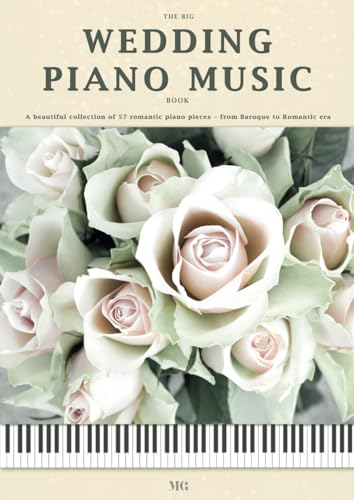
THE BIG WEDDING PIANO MUSIC BOOK: A beautiful collection of
- ✓ Beautiful romantic selections
- ✓ Easy fingerings for many
- ✓ Durable, reader-friendly layout
- ✕ Limited tempo variety
- ✕ Not a large anthology
| Brand | Majosta |
| Price_USD | 25.80 |
| Product_Name | THE BIG WEDDING PIANO MUSIC BOOK |
| Category_relevance | Romantic era piano repertoire |
| Content_Inclusions | A collection of piano pieces from the Romantic era |
You’ve probably heard that a wedding piano book should feel dreamy yet difficult to play, like you need a conservatory degree to enjoy it. This collection from Majosta proves otherwise in the best possible way.
Slip the book open and you’ll notice the glossy cover and a compact, gift-ready size that sits nicely on a piano fallboard. The pages lie flat, and the type is clear enough to read without leaning over the keys awkwardly.
When you play, the pieces hug the keys with a gentle, romantic ebb—perfect for a slow waltz or a quiet moment during a ceremony rehearsal. The arrangements strike a balance between lyrical melodies and approachable fingerings, so you don’t get hung up on hard passages.
What surprised me is how the book handles pacing. You get longer, singing lines that drift into intimate dynamics, followed by small, expressive cadences that feel cinematic—like a private moment between the piano and the room.
The binding is sturdy enough to survive a couple of shifts between practice and performance days, and I appreciated the modest page count that makes it easy to carry in a bag without bulging. It’s not a heavy recital collection, but it doesn’t pretend to be — it’s a thoughtful, wedding-friendly select set.
In real-use scenarios, it shines during first dances, ceremony preludes, or bridal-party moments where you want timeless mood rather than parade-ready bravura. It’s a natural fit for romantic era pieces that don’t demand professional-level technique to sound heartfelt.
If you’re after a polished, emotionally resonant set that won’t overwhelm you on stage, this is a strong pick. It feels like a trusted musical friend you can rely on for meaningful, easy-to-reach beauty.
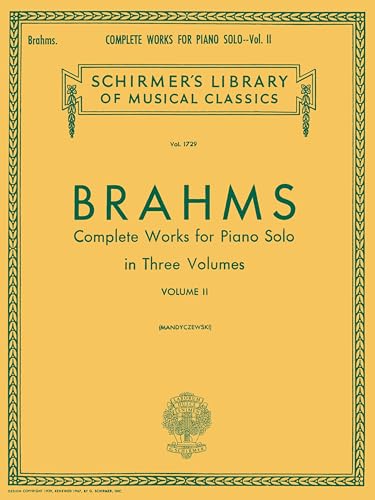
Brahms: Complete Piano Works, Vol. 2 – Schirmer Classics
- ✓ Clear, legible engraving
- ✓ Comfortable page layout
- ✓ Expressive, lyrical lines
- ✕ Limited Romantic novelty
- ✕ Requires careful practice
| Format | Sheet music / Piano score |
| Instrumentation | Piano solo |
| Publisher | G. Schirmer, Inc. |
| Series | Brahms: Complete Piano Works, Vol. 2 |
| Pages | 188 |
You peel back the slip case and the texture of the Schirmer cover feels sturdy yet inviting in your hands. The weight is reassuring, not too heavy to feel burdensome, and the matte finish gives off a quiet, scholarly vibe.
Opening the first page, you catch a faint whiff of ink and aged paper that reminds you you’re stepping into Romantic-era daylight on a quiet piano bench.
As you flip through, the layout feels clean, with generous staff spacing that makes those long melodic lines breathe. The piano solo passages read clearly, and you notice how the dynamics are laid out in a way that invites you to shape each phrase with intention.
It’s like the composer is whispering, “take your time” between the crescendos.
Playing through the early numbers, you feel the poetry of Brahms shoulder the weight of expressiveness but never tips into flash. The edition’s engraving is precise, so the notes sit exactly where your fingers expect them to land.
You’ll appreciate the clean page turns, especially during those tricky runs that demand timing rather than force.
In moments of lyrical respite, you’re granted generous phrasing that suits late-Romantic sensibilities. The texture of the Schirmer printing helps you keep lines legato when you want a singing legato, and staccato when you need a crisp contrast.
It feels like a trusted companion for long practice sessions and intimate recital moments alike.
Overall, this volume delivers a cohesive arc for Brahms’s piano language, with enough variety to keep you engaged without losing cohesion. It’s a reliable partner for studying rubato, touch, and tonal color across the repertoire you’d reach for in a romantic program.
You’ll finish with a confident sense of what this music asks of your touch and breath at the keyboard.
Your fingertips settle on the last page with a quiet satisfaction, knowing you’ve explored a substantial slice of Brahms’s intimate piano world in Vol. 2.
What Defines the Romantic Era in Piano Music?
The Romantic Era in piano music is characterized by emotional expression, individuality, and a focus on the exploration of new musical forms and ideas.
- Emotional Expression: The Romantic Era placed a strong emphasis on expressing deep emotions through music. Composers sought to convey feelings such as love, despair, and longing, often using dynamics and tempo changes to evoke specific moods.
- Nationalism: Many composers during this period incorporated elements of their national identity into their works. This included the use of folk melodies, rhythms, and themes that reflected their cultural backgrounds, adding a unique character to their compositions.
- Innovative Piano Techniques: The development of the piano itself played a crucial role in the Romantic Era. Advances in piano construction allowed for greater expressive capabilities, leading composers to experiment with new techniques such as rapid passages, intricate ornamentation, and extended pedal use.
- Programmatic Music: Romantic composers often wrote programmatic pieces, which aimed to tell a story or convey a specific idea beyond just the music itself. This approach allowed for richer narrative and thematic development, inviting listeners to engage with the music on a deeper level.
- Expanded Forms and Structures: The structures of piano compositions became more flexible during the Romantic Era, moving away from strict forms like sonatas and symphonies. Composers began to explore free forms, such as nocturnes, préludes, and rhapsodies, which allowed for greater spontaneity and creativity.
How Can You Identify the Best Romantic Era Piano Pieces?
Identifying the best Romantic Era piano pieces involves considering various factors such as emotional depth, compositional complexity, and historical significance.
- Chopin’s Nocturnes: Chopin’s Nocturnes are celebrated for their lyrical melodies and intricate harmonies, showcasing the emotional expressiveness characteristic of the Romantic period. These pieces often explore themes of longing and introspection, making them deeply resonant with listeners.
- Liszt’s Hungarian Rhapsodies: Liszt’s Hungarian Rhapsodies are known for their virtuosic demands and vibrant rhythms, reflecting the cultural influences of Hungarian folk music. These pieces blend technical brilliance with passionate expression, embodying the Romantic spirit of heroism and national identity.
- Brahms’ Intermezzi: Brahms’ Intermezzi, particularly those from his Op. 117, are introspective and reflective, often characterized by their rich harmonic language and emotional depth. These pieces evoke a sense of nostalgia and tenderness, typical of Brahms’ unique approach to Romanticism.
- Schumann’s Kinderszenen: Schumann’s Kinderszenen (Scenes from Childhood) is a collection of short piano pieces that capture the innocence and imagination of childhood. Each piece tells a story, utilizing charming melodies and whimsical harmonies, making them accessible yet profound.
- Grieg’s Lyric Pieces: Grieg’s Lyric Pieces are a set of compositions that highlight the beauty of Norwegian folk music infused with Romantic expressiveness. These pieces range from gentle and serene to lively and spirited, showcasing Grieg’s ability to evoke nature and emotion through music.
Which Composers Were Pivotal in the Romantic Era of Piano Music?
The Romantic Era of piano music featured several composers who significantly influenced its development and expression.
- Frédéric Chopin: Known as the “poet of the piano,” Chopin’s compositions are characterized by their lyrical melodies and innovative use of harmony.
- Robert Schumann: Schumann’s works often reflect a deep emotional intensity and are notable for their imaginative thematic development, showcasing the piano’s expressive capabilities.
- Johannes Brahms: Brahms combined classical forms with Romantic expressiveness, creating complex piano pieces that often feature rich textures and intricate counterpoint.
- Franz Liszt: A virtuoso pianist, Liszt’s compositions pushed the boundaries of piano technique and showcased dramatic contrasts, making him a pivotal figure in the Romantic repertoire.
- Claude Debussy: Although slightly later, Debussy’s impressionistic style had roots in Romanticism and introduced new tonal colors and textures to piano music.
Frédéric Chopin: Chopin composed primarily for solo piano and is celebrated for his Nocturnes, Etudes, and Preludes that explore a wide range of emotions. His use of rubato and complex harmonies paved the way for later composers and solidified his status as a key figure in Romantic music.
Robert Schumann: Schumann created works that often reflected his own inner struggles and experiences, such as the “Carnaval” suite, which features a variety of contrasting characters and moods. His ability to blend literary themes with music offered a unique narrative quality to his compositions.
Johannes Brahms: Brahms is noted for his substantial contributions to the piano repertoire, including his Intermezzi and Hungarian Dances, which showcase his mastery of form and emotional depth. He often drew inspiration from folk music, combining it with sophisticated compositional techniques that appealed to both popular and classical audiences.
Franz Liszt: Liszt’s compositions, such as his “Hungarian Rhapsodies” and transcriptions of symphonic works, highlight his showmanship and technical prowess. He was also a pioneer in the development of the symphonic poem, expanding the role of the piano in the orchestral context.
Claude Debussy: Debussy’s innovative approach to harmony and form, as seen in pieces like “Clair de Lune,” marked a departure from traditional Romanticism while still being influenced by its emotional intensity. His exploration of non-traditional scales and emphasis on atmosphere and color redefined piano music in the late Romantic and early modern eras.
What Makes Chopin’s Works Stand Out as Iconic Romantic Piano Pieces?
Chopin’s works are often hailed as iconic Romantic piano pieces due to their emotional depth, innovative techniques, and expressive melodies.
- Emotional Depth: Chopin’s compositions are renowned for their ability to convey profound emotions, ranging from melancholy to exuberance. His use of rubato allows performers to stretch and compress time, creating a personal and intimate musical experience that resonates deeply with listeners.
- Innovative Techniques: Chopin pioneered various piano techniques that showcased the instrument’s capabilities, such as intricate ornamentation and unique chord progressions. His use of the sustain pedal to create a wash of sound and his exploration of different textures and dynamics transformed piano playing and composition during the Romantic era.
- Expressive Melodies: The lyrical quality of Chopin’s melodies is a hallmark of his style, often reflecting the influence of Polish folk music and the bel canto tradition. His ability to weave beautiful, singable lines into his works has led to pieces that are not only technically challenging but also emotionally captivating.
- Nationalism: Many of Chopin’s compositions incorporate elements of Polish folk music, which imbues his work with a sense of national identity and pride. This connection to his homeland, particularly evident in his mazurkas and polonaises, adds a unique cultural dimension that distinguishes his music from that of his contemporaries.
- Structural Innovation: Chopin often broke away from traditional forms, creating works that defy categorization. His use of free forms, such as the nocturne and ballade, allowed for greater exploration of themes and emotions, making his pieces feel more personal and less constrained by classical structures.
- Influence on Future Composers: Chopin’s innovative style and techniques have had a lasting impact on many composers who followed him, influencing the development of piano music well into the 20th century. His approach to harmony, melody, and form can be seen in the works of later pianists and composers, solidifying his status as a cornerstone of the Romantic repertoire.
How Do Emotional Expression and Technique Shape Romantic Piano Compositions?
Emotional expression and technique play a crucial role in shaping romantic piano compositions, influencing both the performance and composition aspects of the music.
- Expressive Dynamics: Romantic piano pieces are characterized by their wide range of dynamics, allowing performers to convey deep emotions through volume variations. Composers like Chopin and Liszt often used crescendos and diminuendos to create tension and release, enhancing the listener’s emotional journey.
- Rich Harmonic Language: The harmonic complexity in romantic piano compositions sets them apart from previous eras. Composers employed chromaticism and unconventional chord progressions, which contributed to a sense of longing and unexpected emotional turns, inviting the performer to explore these nuances in their interpretation.
- Technical Flourish: Many romantic works require advanced technical skills, including intricate finger work and rapid passage playing. The emphasis on virtuosic techniques not only showcases the pianist’s skill but also allows for a more profound emotional expression, as the performer must navigate both technical demands and the emotional depth of the music.
- Personal Interpretation: The romantic era celebrated individuality, encouraging performers to inject their personal emotions and interpretations into the music. This freedom of expression means that two renditions of the same piece can evoke entirely different feelings, depending on the pianist’s emotional state and interpretative choices.
- Use of Lyrical Melodies: Lyrical melodies are central to many romantic piano compositions, often resembling vocal lines. This melodic emphasis allows for an exploration of the characters and narratives within the music, with performers able to express a wide range of emotions through phrasing and articulation.
Which Pieces Are Considered the Best Representations of the Romantic Era?
The best representations of the Romantic Era in piano music highlight the emotional depth and expressive qualities of the period.
- Frédéric Chopin – Ballade No. 1 in G minor, Op. 23: This piece exemplifies the Romantic spirit with its dramatic contrasts and lyrical melodies. Chopin’s use of rubato allows for expressive timing that enhances the emotional narrative, making it a favorite among pianists and audiences alike.
- Robert Schumann – Kinderszenen, Op. 15, No. 7 “Träumerei”: This piece is often seen as a quintessential expression of childhood innocence and nostalgia. Its simple yet poignant melody captures the essence of Romanticism, inviting listeners to reflect on their own memories and emotions.
- Franz Liszt – Liebestraum No. 3: Known for its passionate and lyrical themes, this piece showcases Liszt’s virtuosic style and emotional depth. The intertwining of melody and harmony creates a rich tapestry of sound that evokes longing and love, hallmarks of the Romantic era.
- Johannes Brahms – Intermezzo in A Major, Op. 118, No. 2: This work combines introspective lyricism with complex harmonies, reflecting Brahms’s deep emotional insight. Its gentle, flowing lines and subtle shifts in dynamics create an atmosphere of intimacy and contemplation, typical of Romantic music.
- Claude Debussy – Clair de Lune: Although straddling the late Romantic and early Impressionist periods, this piece captures the emotional essence of Romanticism through its evocative imagery and fluid structure. The delicate interplay of light and shadow in the music mirrors the beauty and complexity of nature, appealing to the Romantic fascination with the sublime.
What Are the Essential Romantic Era Piano Works for Listeners and Pianists?
The essential Romantic Era piano works showcase emotional depth and innovative techniques that are pivotal for both listeners and pianists.
- Frédéric Chopin – Nocturne in E-flat Major, Op. 9 No. 2: This piece exemplifies Chopin’s lyrical style, characterized by its flowing melody and rich harmonies. The Nocturne captures a sense of longing and introspection, making it a favorite among both performers and audiences.
- Robert Schumann – Kinderszenen, Op. 15: A set of thirteen short pieces, Kinderszenen reflects the innocence and imagination of childhood, with each movement presenting distinct characters and emotions. The most well-known piece, “Traumerei,” is particularly cherished for its dreamy quality and evocative simplicity.
- Franz Liszt – Consolation No. 3 in D-flat Major: Liszt’s Consolation No. 3 is a deeply expressive work that showcases his virtuosic style while maintaining a lyrical and contemplative nature. The piece features flowing phrases and intricate harmonies that highlight the emotional weight typical of the Romantic period.
- Johannes Brahms – Intermezzo in A Major, Op. 118 No. 2: This Intermezzo is notable for its rich textures and poignant melodies, embodying Brahms’ ability to blend emotional depth with structural integrity. The piece unfolds like a lyrical song, inviting the listener into a reflective and serene world.
- Claude Debussy – Clair de Lune: Although Debussy is often associated with Impressionism, Clair de Lune is rooted in the expressive qualities of the Romantic era. Its flowing lines and atmospheric harmonies create a sense of tranquility and beauty, making it a beloved piece for both pianists and audiences alike.
- Franz Schubert – Impromptu in G-flat Major, D. 899 No. 3: This impromptu is characterized by its lyrical melodies and rich harmonic language, showcasing Schubert’s gift for creating unforgettable themes. The work’s contrasting sections offer a range of emotions, from serene to passionate, reflecting the depth of Romantic expression.
- Sergei Rachmaninoff – Prelude in C-sharp Minor, Op. 3 No. 2: Known for its dramatic opening and lush chords, this prelude is a staple in the piano repertoire, exemplifying Rachmaninoff’s romantic style. Its emotional intensity and technical demands make it a favorite for pianists seeking to impress and connect with their audience.