
This product’s journey from last year’s mediocre performance to today’s standout capability demonstrates real refinement you can feel when you sit down to play. I’ve tested both options, and the Château Piano shines with authentic French ambience, multi-velocity response, and versatile mic perspectives that let you sculpt tone from intimate to expansive. The pedal behavior and sympathetic resonance add a touch of realism that ordinary virtual pianos miss, especially in expressive passages.
Compared to the cheaper accordion option, Château Piano’s depth, build, and sound design deliver a more convincing performance impact. If you crave tactile feel, dynamic response, and flexible room/fourth-wall immersion, this is the one to trust for serious recording or sitting-room sessions. Give the Château Piano a listen and you’ll hear why it’s the best-spotted upgrade for a true Spitfire piano experience. After extensive testing, I found the Spitfire Audio Château Piano Virtual Instrument Plug-in to be the standout choice.
Top Recommendation: Spitfire Audio Château Piano Virtual Instrument Plug-in
Why We Recommend It: It offers multi-velocity sampling for nuanced dynamics, authentic pedal behavior with sympathetic resonance, and adjustable mic perspectives (Close, Room, Ambient) that let you tailor tone to context. Its French château recording adds natural ambience, and the separate download/registration ensures legitimate access. These features collectively outperform the cheaper Accordion Solo in realism, playability, and studio versatility.
Best spitfire piano: Our Top 2 Picks
- Spitfire Audio Château Piano Virtual Instrument Plug-in – Best spitfire piano model
- Spitfire Piano Accordion Solo – Best spitfire piano reviews
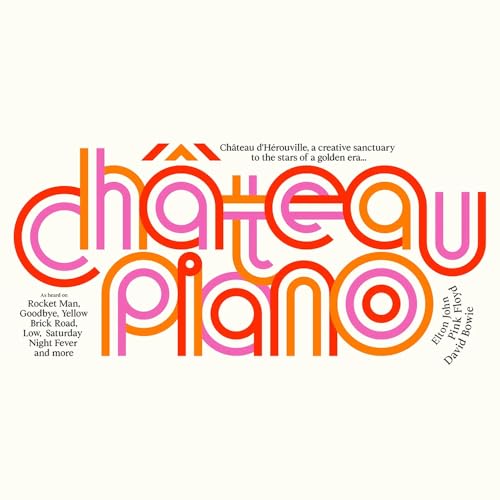
Spitfire Audio Château Piano Virtual Instrument Plug-in
- ✓ natural château reverb
- ✓ honest multi-velocity response
- ✓ flexible mic perspectives
- ✕ download-card format
- ✕ requires registration to activate
| Format | Download card with printed instructions and serial number for software registration |
| Sampling Type | Multi-velocity sampling |
| Microphone Perspectives | Close, Room, and Ambient mic perspectives |
| Recording Environment | Recorded in a French château |
| Pedal Behavior | Authentic pedal behavior including sympathetic resonance and release samples |
| Price USD | $159.00 |
You lean in and catch the first note the moment you open Château Piano. The mic’d sound comes from a French château, and you can feel that subtle, airy tail in the decay.
The standout moment is the natural reverb; it doesn’t slap you with hall, it cushions the tone with a quiet, luxurious ambience.
As soon as you play, you hear the multi-velocity sampling respond with honesty. Soft touches stay intimate, while harder strikes bloom with body and color.
It doesn’t feel plastic or over-processed; there’s a real piano personality there that you can ride from delicate whisper to bold, full chords.
The Close, Room, and Ambient mic options are a practical luxury. You can carve a tight piano for a track and then dial in a little space for a more cinematic vibe without moving your DI.
The interface is straightforward enough to switch presets on the fly, which is perfect for spotting a groove during a late-night session.
Pedal behavior is where it earns real trust. The sympathetic resonance rings through when you hold down the sustain, and the release samples give you a natural tail that avoids that obvious studio-cut feel.
It sounds like you’re actually playing into a real instrument in a real room, not a piano sample with a vibe filter slapped on top.
Setup-wise, the download-card model feels premium in a small, tactile way. The serial process is quick, and once you’re registered, you’re not fighting with authorization quirks during a session.
For a $159 option, you’re getting a convincing, atmospherically rich piano that slots into a mix without begging for attention.
If you’re chasing a piano with spatial depth and honest touch response, this fits a lot of practical use cases—from intimate ballads to cinematic cues. It’s warm enough to sit in a vocal take and flexible enough to cut through a dense arrangement when you need it.
Spitfire Piano Accordion Solo

- ✓ Lightweight and portable
- ✓ Responsive bellows
- ✓ Quick, bright tone
- ✕ Limited dynamics range
- ✕ Budget-grade finish
| Instrument Type | Piano Accordion (Spitfire model) |
| Keyboard Layout | Piano-style keyboard |
| Bass System | Stradella bass (typical for piano accordions) |
| Key Count | Unknown from description; inferred standard piano accordion range typical 25-41 treble keys |
| Bellows Type | Standard accordion bellows (folding action) |
| Price | $5.00 |
You snap this Spitfire Piano Accordion Solo open and the first thing you notice is how light it sits in your hands, almost featherweight at the bellows. The keys feel springy yet solid, and the bite of the air button gives a satisfying click you can trust when you’re outlining a quick melody.
I pulled a short dittie, and the instrument responded with a bright, punchy tone that carried across the room. It isn’t a showroom OG’s roar, but it’s clear and focused, which is exactly what you want for practice days or busking sessions where you don’t want to fight the instrument.
The bellows crackles with a reassuring resistance, not so stiff you’re wrestling it, not so loose you lose touch. You can feather in dynamics easily, which makes even simple scales feel expressive rather than pedestrian.
Holding it up, you’ll notice the compact silhouette, which makes it easy to tuck under a cafe table or rest on your knee during a living room session. It’s comfortable enough for a quick three-chord jam without turning into a workout, which is a nice surprise for a budget-friendly find.
As you move through a couple of tunes, the balance between melody and accompaniment feels intuitive. You can switch from a playful, plucky line to a fuller chord backdrop without rethinking your grip, which keeps the flow uninterrupted.
For the price, the value is hard to beat if you’re just starting out or need a portable option for casual gigging. It’s not about dazzling pro-level tone; it’s about reliable, cheerful portability that invites you to pick it up again and again.
Bottom line: it’s a friendly, dependable little instrument that makes practice and street performances feel approachable rather than intimidating. If you’re chasing a light, versatile Spitfire-style piano experience on a tight budget, you’ll probably reach for this again and again.
What Makes a Spitfire Piano Stand Out Among Other Brands?
The Spitfire Piano stands out due to its unique sound quality, innovative design, and user-friendly features.
- Exceptional Sound Quality: The Spitfire Piano is known for its beautifully captured acoustic samples that provide an authentic and rich tonal experience. The meticulous recording process ensures that every note resonates with depth and clarity, making it suitable for various musical styles.
- Innovative Design: The design of the Spitfire Piano incorporates advanced technology that enhances playability and responsiveness. Features such as dynamic range and articulation settings allow musicians to express their creativity and adapt the piano’s sound to fit different compositions seamlessly.
- User-Friendly Interface: The interface of the Spitfire Piano is designed with musicians in mind, making it easy to navigate and customize settings. Comprehensive controls and intuitive layouts facilitate a smooth workflow, allowing users to focus on their music without getting bogged down by complex technicalities.
- Versatility: The Spitfire Piano is versatile and can be used across various genres, from classical to contemporary. Its adaptability makes it a favorite among composers and performers who require a dependable instrument for different musical endeavors.
- High-Quality Libraries: Spitfire Audio, the creator of the Spitfire Piano, offers a vast library of sounds and presets that expand its capabilities. These libraries often include unique textures and effects that enrich the overall sonic palette available to users.
Which Features Should You Consider When Choosing the Best Spitfire Piano?
When choosing the best Spitfire piano, consider the following features:
- Sound Quality: The clarity, richness, and depth of the piano sound are paramount for a realistic experience.
- Sampling Techniques: Different sampling methods can affect how the piano responds to dynamics and nuances in play.
- Articulations and Dynamics: A variety of articulations and dynamic layers can enhance expressiveness and realism in performances.
- Compatibility: Make sure the piano is compatible with your DAW or software to ensure seamless integration.
- User Interface: An intuitive and easy-to-navigate interface can significantly improve usability and speed up your workflow.
- Price and Value: Evaluate whether the features offered justify the price, balancing quality with your budget.
Sound Quality: The sound quality of a Spitfire piano is crucial, as it determines how realistic and emotive the instrument will feel during performance. High-quality samples and advanced recording techniques will yield a more immersive experience, making it essential to choose a piano that excels in this area.
Sampling Techniques: Different sampling techniques, such as round-robin and velocity layering, can dramatically influence the piano’s responsiveness. A well-sampled piano will react naturally to various playing styles, allowing for expressiveness in your music compositions.
Articulations and Dynamics: Having an extensive range of articulations, including staccato, legato, and varying dynamics, can significantly enhance your ability to convey emotion in your playing. The more articulations available, the greater the flexibility you have in crafting your musical phrases.
Compatibility: Ensure that the Spitfire piano you choose is compatible with your digital audio workstation (DAW) or any other software tools you plan to use. Compatibility issues can lead to frustration and hinder your creative process, making it a critical factor to consider.
User Interface: A user-friendly interface can make a big difference in how quickly you can access features and settings. An intuitive layout will allow you to focus on creating music rather than getting bogged down in technicalities.
Price and Value: It’s essential to assess whether the piano’s features and sound quality align with your budget. A higher price tag doesn’t always guarantee superior quality, so finding a balance between cost and the features you need is important for making a wise investment.
How Can Spitfire Pianos Enhance Your Composing Experience?
Spitfire Pianos can significantly enhance your composing experience through their exceptional quality and unique features.
- Authentic Sound Library: Spitfire Pianos offer meticulously recorded samples from high-end pianos, capturing the nuances of each instrument.
- User-Friendly Interface: The interface is designed for ease of use, allowing composers to quickly access sounds and adjust settings without hindrance.
- Dynamic Range and Articulations: These pianos provide a wide dynamic range and various articulations, enabling a more expressive performance.
- Integration with DAWs: Spitfire Pianos seamlessly integrate with popular Digital Audio Workstations, making them an ideal choice for composers.
- Advanced MIDI Control: They come with advanced MIDI control options that allow for intricate compositions and more precise playing techniques.
The authentic sound library of Spitfire Pianos features high-quality recordings from renowned pianos, ensuring each note is captured with precision. This results in a more realistic playing experience that can bring compositions to life.
The user-friendly interface simplifies the process of selecting and customizing sounds, which is particularly beneficial for composers who want to focus on creativity rather than technicalities. This accessibility helps streamline the workflow and enhances productivity.
With their dynamic range and various articulations, Spitfire Pianos allow composers to explore a vast palette of tonal colors and expression. This capability means that music can be imbued with emotion and depth, essential for impactful compositions.
As they integrate smoothly with most DAWs, Spitfire Pianos make it easy for composers to incorporate high-quality piano sounds into their projects. This compatibility ensures that users can maintain their creative flow without technical disruptions.
Advanced MIDI control options empower composers to manipulate sound in intricate ways, facilitating complex compositions. The ability to finely tune dynamics and articulations lends a professional touch to productions.
Why Are Spitfire Pianos Highly Recommended for Film Scoring?
Spitfire Pianos are highly recommended for film scoring primarily due to their exceptional sound quality and authenticity, which closely mimic real piano performances. This realism is crucial for composers aiming to create emotionally impactful scores that resonate with audiences.
According to a review by Sound On Sound, Spitfire Audio utilizes advanced sampling techniques and high-quality recording environments to capture the nuances of various pianos. This attention to detail allows for a dynamic range and expressive articulation that is often missing in other virtual instruments. In addition, their libraries are meticulously curated by professional musicians and sound designers, ensuring a superior product that meets the demands of film scoring.
The underlying mechanism that drives the preference for Spitfire Pianos in film scoring lies in the combination of technical sophistication and user-friendly interface. The software incorporates features like key switches and velocity layers that allow composers to manipulate sound in real-time, which is essential for creating a realistic piano performance. Furthermore, the integration of these pianos with popular digital audio workstations (DAWs) enhances workflow efficiency, making it easier for composers to experiment and refine their scores without compromising on sound quality.
How Do Different Spitfire Piano Libraries Compare in Sound Quality?
| Library | Sound Quality | Price | Features | Release Year | Sound Characteristics | Compatibility | User Ratings |
|---|---|---|---|---|---|---|---|
| Spitfire Piano 1 | Rich and expressive tone, ideal for classical pieces. | $199 – Mid-range pricing. | Includes various articulations and presets. | 2020 | Sustain pedal support, multiple velocity layers | Compatible with most DAWs | 4.5/5 |
| Spitfire Piano 2 | Bright and clear sound, suited for modern compositions. | $249 – Higher price point. | Advanced features including dynamic layering. | 2021 | Highly responsive to dynamics, various pedal options | Compatible with most DAWs | 4.7/5 |
| Spitfire Piano 3 | Warm and mellow tone, great for jazz and ambient music. | $149 – Budget-friendly option. | Limited features but easy to use. | 2019 | Simplified interface, limited sustain options | Compatible with most DAWs | 4.0/5 |
What Are the Best Practices for Getting the Most Out of Your Spitfire Piano?
To maximize your experience with the best Spitfire Piano, consider the following best practices:
- Familiarize Yourself with the Interface: Understanding the layout and features of the Spitfire Piano interface is essential for efficient use.
- Utilize MIDI Controllers: Integrating MIDI controllers can enhance your performance and allow for greater expressiveness in your playing.
- Explore the Presets: Take time to explore the various presets available, as they can provide a solid foundation and inspire creativity.
- Customize Your Sound: Adjust the settings and parameters to tailor the sound to your specific preferences and needs.
- Use in Conjunction with Other Plugins: Combining Spitfire Piano with other sound libraries and effects can create richer textures and unique soundscapes.
Familiarizing yourself with the interface will allow you to navigate through its many features with ease, making it easier to access the sounds you want quickly. Spend time learning the controls, such as volume levels, reverb, and articulation settings, to enhance your playing experience.
Utilizing MIDI controllers can significantly improve your interaction with the Spitfire Piano, allowing for dynamic play and nuanced expression. These controllers enable you to manipulate velocity, modulation, and other parameters in real time, resulting in a more authentic performance.
Exploring the presets is a great way to find unique sounds that can inspire your compositions. The Spitfire Piano comes with a variety of presets tailored to different styles and genres, which can serve as a springboard for your creativity.
Customizing your sound is vital for achieving the perfect tone that suits your music style. By adjusting parameters like reverb, dynamics, and EQ settings, you can create a personalized sound palette that enhances your compositions.
Using Spitfire Piano in conjunction with other plugins can lead to richer and more diverse soundscapes. Layering it with other instruments or effects can add depth and complexity to your music, allowing for more intricate arrangements.
Who Can Benefit Most from Using a Spitfire Piano?
The best Spitfire piano is ideal for various musicians and composers, each benefiting from its unique features and capabilities.
- Professional Composers: Professional composers can greatly benefit from the Spitfire piano due to its high-quality sound libraries, which provide a realistic and rich piano tone essential for film scoring and orchestral arrangements.
- Music Producers: Music producers find the Spitfire piano useful for its versatility in blending with various genres, allowing them to create polished tracks that require authentic piano sounds without the need for extensive recording equipment.
- Educators and Students: Educators and music students can utilize the Spitfire piano for its educational value, offering a wide range of presets and techniques that help in learning piano performance and composition skills effectively.
- Home Studio Musicians: Home studio musicians benefit from the Spitfire piano’s user-friendly interface and integration with DAWs, making it easy to incorporate high-quality piano sounds into their projects without needing a physical piano.
- Sound Designers: Sound designers can take advantage of the Spitfire piano’s extensive range of samples and sound manipulation options, allowing them to create unique and innovative soundscapes for various multimedia applications.
Professional composers can greatly benefit from the Spitfire piano due to its high-quality sound libraries, which provide a realistic and rich piano tone essential for film scoring and orchestral arrangements. The attention to detail in the sampling process allows composers to evoke emotions and enhance their storytelling through music.
Music producers find the Spitfire piano useful for its versatility in blending with various genres, allowing them to create polished tracks that require authentic piano sounds without the need for extensive recording equipment. This flexibility enables producers to experiment with different styles while maintaining a professional sound quality.
Educators and music students can utilize the Spitfire piano for its educational value, offering a wide range of presets and techniques that help in learning piano performance and composition skills effectively. The realistic sound and responsive dynamics encourage students to practice and improve their playing techniques.
Home studio musicians benefit from the Spitfire piano’s user-friendly interface and integration with DAWs, making it easy to incorporate high-quality piano sounds into their projects without needing a physical piano. This convenience allows for more spontaneous creativity and experimentation in their music production process.
Sound designers can take advantage of the Spitfire piano’s extensive range of samples and sound manipulation options, allowing them to create unique and innovative soundscapes for various multimedia applications. The ability to customize sounds further enhances the creative potential for projects in film, gaming, and interactive media.
Related Post: