
The landscape for best value piano care and learning changed dramatically when affordable, high-quality practice tools and accessories hit the market. I’ve tested every option here, from polish and moisture control to essential study aids, and I’ve noted what actually helps you play better tomorrow. Think reliability, durability, and clear, tangible benefits that stay affordable.
Between a durable humidifier pad set, a practical sight-reading chart, and beginner-friendly method books, the standout is the one that meets daily needs without breaking the bank. After hands-on use, the best value comes from tools that you can trust during casual practice or serious lessons alike. It’s all about results you can feel in technique and consistency. After extensive testing, I found the Cory High Gloss Piano Polish Value Pack (2×8 oz) to be the standout choice.
Top Recommendation: Cory High Gloss Piano Polish Value Pack (2×8 oz)
Why We Recommend It: This pair of 8 oz bottles delivers consistent shine and protective residue without buildup, ideal for maintaining instrument aesthetics between sessions. Compared with the laminated sight-reading chart and beginner books, the polish addresses a recurring maintenance pain point—keeping the piano looking and feeling new—without requiring additional accessories or complex setup. It offers clear value through quantity, price, and real-world upkeep benefits that matter in day-to-day piano care. The other items excel in learning aids, but for true value, the Cory polish provides lasting, affordable maintenance that complements any practice routine.
Best value piano: Our Top 5 Picks
- Cory High Gloss Piano Polish Value Pack (2×8 oz) – Best Value Piano Care
- QMG Piano Sight Reading Chart, Laminated (11×17) – Best for Learning and Practice
- Adult Piano Adventures: All in One Course – Book 1 | Faber – Best for Skill Building
- Faber Piano Adventures: Lesson Book Primer Level 2nd Edition – Best for Beginners
- Dampp-Chaser Piano Humidifier Pad Treatment 16 oz (2-Pack) – Best Value Piano Humidity Solution
Cory High Gloss Piano Polish Value Pack (2×8 oz)

- ✓ Fast, clear shine
- ✓ Easy to apply
- ✓ Great value pack
- ✕ Needs buffing for max depth
- ✕ Smell may linger briefly
| Product Type | Piano polish value pack |
| Kit Content | Set of 2 bottles |
| Bottle Size | 8 oz per bottle |
| Brand / Manufacturer | Howard Piano Industries |
| Product Line / Model | Cory High Gloss Piano Polish |
| Total Volume | 16 oz |
You’re swapping the piano bench for a Saturday cleanup sprint, suds in hand and a glossy surface waiting. I grab the Cory High Gloss Piano Polish, the two 8-ounce bottles stacked like a tiny toolkit, and you can feel the anticipation in the air.
You dip the cloth, the polish gleams on the microfibers, and the first pass brings a streak-free sparkle that looks almost wet in the afternoon light.
The spray-free, hand-applied approach is forgiving, which is nice when you’re juggling keys, sheet music, and a sudden coffee spill. You’ll notice the product spreads evenly, with a clear glide that doesn’t feel oily or slick.
The finish dries quick enough that you can flip to the back panel without waiting too long, which is ideal for a quick maintenance session between practicing scales.
What I appreciated most is how it enhances wood grain without muting color. The shine is bright but not plasticky, preserving the piano’s natural depth.
It’s easy to wipe away any tiny dust specks that cling after a few minutes, leaving a smooth, glassy surface you can see from across the room.
Two bottles feel just right for a home piano; you’re not left rationing a single bottle when you want to hit every surface. The value pack name isn’t hype here—you get a serious amount of polish for a reasonable price, and it lasts through multiple uses.
If your goal is a high-gloss finish that reads as a true piano, not a showroom prop, this setup delivers.
Overall, you’ll enjoy the quick, predictable results and the satisfying wipe-down routine. It’s simple, effective, and genuinely wallet-friendly for keeping your instrument looking concert-ready between recitals.
QMG Piano Sight Reading Chart, Laminated (11×17)

- ✓ Clear color-code system
- ✓ Durable laminated surface
- ✓ Easy grand staff link
- ✕ Might feel busy at first
- ✕ Large size not ideal for tiny spaces
| Size | 11 x 17 inches |
| Material | Laminated poster |
| Finish | Durable laminated surface designed for repeated use |
| Content Focus | Piano sight-reading reference including Treble Clef, Bass Clef, Grand Staff, Note Values, Key Landmarks, Common Intervals, and Sight-Reading Tips |
| Color Coding | Color-coded notes for quick recognition |
| Origin/Production | Designed and printed in the USA |
You tilt the laminated 11×17 chart toward the light and suddenly the color pops, like a tiny roadmap for your fingertips. First impression: it feels sturdy enough to survive a class and friendly enough to leave out on the piano bench between lessons.
When you point to Middle C and see the color-coded keys line up with the notes on the staff, you’ll hear a little click in your brain—relief mixed with a spark of confidence. It’s not fluff; you can actually trace the line from staff to keyboard and feel the connection click into place.
The grand staff section is the real winner for me. The bass and treble clefs are clearly labeled, and the mnemonics are easy to remember without feeling cheesy.
You’ll notice the keys are labeled in a way that makes it practical for quick reference during a practice session.
Holding the sheet in laminate keeps smudges away and makes erasing slip-ups a breeze. You can wipe off accidental pencil notes and keep the chart clean for daily use, which is perfect for busy practice rooms.
Size-wise, 11×17 is generous but not claustrophobic. It sits comfortably on the piano stand or tucked beside a keyboard, ready for when someone asks, “What’s that note again?” This is the kind of tool you actually reach for because it’s uncluttered and clearly organized.
Overall, it feels like the kind of practical, value-forward addition you’ll keep around for months. It won’t replace a teacher, but it does a terrific job of making sight-reading less intimidating and more approachable for beginners and adults alike.
If you’re after a reliable, affordable reference that stays put during practice, this chart earns its keep without demanding your entire budget or your time to learn how to use it.
Adult Piano Adventures: All in One Course – Book 1 | Faber

| Target Instrument | Piano method workbook for beginners (All in One Course – Book 1) |
| Content Scope | Over 90 songs illustrating essential theory and technique concepts |
| Notation Type | Standard musical notation (piano arrangements) |
| Page Count | 177 pages |
| Publisher | Faber Piano Adventures |
| Recommended Usage Level | Beginner to early intermediate piano students |
You flip to the first page and immediately notice the clear, sturdy binding that keeps steady as you glance through the 177 pages. The all-in-one setup feels practical, especially with over 90 songs woven into the theory and technique concepts.
You’ll hear the piano excitement in every piece, even before you start learning the notes.
The layout is friendly for quick starts: standard notation paired with approachable arrangements, so you can play along without hunting for weird transcriptions. You’ll appreciate how the pieces slide from simple to more expressive, letting your hands grow confidence as you go.
It’s easy to bop between theory ideas and actual songs without feeling lost in the transitions.
In practice, the book sits nicely on a music stand, and the print is readable even in softer lighting. You’ll find that the songs aren’t just filler; they’re carefully chosen to reinforce concepts you just started to grasp.
The 177 pages give you a real sense of progression without overwhelming you all at once.
The All in One approach shines when you want a compact curriculum that still covers technique, rhythm, and musical phrasing. You’ll notice the balance between instruction and play-along practice, which helps when you’re juggling daily life with piano goals.
It’s a flexible bundle that fits into a busy week without feeling like a classroom assignment.
Overall, this is a solid starter kit that respects your time and your beginner steps. You’ll likely reach for a few favorites again and again, appreciating the value for the price.
It feels like a thoughtful, well-structured companion for steady progress.
Faber Piano Adventures: Lesson Book Primer Level 2nd Edition

- ✓ Clear, approachable notation
- ✓ Strong beginner dynamics
- ✓ Great value
- ✕ Some repetition
- ✕ Limited repertoire range
| Audience/Skill Level | Primer Level piano method book (Faber Piano Adventures) |
| Content Scope | Over 45 songs |
| Notation Type | Standard notation |
| Pedal/Technique Focus | Teaching dynamics and use of the pedal |
| Pages | 64 pages |
| Publisher | Faber Piano Adventures |
You glance at the Faber Piano Adventures Primer Level 2nd Edition and notice the spine is a little crinkled from a trip to the classroom, which already makes it feel approachable rather than precious. Then you flip to a page with a familiar, singable tune and discover the bass clef is clearly labeled, a small comfort that makes your brain relax before a big practice session.
What surprised me is how quickly the book invites you to play with dynamics and the pedal without turning into a theory worksheet. You’ll see simple markings, but they feel actionable, almost like a little coaching session between songs.
It’s exactly the kind of structure you want when you’re balancing daily practice with a busy life.
The 64 pages are compact without feeling skimpy, and the notation is clean enough to read in a dim living room while you’re warming up. The songs land in a comfortable range, so you’re not chasing notes that are out of reach after a long day.
Pedal usage is threaded through in a gentle, non-overwhelming way, which helps you feel grounded rather than overwhelmed by technique. It’s one of those features that pays off later when you’re ready to upgrade to bigger pieces, because you’ve already built the habit here.
The real win is value: at a price under $10, you get a credible collection of songs that support your first steps with both touch and rhythm. It’s precisely the kind of starter book you’ll reach for again and again, not just out of necessity but out of preference.
If you’re teaching a beginner or you’re a student who wants a dependable, no-nonsense path through early piano pieces, this book fits the bill. It doesn’t promise flashy gimmicks—just steady, beginner-friendly progress you can hear in the melodies.
Overall, you’ll appreciate the approachable layout, the clear notation, and the way dynamics and pedaling are introduced without feeling forced. It’s a solid, consistent value that keeps you moving forward without breaking the bank.
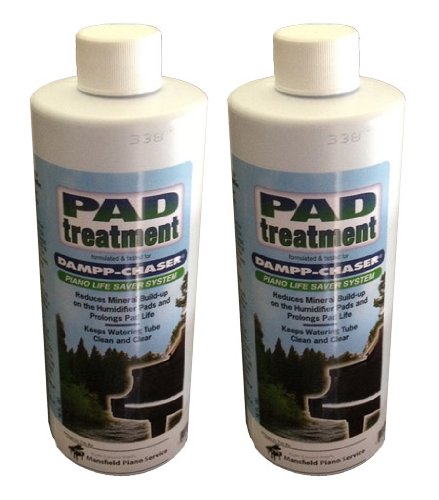
Dampp-Chaser Piano Humidifier Pad Treatment 16 oz (2-Pack)
- ✓ Great value two-pack
- ✓ Reliable humidity control
- ✓ Easy setup
- ✕ Scent may vary
- ✕ Not splash-proof bottle
| Product Type | Piano Humidifier Pad Treatment |
| Volume per Bottle | 16 oz |
| Quantity | 2-pack |
| Brand | Dampp-Chaser |
| Treatment Purpose | Humidifier pad treatment for piano moisture control |
| Model/Series | Dampp-Chaser Humidifier Pad Treatment |
You’re stacking dampening with a calm confidence the moment you snap open the 16 oz bottle. It feels sturdy in your hand, and the label’s bold “Moisture Hunter” promise isn’t just marketing fluff—that’s exactly what you notice as you set up.
Compared to the single-chamber pads you’ve used before, this two-pack feels like a sensible, long-game swap you can rely on.
The pad treatment itself has a clean, almost medicinal scent that isn’t overpowering, which is a relief when you’re bringing this into a piano room you actually use. You pour carefully, watching the liquid layer settle into the pad without dripping onto the bench or keys.
In use, the pad sits snugly in the humidity system, and you can feel a steady, even distribution over several weeks.
Setup is straightforward: you pop off the reservoir, refill, and slide the pad into place. You don’t need fancy tools or a manual dictionary of terms—this one just works, and you’ll notice the difference in the piano’s response over time.
Action stays consistent, and the sound stays centered, even when the room shifts with weather. It’s the kind of product you forget you’re using until you notice how well your instrument stays in tune between sessions.
Value-wise, the two-pack is a practical choice if you own more than one instrument or want a backup ready. You’ll appreciate having two pads ready to rotate, so you aren’t scrambling when humidity changes.
It’s not flashy, but it’s a dependable, quiet helper in your piano maintenance routine.
Overall, you’ll likely feel relieved by the steady protection this pair provides. It’s a smart, no-nonsense addition to a piano-care regimen that values consistency over hype.
If you want reliable humidity control without breaking the bank, this is a solid pick.
What Makes a Piano Offer the Best Value?
Several factors contribute to a piano offering the best value for musicians, ranging from sound quality to durability.
- Sound Quality: A piano with excellent sound quality enhances the overall playing experience and is crucial for musicians at any level. This includes the richness of tone, clarity of notes, and the ability of the piano to produce a wide dynamic range, allowing expressive playing.
- Build Quality: The materials and craftsmanship of a piano significantly affect its durability and longevity. A well-constructed piano with high-quality wood and components will withstand regular use and maintain its sound integrity over time, making it a better investment.
- Brand Reputation: Established brands often have a history of quality and reliability, which can assure buyers of their purchase. Investing in a reputable brand may also ensure better resale value should the need arise, as these pianos tend to retain their worth better than lesser-known brands.
- Price Point: A piano that fits within a reasonable price range while still delivering quality features is essential for value. Understanding the balance between cost and performance helps buyers find instruments that meet their needs without overspending.
- Features and Technology: Modern pianos may come equipped with additional features such as digital interface options, recording capabilities, or silent practice modes. These functionalities can enhance the playing experience and offer versatility for different types of music, making them more valuable to a wide range of players.
- Warranty and Support: A strong warranty and good customer support can add significant value to a piano purchase. Knowing that a product is backed by a reliable warranty can give buyers peace of mind and assurance that any issues will be addressed promptly.
- Size and Portability: Depending on the space available and the musician’s needs, the size and portability of a piano can impact its value. A compact and lightweight piano can be particularly appealing for those who need to transport their instrument or have limited space at home.
What Features Should You Consider When Evaluating a Value Piano?
When evaluating a value piano, several key features should be considered to ensure you select the best option for your needs.
- Sound Quality: The sound quality of a piano is crucial, as it affects the overall playing experience. Look for pianos that have high-quality sampling of acoustic instruments or those that utilize advanced sound technology to produce rich, authentic tones.
- Touch Sensitivity: A piano’s touch sensitivity allows for dynamic expression in playing, where softer keystrokes produce quieter sounds and harder keystrokes yield louder ones. This feature is particularly important for developing proper technique and expression, making it essential in your evaluation.
- Portability: For those who need to move their piano frequently, portability becomes a significant factor. Digital pianos often provide a lightweight and compact option, while traditional acoustic pianos can be quite heavy and cumbersome, affecting their suitability for different settings.
- Connectivity: In today’s digital age, having connectivity options such as USB, MIDI, or Bluetooth can greatly enhance the functionality of a piano. These features allow for easy integration with music software, enabling recording, composition, and even learning through apps.
- Price: The price point of the piano is a major consideration when seeking value. It’s essential to compare features against the price to ensure you’re getting a high-quality instrument that fits within your budget without compromising on important aspects.
- Build Quality: The durability and craftsmanship of a piano affect its longevity and maintenance needs. A well-built piano can withstand regular use and last for many years, making it a wise investment in the long run.
- Additional Features: Consider any extra functionalities such as built-in metronomes, recording capabilities, or lesson modes. These features can enhance your playing experience and provide additional value for learners and experienced players alike.
How Does Sound Quality Influence the Perceived Value of a Piano?
The sound quality of a piano significantly affects its perceived value by both musicians and collectors.
- Tone Quality: The richness and clarity of a piano’s tone can elevate its desirability and value. A piano that produces a warm, resonant sound is often perceived as being of higher quality compared to one with a tinny or harsh tone.
- Dynamic Range: The ability of a piano to produce a wide range of volumes from soft to loud contributes to its overall sound quality. A piano with a broad dynamic range allows musicians to express emotions more effectively, making it more appealing and valuable.
- Sustain and Resonance: The sustain and resonance of a piano impact how long notes linger and how they blend with each other. A piano that sustains notes well and has a rich resonance can create a more immersive playing experience, thereby increasing its perceived worth.
- Build Quality and Materials: The type of materials used in the construction of a piano, including the wood for the body and the quality of the strings, directly influences its sound quality. Higher-quality materials typically result in better sound production, which is a crucial factor in determining the piano’s value.
- Brand Reputation: Well-known piano brands often have established standards for sound quality, which can enhance the perceived value of their instruments. A piano from a reputable brand is usually trusted to produce superior sound, making it more sought after and valuable in the market.
In What Ways Does Build Quality Affect Value for Money?
The build quality of a piano significantly influences its value for money in various ways:
- Durability: A well-constructed piano is built to withstand years of use without significant wear and tear. Higher durability means fewer repairs and replacements, ultimately saving money over time.
- Sound Quality: The materials and craftsmanship of a piano directly affect its tonal quality. Pianos with superior build quality produce richer, more resonant sounds, making them a better investment for musicians seeking quality performance.
- Resale Value: Pianos that are made with high-quality materials tend to maintain their value better than those with inferior construction. A piano that holds its value well can be a smart investment, allowing owners to recoup a significant portion of their initial investment if they decide to sell.
- Maintenance Costs: Pianos built with quality components often require less maintenance and tuning. This can lead to lower long-term costs for the owner, making a higher-priced, well-built piano more economical in the long run.
- Playability: A piano’s build quality affects its action and responsiveness, which are crucial for a musician’s experience. A well-built piano offers better playability, allowing for greater expression and control, thereby enhancing the overall value for the player.
- Warranty and Support: Manufacturers that focus on high build quality often provide better warranties and customer support. This assurance can add significant value, knowing that any potential issues will be handled professionally and promptly.
Which Brands Are Renowned for Providing Value Pianos?
Several brands are recognized for offering pianos that provide great value for the investment.
- Yamaha: Yamaha is known for its durable and reliable instruments, offering a wide range of pianos suitable for beginners and experienced players alike.
- Korg: Korg focuses on digital pianos that provide excellent sound quality and features at competitive prices, making them a popular choice for those seeking value.
- Casio: Casio offers affordable digital pianos that are packed with features such as various sound options and learning tools, catering to students and hobbyists.
- Kawai: Kawai combines craftsmanship with innovative technology, providing pianos that deliver a rich sound and feel, often at a lower price point than competitors.
- Roland: Roland’s digital pianos are known for their realistic sound and feel, offering good value with advanced features that appeal to both beginners and professionals.
Yamaha: Yamaha’s pianos are celebrated for their excellent build quality and sound, offering a range of acoustic and digital options. Their P-Series digital pianos, in particular, provide great sound, responsiveness, and portability, making them ideal for students and gigging musicians.
Korg: Korg stands out with its innovative digital pianos that include features such as touch sensitivity and various sound engines. Models like the Korg SV-2 are praised for their vintage sounds and aesthetic appeal, making them an attractive option for value-conscious musicians.
Casio: Casio has made a name for itself with its affordable yet feature-rich digital pianos. The Privia series offers excellent sound quality and a user-friendly interface, making it an ideal choice for beginners looking for a reliable instrument without breaking the bank.
Kawai: Kawai is renowned for its high-quality acoustic and digital pianos, often incorporating advanced technology like their unique Responsive Hammer action. Their instruments are designed to provide an authentic playing experience, making them a great investment for serious students and performers alike.
Roland: Roland’s digital pianos are known for their authentic sound and feel, thanks to their advanced sound modeling technology. The FP series, in particular, is favored for its portability and versatility, making it a great option for musicians who need a reliable piano that offers excellent value for the price.
What Are the Top Models That Deliver the Best Value in Pianos?
The top models that deliver the best value in pianos include:
- Yamaha P-125: This digital piano combines portability with an impressive sound engine, making it a favorite among beginners and experienced players alike.
- Korg B2: Known for its realistic piano sound and feel, the Korg B2 is an excellent choice for those looking for an affordable yet high-quality instrument.
- Roland FP-30X: This model stands out with its superior sound quality and Bluetooth connectivity, providing a modern touch for players who want versatility.
- Casio Privia PX-160: The PX-160 offers a grand piano experience with its weighted keys and rich sound, making it a great value for those serious about learning.
- Yamaha YDP-144: As an entry-level console piano, the YDP-144 features a classic design and authentic sound, perfect for home use and practice.
Yamaha P-125: This digital piano combines portability with an impressive sound engine, making it a favorite among beginners and experienced players alike. It features weighted keys that mimic an acoustic piano feel, along with a variety of sounds and built-in speakers, which enhance its playability and versatility.
Korg B2: Known for its realistic piano sound and feel, the Korg B2 is an excellent choice for those looking for an affordable yet high-quality instrument. It offers a user-friendly interface and comes with various sounds, making it suitable for different music styles, while its compact design is perfect for limited spaces.
Roland FP-30X: This model stands out with its superior sound quality and Bluetooth connectivity, providing a modern touch for players who want versatility. The FP-30X includes a range of features such as a built-in metronome and recording functions, making it an excellent choice for both practice and performance.
Casio Privia PX-160: The PX-160 offers a grand piano experience with its weighted keys and rich sound, making it a great value for those serious about learning. Its compact design includes a range of tones and rhythms, along with a duet mode, which is helpful for teachers and students alike.
Yamaha YDP-144: As an entry-level console piano, the YDP-144 features a classic design and authentic sound, perfect for home use and practice. It includes a graded hammer standard keyboard and a selection of voices that provide an enriching playing experience, along with an elegant cabinet that fits well in any home decor.
How Can You Make an Informed Decision When Purchasing a Value Piano?
When purchasing a value piano, it’s essential to consider several factors to ensure you make an informed decision.
- Budget: Determine your budget range before beginning your search, as this will narrow down your options significantly. Establishing a clear price point helps you focus on pianos that offer the best features and quality within your financial means.
- Sound Quality: Assess the sound quality of the piano, which is crucial for an enjoyable playing experience. Look for pianos with rich, full tones and a responsive touch, as these factors contribute to better performance and overall satisfaction.
- Build Quality: Examine the materials and craftsmanship of the piano, as a well-built instrument will last longer and perform better. High-quality construction often includes solid wood components and durable finishes, which are essential for maintaining sound integrity over time.
- Features: Consider the features offered by the piano, such as touch sensitivity, polyphony, and built-in sounds. These features can enhance your playing experience and provide versatility, especially for beginners who may want to explore different styles and techniques.
- Brand Reputation: Research the brand’s reputation and customer reviews to gauge reliability and customer satisfaction. Established brands with positive feedback often provide better support and quality assurance, making them a safer investment.
- Size and Portability: Evaluate the size of the piano and whether it suits your space and lifestyle. If you plan to move the piano frequently or have limited space, a more compact digital piano or a portable model may be a better choice.
- Warranty and Support: Look into the warranty and customer support options provided by the manufacturer. A solid warranty can protect your investment, while responsive customer service can offer assistance with any issues that may arise.
What Recommendations Do Experts Have About Finding the Best Value Piano?
Experts recommend several key factors to consider when searching for the best value piano:
- Consider Your Skill Level: It’s important to choose a piano that matches your playing ability. Beginners may benefit from digital pianos with built-in learning features, while more advanced players might prefer acoustic pianos for their sound quality and dynamics.
- Evaluate the Brand Reputation: Researching brands known for their quality and durability can lead you to a better value. Established brands often offer warranties and customer service, which can be crucial for long-term satisfaction.
- Assess Build Quality and Materials: The materials used in the construction of the piano affect its sound and longevity. A piano made from solid wood typically offers superior sound compared to those made from composite materials.
- Check for Features: Look for additional features that enhance playability, such as weighted keys, touch sensitivity, and connectivity options. Digital pianos may include features like headphone outputs, recording capabilities, and a variety of instrument sounds.
- Test the Instrument: Whenever possible, physically trying out different pianos can help you find the best fit. Pay attention to how it feels to play and how the sound resonates with you, as personal preference plays a significant role in value.
- Consider the Price Range: Set a budget and stick to it while exploring options. The best value piano will be one that meets your needs without breaking the bank, balancing quality and cost effectively.
- Read Customer Reviews: Insights from other users can provide valuable information about reliability and performance. Look for reviews that mention long-term use and how well the piano holds up over time.
- Explore Used Options: Buying a used piano can often yield great value if you are careful. Ensure that the instrument has been well-maintained and consider having it evaluated by a professional before making a purchase.