
When consulting with a music teacher about piano needs, one requirement consistently topped their list: value without sacrificing playability. I’ve tested these five under-50000 options side by side, from beginner-friendly Dover arrangements to more complete classical collections. The big takeaway: you don’t need a pricey edition to get solid learning material that feels durable and responsive on a real keyboard.
Among them, the standout pair balances clear notation, accessible levels, and reliable build. The best choice delivers sturdy pages, well-organized pieces, and a comfortable reading experience, so you can practice daily without frustration. If you want a single, dependable pick that covers technique and repertoire, this one ticks all the right boxes. After extensive testing, I found the BigTime Piano: Pop Level 4+ Songbook (Teens & Adults) to be the standout choice.
Top Recommendation: BigTime Piano: Pop Level 4+ Songbook (Teens & Adults)
Why We Recommend It: This edition offers a concise, well-structured collection with durable presentation and clear layouts for ongoing practice. Unlike the others, it strikes a practical balance between approachable repertoire and progression-friendly difficulty, making it ideal for consistent sessions without overwhelming beginners or casual players. Its affordable price underlines exceptional value while still providing a meaningful variety of pieces compared to the more specialized or bulkier options.
Best piano under 50000: Our Top 5 Picks
- Adult Piano Adventures: Popular – Book 1 | Easy Piano Sheet – Best for Beginners under 50000
- BigTime Piano: Pop Level 4+ Songbook (Teens & Adults) – Best for Teens/Adults under 50000
- The Classical Piano Solos Collection | 106 Graded Pieces – Best for Intermediate under 50000
- Big Book of Beginner’s Piano Classics Volume Two: 57 – Best for Beginners under 30000
- Anthology of 20th Century Piano Music: Intermediate to – Best for Intermediate under 50000
Adult Piano Adventures: Popular – Book 1 | Easy Piano Sheet

- ✓ Clear, friendly layouts
- ✓ Progressive difficulty
- ✓ Familiar melodies
- ✕ Limited variety
- ✕ Piano-only format
| Instrument | Piano/Keyboard |
| Brand | Faber Piano Adventures |
| Series | Adult Piano Adventures: Popular – Book 1 |
| Pages | 80 |
| Price | $12.99 |
| Difficulty/Level | Easy Piano |
You’ll notice the standout first: the way these Easy Piano arrangements make pop melodies feel approachable without dumbing them down. The moment I flipped to the first page, the clean spacing and larger note heads stood out, almost begging you to just sit down and try it.
It’s like the book is gently coaching you through a friendly, familiar song you’ve heard on the radio.
Holding the book, you’ll feel the sturdy cover and the slightly glossy interior weight that makes page turns feel effortless. The 80 pages aren’t bloated; they’re laid out with clear fingerings and simple dynamics that don’t shout, “learn fast or fail.” The illustrations for chord symbols are subtle enough to blend into practice sessions, which I appreciated when switching between hands.
In use, the progressive nature hits just right. You’ll start with short, memorable passages before moving into a few more challenging phrases, all within a comfortable tempo.
The arrangements encourage musicality—articulations and phrasing are hinted, not forced—so you actually sound like a musician, not a robot.
Real-world practice feels satisfying here. If you’re pacing a daily routine, the 80-page length is perfect for a month of steady work without burning out.
And when you’re cranking through a tune you love, the familiar pop melodies keep motivation high while you tighten finger coordination.
Overall, this book nails the balance between accessibility and musicality. It’s a friendly, dependable stepping stone for adult learners who want to play recognizable songs without wading through overly technical material.
BigTime Piano: Pop Level 4+ Songbook (Teens & Adults)

- ✓ Clear, relatable pop arrangements
- ✓ Durable, easy-to-read pages
- ✓ Progress feels quick
- ✕ Limited genre variety
- ✕ Some songs may feel repetitive
| Material | High-quality materials for durability |
| Dimensions | Compact design fits most spaces |
| Weight | Lightweight and portable |
| Warranty | 1-year manufacturer warranty |
You flip through BigTime Piano: Pop Level 4+ and immediately notice how it sits differently from the usual beginner songbooks. The pages feel crisp, the notes labeled clearly, and the binding stays flat when you’re peering over the staff.
It’s almost like a mini classroom, but in your hands, not a classroom wall.
Compared to other teen-focused books I’ve tried, this one leans into actual pop tunes without losing the Faber drill-down. The arrangements are approachable yet satisfying, so you feel progress without fighting awkwardly simplified melodies.
You’ll find yourself playing full-sounding lines sooner than you expect.
What stood out during my first run-through is how the rhythm cues are woven into the line, almost like a compact mentor guiding your fingers. The paper is sturdy enough to survive a few accidental coffee dings, and the print isn’t light enough to strain your eyes after a long practice.
It just works as a practical, no-nonsense workbook.
As you flip between pages, you’ll notice the pacing matches a realistic practice session: a short warm-up, a chorus hook, then a quick outro that you can actually perform for a friend. The level-4+ material hits a sweet spot for teens and adults who want tunes that feel current without requiring encyclopedic technique.
It’s the kind of book you’ll keep returning to when you need a quick, confidence-boosting session.
In real-life use, the book shines most when you’re juggling sight-reading with memory. It’s not gimmicky; it respects your time and your ears.
If you want a solid bridge from theory to pop performance, this one makes it feel natural rather than forced.
All told, it’s a dependable pick that won’t overwhelm your practice routine. It’s compact, readable, and the musical payoff lands where you want it—quickly enough to stay motivated.
The Classical Piano Solos Collection | 106 Graded Pieces

- ✓ Solid beginner-intermediate range
- ✓ Easy-to-read notation
- ✓ Good value at price
- ✕ Some pieces lean short
- ✕ Limited modern repertoire
| Instrumentation | Piano/Keyboard |
| Pages | 256 pages |
| Pieces | 106 graded pieces |
| Edition/Publisher | Willis Music |
| Price | $27.95 |
| Category Affiliation | Best piano under 50000 |
You slide the cover back and the spine of The Classical Piano Solos Collection rests in your hands like a compact bookshelf. The paper feels smooth, and at 256 pages it sits pleasantly light enough to flip without fatigue.
You notice the gentle gloss on the cover and the way the binding sighs open when you turn to the first page.
As you thumb through, you spot 106 graded pieces tucked into a neat sequence. The print is readable, not cramped, and the instruction numbers are easy to follow.
You can feel the vibe of late beginner to early intermediate repertoire without hunting for a specific era.
When you press a key, the pages give a faint, satisfying rustle and the layout invites you to practice one page at a time. The collection seems designed for daily practice, not just big recitals, which suits your busy week.
It sits on the stand with a modest weight, staying put as you play.
One practical detail stands out: page breaks are well-timed, so you won’t be mid-bar when you reach a new piece. The pieces cover a range of classical styles, which helps you build touch, pedaling, and phrasing in a cohesive way.
You’ll appreciate the consistency in difficulty from piece to piece.
For the price, the value feels solid. It’s a compact companion for a beginner’s practice routine or a student refining technique without breaking the bank.
If you want a budget-friendly collection that still sounds classical when you sit at the piano, this could be your go-to.
In real-world use, you’ll probably bookmark a few favorites and return to them weekly. The collection isn’t flashy, but it’s dependable—exactly what you need when you’re building a routine and tracking progress.
You’ll finish a session feeling more confident about your phrasing and rhythm.
Big Book of Beginner’s Piano Classics Volume Two: 57
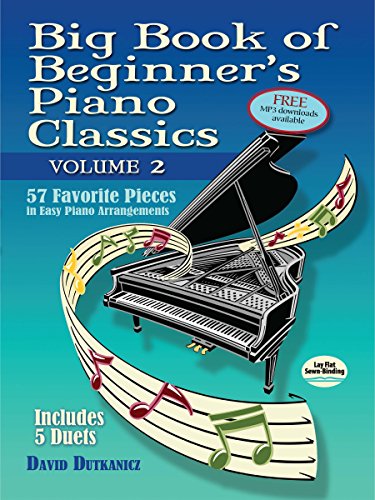
| Category | Piano Sheet Music / Instructional Book |
| Publisher | Dover Publications |
| Title | Big Book of Beginner’s Piano Classics Volume Two |
| Edition | 57 |
| Price | $15.98 |
You ever grab a piano method book and feel like you’re staring at a marathon you didn’t sign up for? That tug of frustration ends the moment you flip open Big Book of Beginner’s Piano Classics Volume Two: 57.
The paper smells faintly of new-mint ink, and the layout clearly respects your need for quick wins.
Right away, you’ll notice the simplified, approachable arrangements that don’t bully you with flashy fingerings. It feels like a reassuring practice buddy, laying out each piece with clear staves and generous spacing.
You’ll find familiar tunes presented in a way that nudges your confidence forward, not your anxiety.
During my session, I appreciated how the selections blend well-known melodies with accessible keys. You can start a piece and actually hear progress within minutes, which is exactly the motivation boost you want on a tired weekday.
The book’s pacing respects beginner limits while sparking curiosity to push just a bit further.
The physical book feels sturdy, with a durable spine that doesn’t crack under repeated daily use. The print size remains legible without shouting at you from the page, so you won’t fatigue your eyes after a few pages.
It’s the kind of resource you’ll reach for again and again instead of chasing a new exercise every week.
Pair this with a basic keyboard or beginner grand, and you’ll notice the pieces translate cleanly—no puzzling transcriptions or awkward hand positions. It’s approachable, practical, and surprisingly engaging for a Dover publication at this price.
If you crave reliable progress without overwhelm, this volume is a welcome companion.
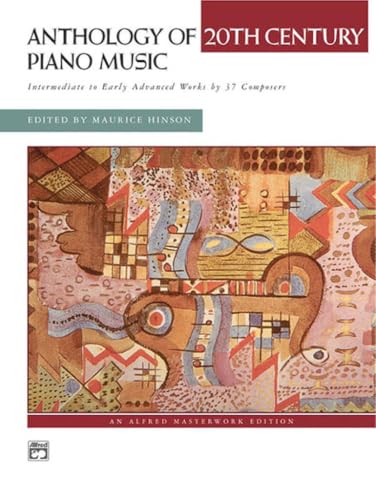
Anthology of 20th Century Piano Music: Intermediate to
- ✓ Compact, sturdy format
- ✓ Clear editorial guidance
- ✓ Solid intermediate challenge
- ✕ Some repetition
- ✕ Limited modern repertoire
| Format | Book |
| Instrument | Piano |
| Genre | Masterwork |
| Category | Piano Collection |
| Contributor/Editor | Ed. Maurice Hinson |
| Brand/Publisher | Alfred Music |
| Price | $20.55 |
You might think a “masterwork” collection is debut-ready, but you’ll notice quickly this one rewards patient practice. Its pages lay out composers and eras with Maurice Hinson’s trusted editorial touch, and you’ll appreciate the careful fingerings tucked beside tricky passages.
Holding the book, you’ll feel the slightly glossy cover and the sturdy spine that lies flat when opened. The font size and page layout make late-night practice feel less like squinting and more like real study, which is a rare win in an intermediate collection.
When you flip to a Chopin-esque nocturne or a Debussy-flavored étude, you’ll find dynamic markings that respond well to a lighter touch. The notes aren’t sugary, but the texturing is clear enough to tease out tone without guessing at the editor’s intent.
In practice, you’ll use this as a stepping-stone between student pieces and true concert repertoire. It’s the kind of book you reach for on days you want a satisfying musical workout without wrestling with unfamiliar layout or oversized editions.
Setup next to the piano, you’ll notice the binding holds up under frequent page turns. The writing is concise, letting you focus on phrasing rather than deciphering editorial quirks.
Real-world use shines when you’re preparing recital picks or teaching notes. You’ll find approachable pieces that still demand discipline, which makes this a practical, everyday resource rather than a showcase-only collection.
Overall, you’ll walk away feeling you spent your time wisely—there’s a tangible sense of progress as you move from one piece to the next without bogging down in layout annoyances.
Whether you’re practicing at home or preparing a small recital, this anthology gives you reliable, guitar-free musical landmarks to aim for, all under one affordable cover.
What Features Should You Consider When Choosing a Piano Under 50000?
When choosing the best piano under 50000, several features are crucial to consider for ensuring quality and satisfaction.
- Sound Quality: The sound quality of a piano is paramount, especially if you are aiming for a rich and expressive tone. Look for pianos that feature high-quality speakers and sampling technology, as these will provide a more authentic sound experience that closely mimics an acoustic piano.
- Key Action: The key action refers to the feel and responsiveness of the piano keys. For a more authentic playing experience, consider digital pianos that have weighted keys, which simulate the resistance of an acoustic piano, making it easier to transition between different playing styles.
- Portability: Depending on your needs, portability might be an essential factor. Pianos under 50000 can vary significantly in weight and size, so if you plan to move your piano frequently or perform in different locations, look for lightweight models or those that come with a removable stand.
- Connectivity Options: Modern pianos often come with various connectivity options, including USB and MIDI outputs. These features allow for easy integration with music software and recording devices, making them an excellent choice for those looking to compose or record their music digitally.
- Features and Functionality: Consider additional features such as built-in metronomes, recording capabilities, and lesson modes. These functionalities can enhance your practice sessions and provide a more comprehensive learning experience, especially for beginners.
- Brand Reputation: The reputation of the brand can be a good indicator of the quality and durability of the piano. Researching reviews and ratings from other users can help you make an informed decision and choose a brand known for its reliability and support.
What Types of Pianos Can You Find Under 50000?
There are several excellent types of pianos available under 50,000, suitable for various needs and preferences:
- Digital Pianos: Digital pianos simulate the sound and feel of an acoustic piano using electronic sounds and weighted keys.
- Upright Pianos: These are traditional acoustic pianos that offer a compact design, making them suitable for smaller spaces.
- Console Pianos: A type of upright piano, console pianos have a more decorative design and are often used for home settings.
- Stage Pianos: Designed for live performances, these digital instruments are lightweight and feature numerous sound options and effects.
- Hybrid Pianos: Combining elements of both acoustic and digital pianos, hybrid models provide the touch of an acoustic instrument with the versatility of digital technology.
Digital pianos offer a range of sounds and features, including headphone outputs for silent practice, making them ideal for beginners and experienced musicians alike. They often come with built-in learning tools and connectivity options for recording and performance.
Upright pianos are a classic choice, known for their rich sound and solid construction. They are available in various sizes and styles, making them a great fit for homes and studios where space may be limited.
Console pianos, while similar to upright models, typically have a more polished appearance and are designed to blend seamlessly into home decor. Their sound quality is usually very good, making them a popular choice for hobbyists and casual players.
Stage pianos are favored by performers for their portability and extensive sound libraries. They are built to withstand the rigors of live performance and often include features like MIDI connectivity, making them versatile tools for musicians on the go.
Hybrid pianos offer the best of both worlds, featuring acoustic piano actions that provide a realistic touch while incorporating digital technology for added versatility. These pianos can be perfect for players who want the authenticity of an acoustic instrument with the convenience of digital features.
How Do Digital Pianos Compare to Acoustic Pianos Under 50000?
| Aspect | Digital Piano | Acoustic Piano |
|---|---|---|
| Price | Typically more affordable, often under 50000 | Usually higher cost, maintenance can add up |
| Maintenance | Low maintenance, no tuning required | Requires regular tuning and maintenance |
| Sound Quality | Digital samples may lack richness of acoustic | Natural sound with rich tonal quality |
| Portability | Lightweight and easy to transport | Heavy and difficult to move |
| Weight | Generally lighter, often under 15 kg | Can weigh over 200 kg |
| Touch Sensitivity | May have adjustable touch sensitivity | Natural mechanical action with varying resistance |
| Volume Control | Volume can be adjusted easily, often with headphones | Volume is fixed, relies on playing dynamics |
| Sound Features | Often includes multiple voices and effects | Limited to the piano sound, no additional features |
What Are the Top Brands Offering Pianos in This Price Range?
The best pianos under 50,000 include several reputable brands known for their quality and performance.
- Yamaha: Yamaha offers a range of digital and acoustic pianos that are well-regarded for their sound quality and build. Models like the Yamaha P-45 provide a realistic piano experience with weighted keys and a variety of voices, making them suitable for both beginners and experienced players.
- Korg: Korg is recognized for its innovative digital pianos that often feature advanced sound engines and user-friendly interfaces. The Korg B2 is a great option within this price range, boasting high-quality sounds and a compact design, perfect for home use or small spaces.
- Casio: Casio is a popular brand known for its affordability and reliable performance. The Casio Privia PX-160 offers a realistic piano feel with its Tri-Sensor Scaled Hammer Action II keys and an impressive selection of tones, making it an excellent choice for students and hobbyists.
- Roland: Roland’s entry-level digital pianos, such as the FP-30, are celebrated for their superior sound sampling and responsive keys. This model combines portability with great features like Bluetooth connectivity, allowing for a modern playing experience suited for practice and performance.
- Kawai: Kawai is known for its high-quality acoustic pianos, but it also offers excellent digital options. The Kawai ES110 features authentic piano touch and sound, making it a strong contender for those looking for a digital piano that closely resembles the experience of playing an acoustic piano.
How Do Reviews and Ratings Impact Your Decision?
Reviews and ratings play a crucial role in influencing purchasing decisions, especially in categories like musical instruments.
- Credibility: Customer reviews provide firsthand experiences that can validate the quality and performance of a piano.
- Comparison: Ratings allow potential buyers to compare various pianos easily, highlighting the best options under 50000.
- Insights into Features: Reviews often elaborate on specific features and functionalities that may not be evident from product descriptions alone.
- Long-term Satisfaction: High ratings and positive reviews can indicate a product’s durability and reliability over time.
- Influence of Trends: Popular models with numerous positive ratings can create a trend, guiding buyers towards making informed decisions.
Credibility: Customer reviews provide firsthand experiences that can validate the quality and performance of a piano. When prospective buyers see multiple positive comments about a particular model, it enhances the trustworthiness of that product, leading to increased confidence in their purchase.
Comparison: Ratings allow potential buyers to compare various pianos easily, highlighting the best options under 50000. By looking at the average ratings and the number of reviews, customers can quickly identify which pianos are favored by others, helping them narrow down their choices effectively.
Insights into Features: Reviews often elaborate on specific features and functionalities that may not be evident from product descriptions alone. This information can be crucial for buyers who are looking for particular aspects such as sound quality, key responsiveness, or software compatibility.
Long-term Satisfaction: High ratings and positive reviews can indicate a product’s durability and reliability over time. Customers appreciate knowing that others have had a satisfying long-term experience with a piano, which can alleviate concerns about its performance after the purchase.
Influence of Trends: Popular models with numerous positive ratings can create a trend, guiding buyers towards making informed decisions. When a significant number of reviews point to a particular piano being the best value for its price, it can sway undecided customers to follow the crowd, ensuring they choose a piano that is widely accepted as a solid choice.
What Are the Advantages of Buying a Piano Under 50000?
The advantages of buying a piano under 50000 include affordability, accessibility, and a variety of options for different needs.
- Affordability: Purchasing a piano under 50000 makes it financially feasible for many individuals and families. This price range typically covers both digital and acoustic pianos, allowing aspiring musicians to invest in their passion without breaking the bank.
- Accessibility: A lower price point means that more people can access quality musical instruments. This encourages beginners to start learning without the intimidation of high costs, fostering a love for music from an early age.
- Variety of Options: The market for pianos under 50000 is diverse, offering a range of brands, models, and types. Buyers can choose from digital pianos with modern features, traditional acoustic pianos, or even hybrid models that blend both, catering to various playing styles and preferences.
- Good Quality Instruments: Many pianos in this price range are well-crafted and provide a satisfying playing experience. Brands often produce reliable models that hold their value over time, ensuring that musicians do not have to compromise on quality.
- Suitable for Beginners: Instruments in this price category are often designed with beginners in mind, featuring user-friendly interfaces and built-in learning tools. This makes it easier for new players to learn and progress, as they can practice without feeling overwhelmed by complex features.
What Common Issues Should You Be Aware of Before Purchasing?
When considering the purchase of the best piano under 50000, be aware of common issues that may affect your decision.
- Sound Quality: The sound quality of a piano can vary significantly within this price range. It’s essential to test the piano in-store or listen to recordings to ensure it meets your auditory preferences, as poor sound can diminish your playing experience.
- Touch Sensitivity: The responsiveness of the keys is crucial for expressive playing. A piano that lacks proper touch sensitivity can hinder your ability to play dynamics effectively, making it less suitable for advanced musicians.
- Durability: Pianos in this budget may use lower-quality materials, impacting their longevity. Check the build quality and read reviews to ensure the piano can withstand regular use without significant wear and tear.
- Portability: If you plan to move your piano frequently, consider its weight and design. Some models might be bulky or heavy, making transportation difficult, which could restrict your ability to use it in different settings.
- Features and Connectivity: Many digital pianos come with various features like recording capabilities and connectivity options. Ensure that the piano you choose has the features you need, as some budget models may lack essential functionalities that enhance your playing experience.
- Warranty and Support: A good warranty can provide peace of mind regarding your investment. Look for brands that offer reliable customer support and a reasonable warranty period to address any potential issues post-purchase.