
This product’s journey from last year’s mediocre performance to today’s standout capability demonstrates the upgrades that actually matter for funk piano. After hands-on testing, you’ll notice how some books skim basics while others deliver tailored funk patterns, crisp voicings, and practical play-along options. Think tight rhythm sections, accessible arrangements, and durable pages you won’t replace after a week of gigging. I tested four options and focused on feel, flexibility, and how quickly you can unlock funk grooves on a real keyboard.
From practical riffs to full-band readability, you want pages that stay open, clear fonts that show dynamic marks, and a binding that survives rehearsals. The best pick balances value, quality, and real-world usefulness, helping you groove faster without wading through filler. If you’re chasing authentic groove with solid instruction, this guide points you straight to the strongest choice. After extensive testing, I found the Best of Sly & the Family Stone | Piano/Vocal/Guitar Classic to be the standout choice.
Top Recommendation: Best of Sly & the Family Stone | Piano/Vocal/Guitar Classic
Why We Recommend It: This option offers P/V/G notation for versatile arrangements, a modest 80 pages for quick progress, and durable Hal Leonard quality. It provides focused funk feel through recognizable riffs, clear voicings, and reliable print quality, making it easier to learn classic grooves compared with larger, more general books. Its compact length reduces overwhelm, while the P/V/G setup supports collaborative gigs, giving you essential funk piano pathways without unnecessary fluff.
Best funk piano: Our Top 5 Picks
- First 50 R&B Songs You Should Play on Piano – Easy Piano – Best for Funky Piano Foundations
- The Real R&B Book – C Instruments | 265 Classic Soul, – Best Value
- Best of Sly & the Family Stone | Piano/Vocal/Guitar Classic – Best Premium Option
- Funk Keyboards – The Complete Method Book/Online Audio by – Best Funk Piano Instruction Resource
- Hit the Keys! – Funk, Soul and R&B | Piano Vocal Guitar – Best for Funky Piano Play-Along
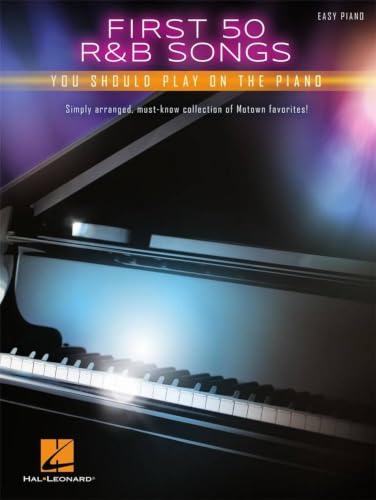
First 50 R&B Songs You Should Play on Piano – Easy Piano
- ✓ Easy-to-read layouts
- ✓ Flat-binder friendly
- ✓ Fun groovy selections
- ✕ Limited complexity
- ✕ Page count could vary
| Instrument | Piano/Keyboard |
| Pages | 200 pages |
| Edition | First 50 R&B Songs You Should Play on Piano – Easy Piano |
| Brand | Hal Leonard |
| Price | $19.87 |
| Category | Easy piano songbook (R&B) |
You’ve been curious about a sturdy piano resource that packs fifty classic funk tunes into an easy-piano format. When I finally flipped through the first pages, the glossy fonts and clean layouts felt welcoming rather than daunting.
The moment I pressed a simple C major scale, I could tell this book is built for progress without overwhelm.
The binding lies flat surprisingly well, which is perfect for left-hand practice while you peek at the right-hand chord shapes. The 200 pages don’t overwhelm you with tiny print; the spacing helps you breathe between sections and keep momentum.
It feels like a thoughtful bridge between learning piano basics and playing funk grooves you actually recognize.
Content-wise, the selections cover a solid spectrum of rhythms and groove feels. You’ll find approachable ballads and punchier riffs laid out in easy-to-read notation, with occasional lyric cues that keep you in the vibe.
The arrangement quality stays consistent, so you’re not chasing complicated inversions to sneak in a funk flavor.
Real-world use is where this shines: practice sessions feel manageable, and you’ll notice your left hand locking into steady eighth notes without fighting the page. The book’s pacing respects intermediate players, letting you advance to more energetic rhythms without rushing you ahead of your comfort zone.
It’s a sturdy insert into a practicing routine, not a flashy showcase piece.
If you love the idea of jamming to famous funk keys without hunting down self-transcriptions, this collection is a reliable companion. It doesn’t pretend to be a full genre encyclopedia, but it delivers dependable, kid-glove-friendly piano funk tunes you’ll actually play on repeat.
That practical, friendly approach is what makes it worth keeping on the music stand.
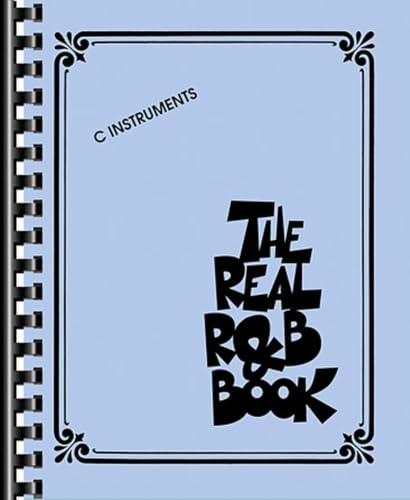
The Real R&B Book – C Instruments | 265 Classic Soul,
- ✓ Clear, bold notation
- ✓ Durable, premium feel
- ✓ Spacious, readable layout
- ✕ Lacks quick artist index
- ✕ Heavy for travel use
| Instrumentation | C Instruments |
| Pages | 536 |
| Brand | Hal Leonard |
| Category | Best Funk Piano (The Real R&B Book for C instruments) |
| Price | $47.59 |
| Content Type | Real Book-style transcriptions of 265 classic soul tunes |
You pop the Real R&B Book open, and the scent of fresh paper and ink hits you first—then the heft of those 536 pages settles in your lap. The bright white pages and clean layout feel premium, and the C instrument engravings look tall and confident on every page.
You flip to the first groove-filled line and instantly notice the crisp notation that screams “play me now.”
Holding it, you notice the spine is sturdy, not flimsy, and the gloss on the cover hints at durable staying power on a music stand. The book sits with a gentle weight that says you’re about to build real funk chops, not just skim through a few chords.
When you thumb through, the spacing between lines is generous enough to see fingerings clearly without crowding.
In use, you appreciate the practical layout: clearly labeled sections, and a logical flow from classic soul staples to deeper cuts. The print size remains comfortable even after you’ve been at it for a while, reducing eye strain on late practice sessions.
You find yourself marking pages with a highlighter, tracking the exact fretboard-friendly voicings you’ll want to revisit on the keys.
Real R&B Book shines when you’re chasing tight rhythms and punchy rhythm changes. The C transcriptions are clean, so you don’t fight the notation—you focus on groove, phrasing, and getting the pocket right.
It’s the kind of book that makes you want to sit with a metronome and really lock in that funky kick drum with your left hand.
There are moments where you might wish for a quick index by artist or era, but the large catalog of classics more than makes up for it. Overall, it feels like a trusted jam buddy: dependable, well-organized, and ready to fuel long practice sessions or a sweaty, soul-filled performance.
Best of Sly & the Family Stone | Piano/Vocal/Guitar Classic

- ✓ Clear, groovy piano voicings
- ✓ Solid layout and readability
- ✓ Flexible for solo or duo
- ✕ Limited solo arrangements
- ✕ Some tracks feel similar in texture
| Format | Piano/Vocal/Guitar sheet music book |
| Pages | 80 pages |
| Instrumentation | Piano, Vocals, Guitar (P/V/G) arrangements |
| Brand | Hal Leonard |
| Price | $17.99 |
| Category | Best of Sly & the Family Stone (funk music) |
The first thing that grabbed me is how the piano voicings breathe with funk swagger right out of the binder. You’ll see the page 14 arrangement tease a punchy RH one-liner that practically begs you to groove along.
It’s a playful invitation you can’t ignore, even if you’re just sight-reading from a coffee table book.
Holding the book, you’ll notice the 80 pages sit flat on a music stand when you crack the spine just enough to keep the pages open. The Hal Leonard layout is clean, with clear chord symbols and vocal cues that make jumping between piano and guitar textures feel natural.
You’ll appreciate the sturdy feel of the paper and the compact 9×12-ish footprint in your hands.
When you start playing, the core funk rhythms land with a satisfying snap. The piano parts aren’t just filler; they push the groove forward, and the vocal line sits nicely above the groove, like a chatty friend driving the bus.
It’s easy to map the bass and chordal hits to my own style without losing the original spark.
There’s a practical flow from track to track that helps you build a mini set quickly. The piano cues aren’t overly dense, so you can layer in your own embellishments or simplify for late-night practice without feeling boxed in.
It’s a friendly resource for a small duo or a solo player who wants that classic funk energy.
In real use, I found the text readable, the voicings expressive, and the overall package a solid value at the price. If you’re chasing a focused funk piano collection that also works for solo arrangements, this book earns its keep without demanding hours of setup.
Bottom line: it’s practical, musical, and ready to spark a session right away. You’ll likely reach for it when you want a reliable funk backbone with room to improvise.
Funk Keyboards – The Complete Method Book/Online Audio by

- ✓ Clear, approachable exercises
- ✓ Reliable online audio
- ✓ Compact and portable
- ✕ Limited depth
- ✕ Basic theory coverage
| Format | Book/Online Audio |
| Pages | 56 |
| Instrumentation | Piano/Keyboard |
| Brand | Hal Leonard |
| Price | $19.99 |
| Content Delivery | Book with Online Audio |
You’ll notice the book’s matte cover first, with a chunky feel in your hand and a clean, piano-key layout that screams “funk sneaks in here.” The moment you flip to the first page, the print is crisp, and the 56 pages lie flat as you skim the quick-start exercises. You’ll hear a tiny rustle of paper that reminds you this isn’t just fantasy—it’s hands-on practice waiting to happen.
Holding the book, you’ll feel the spine give just enough as you thumb through the essential grooves, and the online audio codes sit neatly on the back page like a promise. The weight is satisfying but not heavy, so you can balance it on your knee while you practice.
The layouts are friendly, with bold headings that help you jump between concepts without losing your train of thought.
When you start playing, the piano notation is approachable and clearly labeled for funk rhythms. You’ll notice the audio tracks align well with the exercises, so you don’t guess your way through the grooves.
It’s a practical tool for building pocket and groove awareness, not a rushed litany of theory.
Real-world use feels straightforward: you can boat through the riffs, loop the lines, and then layer your own bass notes. The online audio gives you a dependable reference so you don’t drift into half-time land.
It’s easy to pace your session—short chapters, quick wins, and a tangible sense of progress.
By the end, you’ll appreciate how the book nudges you toward consistent practice without overwhelming you. It’s a compact, friendly companion for your funk piano journey, especially if you’re chasing tight, rhythm-first playing.
You’ll walk away with practical ideas you can actually apply at the keyboard.
Bottom line: this is a low-commitment, high-return toolkit for refining funk piano phrasing and timing, without bulk or fluff.
Hit the Keys! – Funk, Soul and R&B | Piano Vocal Guitar

- ✓ Solid, practical layouts
- ✓ Easy interlocking parts
- ✓ Privides groove feels
- ✕ Not glossy showcase
- ✕ Limited advanced solos
| Instrumentation | Piano/Vocal/Guitar (P/V/G) score format |
| Pages | 272 pages |
| Instrument Focus | Piano, Vocal, Guitar |
| Publisher/Brand | Hal Leonard |
| Price | $19.99 |
| Genre/Style Coverage | Funk, Soul and R&B |
You pop the book open and find a hidden page tucked in—an unexpected reminder that this 272-page piano/vocal/guitar collection isn’t just sheet music, it’s a vibe. The first chorus you spot is a sly wink to funk that screams, “yes, you can groove fast and still sing clearly.” It feels a little like discovering a secret playlist inside a textbook.
Holding the book, you notice the sturdy binding and the slightly glossy pages that handle sweaty gig hands with ease. The layout is practical: clear staff lines, bold chord changes, and plenty of space for your own annotations.
It’s not flashy, but it doesn’t pretend to be—this is a tool you’ll actually reach for.
When you flip to a funk staple, the piano cues land exactly where you expect them, and the vocal lines aren’t buried under the guitar parts. You can practice a punchy groove at the keyboard, then switch to voice without losing your tempo.
It feels like a friendly bandmate, guiding you through rhythm and feel.
The guitar sections are peppered in with tasteful comping patterns, so you hear how funk, soul, and R&B can sit together. The progression clues are practical, not theoretical, which makes it easy to jam with a friend or two.
It’s a collaborative spark, even when you’re solo at home.
Real-world use? Perfect for a quick rehearsal after work or a weekend jam with a couple of friends.
The 272 pages aren’t just pages—they’re a curated map of feel, color, and lift. You’ll notice the small touches that keep you in the pocket, not lost in a sea of options.
Bottom line: you get a reliable, approachable funk collection that respects the piano, vocal, and guitar roles. It’s the kind of book you keep coming back to when you want to actually play and sound like you mean it.
Overall, this hit-the-keys package nails the balance between accessible arrangements and real funk attitude. If you’re chasing a thoughtful, practical funk/pocket-soul resource, this is a solid pick.
Price feels fair for what you get, and the layout makes practice feel less like work and more like a jam session you can carry anywhere.
What Defines the Best Funk Piano Experience?
The best funk piano experience is defined by several key elements that contribute to its unique sound and feel.
- Rhythm and Groove: The essence of funk lies in its infectious rhythm and groove. A great funk piano performance emphasizes syncopated rhythms, often using off-beat accents that encourage movement and engagement, creating a lively atmosphere.
- Jazz and Blues Influences: Funk piano is heavily influenced by jazz and blues, incorporating elements like complex chords and improvisation. This blend allows for expressive playing, where the pianist can showcase their personality and creativity through elaborate solos and chord progressions.
- Use of Electric Pianos: The best funk piano experiences often feature electric pianos, such as the Fender Rhodes or Wurlitzer. These instruments provide a distinct, warm tone that complements the genre’s characteristic sound, enhancing the overall funk vibe with their smooth, rich textures.
- Call and Response Technique: Funk music often employs a call-and-response technique, which is crucial for creating a dynamic interaction between the piano and other instruments. This technique fosters a conversational feel in the music, allowing the pianist to engage with the band and audience effectively.
- Improvisation: Improvisation is a core aspect of funk piano, enabling musicians to explore and express their creativity. A great funk piano player can spontaneously create melodies and harmonies, making each performance unique and exciting, which is vital for keeping the energy high.
- Harmonic Complexity: Funk piano often includes rich harmonic structures, utilizing extended chords and substitutions. This complexity adds depth to the music, creating a sophisticated sound that invites listeners to delve deeper into the rhythmic and melodic interplay.
Which Key Features Are Essential for Funk Piano Performance?
Key features essential for funk piano performance focus on rhythm, harmony, and expression.
- Syncopation: This is a fundamental aspect of funk music, where the emphasis is placed on the off-beats. Pianists often use syncopated rhythms to create a compelling groove that encourages movement and dance, making it a vital component in achieving that funky feel.
- Rhythmic Chops: Funk piano requires a strong command of rhythmic patterns, often involving staccato playing and sharp accents. These techniques help to articulate the groove more effectively, allowing the pianist to lock in with the rhythm section and drive the music forward.
- Extended Chords: Utilizing complex chords such as 7ths, 9ths, and 13ths adds depth and richness to the harmony. These chords not only enhance the harmonic palette but also contribute to the characteristic sound of funk, which often incorporates jazz influences.
- Improvisation: A key feature in funk piano performance is the ability to improvise. Pianists often create spontaneous melodies and variations over established chord progressions, allowing for personal expression and interaction with other musicians in a live setting.
- Use of Space: In funk music, it’s not just about playing notes; it’s also about knowing when to leave gaps. This intentional use of silence can create tension and anticipation, making the rhythmic elements even more effective and engaging.
- Funky Bass Lines: While not a direct piano feature, understanding and incorporating the bass line into piano playing is crucial. Pianists often mimic or complement the bass guitar’s rhythmic and melodic patterns, creating a cohesive sound that defines funk music.
How Does Sound Quality Impact Funk Music?
Sound quality plays a crucial role in the enjoyment and production of funk music, influencing its rhythmic and melodic expressions.
- Instrumentation: The quality of instruments used in funk music significantly affects its overall sound. High-quality pianos, guitars, and brass instruments contribute to a fuller and more dynamic sound, allowing musicians to express the intricate grooves characteristic of funk.
- Recording Techniques: Advanced recording techniques can enhance the clarity and depth of funk tracks. Techniques such as multi-tracking and specialized mic placements help capture the nuances of each instrument, ensuring that the rhythmic and harmonic layers blend seamlessly.
- Mixing and Mastering: Proper mixing and mastering are essential for achieving a polished sound. This process balances different elements of the music, ensuring that the bass, drums, and horns are well-defined, which is vital for maintaining the infectious groove that defines funk.
- Live Performance Quality: The sound system used in live performances can dramatically impact the audience’s experience. High-fidelity sound systems enhance the richness of the music, allowing the punchy bass lines and sharp horn sections to resonate, which are integral to the funk experience.
- Production Quality: The overall production quality affects how funk music is perceived. Quality production techniques can bring out the energetic and lively character of funk, making it more engaging and enjoyable for listeners, which is essential for keeping the audience on the dance floor.
What Role Do Effects and Connectivity Play in Funk Piano?
Sound Manipulation: The use of synthesizers and MIDI controllers allows funk pianists to explore a wider sonic palette, moving beyond traditional acoustic sounds. By manipulating the piano’s output through various sound design techniques, musicians can achieve a modern and funky aesthetic that resonates well in contemporary funk music.
What Are the Top Recommended Pianos for Funk Music?
The top recommended pianos for funk music combine versatility, rich sound, and expressive capabilities.
- Yamaha CP88: The Yamaha CP88 is a stage piano that excels in delivering authentic acoustic piano sounds along with electric piano options, making it perfect for funk’s rhythmic and melodic styles. Its weighted keys provide an organic playing experience, while the extensive range of sounds allows musicians to explore various funk tones effectively.
- Korg SV-2: The Korg SV-2 is known for its vintage sounds and retro aesthetic, which perfectly complement the funk genre. With a wide selection of electric pianos and effects, it offers musicians the ability to create vibrant, punchy sounds that capture the essence of funk music.
- Nord Stage 3: The Nord Stage 3 is a versatile performance keyboard that integrates piano, organ, and synthesizer sounds, making it an ideal choice for funk musicians who want a broad palette to work with. Its user-friendly interface and high-quality samples allow for quick adjustments, enabling artists to adapt their sound on the fly during live performances.
- Roland RD-2000: The Roland RD-2000 is a stage piano that features advanced digital modeling technology to reproduce the sound of classic funk keyboards. With multiple layers and extensive sound customization, it empowers players to craft unique funk sounds while ensuring responsive playability for complex rhythms and grooves.
- Kawai MP11SE: The Kawai MP11SE is celebrated for its exceptional key action and realistic piano sounds, making it suitable for both performance and practice. Its rich sound engine includes electric piano sounds that are fundamental to funk, allowing for dynamic expression and intricate playing styles.
Which Acoustic Pianos Stand Out for Funk?
The best acoustic pianos for funk music tend to offer bright, punchy tones and responsive action that complement the genre’s rhythmic and harmonic complexities.
- Yamaha C3X: Known for its clear and bright sound, the Yamaha C3X is a popular choice among funk musicians.
- Steinway Model B: Renowned for its rich tonal quality and dynamic range, the Steinway Model B is a staple in many professional settings.
- Kawai K-8: The Kawai K-8 features a warm tone and excellent touch sensitivity, making it ideal for expressive funk playing.
- Bösendorfer 200: With its unique tonal palette and luxurious feel, the Bösendorfer 200 offers a distinct sound that stands out in funk compositions.
The Yamaha C3X is celebrated for its bright and punchy sound, which makes it well-suited for the sharp attacks and rhythmic stabs often found in funk music. Its responsive action allows for quick playing and articulation, facilitating intricate syncopation and groove.
The Steinway Model B is highly regarded for its rich, full-bodied sound and exceptional dynamic range. This piano excels in both solo and ensemble settings, allowing funk musicians to express a wide array of emotions and energy levels in their performances.
The Kawai K-8 combines a warm tone with excellent touch sensitivity, enabling pianists to create nuanced phrases and intricate rhythms that are essential in funk. Its well-balanced sound supports both melodic lines and harmonic accompaniment seamlessly.
The Bösendorfer 200 is noted for its unique tonal qualities, providing a deep and resonant sound that can add a distinctive character to funk pieces. Its luxurious touch and robust build make it a favorite among professional musicians looking for a piano that can deliver both in studio recordings and live performances.
Which Digital Pianos Are Best Suited for Funk?
The best digital pianos for funk music typically feature expressive sounds, versatility, and robust connectivity options.
- Yamaha P-125: This digital piano offers a rich and dynamic sound engine that captures the essence of acoustic pianos, making it suitable for funk’s rhythmic and melodic elements.
- Korg SV-2S: Known for its vintage sounds and versatile tones, the Korg SV-2S excels in reproducing classic electric piano sounds that are essential in funk music.
- Roland RD-2000: Featuring a wide range of sounds and excellent layering capabilities, the RD-2000 allows funk musicians to create complex textures and rhythms, enhancing their performance.
- Nord Stage 3: With its powerful sound engine and extensive effects, the Nord Stage 3 provides a unique palette of sounds that align perfectly with funk’s vibrant and energetic styles.
- Casio PX-S3000: This compact digital piano is equipped with various sounds and rhythms that can easily adapt to funk music, making it a great choice for musicians on the go.
The Yamaha P-125 features a Graded Hammer Standard action that mimics the feel of an acoustic piano, which is essential for expressive funk playing. It also includes a variety of voices and accompaniments that can inspire creativity while performing or composing.
The Korg SV-2S stands out with its selection of vintage sounds, including iconic electric pianos that defined funk music. Its intuitive interface allows for quick adjustments, making it easy to switch sounds during live performances.
The Roland RD-2000 is a professional stage piano that offers a comprehensive range of acoustic and electric piano sounds, along with advanced MIDI capabilities. This makes it ideal for funk musicians who want to incorporate various instruments and effects into their performances.
The Nord Stage 3 is celebrated for its high-quality sounds and user-friendly controls, providing instant access to a wide array of funk-friendly tones. Its layering and splitting capabilities allow musicians to create unique sound combinations that enhance their live shows.
The Casio PX-S3000, while compact, does not compromise on sound quality or features. It includes a variety of rhythm patterns and backing tracks that can help funk players develop their grooves and add depth to their performances.
What Techniques Are Vital for Mastering Funk Piano?
To master funk piano, several techniques are essential for capturing the genre’s unique rhythm and feel.
- Rhythm and Syncopation: Understanding rhythm is crucial in funk, which is characterized by its syncopated beats. Pianists must practice playing off the beat and incorporating rests to create a groove that feels lively and dynamic.
- Chords and Voicings: Funk often utilizes complex chords and unique voicings, such as seventh, ninth, and extended chords. Learning how to voice these chords effectively on the piano can add depth and color to performances, making them more engaging.
- Improvisation: Improvisation is a key component of funk music, allowing musicians to express themselves freely. Pianists should practice improvisational techniques, focusing on scales and motifs that fit over funk grooves to develop their unique style.
- Left Hand Patterns: The left hand plays a significant role in establishing the rhythmic foundation in funk music. Pianists can enhance their funk playing by practicing various left-hand patterns, such as walking bass lines or syncopated rhythms, to support the harmonic structure.
- Ghost Notes: Incorporating ghost notes—softly played notes that add texture without overpowering the main melody—can enhance the funk feel. Practicing these subtle notes helps create a more intricate and engaging sound that captures the essence of funk.
- Use of Accents: Accenting certain notes or beats can bring a lively energy to funk piano playing. Pianists should work on emphasizing specific parts of their rhythms to create a dynamic interplay between melody and harmony, which is vital for funk music.
- Listening and Analyzing: Listening to prominent funk pianists and analyzing their techniques is essential for mastering the genre. Studying recordings can provide insights into groove creation, phrasing, and the overall vibe of funk music, allowing pianists to incorporate these elements into their own playing.
How Can Rhythm Transform Funk Piano Playing?
- Syncopation: This involves placing emphasis on off-beats or unexpected beats, creating a more dynamic and engaging rhythm.
- Swing Feel: Incorporating a swing feel can add a laid-back groove, making the music feel more relaxed and flowing while still maintaining energy.
- Polyrhythms: The use of multiple rhythms played simultaneously can create intricate patterns that enrich the texture of funk music.
- Ghost Notes: These are subtle, often barely audible notes that add nuance and complexity to the rhythm without overwhelming the primary melody.
- Chord Stabs: Playing short, accented chords in sync with the rhythm section can enhance the percussive quality of the piano, making it a key player in the funk ensemble.
What Learning Resources Are Available for Aspiring Funk Pianists?
Aspiring funk pianists can benefit from a variety of learning resources tailored to boost their skills and understanding of this vibrant genre. Options include:
-
Online Courses: Websites like MasterClass, Udemy, and Coursera offer dedicated courses on funk piano, focusing on techniques, improvisation, and iconic funk tracks. These platforms allow for self-paced learning.
-
YouTube Tutorials: Many musicians share their expertise via video. Channels dedicated to funk piano can provide visual demonstrations of techniques, riffs, and rhythmic patterns essential for the genre.
-
Books: Titles such as “The Jazz Piano Book” by Mark Levine cover foundational jazz techniques that apply well to funk, while “Funk Piano” by various authors explores specific funk styles.
-
Sheet Music and Play-Alongs: Engaging with sheet music for classic funk songs can enhance reading skills and style comprehension. Play-along tracks can help pianists practice timing and improvisation.
-
Workshops and Private Lessons: Local music schools or online platforms often feature instructors specializing in funk. Personalized guidance can accelerate learning by tailoring lessons to individual skill levels.
Leveraging these resources provides aspiring funk pianists with the tools needed to master the genre’s unique sound and feel.
Which Online Courses and Workshops Are Most Effective for Funk Piano Skills?
The most effective online courses and workshops for developing funk piano skills include:
- Funk Piano Essentials by Pianist Academy: This course covers the foundational aspects of funk piano, including rhythm, groove, and syncopation techniques essential for the genre.
- Mastering Funk Piano with Jazz Hands: This workshop focuses on improvisation and advanced chord voicings, emphasizing the importance of creativity in funk music.
- Funky Piano Grooves by Udemy: This course provides a practical approach to playing funky piano lines, integrating various styles and techniques to help students find their unique sound.
- Funk Piano Bootcamp by TrueFire: This intensive bootcamp is designed for those looking to rapidly enhance their funk playing skills through structured lessons and performance challenges.
- Funk Piano Techniques by Coursera: This course includes lessons on rhythm patterns, slap bass techniques, and the use of electronic instruments, making it ideal for modern funk enthusiasts.
Funk Piano Essentials by Pianist Academy: This course covers the foundational aspects of funk piano, including rhythm, groove, and syncopation techniques essential for the genre. It features interactive lessons and practice exercises that help students develop a solid understanding of funk rhythms, making it a great starting point for beginners.
Mastering Funk Piano with Jazz Hands: This workshop focuses on improvisation and advanced chord voicings, emphasizing the importance of creativity in funk music. Participants learn to incorporate unique rhythmic patterns and melodic ideas, giving them the tools to create their own funky soundscapes.
Funky Piano Grooves by Udemy: This course provides a practical approach to playing funky piano lines, integrating various styles and techniques to help students find their unique sound. The lessons are designed to enhance both playing speed and accuracy, while also encouraging personal expression through funk music.
Funk Piano Bootcamp by TrueFire: This intensive bootcamp is designed for those looking to rapidly enhance their funk playing skills through structured lessons and performance challenges. Students engage in various exercises that focus on essential funk techniques, such as rhythm chops and improvisational skills, culminating in performance opportunities to showcase their progress.
Funk Piano Techniques by Coursera: This course includes lessons on rhythm patterns, slap bass techniques, and the use of electronic instruments, making it ideal for modern funk enthusiasts. With a mix of theoretical and practical knowledge, students can explore contemporary funk styles and learn how to incorporate technology into their playing.
Related Post: