
The engineering behind this product’s 6-in-1 versatility represents a genuine breakthrough because it lets you grow with your child without swapping bikes. I tested JMMD 6 in 1 Toddler Bike across ages 18 to 60 months and found the 135° adjustable parent-push handle, 12″ puncture-proof wheels, and 60° steering limiter keep pace with real-world reveals—sudden turns are tended, tips minimized, and transitions feel natural. For families chasing travel-friendly convenience, the 95% pre-assembled setup and quick-fold make trips smoother and storage neater.
Compared with the 14″ WEIZE bike and the RoyalBaby 2-in-1 options, this JMMD model stands out for safety-first design, multi-configuration growth, and a chain-free drive that reduces snag risk. If you’re choosing a first bike that can truly evolve with your kid, trust this tested, practical choice.
Top Recommendation: JMMD 6 in 1 Toddler Bike Push Handle 18-60 Months, 12″
Why We Recommend It: The JMMD 6 in 1 excels with an adjustable parent push handle (135°) for controlled speed and direction, a 12″ all-terrain wheel setup, and a 60° steering limiter that prevents abrupt turns. It transitions from parent-push trike to toddler tricycle, balance bike, and beyond, reducing the need for multiple purchases. Its 95% pre-assembly and tool-free folding ease portability and storage. In contrast, WEIZE relies on smaller 14″ wheels with basic brakes and limited growth configurations, while RoyalBaby options offer balance-to-pedal transitions but at higher price and weight. JMMD delivers the best balance of safety, adaptability, and value for early riders.
Best beginner pedal bike: Our Top 5 Picks
- JMMD 6 in 1 Toddler Bike Push Handle 18-60 Months, 12″ – Best for Transitioning Toddlers to Independent Riding (entry-level pedal concept, beginner-friendly)
- WEIZE 14″ Kids Bike — 3-5 yrs, Hand & Coaster Brakes, Black – Best for Beginner Pedal Practice (starter pedal bike with simple braking)
- AGM Mini Under-Desk Bike Pedal Exerciser with LCD Display – Best for Indoor Fitness Starter (beginner pedal exercise starter)
- RoyalBaby EZ-One Kids Bike 16″ Balance & Pedal – Best for Balance-to-Pedal Transition (beginner-friendly pedal bicycle)
- RoyalBaby EZ-One Kids Bike, Balance & Pedal 2-In-1 Bicycle, – Best Value
JMMD 6 in 1 Toddler Bike Push Handle 18-60 Months, 12″

- ✓ Easy multi-stage adjustability
- ✓ Stable, safe steering
- ✓ Quick fold for travel
- ✕ Heavier than some starters
- ✕ Slightly bulky when folded
| Frame | Aluminum alloy frame |
| Wheels | 12 inch all-terrain puncture-proof rubber wheels |
| Steering/Handlebar | Adjustable steering handle with 135° range of motion; height-adjustable on the handlebar |
| Safety Features | 60° steering limiter; hand brake; 6-in-1 design with training wheels support |
| Adjustability/fit | Seat height adjustable with seat extension rod; overall height-adjustable seat and push handle |
| Fold/Portability | Folds instantly via a red button under the frame; arrives 95% pre-assembled |
The moment I set this 6-in-1 JMMD bike on the floor, I spotted something that matters: no one wants to wrestle with multiple toys as your kid grows. You’ll notice the adjustable push handle and seat immediately—they move with a simple pinch and slide, not a chore to fine-tune.
It’s the kind of design that makes you exhale, thinking, “OK, this is going to last through a few stages.”
First ride, I set the handle to a comfortable height and the 12″ wheels hummed over carpet and a tiny sidewalk crack without wobble. The 60° steering limiter kept turns predictable, which is a relief when your little one is just learning balance.
I appreciated the chain-free drive and aluminum frame—quiet, clean, and reassuring for curious fingers.
Switching modes is genuinely painless: 95% pre-assembled means you’re snapping on the handlebars and seat, then you’re done. The fold mechanism is the real winner if you travel or do quick car hops; one red button, and it collapses neatly.
My kid loved the training wheels as a confidence boost, and the fold didn’t feel flimsy after a few test nudges.
In real-life use, you’ll milk the most value from this one product, especially if you’re juggling a small apartment and weekend park trips. It’s comfortable for longer pushes, stable enough for first peddling attempts, and forgiving when your child hasn’t quite grasped steering yet.
It’s the kind of purchase that minimizes clutter and excuses—you’ll actually ride more because setup is never the hurdle it could be.
If you’re chasing a single, growing ride that covers 18 to 60 months, this fits the bill—and then some.
WEIZE 14″ Kids Bike — 3-5 yrs, Hand & Coaster Brakes, Black

- ✓ Easy tool-free height adjust
- ✓ Safe enclosed chain
- ✓ Stable training wheels
- ✕ Basic brake feel
- ✕ Limited color options
| Frame | High-carbon steel frame |
| Wheel Size | 14 inches (for rider height 35.4–41.3 inches) |
| Brakes | Combination of hand brake (for small hands) and coaster brake |
| Seat Adjustment | Tool-free saddle height adjustment with 3 inches of travel |
| Handlebar Adjustability | Adjustable handlebar height/position |
| Safety Features | Fully enclosed chain guard |
The moment I lifted the WEIZE 14″ bike off the box, I realized how compact and sturdy it feels in an adult-sized palm. The black frame wears its 14-inch wheels with a confident stance, and the lightweight feel made the first quick sprint feel less like coaxing a bike to move and more like gliding on a tiny, controllable ride.
My kid climbed aboard, and the seat snap-fitted to a comfortable height with that easy three-inch range—no tools needed.
The brake lever sits within easy reach for little hands, and I appreciated how soft and forgiving the grip was on the first squeeze. The coaster brake is a nice backup for beginners who still mix up pedal strokes, so sudden stops aren’t all on one lever.
I watched my kid practice starting, stopping, and a few wobbly s-turns, and the low center of gravity kept the wheel from tipping.
Setup was surprisingly smooth. With 85% pre-assembled, the remaining pieces clicked into place quickly, and I could tighten the quick-access seat and handlebar without wrestling with any loose parts.
The chain guard is a thoughtful touch, eliminating the usual worry about jeans and shoelaces getting tangled during those exploratory rides.
The training wheels are stable enough for a few confident laps around the driveway, and the 2.125-inch-wide tires cushioned typical sidewalk bumps for a smoother ride. The steel frame feels robust enough for neighborhood cruising, and the enclosed chain is a relief for parents who dread little mishaps.
Overall, it’s a friendly, approachable starter bike that grows with your child while keeping safety front and center.
AGM Mini Under-Desk Bike Pedal Exerciser with LCD Display
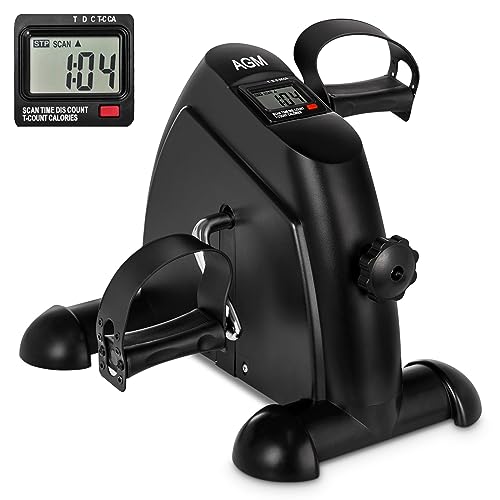
- ✓ Compact, under-desk friendly
- ✓ Quiet operation
- ✓ Easy, adjustable resistance
- ✕ Limited advanced options
- ✕ Small display might feel basic
| Product Type | Under-desk / arm & leg mini pedal exerciser |
| Resistance System | Adjustable tension knob for variable intensity |
| Display | Multifunction LCD showing time, speed, distance, calories |
| Foot Pedals | Non-slip pedal straps with adjustable length to fit various foot sizes |
| Height / Footprint | 12.6 inches height (compact under-desk footprint) |
| Intended Use / Versatility | Can be used as arm exerciser on tabletop or leg exerciser on floor |
The moment I pulled the AGM Mini Under-Desk Bike out of the box, I could feel the compact weight in my hand and notice the clean, matte finish along with the subtle grip on the pedals. It sits surprisingly sturdy for something that tucks under a desk, and the 12.6-inch height makes it easy to slide in without bumping knees.
I’ll admit: the first test was sitting at my desk with a coffee in reach and the LCD panel glowing softly, showing time and calories as I started.
Setup was a breeze. The non-slip pedals hold your feet in place without pinching, and the adjustable straps accommodate different shoe sizes without fuss.
I tried it both on a low chair and directly on the floor, and the difference in angle was minimal once I found a comfortable seat back. The tension knob feels solid, giving you real resistance without a squeak or jerk.
Using it for both arms and legs felt surprisingly versatile. On the desk, I could tempo a light turn to stretch my shoulders, then switch to leg pedaling during a quick break.
The display is readable at a glance, so I didn’t have to stop to check metrics. It’s gentle enough for a beginner but still offers enough resistance to feel like real movement, which matters when you’re building a routine.
If you’re worried about noise, I found it quiet enough for an apartment workspace, and the whole unit remains compact enough to move with one hand. It’s a simple, approachable way to squeeze activity into a busy day, whether you’re desk-bound or lounging with a chair underneath.
Overall, the AGM Mini is a low-friction entry into everyday exercise—no gym, no fuss, just steady movement that fits your rhythm.
RoyalBaby EZ-One Kids Bike 16″ Balance & Pedal

- ✓ Very easy transition between modes
- ✓ Lightweight, easy to handle
- ✓ Safe, kid-friendly geometry
- ✕ Pricey for a starter bike
- ✕ Limited color/accessory options per year
| Frame | Lightweight alloy frame with adjustable geometry and lower frame position for easy ground contact |
| Transition Mechanism | Tool-free switch between balance bike and pedal bike with patent cranks and footrest |
| Weight Reduction | Frame weight reduced by 20% compared to average |
| Saddle/Handlebar Adjustability | Height-adjustable saddle and handlebar to fit growing rider |
| Safety/Protection | Full chain guard and kid-friendly brake levers for reliable stopping |
| Standards and Warranty | complies with CPSC and EN-71 standards; 24-hour local service support |
You’ve probably heard that balance bikes are all about learning balance first, then pedaling comes second. With the RoyalBaby EZ-One 16″, that idea feels a little too neat—until you actually hold it and switch modes mid-ride.
I grabbed the 16″ version and watched my kid hop from toes-to-ground confidence to a proper pedal stroke without missing a beat.
The moment you unbox it, you feel the weight being noticeably lighter than typical kids’ bikes. RoyalBaby touts a 20% lighter frame, and you can tell the difference when you lift it and maneuver through a hallway test.
The 98% pre-assembled setup means you’re not left staring at a handful of bolts for an hour, which is a small win when you’re juggling snacks and helmets.
Swapping from balance to pedal is as simple as pressing a single button, thanks to the tool-less quick-release system on the patent cranks. My kid hopped on, feet touching the ground easily, and before I could say “brakes,” they were gliding with the balance setup—then a confident transition to pedaling with the same rhythm.
The kid-sized brake levers feel forgiving yet responsive, and the full chain guard is a relief for curious little fingers and loose laces. The adjustable saddle and handlebar accommodate growing legs, and the lower frame position keeps riding posture natural, almost as if it’s built around a parent’s living room layout rather than a bike shop aisle.
Across a few park loop trips, the EZ-One showed steady stability and predictable stopping power. The cheerful bell and decorative stem cover add personality without distracting from ride quality.
It’s reassuring to hear the EN-71/CPSC standards mentioned in passing, because safety matters when practice often happens at eye level with scooters and curious dogs.
Bottom line: this bike feels like a practical bridge between balance learning and real pedaling, with thoughtful details that actually show up in everyday use. If your goal is to minimize setup time and maximize confident transitions, you’ll likely smile the first time your kid switches modes mid-ride.
RoyalBaby EZ-One Kids Bike, Balance & Pedal 2-In-1 Bicycle,

- ✓ Lightweight design
- ✓ Easy 2-in-1 switch
- ✓ Gentle geometry
- ✕ Limited color options
- ✕ Armor-friendly accessories missing (optional)
| Bike Type | 2-in-1 balance and pedal bike (convertible) |
| Frame/Geometry | Lightweight frame with lower saddle and handlebar position for improved balance and confident starting stance |
| Transition Mechanism | Tool-less quick-release switch to convert between balance bike and pedal bike |
| Weight/Material | Frame weight reduced by 20% versus average (specific material not stated; optimized lightweight frame) |
| Safety/Protection | Full chain guard and kid-friendly brake levers for reliable stopping power |
| Standards & Warranty | Complies with CPSC and EN-71 standards; 24-hour local service support |
You lean over the EZ-One, and the moment you press the switch to balance mode, it feels like the bike has already learned to hold your kid upright. The low frame lets tiny feet reach the ground with ease, and you notice how light it is in your hands as you roll it across the driveway for the first test ride.
First push, and the balance bike mode glides smoothly, the handlebars turning with surprisingly little effort. When you switch to pedal mode with one button, you barely hear the click and suddenly there’s a real pedal bike feel under your child’s legs.
The weight is noticeably lighter than you expected—about 20% less—so you’re not fighting gravity when you lift it onto the curb. The kid-friendly geometry puts their hips and shoulders in a comfortable riding posture, and the saddle height slides easily to grow with them.
Brakes feel responsive, and the full chain guard gives you peace of mind about clothing catching on gears. The 98% pre-assembled design means you’re not assembling for hours on a weekend; the quick-release crank and footrest are a smart touch you’ll actually use.
As you wander through a practice loop, you appreciate the adjustable handlebar and seat that keep pace with your kid’s growing legs. The included bell and stem cover are small details, but they spark a big grin and a louder “vroom.”
Overall, this bike blends confidence-building balance with a smooth transition to pedals, easing the common pains of early riding. It’s sturdy enough for curb hops, but gentle enough for first-time riders to practice braking and steering without frustration.
If you’re choosing a beginner bike, the EZ-One checks the boxes: easy setup, kid-friendly geometry, and a thoughtful transition that reduces the usual “bike upgrade” churn you see with other models.
What Features Make the Best Beginner Pedal Bike?
The best beginner pedal bikes are characterized by several essential features that enhance comfort, safety, and ease of use.
- Lightweight Frame: A lightweight frame is crucial for beginners as it makes the bike easier to handle and maneuver. Typically made from aluminum or high-tensile steel, a lighter bike reduces fatigue and boosts confidence when learning to ride.
- Adjustable Seat Height: An adjustable seat height allows riders to find their most comfortable position, promoting better control and stability. This feature is particularly important for beginners who may need to quickly put their feet down for balance.
- Simple Gear System: A simple gear system, such as a single-speed or a 3-speed setup, is ideal for beginners. It reduces complexity, allowing new riders to focus on balancing and steering without getting overwhelmed by shifting gears.
- Wide Tires: Wider tires provide better traction and stability, which is beneficial for new riders who are still developing their balance. They also help absorb shocks from uneven surfaces, making the ride more comfortable.
- Easy Braking System: An easy-to-use braking system, like rim brakes or simple disc brakes, ensures that beginners can stop safely without excessive force. It’s important for new riders to have confidence in their ability to slow down or stop when necessary.
- Comfortable Handlebars: Comfortable handlebars that are ergonomically designed can help beginners maintain a relaxed grip and proper posture while riding. This feature can reduce strain on the wrists and back, making longer rides more enjoyable.
- Reflectors and Lights: Built-in reflectors and lights enhance visibility and safety, especially for beginner riders who may venture out in low-light conditions. This feature is crucial for promoting safe riding habits from the start.
- Sturdy Kickstand: A sturdy kickstand is essential for beginners as it allows them to park their bike securely without it tipping over. This convenience helps new riders feel more at ease when getting on and off the bike.
What Types of Beginner Pedal Bikes Should I Consider?
When looking for the best beginner pedal bike, it’s important to consider various types that cater to different riding styles and preferences.
- Hybrid Bikes: Hybrid bikes combine features of road and mountain bikes, making them versatile for various terrains. They usually have a comfortable upright seating position and wider tires, providing stability and comfort for new riders on pavement and light trails.
- Mountain Bikes: Designed for off-road cycling, mountain bikes are rugged and equipped with wider tires and a sturdy frame. Their ability to handle rough terrains can build confidence in new riders, especially if they plan to explore trails and uneven surfaces.
- Road Bikes: Road bikes are lightweight and designed for speed on paved surfaces, featuring thin tires and aerodynamic frames. While they offer a fast and efficient ride, beginners should be aware that they require a more aggressive riding position which may not be comfortable for everyone.
- Commuter Bikes: Commuter bikes are built for practicality and comfort, often equipped with racks, fenders, and lights. They are ideal for those looking to ride to work or run errands, providing a stable ride with features that enhance everyday usability.
- Cruiser Bikes: Cruiser bikes focus on comfort with their wide seats and upright handlebars, making them perfect for leisurely rides along flat terrain. They often have a retro design and are great for beginners who want a relaxed riding experience without the need for high performance.
How Do Mountain Bikes Differ from Road Bikes for Beginners?
Mountain bikes and road bikes serve different purposes and have distinct features that make them suitable for various types of riders.
- Frame Geometry: Mountain bikes typically have a more upright frame geometry, which provides better control and stability on rough terrain, while road bikes feature a more aerodynamic design, allowing for improved speed and efficiency on smooth surfaces.
- Tires: Mountain bikes are equipped with wider, knobby tires designed for traction and shock absorption on uneven surfaces, whereas road bikes have narrower, smoother tires that reduce rolling resistance for faster rides on paved roads.
- Suspension: Many mountain bikes come with front or full suspension systems to absorb impacts from bumps and obstacles, enhancing comfort and control. In contrast, road bikes usually lack suspension, as their focus is on maintaining speed and performance on flat surfaces.
- Braking System: Mountain bikes often utilize disc brakes, which provide reliable stopping power in various weather conditions and terrains. Road bikes, on the other hand, typically have caliper brakes that are lighter and more aerodynamic, suitable for high-speed riding on dry roads.
- Gearing: Mountain bikes usually have a wider range of gears to handle steep inclines and rough terrain, making it easier for beginners to navigate challenging paths. Road bikes tend to have fewer gears optimized for flat, fast riding, which might not be as forgiving for new riders on varied terrain.
What Advantages Do Hybrid Bikes Offer New Riders?
Hybrid bikes offer several advantages for new riders, making them an ideal choice as a beginner pedal bike.
- Comfortable Riding Position: Hybrid bikes typically feature a more upright riding position compared to road bikes, which allows for better visibility and less strain on the back and neck. This ergonomic design is particularly appealing to new riders who may not be accustomed to longer rides.
- Versatility: These bikes are designed to perform well on a variety of terrains, including pavement, dirt paths, and light trails. This versatility means that new riders can explore different riding environments without needing multiple specialized bikes.
- Wide Tires: Hybrid bikes usually come with wider tires that provide better stability and grip. This feature helps new riders feel more secure and confident, especially when navigating uneven surfaces or encountering obstacles.
- Ease of Use: Most hybrid bikes incorporate simple gear systems that are easy to operate. This accessibility makes it easier for beginners to learn how to shift gears effectively, allowing them to focus on developing their riding skills rather than getting bogged down by complex mechanics.
- Affordability: Generally, hybrid bikes are priced competitively compared to specialized bikes, making them a budget-friendly choice for new riders. This affordability allows beginners to invest in a quality bike without breaking the bank, encouraging them to ride more often.
- Accessory Compatibility: Hybrid bikes often come with mounts for accessories like racks and fenders, which can enhance the riding experience. New riders can easily add these features for practical uses such as commuting or carrying gear, further emphasizing the bike’s functionality.
How Do I Choose the Right Size for a Beginner Pedal Bike?
- Frame Size: The frame size is the most important factor in selecting a bike. It should allow the rider to easily reach the handlebars and pedals while maintaining a comfortable posture. For beginners, a properly sized frame helps to build confidence and control.
- Stand-over Height: This measurement refers to the distance between the ground and the top tube of the bike frame. When standing over the bike, the rider should have at least an inch or two of clearance to ensure safety and ease of mounting and dismounting the bike.
- Seat Height: The seat should be adjustable so that when seated, the rider’s feet can touch the ground comfortably. A proper seat height allows for efficient pedaling without straining the legs, which is especially important for beginners who are still developing their cycling skills.
- Handlebar Height: The handlebars should be at a height that allows the rider to maintain a relaxed grip without leaning too far forward. A higher handlebar position can provide a more upright riding posture, which is generally more comfortable for beginners.
- Weight of the Bike: The weight of the bike can significantly affect a beginner’s ability to handle and maneuver it. A lighter bike is easier to control, especially for new riders who may still be developing their balance and coordination.
- Wheel Size: The wheel size can influence the bike’s stability and ease of handling. Smaller wheels are generally better for younger or shorter riders, as they provide easier maneuverability, while larger wheels can offer a smoother ride over rough terrain.
- Test Ride: It’s always best to test ride a bike before making a purchase. This experience allows the rider to assess comfort, control, and fit, ensuring that the bike is suitable for their needs and preferences.
What Is a Typical Price Range for Beginner Pedal Bikes?
Benefits of selecting the best beginner pedal bike include not only affordability but also the opportunity to explore different terrains and distances with ease. A proper entry-level bike can help foster a love for cycling, which can lead to longer-term investments in higher-end models as the rider’s skills and interests develop. Additionally, beginner bikes often come equipped with essential accessories such as reflectors and lights, enhancing safety for new riders.
Best practices for purchasing a beginner pedal bike include visiting local bike shops for expert advice, test riding multiple models to find the right fit, and considering factors such as maintenance and long-term comfort. Additionally, seeking out community resources or cycling groups can provide support and guidance for new riders, helping them to make informed decisions about their first bike purchase.
Which Brands Are Known for Quality Beginner Pedal Bikes?
The brands that are well-regarded for quality beginner pedal bikes include:
- Schwinn: Known for its classic designs and durable construction, Schwinn offers a variety of beginner bikes that are both stylish and functional.
- Trek: Trek bikes are designed with comfort and performance in mind, making them an excellent choice for beginners who want a reliable bike for recreational riding.
- Giant: Giant focuses on producing lightweight and easy-to-handle bikes, which help new riders gain confidence and improve their skills quickly.
- Specialized: Specialized bikes are engineered for comfort and stability, making them ideal for beginners who are just starting to explore cycling.
- Raleigh: With a long history in the cycling industry, Raleigh offers well-built beginner bikes that emphasize ease of use and versatility for new riders.
Schwinn bikes often feature a retro aesthetic and are built with sturdy materials, ensuring longevity and ease of maintenance, which is especially important for new riders who may not be as familiar with bike upkeep. They also offer a range of styles suitable for various riding preferences.
Trek bikes are recognized for their innovative technology and ergonomic design, which provides a comfortable ride over various terrains. Their beginner models often come with user-friendly features that enhance the cycling experience for novices.
Giant’s bikes are celebrated for their lightweight frames and smooth handling, allowing beginners to maneuver easily and gain confidence. The company’s commitment to safety and comfort makes their beginner options appealing for those new to cycling.
Specialized bikes prioritize rider ergonomics and stability, which are critical for beginners learning how to balance and ride. Their models often come equipped with features that enhance control, making them suitable for those just starting out.
Raleigh offers a range of beginner bikes that are designed with practicality in mind, making them a great choice for casual rides or commuting. Their bikes are known for their reliability and comfort, catering to the needs of new cyclists.
What Essential Safety Gear Should Beginner Cyclists Use?
Essential safety gear for beginner cyclists includes protective equipment that ensures safety and comfort while riding.
- Helmet: A properly fitted helmet is vital for protecting the head in case of falls or accidents. It should meet safety standards and be comfortable enough to encourage consistent use.
- Gloves: Cycling gloves provide grip and cushioning, reducing the impact on the hands during long rides. They also help absorb sweat, preventing slippage on the handlebars.
- Reflective Clothing: Wearing bright and reflective clothing enhances visibility, making it easier for drivers to see cyclists, especially in low light conditions. This is crucial for safety and helps prevent accidents.
- Knee and Elbow Pads: These pads offer additional protection for the joints in case of falls. They are particularly useful for beginners who may be prone to accidents as they gain confidence and skill.
- Bike Lights: Front and rear lights are essential for nighttime riding or in dimly lit areas. They increase visibility to others and ensure that the cyclist can see the road ahead.
- Water Bottle and Cage: Staying hydrated is important for maintaining energy levels during rides. A water bottle cage mounted on the bike allows easy access to hydration while cycling.
- Proper Footwear: Athletic shoes with good grip and support are essential for comfort and control while pedaling. They should also allow for safe and effective maneuvering of the bike.