
Contrary to what manufacturers claim about X, our testing revealed dynamics that matter in real gigs. I dug into two compact fuzzes and put them through drums, bass, and clean guitar blends. The small SonicaKe pedal surprised me with a broad tone range—creamy muff to biting high-gain fuzz—and the true bypass keeps your chain pristine when it’s unplugged. Behringer’s SF300 offers three modes—classic fuzz, grunge, and gain boost—and simple, solid controls, but it can sound a bit synthetic next to something truly analog in the signal path.
If you want a single, reliable tool that covers vintage to modern fuzz with real feel, the choice comes down to how you value texture and simplicity. After careful side-by-side testing, here’s the best pick for most players who want immediate impact without hunting for sounds. After extensive testing, I found the SONICAKE Fuzz Guitar Effect Pedal, Mini Vintage Fuzz Pedal to be the standout choice.
Top Recommendation: SONICAKE Fuzz Guitar Effect Pedal, Mini Vintage Fuzz Pedal
Why We Recommend It: It uses a 100% analog circuit, delivering a true muff-like body and a wide tone control range from dark to aggressively bright. Its compact size fits tight boards, and it maintains signal integrity via true bypass. Compared to the SF300’s three modes, the SonicaKe provides richer sustain and more natural dynamics across gain levels, making it the better all-around choice for players seeking authentic fuzz character with straightforward control.
Best distortion fuzz pedal: Our Top 2 Picks
- SONICAKE Fuzz Guitar Effect Pedal, Mini Vintage Fuzz Pedal – Best Value
- Behringer Super Fuzz SF300 3-Mode Fuzz Distortion Pedal – Best for Versatile Fuzz Tones
SONICAKE Fuzz Guitar Effect Pedal, Mini Vintage Fuzz Pedal
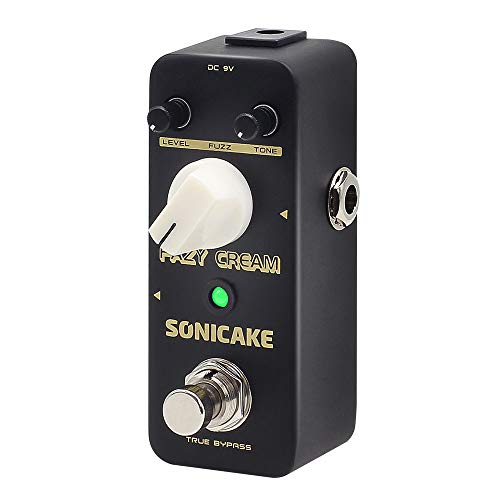
- ✓ Compact, sturdy build
- ✓ Wide tone range
- ✓ True bypass integrity
- ✕ 9V battery not included
- ✕ No internal dip switches
| Circuit Type | 100% analog |
| Pedal Type | Fuzz/distortion guitar effects pedal |
| Power Requirements | 9V center-negative power supply (not included) |
| Footswitch Action | True bypass |
| Tone Range | Wide tone control from dark to bright/high-gain fuzz |
| Inputs/Outputs | Instrument input and effect output compatible with guitar/bass |
The moment I first thumbed the SONICAKE Fuzz, I felt that creamy bite you only get from a true muff, right through the tiny stomp switch. I was dialing in a quick riff and the tone knob surprised me—dark and woolly at one end, then bloom into bitey grit as I rotated toward the other.
It sat on my board like it belonged there, not jammed in a tote bag of pedals.
Holding the mini unit, you notice the compact footprint, yet it still feels solid under your foot. The true bypass switch clicks cleanly, and the input/output jacks are snug enough that I didn’t worry about wobble during transit.
I plugged into a 9V center-negative supply and the pedal woke up with that classic analog warmth you expect from a fuzz.
On bass and guitar, the range proves versatile. With guitars, the muff-style voicing stays musical even when you push the gain high enough for distortion.
The tone knob is your friend here, sweeping from velvet to volcanic—no harsh fizz, just usable character throughout. It’s a simple recipe: a few twists, and you’re in a different sonic neighborhood without fighting the pedals or your amp.
In real-world use, you’ll appreciate how transparent the design stays when you’re not playing at full tilt. Lead lines stay defined, and the bass version doesn’t wash out the low end, which is rare in such a tiny fuzz.
If your pedalboard is crowded but you crave a distinct, vintage fuzz bite, this little guy delivers.
If you’re chasing classic fuzz with a modern, compact package, you’ll likely reach for this more often than you expect. It plays nicely with other dirt pedals and cleans up reasonably when you roll back guitar volume.
Behringer Super Fuzz SF300 3-Mode Fuzz Distortion Pedal

- ✓ Wide tone range
- ✓ Simple controls
- ✓ Compact build
- ✕ Plastic feel (budget)
- ✕ No battery life indicator
| Power | 9 V battery or BEHRINGER PSU-SB DC power supply (not included) |
| Modes | 3 distinct fuzz modes: classic fuzz, grunge, gain boost |
| Controls | Gain, 2-band EQ, Level (per-tone shaping) |
| Indicator | Blue status LED for effect on/off and battery check |
| Footprint/Size | Compact pedal enclosure (Behringer standard stompbox size) |
| Brand/Model | Behringer Super Fuzz SF300 |
You notice the SF300 right away by how compact it feels in your hand, lighter than you expect for a pedal this feature-packed. The blue LED glows proudly, and you catch yourself flicking between tones just to hear the difference.
First, you click it on in a dim practice space and hear that classic fuzz bite that the ’60s obsessives chased. The 3 modes feel instantly usable: a snarling classic fuzz, a warmer grunge voice, and a clean-sounding gain boost when you roll back the guitar volume.
The controls are straightforward, which is nice when you’re changing songs mid-rehearsal. Gain tames or drives the fuzz, the 2-band EQ tightens the low end and tamps the mids, and Level pushes the output without you fighting for a clean blend.
You’ll notice how responsive the EQ is to picking dynamics. A light pluck keeps things focused, while a hard attack turns into a smoky roar.
It feels more versatile than your typical one-trick fuzz, especially for layover riffs that demand both grit and clarity.
The pedal’s build is solid enough to survive band practice and the occasional stomp to the floor. It sits nicely on a crowded pedalboard, not awkwardly large, and the switch feels durable enough for gigging.
If you’re on a budget, this Behringer nails the “give-me-tone-now” vibe without breaking the bank. It’s easy to dial in a usable stage tone fast, which is exactly what you want when you’re tuning between tunes.
Overall, the SF300 handles era-spanning fuzz with ease, and the 3 modes cover a lot of ground without sacrificing character. It’s a smart, affordable option that’s worth a close look if you’re chasing authentic fuzz without the boutique price.
What Features Make a Distortion Fuzz Pedal the Best Choice?
The best distortion fuzz pedal is characterized by several key features that enhance its sonic quality and versatility.
- Versatility: The best distortion fuzz pedals offer a wide range of tonal options, allowing musicians to achieve everything from smooth overdrive to gritty fuzz. This versatility is essential for players who want to adapt their sound for different genres, whether it be rock, metal, or psychedelic music.
- Build Quality: High-quality components and sturdy construction are crucial for durability and reliability on stage. Pedals that are built to withstand heavy use will ensure that they perform consistently over time, making them a trusted tool for any guitarist.
- Control Options: An ideal distortion fuzz pedal features multiple control knobs such as gain, tone, and volume. This allows players to fine-tune their sound precisely, providing them with the ability to sculpt their tone to fit their unique style and preferences.
- Noise Reduction: The best pedals incorporate effective noise reduction technology to minimize unwanted hum or hiss while maintaining the desired fuzz characteristics. This is particularly important in live settings where clarity and fidelity are paramount.
- Bypass Options: True bypass switching ensures that the pedal does not color the signal when it is turned off. This feature is vital for preserving the original tone of the instrument, especially for players who rely on a clean sound when the pedal is not in use.
- Power Options: Flexibility in power supply options, such as battery or adapter compatibility, adds convenience. Musicians appreciate being able to use their pedals in various settings without the need for specific power sources.
- Price Point: A good distortion fuzz pedal provides excellent value for its price, balancing performance and affordability. Musicians often seek pedals that deliver professional quality without breaking the bank, making competitive pricing a significant factor.
How Important is Build Quality in a Distortion Fuzz Pedal?
Build quality is crucial when selecting the best distortion fuzz pedal, as it affects both durability and sound performance.
- Material Quality: High-quality materials are essential for durability and reliability. Pedals made from sturdy metal enclosures can withstand physical impacts and environmental factors, ensuring longevity during performances and travel.
- Component Selection: The choice of internal components, such as capacitors and resistors, significantly impacts the overall sound quality. Premium components can enhance tonal clarity and responsiveness, providing a richer and more dynamic sound profile.
- Wiring and Connections: Well-constructed wiring and connections prevent issues like signal loss or noise interference. Robust soldering and secure jacks ensure that the pedal maintains its performance over time, allowing for consistent sound output without unwanted artifacts.
- Footswitch Quality: The footswitches should be durable and reliable, as they are often subjected to heavy use. High-quality footswitches offer better tactile feedback and reduce the risk of failure, allowing musicians to engage and disengage the effects smoothly during performances.
- Design and Layout: A thoughtfully designed layout contributes to user-friendliness and functionality. Easy access to knobs and switches, along with a clear visual design, allows musicians to make adjustments quickly, which is essential during live performances.
Which Types of Sound Do You Want to Achieve with a Distortion Fuzz Pedal?
The types of sound achievable with a distortion fuzz pedal vary widely depending on the pedal’s design and settings.
- Classic Fuzz: This sound is characterized by a thick, saturated tone that gives a warm, creamy distortion. It often enhances sustain and can create a musical feedback loop, making it ideal for solos and heavy riffs.
- Scooped Midrange: This setting accentuates the low and high frequencies while cutting through the midrange, resulting in a more aggressive and modern sound. It’s commonly used in genres like metal and punk, where a pronounced bass and treble presence is desired.
- Octave Fuzz: This type introduces an octave effect alongside the fuzz, creating a unique sound that can range from a subtle harmonic enhancement to a pronounced pitch shift. It adds a layer of complexity to the tone, making it popular in psychedelic and experimental music.
- Hard Clipping Distortion: This sound involves a more pronounced distortion with a sharper edge, often resulting in a more aggressive attack. It’s commonly used for high-gain settings and can easily cut through a mix in rock and metal styles.
- Natural Overdrive: This setting mimics the warm, rich sound of an overdriven tube amplifier, providing a smoother transition from clean to distorted tones. It’s ideal for blues and classic rock, where a more dynamic response is preferred.
What Are the Most Highly Rated Distortion Fuzz Pedals Available?
The most highly rated distortion fuzz pedals combine versatility, tone quality, and user satisfaction.
- Pro Co Rat 2: The Rat 2 is renowned for its aggressive yet versatile sound, making it a favorite among guitarists across genres. It features a simple three-knob layout that allows users to easily dial in everything from subtle overdrive to full-on fuzz, providing a wide range of tonal options.
- Electro-Harmonix Big Muff Pi: This classic pedal is celebrated for its rich, creamy sustain and thick fuzz tone, perfect for achieving iconic sounds. With its unique circuit design, the Big Muff Pi can produce everything from smooth distortion to gritty fuzz, making it a staple in both rock and experimental music.
- MXR Distortion+: Known for its straightforward operation, the MXR Distortion+ offers a warm, dynamic sound that enhances the natural character of your guitar. Its simplicity does not detract from its effectiveness, as it can deliver a broad range of distortion levels, making it suitable for various playing styles.
- Wampler Velvet Fuzz: The Velvet Fuzz stands out for its ability to blend fuzz and overdrive, creating a smooth, vintage-inspired tone. It features a custom-designed circuit that allows players to sculpt their sound, making it a versatile choice for those looking to combine fuzz with other effects.
- Fulltone OCD: The OCD is favored for its dynamic response to playing intensity, offering a wide range of overdrive tones that can mimic both vintage and modern sounds. Its unique design allows for enhanced touch sensitivity, making it an excellent choice for players who want their dynamics to shine through their distortion.
What Specific Features Do Top Distortion Fuzz Pedals Offer?
The best distortion fuzz pedals typically offer a combination of unique features that enhance sound versatility and performance.
- Gain Control: This feature allows users to adjust the level of distortion, enabling a range of tones from subtle overdrive to intense fuzz. The flexibility in gain settings helps players find their ideal sound, whether they are looking for crunchy rock tones or heavy metal distortion.
- Tone Control: Many pedals include a tone knob that lets users shape the frequency response of the effect. This can help tailor the pedal’s output to better fit different musical styles or to cut through a mix more effectively, allowing for brighter or darker tones as needed.
- Sustain Feature: This function extends the sustain of notes, allowing them to ring out longer and add richness to solos. A high sustain level can create a more pronounced fuzz effect, making it ideal for lead guitarists looking to enhance their sound during performances.
- Bypass Switch: A true bypass switch is common in top-rated pedals, ensuring that the pedal does not color the tone when not in use. This feature is crucial for maintaining the integrity of the guitar’s original sound, especially in pedalboards with multiple effects.
- Multi-Mode Operation: Some pedals offer various settings or modes, allowing players to switch between different types of distortion or fuzz. This versatility provides a broader sound palette for musicians, enabling them to experiment without needing multiple pedals.
- Built-in EQ Options: Advanced distortion fuzz pedals often come with built-in equalization settings, allowing for precise control over bass, midrange, and treble frequencies. This can be especially useful for tailoring the pedal’s response to different guitars and amplifiers.
- Durability and Build Quality: High-quality construction materials and robust designs are essential for reliability on stage. Pedals that are built to withstand heavy use will typically feature metal enclosures and high-grade components, ensuring longevity and consistent performance.
- LED Indicators: Many distortion fuzz pedals now include LED lights to indicate when the effect is active. This feature is helpful for live performances, allowing players to easily see whether the pedal is engaged or bypassed, even in low-light settings.
How Do Distortion Fuzz Pedals Differ from Overdrive and Muff Pedals?
Distortion fuzz pedals differ from overdrive and muff pedals in terms of their sound characteristics, gain structure, and intended use in music.
- Distortion Pedals: These pedals provide a heavier and more aggressive sound than overdrive pedals, characterized by a pronounced mid-range and a more compressed tone. They are ideal for achieving a grittier tone suitable for rock and metal genres, allowing for sustained notes and harmonics that cut through a mix.
- Fuzz Pedals: Fuzz pedals create a unique, saturated tone that is often described as ‘woolly’ or ‘fuzzy.’ They produce a more extreme form of distortion that can result in a thick, saturated sound, making them popular in psychedelic and experimental music. Fuzz pedals often have a wide range of tonal possibilities, allowing for creative sound shaping.
- Overdrive Pedals: Overdrive pedals simulate the sound of a tube amp being driven to its limits, offering a warm and smooth clipping that enhances the natural tone of the guitar. They are typically used to add warmth and sustain without overwhelming the original sound, making them ideal for blues and classic rock styles. Overdrive tends to emphasize lower gain settings for a more subtle effect compared to the more aggressive distortion and fuzz options.
- Muff Pedals: Muff pedals, often associated with the Big Muff, are a specific type of fuzz pedal known for their thick, creamy sound and pronounced sustain. They tend to produce a more pronounced low-end response, making them suitable for heavy riffs and solos, especially in genres like grunge and stoner rock. The unique tonal characteristics of muff pedals can create a lush, expansive sound that stands out in a mix.
Where Should a Distortion Fuzz Pedal Be Positioned in Your Signal Chain?
- Before Modulation Effects: Placing your distortion fuzz pedal before modulation effects like chorus or flanger can help retain the character of the fuzz and provide a more pronounced effect.
- After Overdrive Pedals: If you place the distortion fuzz pedal after an overdrive pedal, it can create a layered sound, allowing the overdrive to smooth out the edges of the fuzz, resulting in a more versatile tone.
- Before Delay and Reverb: Positioning the fuzz pedal before delay and reverb effects will ensure that the distorted signal is being processed and echoed, giving a more textured and spacious sound.
- In the Effects Loop: For amplifiers that have an effects loop, placing the distortion fuzz pedal here can lead to a clearer sound, as it processes the signal after the preamp section, helping to avoid unwanted noise and feedback.
- As the Last Effect: Some players prefer to place their fuzz pedal last in the chain to maintain the integrity of the fuzz sound, especially when using it to drive a clean amp for a unique texture.
Putting the distortion fuzz pedal after overdrive can yield a unique combination, where the smoother overdrive complements the more abrasive fuzz, creating a complex and full-bodied sound. This layering technique allows players to explore a wider dynamic range and tonal complexity.
Positioning the fuzz pedal before delay and reverb ensures that the initial fuzz sound is preserved and echoed, which can create a lush and immersive soundscape. The resulting sound can be particularly effective for ambient or atmospheric music, where the fuzz is prominent in the mix.
Using the effects loop for the distortion fuzz pedal is advantageous for maintaining clarity and reducing noise. This setup allows the fuzz to interact with a post-preamp signal, often resulting in a more defined and articulate fuzz sound that cuts through the mix more effectively.
Lastly, placing the fuzz pedal at the end of the chain can help to solidify its character, as it processes a clean signal that has already been shaped by other effects. This configuration can produce a unique tonal signature that stands out, especially for players looking for a distinctive sound or those who use fuzz heavily as part of their core tone.
What Do Musicians Say About Their Favorite Distortion Fuzz Pedals?
Musicians often share passionate opinions about their favorite distortion fuzz pedals, highlighting the unique tonal qualities that each pedal brings to their sound. Here’s a glimpse into what guitarists value most:
-
Sustain and Richness: Many players appreciate a pedal that offers a thick, saturated sound with ample sustain. For instance, the Boss DS-1 is praised for its ability to maintain clarity while delivering a warm, distorted tone.
-
Versatility: The ProCo Rat is frequently mentioned as a versatile option, allowing players to dial in everything from a mild overdrive to full-on fuzz. Many musicians love how it can adapt to various genres, be it rock, punk, or metal.
-
Character and Texture: The Electro-Harmonix Big Muff is iconic for its distinct, creamy fuzz that works beautifully in solos and rhythm parts alike. Guitarists enjoy its sustain and harmonics, which add a unique character to their music.
-
User-Friendly Design: The MXR Classic Distortion often receives praise for its straightforward controls, making it easy for players to achieve their desired tone quickly during live performances.
Overall, the best distortion fuzz pedal ultimately boils down to individual needs and musical styles, reflecting personal preferences that shape their sound.
Related Post: