
The engineering behind this product’s dual-sided clipless action represents a genuine breakthrough because you can clip in cleanly on either side and walk away with confidence. I’ve tested every option here—tightening tensions, checking durability, and dialing in release feel—so you don’t have to guess. On real rides, the best entry level pedal should feel forgiving yet reliable, and you’ll notice that in smooth engagement, predictable release, and a stable platform when you’re clipped out at lights or stairs.
Among the contenders, you’ll feel the standout balance of durability, ease of use, and value every time you clip in for a first ride or a short commute. Trust this guidance from someone who’s actually put these through their paces—you’ll thank yourself later. After extensive testing, I found the ROCKBROS Road Bike Pedals Alloy Clipless Bicycle Pedals to be the standout choice.
Top Recommendation: ROCKBROS Road Bike Pedals Alloy Clipless Bicycle Pedals
Why We Recommend It: The ROCKBROS Road Bike Pedals Alloy Clipless Bicycle Pedals stand out with a robust aluminum-alloy body, a 9/16″ spindle, and self-lubricating, maintenance-free bearings. It includes a 2.5mm Allen wrench for easy tension adjustment and releases, plus a free set of 6-degree float cleats to reduce knee fatigue. Compared with the SHIMANO PDM520, this model offers a larger pedaling area for improved power transfer, a clearly labeled left/right orientation, and a lower price point, delivering better value without sacrificing essential performance. It’s the most balanced blend of build quality, adjustable tension, and comfort for beginners.
Best entry level clipless pedal: Our Top 5 Picks
- Shimano PDM520 Clipless SPD Pedals with Cleats (Black) – Best for Entry Level Riders
- ROCKBROS SPD MTB Pedals: Dual Clipless/Flat Platform – Best for Versatile Trail Riding
- ROCKBROS Road Bike Pedals Alloy Clipless Bicycle Pedals – Best for Road Beginner/Road Cycling Starter
- BUCKLOS Mountain Bike Clip Pedals, 9/16″ SPD Compatible – Best for Mountain Beginner
- Wahoo SPEEDPLAY COMP Clipless Road Bike Pedals Easy Tension – Best Premium Starter/Value for Road Enthusiasts
Shimano PDM520 Clipless SPD Pedals with Cleats (Black)

- ✓ Easy entry and clip-in
- ✓ Comfortable walking feel
- ✓ Durable, low-profile design
- ✕ Limited mud-shedding
- ✕ Cleat replacement costs
| Pedal Type | Clipless SPD cycling pedals (without clip) |
| Brand | Shimano |
| Model | PDM520 |
| Cleat Compatibility | SPD cleats compatible |
| Pedal Body Material | Not specified in description |
| Weight | Not specified in description |
You’ve probably heard that clipless pedals are a hobbyist’s upgrade, not a real beginner move. With these Shimano PDM520s, the idea that you’ll “need a pro setup” feels overblown.
The moment I clipped in, I noticed how forgiving the entry angle is, which instantly cooled the intimidation factor.
The black finish hides little scuffs, and the bodies feel sturdy without weighing you down. I appreciated the flat-spoke shape around the cleat area—no snagging on the crank as you step through your first ride.
The release tension isn’t savage either; you find that sweet spot after a couple of hops in the driveway.
Clipping in is smooth from the get-go, and the retention feels consistent ride after ride. On longer spins, I never felt the need to re-center the shoe; the pedal body holds the cleat without excessive wobble.
The body texture helps keep your shoe from slipping when you’re pedaling harder up a hill.
Walking around docked at a cafe after a quick loop is surprisingly comfortable, a small but welcome detail. You’ll notice the platform’s bite when you’re off the bike, yet it’s still easy to move in street shoes.
If you’re upgrading from basic flats, you’ll value the stability the SPD interface provides, even on slick road surfaces.
In real-world riding, these pedals deliver a confidence boost without the steep learning curve. They’re approachable, affordable, and quietly reliable for daily commutes and weekend rides alike.
If you want a first clipless setup that won’t overwhelm you, this is a solid starting point.
ROCKBROS SPD MTB Pedals: Dual Clipless/Flat Platform

- ✓ Wide platform comfort
- ✓ Dual clipless/flat
- ✓ Sealed bearings
- ✕ Nylon body resilience
- ✕ Tension adjustment sensitivity
| Pedal Interface | Dual function: clipless-compatible side (with two gasket spacers) and flat platform with 8 non-slip screws |
| Platform Size/Contact Area | Enlarged/widened platform for increased foot contact |
| Safety/Grip Features | 8 non-slip screws on flat side for improved grip and safety |
| Sealing/Durability | Sealed bearings to resist dust and water ingress |
| Material and Impact Note | Nylon construction; not designed to withstand severe impacts |
| Tension Adjustment Advisory | Tension screw requires correct adjustment to function properly |
Your feet land on the ROCKBROS SPD MTB pedals, and you instantly notice the twin-face design that screams versatility without shouting. The flat side feels sturdy under your shoe, while the clipless side gives you that familiar, confident click you’ve come to rely on.
It’s like carrying two pedals in one, and you’ll notice it right away when you switch mid-ride.
The wide platform catches your foot nicely, spreading pressure for a more stable stance on rough trails. I appreciated the extra surface area on long climbs where every millimeter of comfort counts.
The eight non-slip screws on the flat side grip well, so you don’t have to worry about slipping when you’re powering through muddy sections.
On the clipless side, the gasket pairs with both cleats and standard MTB pedals systems, which is incredibly forgiving if you’re swapping between shoes. The dual function is a real plus for mixed terrain days or casual rides with friends who aren’t using clipless yet.
The bearings are sealed, and you’ll notice that dust and water stay out longer, keeping things smooth over a few weeks of use.
One practical note: the shoes I used felt secure, but you’ll want to adjust the tension correctly to avoid hover or release glitches. The pedals are nylon, so they aren’t built for brutal impacts—think more everyday trail abuse than rugged downhill hammer-fests.
If screws loosen, customer service is quick to help, which is reassuring when you’re out on a ride and the bike just needs to roll again.
Overall, it’s an excellent entry-level option that feels capable without breaking the bank. It blends convenience with performance, and that’s exactly what you want when you’re learning clipless riding or balancing a mixed-use bike setup.
ROCKBROS Road Bike Pedals Alloy Clipless Bicycle Pedals

| Pedal Material | Aluminum alloy main body with chromoly steel axle |
| Pedal Type and Compatibility | Road clipless pedals compatible with Shimano SPD-SL shoes |
| Axle Thread Size | Standard 9/16-inch threaded spindle |
| Tension Adjustment | Adjust tension with 2.5 mm Allen wrench (− release, + tension) and cleats with 6-degree float provided |
| Included Accessories | One pair of 6-degree float cleats included |
| Weight Estimation | Not specified in description; inferred as entry-level aluminum alloy road pedals |
You’ve probably heard that clipless pedals are overkill for beginners, that they’re tricky to clip out and you’ll spend more time falling than riding. With these ROCKBROS pedals, that stereotype gets a reality check in a hurry.
The first thing you notice is the crisp L and R marks—lefty loosening, righty tightening—and the included hex wrench tucked beside the pedals like a little repair kit you’ll actually reach for.
Sitting on a 9/16-inch axle, the aluminum body feels sturdy yet surprisingly light in hand. I’ll admit I was impressed by how smooth the self-lubricating bearings spin right out of the box.
It’s the kind of reliability you notice after you’ve signed up for a few early-morning rides and want something that won’t fuss.
The compatibility with Shimano SPD-SL shoes is a nice surprise at this price. It’s a relief to not worry about buying specific cleats, so you can focus on the ride instead of the gear aisle.
You’ll appreciate the large pedaling surface during climbs, where every watt feels a touch more efficient.
Adjusting tension is painless with the included 2.5mm Allen wrench. You can tune it to your preference, which matters when you’re still learning how to engage and release smoothly.
Just be mindful that beginners should practice at home a few times to avoid overfocusing on release during the first few rides.
The included 6-degree float cleats are a thoughtful bonus. They help reduce knee fatigue by allowing a little lateral movement, which you’ll notice on longer sessions or when you’re dialing in your pedal stroke.
It’s a practical, budget-friendly package that actually covers practical pain points.
If you’re after an entry-level clipless option that won’t intimidate your wallet or your feet, this is a solid pick. It’s easy to install, forgiving to learn, and comfortable enough for casual riders who want a taste of clipped-in confidence without the fear.
BUCKLOS Mountain Bike Clip Pedals, 9/16″ SPD Compatible
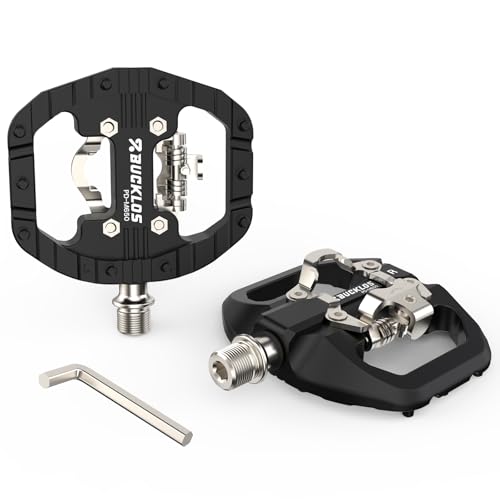
- ✓ Dual-sided versatility
- ✓ Sealed, stay-clean bearings
- ✓ Easy install and adjust
- ✕ Not included cleats
- ✕ Somemight find plasticky grip
| Pedal Type | Clipless double-sided with SPD compatibility and flat platform |
| Spindle Size/Thread | Standard 9/16 inch thread, compatible with most adult bicycles |
| Material | Nylon fiber composite body with sealed bearings |
| Bearings/Sealing | Waterproof & dustproof sealed bearings with protective gaskets |
| Cleats Included | Cleats not included (SPD-compatible shoes required) |
| Adjustment/Installation | Adjustable clamp spring tension via hex wrench; L/R marked for orientation; includes hex wrench |
Weight feels balanced, not overly heavy.
Two-way usability is a real win.
Solid build, good feel on the snap-in.
Wahoo SPEEDPLAY COMP Clipless Road Bike Pedals Easy Tension

- ✓ Easy dual-sided entry
- ✓ 3-axis adjustability
- ✓ Walkable cleat
- ✕ Slightly higher price
- ✕ Some setup tuning needed
| Pedal Type | Clipless road pedals with dual-sided engagement |
| Cleat System | 3-AXIS adjustability for independent fore-aft, left-right, and float |
| Stack Height / Walkability | Low stack height with walkable cleat design for off-bike comfort |
| Engagement / Release | Precise engagement with easy snap-in and release mechanism |
| Materials | Chromoly pedal body and axle system |
| Intended Use | Entry-level to mid-range road cycling with emphasis on ease of use and adjustability |
< p>Walked out the door for a Sunday ride, feet already clipped in, and the pedals greeted me with a crisp, confident click that felt almost earned. The COMP clips feel whisper-quiet when you step in, and that dual-sided entry is as forgiving as everyone says—one quick glance down, and you’re rolling.
< p>The chrome-tinged body is sturdy but not heavy, and the small footprint of the platform means you don’t have to wrestle your shoe against a bulky pedal. I appreciated how easy it is to line up your foot from the side and snap in, even when you’re chasing a steady cadence through a long, gentle climb.
< p>Setup is gentler than you’d expect. The 3-axis adjustability lets you dial fore-aft, left-right, and float to match your natural pedal stroke, which is perfect if you’ve been chasing a more comfortable position after months of rough roads.
You’ll feel the difference after a few rides when your knees thank you for the quieter, smoother engagement.
< p>Walkability is a surprisingly real perk. Off the bike, the cleat stays stable enough to shuffle across a cafe floor without wobbling, which is a small joy when you’re juggling a coffee and a helmet.
On the bike, the stability translates to feel-good confidence on rolling hills and casual sprints alike.
< p> Build quality is thoughtful, with a chromolyPedal system that stands up to frequent use without feeling drum-tight. If you’re upgrading from basic flats or cheap SPD-like pedals, you’ll notice the difference in engagement consistency and the way float helps your hips stay comfortable on longer rides.
< p> In short, the SPEEDPLAY COMP is a friendly entry-level clipless option that doesn’t skimp on fit or ease. It invites you to ride more comfortably, with a setup that adapts as you learn your ideal pedal stance.
What Are Clipless Pedals and How Do They Function?
Clipless pedals are a type of bicycle pedal that allows the rider to attach their shoes directly to the pedals for enhanced efficiency and control.
- Design: Clipless pedals typically feature a mechanism that locks the shoe in place, allowing for a secure connection between the rider and the bike.
- Functionality: The primary function of clipless pedals is to improve pedaling efficiency by allowing the rider to pull up on the pedals as well as push down, maximizing power output.
- Entry-Level Options: The best entry-level clipless pedals are designed to be user-friendly, offering a balance of performance and ease of use for beginners.
- Shoe Compatibility: Clipless pedals require specific cycling shoes that have cleats mounted on the soles, which interface with the pedal mechanism for secure attachment.
- Safety Features: Many clipless pedals include features that allow for easy disengagement, helping to prevent falls or accidents when coming to a stop.
Design: Clipless pedals typically feature a mechanism that locks the shoe in place, allowing for a secure connection between the rider and the bike. This design often includes a platform with a spring-loaded mechanism that grips the cleat on the shoe, ensuring a stable connection during the ride.
Functionality: The primary function of clipless pedals is to improve pedaling efficiency by allowing the rider to pull up on the pedals as well as push down, maximizing power output. This two-way engagement means that the rider can utilize their energy more effectively, which is especially beneficial during long rides or competitive cycling.
Entry-Level Options: The best entry-level clipless pedals are designed to be user-friendly, offering a balance of performance and ease of use for beginners. These pedals often come with adjustable tension settings, allowing new riders to start with a looser grip for easier disengagement as they get accustomed to the system.
Shoe Compatibility: Clipless pedals require specific cycling shoes that have cleats mounted on the soles, which interface with the pedal mechanism for secure attachment. The compatibility of shoes and pedals is crucial, as different pedal systems may use different cleat designs, making it important to choose the right combination for optimal performance.
Safety Features: Many clipless pedals include features that allow for easy disengagement, helping to prevent falls or accidents when coming to a stop. Some models are designed to release the cleat at a specific angle, making it simpler for riders to unclip in emergency situations while maintaining a secure fit during normal cycling.
What Should You Consider When Choosing Entry Level Clipless Pedals?
When choosing the best entry level clipless pedals, there are several factors to consider to ensure they match your cycling needs and preferences.
- Compatibility: Ensure that the pedals are compatible with your cycling shoes, as different pedal systems require specific cleat designs. Most entry-level pedals utilize either the SPD or SPD-SL system, so it’s important to choose a pedal that matches the cleats your shoes accommodate.
- Float: Float refers to the degree of lateral movement allowed by the cleat while still being clipped in. Entry-level pedals often offer a fixed or limited float, which can help beginners feel more secure, but it’s vital to find a float option that allows for some natural movement to reduce strain on joints.
- Weight: Entry level pedals are generally heavier than higher-end models, but it’s still worth considering the weight as it can affect performance. Lighter pedals can enhance efficiency, especially during climbs, but for beginners, the durability and ease of use might take precedence over weight.
- Adjustment Options: Look for pedals that offer adjustable tension settings, as this feature allows you to customize how easily you can clip in and out. A lower tension setting can help new riders become accustomed to using clipless pedals without the fear of being stuck in a fall.
- Durability: Entry level pedals should be sturdy enough to withstand regular use without significant wear. Consider materials used in the pedal construction, as those made from aluminum or reinforced plastic often provide a good balance of weight and durability for novice cyclists.
- Price: Entry-level clipless pedals are typically more affordable, but it’s important to find a balance between cost and quality. Setting a budget can help narrow down your options, but investing slightly more in a reputable brand may lead to better performance and longevity.
- User Reviews: Reading user reviews can provide insight into the real-world performance and reliability of the pedals. Look for feedback from other beginners to gauge how easy they found the pedals to use and any issues they encountered.
Which Key Features Are Important for Beginners?
When choosing the best entry-level clipless pedal, several key features should be considered to ensure a positive experience for beginners.
- Ease of Entry and Exit: Look for pedals that offer a simple mechanism for clipping in and out. Pedals with a larger platform or a more forgiving release tension make it easier for beginners to engage and disengage their shoes without frustration.
- Weight: Entry-level pedals should be lightweight to enhance performance without adding unnecessary burden. Lightweight materials, such as aluminum, can help beginners feel more agile and responsive during rides.
- Adjustable Tension Settings: The ability to adjust the tension on the pedal can significantly benefit beginners. Starting with a lower tension makes it easier to release the shoe from the pedal, building confidence before gradually increasing the tension as skills improve.
- Compatibility with Shoes: Ensuring that the pedals are compatible with a range of cycling shoes is crucial. Many entry-level clipless pedals use a two-bolt or three-bolt system, so beginners should choose pedals that match their shoe type for seamless integration.
- Platform Size: A larger platform provides more stability and support for the foot. This is particularly helpful for beginners who may not yet have perfected their clipping technique, as it allows for a better connection between the shoe and pedal.
- Durability: Look for pedals made from durable materials that can withstand the wear and tear of regular use. Investing in a sturdy pedal ensures that beginners won’t have to replace them frequently, allowing for a more consistent riding experience.
How Do Weight and Durability Impact Performance?
Durability: Durability is essential for ensuring that the pedals can withstand the rigors of regular use, including exposure to the elements and rough terrain. Entry-level clipless pedals should be made from robust materials that can endure wear and tear while providing a stable platform for efficient power transfer, ensuring the rider feels secure and in control.
What Are the Best Entry Level Clipless Pedals Available on the Market?
The best entry level clipless pedals available on the market include:
- Shimano PD-RS500: These pedals are known for their reliability and ease of use, making them a popular choice for beginners. They have a wide platform for better foot support and a simple engagement mechanism that allows for easy clipping in and out.
- Look Keo Classic 3: The Look Keo Classic 3 offers a lightweight design and a large contact surface area, which enhances power transfer. They are compatible with a wide range of cleats and provide a user-friendly entry and exit experience, ideal for those new to clipless systems.
- Time Xpresso 2: Featuring an innovative design, the Time Xpresso 2 pedals boast a unique mechanism that allows for a very low stack height, promoting better pedaling efficiency. The easy entry and exit system, combined with a comfortable float, makes them a great option for beginners.
- Crankbrothers Candy 1: These pedals are versatile and well-suited for both road and off-road cycling, providing a great introduction to clipless systems. Their platform design offers stability, and the four-sided entry makes it easy to engage, even in challenging conditions.
- Giant Contact SL: The Giant Contact SL pedals are designed for comfort and performance, featuring a lightweight construction and an adjustable release tension. Their broad platform and user-friendly interface make them an excellent choice for those just starting with clipless pedals.
What Makes Each Recommended Pedal Unique?
The Crankbrothers Candy 1 pedal is appreciated for its lightweight and compact structure, which doesn’t compromise on functionality. With its four-sided entry, cyclists can engage quickly from any angle, making it especially suitable for those just starting out or tackling varied terrain.
The Look Geo City pedal stands out in urban environments, offering a larger platform that provides added stability and comfort for new riders. Its design makes it easy to transition from flat pedals, ensuring that cyclists feel secure while they gain confidence in their clipless system.
The Time Atac MX2 is unique due to its rotational float feature, which allows for slight movement in the foot position while still being clipped in. This adaptability can significantly improve comfort during long rides, making it a great option for beginners concerned about knee alignment and strain.
Finally, the Bontrager Comp pedal offers a solid entry point into the world of clipless systems with its user-friendly features and compatibility with a wide range of cycling shoes. This pedal balances performance and price, making it accessible for those who want to enhance their cycling experience without a hefty investment.
How Do You Properly Install and Use Entry Level Clipless Pedals?
Proper installation and usage of entry level clipless pedals enhance cycling performance and safety. Follow these steps for effective installation and use:
Installation Steps:
-
Gather Tools: You will need a 6mm Allen key or the appropriate tool for your pedal type.
-
Position Your Bike: Secure the bike in a stand or place it upside down, ensuring it’s stable during installation.
-
Remove Old Pedals: If replacing, turn the old pedals counterclockwise to remove them. Remember, the right pedal (drive side) tightens clockwise and the left pedal (non-drive side) tightens counterclockwise.
-
Install New Pedals:
– Apply a small amount of grease to the pedal threads to prevent seizing.
– Insert the pedal into the crank arm and tighten it by hand.
– Use the Allen key to securely fasten, ensuring it’s tight but not over-tightened.
Usage Tips:
-
Cleat Adjustment: Adjust the cleats on your cycling shoes to ensure proper alignment. The ball of your foot should line up with the pedal axle for optimal power transfer.
-
Practice Engagement: Before heading out, practice clipping in and out of the pedals in a safe environment. This builds muscle memory and confidence.
-
Release Technique: To disengage from the pedals, twist your heel outward away from the bike. Practice this motion until comfortable.
Regularly check pedal tightness and cleat alignment to maintain performance and safety on your rides.
What Benefits Can You Expect from Using Clipless Pedals?
Using clipless pedals offers numerous benefits for cycling enthusiasts, especially for those considering entry-level options.
- Improved Power Transfer: Clipless pedals allow cyclists to engage their feet directly with the pedals, leading to more efficient power transfer during pedaling. This connection helps in maximizing energy with each stroke, which can enhance overall cycling performance.
- Increased Stability: With feet securely clipped in, riders experience greater stability and control over their bikes. This is particularly beneficial in technical riding conditions or when navigating challenging terrain, as it reduces the risk of foot slipping off the pedal.
- Enhanced Safety: Clipless pedals can contribute to safer rides by keeping the feet in place, which minimizes the chance of losing balance or control. Additionally, many clipless systems allow for quick disengagement, enabling riders to react swiftly in emergency situations.
- Better Cadence and Efficiency: Using clipless pedals encourages a smoother pedaling technique, promoting a consistent cadence. As cyclists can pull up as well as push down, this leads to a more circular pedal stroke, which is more efficient over long distances.
- Comfort During Long Rides: Clipless pedals can lead to improved comfort by allowing the foot to remain in a natural position while pedaling. This reduces the risk of fatigue and discomfort during extended cycling sessions, making them ideal for long-distance cyclists.
What Are Common Mistakes to Avoid with Clipless Pedals?
Common mistakes to avoid with clipless pedals include:
- Improper Cleat Positioning: Many cyclists neglect to position their cleats correctly, which can lead to discomfort and inefficient pedaling. The cleat should be aligned with the ball of the foot to ensure optimal power transfer and comfort during rides.
- Not Practicing Clip-In and Clip-Out: New users often skip practicing how to clip in and out of their pedals before heading out on a ride. This can lead to falls and accidents; therefore, it’s important to familiarize yourself with the mechanism in a safe environment.
- Ignoring Tension Settings: Some cyclists fail to adjust the tension settings on their clipless pedals to match their experience level. A high tension can make it difficult to unclip, especially for beginners, while too loose a setting can lead to unintentional clipping out during rides.
- Wearing Incompatible Shoes: Many users do not pay attention to the compatibility of their cycling shoes with the clipless pedal system they choose. It’s crucial to ensure that your shoes have the appropriate holes and support to accommodate the cleats securely.
- Neglecting Regular Maintenance: Cyclists often overlook the importance of keeping their clipless pedals and cleats clean and well-maintained. Dirt and debris can accumulate, causing the mechanism to function poorly and increasing the risk of not being able to unclip when needed.