
Before testing this floor pedal bike, I didn’t realize how much desk-bound stiffness was slipping into my day. I tried five models, noting grip, resistance, and how quietly they pedaled under a laptop or coffee table. The best mix came from a compact, stable unit that doesn’t wobble during arm or leg sessions and offers smooth, adjustable resistance.
From a hands-on perspective, the standout keeps feet locked with solid straps, has a readable LCD, and folds into a small footprint for easy storage. It’s the only option that balances quiet operation, sturdy build, and real comfort for long workouts—whether you’re at a desk or on the floor. If you want dependable movement that actually motivates you to keep going, this is the one I’d reach for every time. After extensive testing, I found the RYGEO Pedal Exerciser Mini Exercise Bike for Leg and Arm to be the standout choice.
Top Recommendation: RYGEO Pedal Exerciser Mini Exercise Bike for Leg and Arm
Why We Recommend It: It combines a robust frame with reliable non-slip footing and an adjustable tension knob for precise resistance. Its compact size fits under desks, and the dual-arm/leg use supports versatile workouts. Compared to MOMODA, AGM, GOREDI, and the other RYGEO variant, it offers similar build quality with consistent pedal motion and stability, making it the best value for daily rehabilitation and light fitness.
Best floor pedal bike: Our Top 4 Picks
- RYGEO Pedal Exerciser Mini Exercise Bike for Leg and Arm – Best Indoor Floor Pedal Bike
- MOMODA Under Desk Bike Pedal Exerciser with LCD Display – Best Value
- Mini Exercise Bike, AGM Under Desk Bike Pedal Exerciser – Best Premium Option
- GOREDI Under Desk Bike Pedal Exerciser | LCD Display 260717 – Best Budget Under-Desk Floor Pedal
RYGEO Pedal Exerciser Mini Exercise Bike for Leg and Arm

- ✓ Quiet and smooth
- ✓ Lightweight and portable
- ✓ Easy setup
- ✕ Low-intensity only
- ✕ Limited resistance
| Type | Mini pedal exerciser / under-desk exercise bike |
| Resistance | Adjustable tension knob providing low-to-light resistance |
| Usage Focus | Leg and arm cycling for low-intensity, recovery, and desk use |
| Materials | Reinforced steel frame with ABS plastic components |
| Portability | Lightweight and compact for storage under table or desk |
| Dimensions/Weight | Not specified in description; inferred compact footprint |
The moment I wrapped the RYGEO pedal exerciser under my desk and pressed those first few slow pedals, I felt how quiet and controlled the motion was. It slides into place easily, and the textured pedals grip my shoes without feeling clingy or flimsy.
The tension knob nudges smoothly, so I could dial in a palm-sweatingly gentle resistance for a quick desk-friendly workout.
I used it while drafting emails and noticed my legs staying active without me thinking about it. The arm cycling mode surprised me too—it felt surprisingly natural to push and pull while I grabbed a snack break.
It’s light enough to move to the living room for TV time, yet sturdy enough to handle longer sessions.
Build-wise, the reinforced steel frame feels robust against steady use, and the ABS plastic pedals stay cool even after a few minutes of continuous motion. Setup was a breeze; you basically just unbox, snap on the pedals, and you’re ready to roll.
It tucks neatly under a desk or table, which is exactly what I wanted for my small apartment.
I appreciated the low-impact nature of the workouts, especially while recovering from a minor knee tweak. It doesn’t pretend to replace a full gym routine, but it fills the gap when you need something accessible, quiet, and portable.
If you’re balancing work with gentle movement or need a simple rehab-friendly device, this mini bike checks those boxes.
If you’re after a compact, unobtrusive way to stay active, the RYGEO pedal exerciser makes it easy to squeeze movement into your day. It won’t crowd your space, and you’ll actually use it because it feels intuitive and reliable.
MOMODA Under Desk Bike Pedal Exerciser with LCD Display

- ✓ Quiet operation
- ✓ Ultra-compact design
- ✓ Simple LCD feedback
- ✕ Limited resistance range
- ✕ Smaller foot pedals
| Usage | Under-desk and table-top arm/leg exercise |
| Resistance System | Built-in tension knob for adjustable resistance |
| Display | Multifunction LCD showing RPM, TIME, CAL, CNT, SCAN |
| Dimensions / Footprint | Compact foldable design; fits under desks |
| Stability / Safety | Anti-slip base with adjustable foot straps for secure anchoring |
| Weight Capacity / Portability | Foldable, ultraportable mini exercise bike designed for home/office use |
The first time I tucked the MOMODA under my desk and slid into the chair with the pedal against my thigh, I felt a tiny spark of relief. It wasn’t loud or chunky like some mini bikes—it sat low and quiet, almost like a discreet desk gadget you forget you’re using.
When I clipped the anti-slip straps in and bumped the resistance knob, the motion felt deliberate, not flimsy. I used it while drafting emails, and the cadence kept pace with my typing tempo without wobble.
Switching to arm mode on the tabletop was equally smooth. I pressed the footplates lightly with my forearms and watched the RPM and CAL counts climb on the LCD.
It’s compact enough to move between rooms without feeling like a chore to carry.
The foldable design actually earns its keep here. I folded, stowed it beside the sofa, and there was still room for a charging cable and a coaster—not a second thought required.
The display is straightforward: RPM, TIME, CAL, CNT, and SCAN, all readable from a casual glance.
Durability feels reassuring for daily use. The knobs tighten with a solid click, and the base stays planted even during longer sessions.
It’s clear MOMODA built this for folks who want consistent movement without fuss.
Real-world use-case win? I can sit through a long workday, pedal during calls, and still feel more looseness in my legs when I stand up.
It doesn’t pretend to replace a gym routine, but it chips away at stiffness and helps blood flow in a way that desk work often neglects.
If you’re balancing budget and practicality, this tiny bike hits a sweet spot. It’s portable, functional, and easy to integrate into routines you actually keep up with.
Mini Exercise Bike, AGM Under Desk Bike Pedal Exerciser
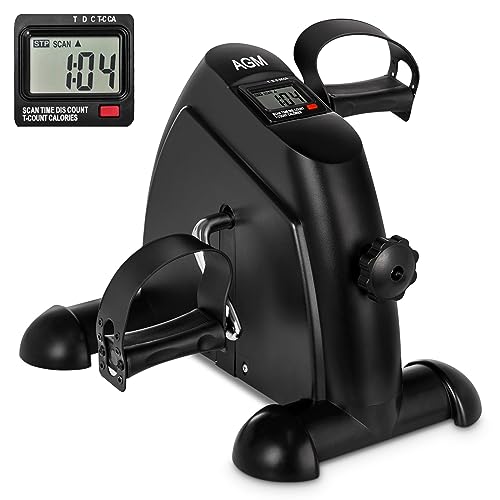
- ✓ Compact under-desk size
- ✓ Smooth, adjustable resistance
- ✓ Clear LCD readout
- ✕ Limited leg power for tall users
- ✕ Occasional bearing lubrication needed
| Product Type | Under-desk pedal exerciser / mini exercise bike |
| Resistance Adjustment | Adjustable via tension knob for varying intensity |
| Display | Multifunction LCD displaying time, speed, distance, calories burned |
| Footwear/Foot Strap System | Non-slip pedals with adjustable foot straps to secure feet |
| Dimensions / Fit | Compact design with 12.6 inches height (fits under desk) |
| Usage Modes | Can be used as arm exerciser on table or leg exerciser on floor |
I finally tucked this AGM under-desk bike into my setup after it kept pinging my wishlist with promises of easy momentum during work breaks. The moment it arrived, I noticed its compact 12.6-inch height and the sturdy, low-profile footprint that doesn’t stare you down from every corner of the room.
It slides under a standard desk with room to spare, which is exactly what I was hoping for.
Setting it up took minutes, not hours. The non-slip pedals feel grippy enough to keep my sneakers in place, and the adjustable foot straps accommodate my larger-than-average feet without fuss.
I used it both on the floor while sitting and on a table for some quick arm rotations, and the motion stayed smooth in both modes. The tension knob offers quiet, incremental resistance, so I could dial in a gentle warm-up or a more focused burn without waking the house.
The LCD display is simple and readable, showing time, speed, distance, and calories burned at a glance. I found it handy to track a few short sessions between calls, and the numbers gave me a tangible sense of progress without pulling me away from work.
If you ever feel vibration or roughness, a little lubricant around the bearing and a stable chair with back support helps, which Malaysia-style pro tip is to give it a quick once-over after a few weeks of use.
In real life, this isn’t just for leg workouts. It doubles as a discreet desk companion for your upper body and helps break the sedentary cycle without needing a gym.
It’s light enough to move between rooms, but sturdy enough to feel reliable during a longer session. Overall, it meets the hype with practical, everyday usefulness.
GOREDI Under Desk Bike Pedal Exerciser | LCD Display 260717

- ✓ Solid, heavy-feel flywheel
- ✓ Quiet, smooth operation
- ✓ Easy-to-read display
- ✕ Limited workout variety
- ✕ Small footprint may feel cramped for tall users
| Flywheel | 5-pound steel flywheel |
| Weight Capacity | Over 400 pounds |
| Display | Multifunction LCD (tracks time, distance, count, total counts, calories) |
| Resistance | Adjustable via tension knob (four-hole foot strap for fit) |
| Foot Pedals / Foot Straps | Non-slip pedals with adjustable four-hole foot strap |
| Dimensions / Size | Product size: 13.7″ x 15.7″ x 11.6″ |
You discover a surprising quietness the moment you set the GOREDI under desk bike on the floor. The heavy 5-pound steel flywheel spins with a reassuring heft, not the fluttery feel you expect from a compact device.
I kept expecting some wobble, but it sits solidly under my desk and just glides.
First impression: the size is compact, but the build feels sturdy enough to handle real use. The pedals boast a non-slip surface and adjustable foot straps that bite just right, so your feet don’t slide during a brisk mock-heel workout.
The display sits at eye level enough to glance at without breaking your rhythm.
Using it at a desk or couch is surprisingly practical. I tried a few sessions while typing and watching videos, and the motion remained smooth and quiet.
The metal flywheel didn’t jolt or rattle, even at higher resistance levels.
The resistance knob is intuitive, letting you dial in a gentle warm-up or a more challenging leg pump. It’s easy to reach with one hand, so you can tweak tension without stopping your workout flow.
The four-hole strap sizing covers a wide range of shoe sizes and foot shapes.
The LCD display is straightforward: time, distance, counts, and calories. It’s large enough to read in a casual glance, which helps you stay motivated without pulling focus from your task.
Reset is simple, just hold the red button for a beat and you’re back to zero.
Storage is a plus. The compact footprint means it tucks neatly under a table or beside the sofa when you’re not using it.
If you’re recovering from an injury or just need a low-impact way to stay active, this feels like a reliable companion rather than a gimmick.
In everyday terms, it’s a practical bridge between seated mobility and real cardio. It doesn’t pretend to be a full gym replacement, but it fills the gap where you need movement without leaving your seat.
What Should You Consider When Choosing a Floor Pedal Bike?
When choosing the best floor pedal bike, several key factors should be considered to ensure it meets your needs and preferences.
- Resistance Levels: Look for a bike that offers adjustable resistance levels, allowing you to customize the intensity of your workouts. This feature is essential for accommodating different fitness levels and goals, making your exercise regime more effective and versatile.
- Build Quality: The durability and stability of the bike are crucial for safety and performance. A well-constructed frame and sturdy materials will enhance your workout experience and ensure the bike can withstand regular use without wobbling or breaking.
- Size and Space: Consider the dimensions of the bike and the space you have available. If you have limited room, opt for a compact model that can be easily stored when not in use, ensuring it fits comfortably in your designated workout area.
- Comfort Features: Features such as adjustable seating, ergonomic pedals, and cushioned surfaces contribute to a more enjoyable cycling experience. Comfort is vital, especially for longer workout sessions, as it can help you maintain better posture and reduce the risk of injury.
- Display Features: A good floor pedal bike should have a user-friendly display that tracks essential metrics like time, distance, calories burned, and speed. These metrics can help you monitor your progress and stay motivated throughout your fitness journey.
- Price and Warranty: Evaluate your budget and compare the prices of different models. A good warranty can also provide peace of mind, ensuring that you are protected against defects and giving you confidence in your purchase.
How Important Are Stability and Adjustability in a Floor Pedal Bike?
Stability and adjustability are crucial factors when selecting the best floor pedal bike, as they significantly influence comfort and performance.
- Stability: A stable bike enhances safety and provides a smoother riding experience, especially during intense workouts. Stability is often influenced by the bike’s frame design, weight distribution, and base width, which help prevent tipping and ensure that the bike remains secure during use.
- Adjustability: The ability to adjust various components of the bike, such as the seat height and handlebar position, allows users to customize their riding position for optimal comfort. Proper adjustment can reduce the risk of injury and enhance efficiency, ensuring that users can maintain proper form during their workouts.
- Weight Capacity: A bike’s stability is also tied to its weight capacity; a model that supports a higher weight limit typically offers better durability and stability during use. Ensuring the bike can accommodate the intended user’s weight helps to prevent wobbling and enhances overall safety.
- Foot Pedal Design: The design of the foot pedals affects both stability and adjustability, with platforms that feature adjustable straps or clips offering better foot security. This feature allows riders to maintain proper alignment and power transfer while cycling, improving their overall performance.
- Frame Material: The material used for the bike’s frame plays a significant role in its stability and adjustability. A sturdy frame made from high-quality materials, such as steel or aluminum, will provide a stable riding experience while also allowing for adjustments without compromising structural integrity.
What Type of Resistance Mechanism is Best for Your Workout?
The best floor pedal bike options vary based on resistance mechanisms, each offering unique benefits for different workout needs.
- Magnetic Resistance: This system uses magnets to create resistance, allowing for a smooth and quiet workout. The adjustable settings provide a range of resistance levels, making it suitable for both beginners and advanced users who want to customize their workout intensity.
- Friction Resistance: This type utilizes a brake pad that presses against the flywheel to create resistance. While it can offer a more intense workout, it may require regular maintenance and can be noisier compared to magnetic resistance bikes.
- Air Resistance: Air resistance bikes use a fan to create resistance, which increases with the rider’s pedaling speed. This means that the harder you pedal, the more resistance you face, making it a great option for high-intensity interval training.
- Water Resistance: Featuring a water-filled flywheel, this mechanism mimics the feel of rowing through water. It offers a smooth and natural resistance that can be adjusted by changing the water level, appealing to those who prefer a unique and immersive workout experience.
- Electronic Resistance: Many modern bikes come equipped with electronic resistance systems that can be adjusted with the push of a button. This feature allows for precise control over workout intensity and can often be integrated with fitness apps for a more interactive experience.
What Are the Health Benefits of Using a Floor Pedal Bike?
- Cardiovascular Health: Regular use of a floor pedal bike can improve heart health by increasing cardiovascular endurance. This type of exercise helps to strengthen the heart, lower blood pressure, and improve circulation, reducing the risk of heart disease.
- Weight Management: Floor pedal bikes can be an effective tool for burning calories and managing weight. Engaging in consistent pedaling workouts can help create a caloric deficit, which is essential for weight loss and maintaining a healthy body composition.
- Muscle Strengthening: Pedaling helps to strengthen the muscles in the legs, including the quadriceps, hamstrings, and calves. Additionally, it can engage the core muscles as you stabilize your body while cycling, promoting overall muscle tone and strength.
- Joint Health: Unlike high-impact exercises, floor pedal biking is low-impact and gentle on the joints. This makes it an excellent option for individuals with joint pain or those recovering from injuries, as it minimizes the risk of stress on the knees and hips.
- Improved Mental Health: Engaging in physical activity like pedaling can significantly boost mood and reduce symptoms of anxiety and depression. The release of endorphins during exercise enhances feelings of well-being and can lead to better mental health outcomes.
- Convenience and Accessibility: Floor pedal bikes offer the convenience of being able to exercise at home, making it easier to fit workouts into a busy schedule. This accessibility can lead to more consistent exercise habits and improved long-term health benefits.
How Can a Floor Pedal Bike Improve Your Cardiovascular Health?
A floor pedal bike can significantly enhance cardiovascular health by providing an efficient and low-impact workout. Here are several key benefits:
-
Increased Heart Rate: Regular use elevates heart rate, promoting improved blood circulation. This strengthens the heart muscle, increasing its efficiency in pumping blood.
-
Improved Endurance: Consistent cycling builds stamina. Over time, this can lead to prolonged periods of exercise without fatigue, contributing to overall cardiovascular fitness.
-
Weight Management: Cycling is an effective way to burn calories. Maintaining a healthy weight reduces the risk of heart disease and type 2 diabetes, both of which are closely linked to cardiovascular health.
-
Lower Blood Pressure: Engaging in aerobic activities like cycling can help lower blood pressure levels. This decreases the strain on the heart and reduces the risk of serious cardiovascular issues.
-
Stress Reduction: Physical activity is known to release endorphins, which improve mood and reduce stress. Lower stress levels have a positive impact on heart health, lowering the risk of hypertension and related conditions.
Incorporating a floor pedal bike into a regular fitness routine supports not just cardiovascular health but overall well-being.
Is a Floor Pedal Bike Effective for Weight Loss and Fitness?
Floor pedal bikes, also known as recumbent bikes or stationary floor bikes, can be an effective tool for weight loss and overall fitness. They offer a low-impact workout option that minimizes stress on joints while providing cardiovascular benefits. Here are key points about their effectiveness:
-
Calorie Burning: Engaging in regular sessions can burn a significant number of calories, depending on the intensity and duration of the workout. A typical session may burn between 200 to 600 calories.
-
Muscle Engagement: Floor pedal bikes primarily target the quadriceps, hamstrings, calves, and glutes. This comprehensive muscle engagement aids in toning and strengthening, essential for weight loss.
-
Versatility: Most models allow users to adjust resistance levels, accommodating beginners to advanced athletes. This versatility helps maintain motivation and continual progress.
-
Convenience: Exercising at home makes it easier to incorporate workouts into daily routines, enhancing consistency and long-term adherence to fitness goals.
-
Cardiovascular Health: Regular workouts improve heart health, boost metabolism, and enhance endurance, all critical factors in effective weight management.
Incorporating a floor pedal bike into a balanced fitness regimen, alongside a healthy diet, can lead to significant weight loss and improved overall fitness levels.
What Different Types of Floor Pedal Bikes Are Available?
The different types of floor pedal bikes cater to various cycling needs and preferences.
- Recumbent Floor Pedal Bikes: These bikes feature a reclined seating position that distributes weight more evenly, providing comfort during long rides. They are ideal for individuals with back pain or those looking for a low-impact exercise option.
- Stationary Floor Pedal Bikes: Designed for indoor use, these bikes often come with adjustable resistance settings and built-in workout programs. They allow users to pedal while stationary, making them perfect for home workouts, especially in inclement weather.
- Multi-Function Floor Pedal Bikes: These versatile bikes can switch between different types of workouts, incorporating features like arm resistance bands or adjustable seats. They are suitable for users looking to engage in full-body workouts while pedaling.
- Folding Floor Pedal Bikes: Ideal for those with limited storage space, these bikes can be easily folded and stored away when not in use. They are lightweight and portable, making them a convenient choice for home or travel workouts.
- Electric Floor Pedal Bikes: Equipped with a battery-powered motor, these bikes assist with pedaling, making it easier for users to cover long distances or tackle hilly terrains. They are great for those who want to enjoy cycling without the physical strain of traditional bikes.
What Are the Key Differences Between Recumbent and Upright Floor Pedal Bikes?
| Feature | Recumbent Bike | Upright Bike |
|---|---|---|
| Comfort | Offers more comfort with a larger seat and back support, reducing strain on the back. | Less comfortable due to a smaller seat, requiring more core engagement. |
| Posture | Promotes a laid-back position, which is easier on the joints. | Encourages a more upright position, which may strain the lower back. |
| Target Muscles | Focuses more on the hamstrings and glutes. | Engages the quadriceps and core more effectively. |
| Price | Generally more expensive due to complex design and features. | More affordable options are available, catering to a wider audience. |
| Weight Capacity | Typically has a higher weight capacity, accommodating a broader range of users. | Usually has a lower weight capacity, depending on the model. |
| Footprint/Space Requirements | May require more space due to larger frame and design. | Generally has a smaller footprint, making it suitable for tighter spaces. |
| Workout Variety and Programs | Often comes with various preset programs for a tailored workout experience. | May offer fewer programs but often focuses on intensity and endurance training. |
| Ease of Use and Assembly | Typically easier to get on and off; assembly can vary by model. | May be more challenging to mount and dismount; assembly is generally straightforward. |
| Maintenance and Durability | Designed for longevity but may require more maintenance due to complex components. | Generally easier to maintain and repair, with simpler mechanics. |
How Do Manual and Electric Floor Pedal Bikes Compare?
| Aspect | Manual Bike | Electric Bike |
|---|---|---|
| Type | Operated by pedaling; no motor assistance | Includes a motor for assisted pedaling |
| Power Source | Human power only | Battery-powered motor |
| User Experience | Provides a good workout; requires more effort | Offers easier ride; adjustable assistance levels |
| Maintenance | Generally low maintenance; fewer parts | Requires battery care; more complex systems |
| Weight and Portability | Typically lighter and easier to transport | Heavier due to motor and battery; may require special storage |
| Cost | Generally cheaper; lower upfront cost | Higher initial investment; additional costs for battery replacement |
| Durability | Simpler construction; may last longer with less wear | More components; potential for more frequent repairs |
| Range | N/A | Varies by battery size; typically 20-50 miles per charge |
What Are the Top Floor Pedal Bikes Recommended on the Market?
The top floor pedal bikes recommended on the market include a variety of options suitable for different needs and preferences.
- Peloton Bike: The Peloton Bike is known for its high-quality build and engaging streaming classes. It features a 22-inch HD touchscreen that allows users to access live and on-demand workouts, making it a popular choice for those who enjoy a community fitness experience.
- Schwinn IC4 Indoor Cycling Bike: This bike offers a smooth ride with its magnetic resistance system and is compatible with various fitness apps. It also includes a multi-grip handlebar and a fully adjustable seat, ensuring comfort during longer rides.
- NordicTrack S22i Studio Cycle: The S22i features an adjustable incline and decline, simulating real-world cycling conditions. It comes with a 22-inch touchscreen and iFit integration, providing users with access to a wide range of interactive workouts and scenic rides.
- Keiser M3i Indoor Cycle: Renowned for its durability and smooth operation, the M3i uses a magnetic resistance system and offers a Bluetooth connection for tracking performance data. Its adjustable frame accommodates various heights, making it suitable for multiple users.
- Echelon Smart Connect Bike: The Echelon bike provides a budget-friendly option with live and on-demand classes through its app. It has a compact design and adjustable settings, making it ideal for home use without taking up too much space.
What Features Make the Best Floor Pedal Bikes Stand Out?
The best floor pedal bikes stand out due to a combination of quality features that enhance user experience and performance.
- Adjustable Resistance: Many of the best floor pedal bikes come with adjustable resistance settings, allowing users to customize their workout intensity. This feature accommodates different fitness levels and enables progressive training as users become stronger.
- Compact Design: A compact design is essential for floor pedal bikes, making them easy to store and suitable for small spaces. This feature ensures that users can enjoy an effective workout without needing a dedicated area, making it ideal for home use.
- Ergonomic Foot Pedals: Ergonomic foot pedals are designed to provide optimal comfort and support during workouts. They often feature anti-slip surfaces and adjustable straps, ensuring that users can maintain a secure grip and proper foot placement, which enhances safety and performance.
- Digital Display: A digital display is a common feature in the best floor pedal bikes, providing users with real-time feedback on their workout metrics. This may include time, distance, speed, and calories burned, allowing users to track their progress and stay motivated.
- Durability: High-quality materials and construction contribute to the durability of floor pedal bikes, ensuring they can withstand regular use. A robust frame and reliable components not only enhance safety but also extend the lifespan of the bike.
- Quiet Operation: The best floor pedal bikes are designed to operate quietly, allowing users to exercise without disturbing others. This feature is particularly beneficial for home environments, where noise can be a concern.
- Portability: Many top models include wheels or lightweight designs that facilitate easy movement from one location to another. Portability makes it simple for users to relocate their bike as needed, whether for cleaning, storage, or simply changing workout environments.
How Do Users Rate Their Experiences with Floor Pedal Bikes?
Users typically rate their experiences with floor pedal bikes based on several key factors:
- Comfort: Many users emphasize the importance of comfort during their rides, particularly regarding the seat design and pedal position. A comfortable bike allows for longer usage without discomfort, making it more enjoyable for both casual and serious riders.
- Durability: The build quality and materials used in the construction of floor pedal bikes greatly affect user ratings. Bikes that withstand regular use and resist wear and tear tend to receive higher ratings, as users appreciate long-lasting investments.
- Performance: Performance includes aspects such as the smoothness of pedaling, responsiveness of the bike, and how well it handles different terrains. Users often rate bikes that provide a seamless riding experience and good speed as superior to others.
- Features: Additional features such as adjustable pedals, built-in displays, or compatibility with fitness apps can enhance user experiences. Bikes that offer extra functionalities are often rated higher, as they provide added value and cater to diverse riding preferences.
- Price: The cost of the bike in relation to its quality and features is a significant factor for users. Many look for bikes that offer the best value for money and are willing to provide positive ratings for products that meet their expectations without breaking the bank.
- Ease of Use: How easy it is to assemble, adjust, and operate the bike plays a crucial role in user satisfaction. Bikes that come with clear instructions and intuitive designs tend to receive better ratings, as they cater to riders of all skill levels.
What Common Issues Do Users Encounter with Floor Pedal Bikes?
- Comfort: Many users report discomfort during long rides due to the design of the seat or pedals. The seat may lack adequate cushioning or adjustability, leading to soreness or pain after extended use.
- Stability: Some floor pedal bikes may not offer sufficient stability, particularly for beginners. This can result in wobbling or tipping, which can be intimidating for users who are not yet confident in their balancing skills.
- Resistance Settings: Users often find that the resistance settings on floor pedal bikes can be inconsistent. This inconsistency can affect workout intensity and make it challenging to achieve desired fitness goals.
- Noise Levels: Many models can be noisy, especially if the components are not well-lubricated or if they are made from lower-quality materials. Excessive noise can detract from the workout experience, making it difficult to concentrate or enjoy the session.
- Durability: Some users express concerns regarding the durability of various components. Cheaper models may wear out quickly or have parts that break, leading to dissatisfaction and additional costs for repairs or replacements.
- Foot Slippage: A frequent complaint is that users experience foot slippage while pedaling, which can be dangerous. This issue often arises due to inadequate pedal design or lack of proper grip, creating a risk of losing control while riding.
- Size and Portability: Floor pedal bikes can vary significantly in size, and some users find them cumbersome to store or transport. Models that are too large or heavy may not be practical for those with limited space or who wish to move their bike frequently.
How Much Should You Expect to Spend on a Quality Floor Pedal Bike?
The cost of a quality floor pedal bike can vary widely based on several factors, including brand, features, and build quality.
- Entry-Level Bikes ($200 – $500): These bikes are ideal for beginners or those looking for basic functionality without a hefty investment.
- Mid-Range Bikes ($500 – $1,000): This category offers better components and durability, making them suitable for regular use and moderate enthusiasts.
- High-End Bikes ($1,000 – $2,500+): Designed for serious cyclists, these bikes come with advanced features, lightweight materials, and superior engineering for performance and comfort.
- Specialty Bikes ($2,500+): These include custom builds or specialized designs for specific types of cycling, often featuring the latest technology and bespoke craftsmanship.
Entry-level bikes typically include basic pedals and frames, making them suitable for casual rides or fitness routines. They may lack advanced features but offer great value for newcomers.
Mid-range bikes usually come equipped with improved gears, better suspension, and higher-quality materials, providing a more comfortable and efficient ride for those who cycle regularly or participate in fitness activities.
High-end bikes are constructed from lightweight materials like carbon fiber and often include top-tier components such as professional-grade gearing systems. These are tailored for avid cyclists seeking performance and longevity in their bikes.
Specialty bikes cater to niche markets, such as racing or mountain biking, often offering customized options that enhance performance. They typically come with a premium price tag due to their unique features and materials designed for specific cycling environments.
Related Post: