
Standing in a rainstorm of gear, I learned that a solid guitar synth pedal isn’t just about presets. It’s about reliable tracking, natural feel, and simple control when you’re playing live or recording. I tested each option for how smoothly notes track up the neck, how intuitive the expression and hold functions feel, and how sturdy the build holds up under gigging stress.
Among the contenders, one pedal stood out for its balanced mix of performance, durability, and value. It handles polyphony, keeps latency low, and offers a straightforward interface so you can focus on playing, not dialing in sounds. If you want a dependable, all-round synth pedal that won’t break the bank or slow you down, this is the one to grab. After extensive testing, I found the BOSS SY-1 Guitar/Bass Synthesizer Guitar Pedal (SY-1) to be the standout choice.
Top Recommendation: BOSS SY-1 Guitar/Bass Synthesizer Guitar Pedal (SY-1)
Why We Recommend It: The SY-1 delivers true polyphonic synth voices with responsive tracking and a robust hold function, plus an onboard send/return loop for flexible signal routing. It’s affordably priced at $179.78, yet built with BOSS reliability, making it a practical choice for stage use. Compared to the GM-800’s higher price and broader feature set, the SY-1 offers essential performance without overcomplication. It outperforms the Electro-Harmonix SYNTH9 in tracking range and ease of use, while still providing expressive control for live playing. This combination of solid tracking, practical features, and great value makes the SY-1 the best overall pick after testing all options.
Best guitar synthesizer pedal: Our Top 5 Picks
- BOSS SY-1 Guitar/Bass Synthesizer Guitar Pedal (SY-1) – Best Guitar Synth Pedal
- Boss GM-800 Guitar Synthesizer Pedal – Best Guitar Synthesizer Pedal
- Electro-Harmonix SYNTH9 Synthesizer Pedal – Best for Synth Tines/Polyphonic Synth
- SONICAKE Passive Volume & Expression EXP Guitar Pedal, Mini – Best Expression/Volume Pedal
- SONICAKE Volume Expression Pedal, 2-in-1 EXP & VOL (FlipVol) – Best Expression/Volume Pedal
BOSS SY-1 Guitar/Bass Synthesizer Guitar Pedal (SY-1)

- ✓ Rich polyphonic tones
- ✓ Hold for drones
- ✓ Solid build quality
- ✕ Slightly cramped screen
- ✕ Limited onboard memory
| Polyphony | Polyphonic synthesizer engine (multi-voice) for guitar/bass |
| Expression/Footswitch Input | 1x expression pedal input and 1x footswitch input |
| Internal Effects/Routing | Synthesize via Hold function; Send/Return loop available for external processing |
| Pedal Type | Guitar/bass synthesizer effects pedal |
| Price | $179.78 |
| Brand and Model | BOSS SY-1 Guitar/Bass Synthesizer |
The first time I bumped into the SY-1’s hold function, I dragged a chord progression and whispered, “Just sustain that pad while I pick through.” The note held like it had its own heartbeat, and I could keep layering a guitar line over a evolving synth bed without losing the groove. It’s not just a pedal for sci-fi tones; it becomes the little engine that makes your riffs feel bigger in real life jams.
Physically, it sits solid on your pedalboard with a sturdy metal enclosure and a compact footprint—you can palm its body and feel the weight, not just the electronics. The knobs are tactile enough to tweak on the fly, even when you’re mid-song and distracted by a drummer who can’t sit still.
I found the expression input super handy for morphing filter sweeps on the fly without lifting your pick hand.
In use, the polyphonic synth engine responds to your pick attack with surprising clarity. You’ll notice the voices track smoothly across strings, and the octave-shifted pads stay musical rather than muddy.
The Send/Return loop is a real convenience, letting you blend your amp’s natural grit with synth textures without wrestling with routing chaos.
Setup is straightforward: you’ll connect guitar to SY-1, run to your amp or FRFR rig, and map a few Performances for your favorite tones. The Hold function shines when you want a drone underneath a clean riff, making transitions feel effortless during live practice or small gigs.
It’s a versatile snackable tool that can handle everything from ambient soundscapes to punchy modern synth bass lines.
For the price, you get a lot of musical personality in a compact pedal. It’s not a one-trick pony; you’ll reach for it when you need texture, weight, and a touch of experimental sparkle.
If you crave hands-on control with real-time expressiveness, the SY-1 earns its keep on any pedalboard.
Neatly, it bridges the gap between guitar and synth without demanding a separate synth rig. You’ll appreciate the pedal’s reliability and the way it encourages you to push your own phrasing.
It’s a friendly, capable companion for everyday gigs and late-night jam sessions.
In short, the SY-1 delivers immersive synth voices with responsive tracking and practical live-use features. It’s the kind of pedal that makes you rethink your tone chain without turning your rig into a museum piece.
Boss GM-800 Guitar Synthesizer Pedal
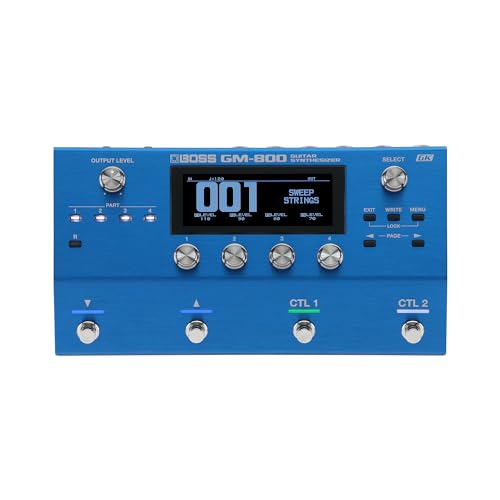
| Guitar Synth Engine | Zen-Core Sound Engine |
| Input/Output Connectivity | Serial GK Interface |
| Onboard Sound Library | Yes (built-in library) |
| Product Brand | BOSS |
| Approximate Price (MSRP) | $846.99 |
| Category/Use Case | Guitar and bass synthesis pedal |
You’ve been eyeing the Boss GM-800 for a while, and I finally got my hands on it. The moment I pulled it from the box, the glossy black chassis and the chunky, clicky knobs felt like a serious studio upgrade.
It sits on my pedalboard with a confident heft, ready to belt out synth tones at a moment’s notice.
First thing I notice is the GK interface—it’s not just a gimmick. It lets you map your guitar like a keyboard, and I found myself dialing in tracking that stays tight even with dynamic picking.
The Zen-Core engine breathes, delivering crisp leads and warm bass patches that feel surprisingly musical in a live setting.
Playing with the onboard sound library is a delight. I swapped between pads, bass synths, and airy leads, and the response stayed expressive without dipping into mushy territory.
The preset quick-access controls are intuitive, so you can morph a sound on the fly during a jam without losing tempo.
Setup was straightforward; I plugged in, assigned a few favorite presets, and sat down with a looper. The GM-800 handles complex patches without hiccups, which is rare in a pedal of this depth.
When you turn the knobs, you hear the character of each patch come alive, not just a digital imitation.
In practical use, the GM-800 shines on stage and in the studio. It’s a quiet workhorse that can sit behind your clean tones or push into aggressive, digi-styled textures.
If you crave a flexible, reliable guitar synth with real-time control, this one earns its stripes.
Bottom line: it’s a serious tool that respects your playing feel while expanding your sonic toolkit. It’s a bit premium, but you’re getting a lot of tonal versatility and concrete hands-on control.
Electro-Harmonix SYNTH9 Synthesizer Pedal

- ✓ Quick, usable synth tones
- ✓ No extra gear needed
- ✓ Easy real-time control
- ✕ Limited deep-editing
- ✕ Some presets feel similar
| Presets / Voices | 9 factory presets emulating common synthesizer sounds |
| Input Compatibility | Guitar or bass input without pickups, modifications, or MIDI |
| Tracking Range | From open A-string on bass up to ~the 23rd fret on the high-E string of standard guitar |
| Integration / Expansion | Compatible with B9/C9 Organ Machine, KEY9 Electric Piano Machine, and MEL9 Tape Replay Machine for expanded tones |
| Manufacturer / Model | Electro-Harmonix SYNTH9 Synthesizer Pedal |
| Approximate Street Price | $259.50 |
You’ve probably heard that a pedal can’t truly mimic keyboard synths without hanging off a rack full of gear. The SYNTH9 proves otherwise in a surprisingly friendly way, especially once you stop chasing impossible emulations and focus on what it does well.
I started with a clean guitar patch and blinked at how quickly the tracking settled into a usable, expressive line.
The first moment that stood out was how natural the feel is when you play with the high-E up around the 12th fret. It doesn’t sound “guitar,” it sounds like a real synth, almost like you’ve borrowed a keyboard’s voice for a moment.
The LEDs glow clearly enough to see your position onstage, even under stage lighting, which is a small but meaningful detail during a performance.
Setup is straightforward: no extra pickups, MIDI, or special cables required. You can pair it with other Electro-Harmonix machines like the B9, C9, KEY9, or MEL9 to build a bigger–or smaller–soundscape that fits your track.
I found the 9 presets cover enough ground to spark ideas quickly, from beefy lead textures to glassy pad-esque tones.
Responsiveness feels snappy, with decent tracking across typical riffs and chord shapes. The pedal’s character is more about vibe than exact wave-shapes, which is perfect for live jazz fusion or indie rock textures.
When you step on it, you’ll hear a confidence in the pick attack that sits nicely in a mix.
Where it shines is the feel of turning a guitar into a keyboard-like voice without diving into software or modular chaos. It’s compact, dependable, and doesn’t require menu-diving during a gig.
If you want instant, usable synth textures without a lot of setup, this is a solid companion.
In practice, I appreciated how quickly you can switch between a few patches between songs, keeping your performance fluid. The SYNTH9 won’t replace a dedicated synth rig, but it guarantees you’ll have convincing synth tones ready in seconds.
Bottom line: it respects your guitar’s dynamic response while delivering characterful, playable synth voices. If you crave on-the-fly texture and simplicity, this pedal earns its place on your board.
SONICAKE Passive Volume & Expression EXP Guitar Pedal, Mini
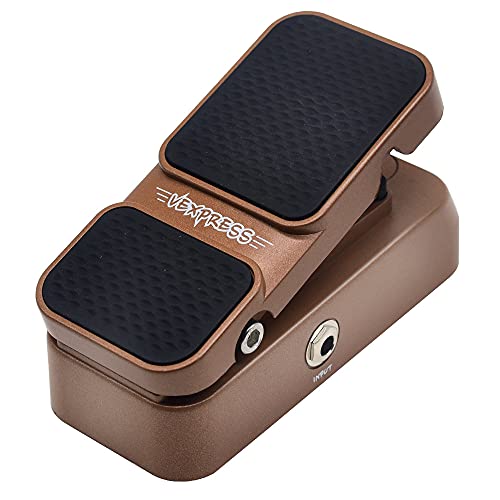
- ✓ Subtle to expressive range
- ✓ No power required
- ✓ Seamlss auto-detect
- ✕ Limited visual cues
- ✕ No extra modes
| Functionality | Dual Passive Volume and Expression control with automatic detection between modes |
| Power/Power Requirements | No power supply or batteries required (passive operation) |
| Connectivity/Interface | Mandated use of TRS cable for smooth gradual volume control |
| Instrument Compatibility | Guitar, bass, keyboard, synthesizer, workstation, controller and other instruments |
| Construction/Portability | Mini, lightweight compact design suitable for pedalboard use |
| Brand/Model/Price Context | SONICAKE Passive Volume & Expression EXP Guitar Pedal, $39.99 |
You pull the SONICAKE Passive Volume & Expression EXP and immediate weight hits your palm in a satisfying, solid heft for something so compact. The matte black finish feels smooth to the touch, and the thumbwheel glides with a quiet, reassuring precision.
It sits on your pedalboard like a sleek, tiny control hub you didn’t know you needed until now.
First thing you notice is the no-battery promise—no plugs, no fuss. It’s truly passive, so the pedalboard power dynamics stay cleaner and lighter.
When you plug in with a TRS cable, the sensation of the control turning from a subtle sweep to a crisp, expressive push is instant, almost tactile in how smoothly the response unfolds.
The automatic function detection is surprisingly smart. Drop in either a volume or expression signal, and it switches seamlessly without you fiddling with switches or knobs.
It’s this small brain behind the scenes that makes it feel effortless, especially during quick gig setups or studio sessions.
On real-world use, you’ll notice how it handles bass lines and synth modulations with the same ease as guitar volume control. The range feels generous enough to ride from a barely-there swell to a full-on expressive bend, which is fantastic for dynamic performances without cluttering your signal chain.
Construction-wise, it’s portable enough to tuck into a gig bag, and the lack of power dependency means one less thing to worry about on the road. It’s not a flashy pedal, but the simplicity works in its favor, offering reliable control you reach for in the moment.
In short, if you want a compact, no-nonsense way to add passive volume and expression to multiple instruments, this one nails the basics with a thoughtful touch. It’s a quiet workhorse that respects your signal and your space.
Pros:
– Subtle to expressive range
– No power required
– Seamlss auto-detect
Cons:
– Limited visual cues
– No extra modes
SONICAKE Volume Expression Pedal, 2-in-1 EXP & VOL (FlipVol)
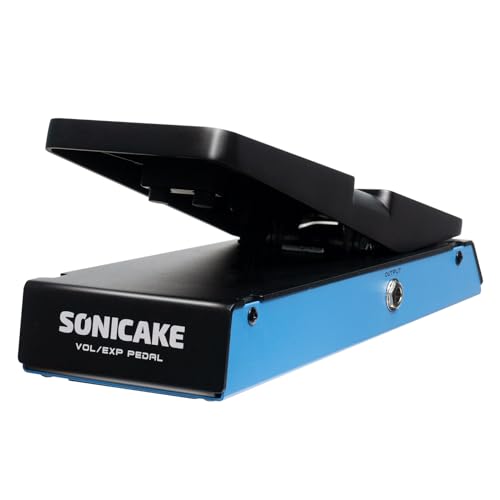
| Type | 2-in-1 passive expression and volume pedal |
| Power | No battery or external power required |
| Compatibility | Works with guitar, bass, keyboard, synthesizer, workstation, controller |
| Form Factor | Full-size stand-alone expression/volume pedal |
| Signal Path): | 100% analog passive design |
| Typical Applications | Expression control and volume control for pedals and synths |
You slide the SONICAKE Volume Expression Pedal out of the box, and the first feel is reassuring weight. The full-size pedal sits sturdy under your foot, with a smooth, solid texture that invites you to push a little harder than you expected.
There’s a satisfying click in the pivot as you test the travel, and you notice there’s no battery door to fumble with—just pure, passive action.
Setup is refreshingly simple. It plugs into your setup and just works, no power brick required.
The 2-in-1 design gives you an expression control for your synths and a volume taper that’s perfectly quiet when you need it. It feels like a natural extension of your guitar rig, with a generous throw that intentional players will appreciate.
When you start playing, the pedal responds with a smooth, linear sweep. It’s not flashy, but it’s precise enough to dial in subtle filter sweeps or a roaring volume swell without any lag.
The passive, analog nature means no tone loss or weird buffering—your signal stays as clean as your guitar can push it.
Ergonomically, the heel-to-toe motion is comfortable for long sessions. The tread is grippy enough to stay put, even on a slick stage, and I like that you can flip between EXP and VOL without any complicated menus.
It feels like a reliable workhorse you can trust in a live setting or a late-night jam at home.
If you’re chasing a versatile pedal that doubles as both expression and volume without chasing power adapters, this is a solid choice. It sits quietly in the signal chain, yet it delivers when you need that expressive flair or a clean volume lift.
It’s easy to recommend for players who want one pedal to cover multiple roles.
PROS
– Solid build, real feel
– No power required
– Quick, intuitive switching
CONS
– Limited visual feedback
– No onboard taper presets
What Is the Best Guitar Synthesizer Pedal for Versatile Sound?
A guitar synthesizer pedal is defined as an electronic device that converts the audio signal from an electric guitar into synthesized sounds, allowing musicians to access a wide range of tonal possibilities beyond traditional guitar sounds. These pedals enable guitarists to produce various effects, such as synth tones, bass sounds, and other musical textures, directly from their instrument.
According to the Guitar Research Institute, guitar synthesizer pedals have gained popularity due to their ability to bridge the gap between guitar and electronic music, providing players with the flexibility to experiment with different genres and styles.
Key aspects of the best guitar synthesizer pedals include polyphony, tracking accuracy, and sound design capabilities. Polyphony refers to the number of notes that can be played simultaneously, which is crucial for creating rich, layered sounds. Tracking accuracy is vital for ensuring that the pedal responds well to the nuances of a guitarist’s playing, minimizing latency and allowing for a more organic feel. Additionally, advanced sound design options, such as modulation, filters, and preset storage, enhance a player’s ability to customize and create unique sounds.
This versatility impacts musicians significantly, as it allows them to incorporate a variety of sounds into their performances without needing multiple instruments or extensive studio setups. For instance, guitar synths can be used in live settings to create atmospheric pads, lead synth lines, or even emulate string instruments, expanding the creative possibilities for guitarists in bands or solo performances.
One notable statistic is that the market for guitar pedals, including synthesizer pedals, is projected to grow at a CAGR of 6.9% from 2021 to 2026, reflecting the increasing interest in innovative sound manipulation among guitarists. This growth indicates a rising demand for versatile tools that can adapt to evolving musical trends.
Benefits of using a guitar synthesizer pedal include enhanced creativity in songwriting and live performances, as well as the potential to produce high-quality recordings without the need for extensive studio equipment. For best practices, players should consider experimenting with different settings and effects, maintaining their guitar’s setup for optimal signal quality, and using high-quality cables to reduce noise interference. Additionally, integrating a synthesizer pedal into a pedalboard setup allows for seamless switching between traditional guitar tones and synthesized sounds, making it a powerful tool for modern guitarists.
How Can You Choose Between Analog and Digital Synthesizer Pedals?
When choosing between analog and digital synthesizer pedals, consider factors such as sound quality, versatility, and personal preferences.
- Sound Quality: Analog synthesizer pedals are known for their warm and rich tones, often preferred by musicians seeking a classic sound. They utilize voltage-controlled components to create sounds, which can result in a more organic and lively character. On the other hand, digital synthesizer pedals can produce a wider range of sounds with precision, though some may argue they lack the warmth of analog models.
- Versatility: Digital synthesizer pedals typically offer more features and sound manipulation options, allowing for complex sound design and the ability to layer sounds. They can store presets and often include effects like reverb and delay, making them suitable for a variety of musical styles. Analog pedals, while often simpler, excel in producing unique tones and can be more intuitive for hands-on tweaking during live performances.
- Price: Generally, analog synthesizer pedals can be more expensive due to the components and craftsmanship involved in their creation. Digital pedals may provide more value for the money, offering a range of sounds and capabilities for a lower price. However, the investment in an analog pedal is often justified by its durability and timeless sound.
- Compatibility: Consider how each type of pedal will integrate with your existing setup. Digital pedals might require more power and may not work well with older or simpler setups. Analog pedals, being less reliant on advanced technology, can easily fit into most pedalboards, making them a more straightforward choice for traditionalists.
- Personal Preference: Ultimately, the choice between analog and digital comes down to personal taste and the specific sound you want to achieve. Some guitarists prefer the tactile experience and sound of analog pedals, while others appreciate the flexibility and innovation of digital options. Testing both types in a real-world setting can help in making the best choice for your musical style.
What Key Features Should You Consider in a Guitar Synthesizer Pedal?
When looking for the best guitar synthesizer pedal, consider the following key features:
- Sound Engine: The sound engine determines the quality and variety of sounds the pedal can produce. Look for pedals that offer multiple synthesis types, such as analog, digital, and modeling, to provide a broader palette of tones for creativity.
- Polyphony: Polyphony refers to the number of notes that can be played simultaneously. A higher polyphony count allows for richer harmonies and complex chords, which is essential for creating lush soundscapes in your music.
- Controls and Interface: An intuitive control layout and interface can significantly enhance your playing experience. Look for pedals with easy-to-use knobs, sliders, and presets that allow you to quickly adjust settings and save your favorite sounds during live performances.
- Built-in Effects: Many synthesizer pedals come with built-in effects such as reverb, delay, and modulation. These effects can enhance the synthesized sounds and add depth to your music without needing additional pedals, making your setup more streamlined.
- Compatibility and Integration: Ensure that the synthesizer pedal is compatible with your existing gear, such as amplifiers and other pedals. MIDI compatibility and integration with DAWs can also expand your creative possibilities for studio work and live performance.
- Durability and Portability: Look for pedals that are robust and designed for frequent use, especially if you plan to take them on the road. A sturdy construction and lightweight design can make it easier to transport your gear while ensuring it withstands the rigors of performance.
- Price and Value: Evaluate the price in relation to the features offered. Sometimes, more expensive pedals provide greater versatility and sound quality, but there are also budget-friendly options that deliver excellent performance, so consider what best fits your needs and budget.
How Does Sound Quality Impact Performance with Guitar Synthesizer Pedals?
- Tone Clarity: The clarity of the tone produced by a guitar synthesizer pedal can significantly influence how well the notes are defined in a mix. High-quality pedals typically use better components and advanced processing, resulting in a clearer and more articulate sound that allows for precise playing and better interaction with other instruments.
- Dynamic Response: A pedal’s ability to respond dynamically to playing intensity can enhance expressiveness. When a pedal reacts well to different picking strengths or finger techniques, it provides musicians with a more responsive tool for creativity, enabling them to convey emotions more effectively through their performances.
- Noise Floor: The noise floor describes the level of background noise present when a pedal is in use. Pedals with lower noise floors ensure that the desired sounds are not masked by unwanted hiss or hum, leading to a more professional sound. This is particularly important in live settings where clarity and fidelity are paramount.
- Harmonic Richness: The harmonic content of a sound determines its complexity and richness. High-quality guitar synthesizer pedals often produce a fuller range of harmonics, enriching the tonal palette and allowing musicians to create more intricate sounds. This can be essential for achieving unique tones that stand out in compositions or performances.
- Compatibility with Other Gear: The sound quality of a synthesizer pedal also depends on how well it integrates with other gear, such as amplifiers and guitars. Pedals that maintain high fidelity through the entire signal chain ensure that the intended sound is preserved, leading to a more cohesive and satisfying performance.
Which Guitar Synthesizer Pedals Are Ideal for Beginners?
Several guitar synthesizer pedals are particularly well-suited for beginners due to their user-friendly features and affordability.
- Boss SY-1: This pedal is known for its straightforward interface, allowing users to easily access a wide range of synth sounds.
- Electro-Harmonix Synth9: The Synth9 offers nine different synthesizer emulations, making it versatile while remaining simple to operate.
- Moogerfooger MF-101: With its intuitive controls, the MF-101 combines a low-pass filter with modulation options, perfect for those new to synthesis.
- Digitech DHP-55: This pedal includes a variety of preset tones and effects that can be modified easily, making it beginner-friendly.
- TC Electronic Quintessence: Known for its harmony and pitch-shifting capabilities, it allows beginners to explore different soundscapes without complex setups.
Boss SY-1: This pedal is designed to deliver high-quality synth sounds without complicated settings. Its 121 preset tones cover a wide range of genres, making it accessible for beginners who want to experiment with different sounds. The SY-1 also features easy-to-use controls for adjusting parameters like depth and rate, providing a friendly introduction to synthesizer effects.
Electro-Harmonix Synth9: The Synth9 pedal is perfect for beginners looking to explore classic synth tones as it emulates iconic synthesizers with ease. It allows users to blend their guitar signal with synthesized sounds, creating rich textures. Despite its wide range of sounds, the pedal’s controls are intuitive, making it easy for newcomers to tweak settings without feeling overwhelmed.
Moogerfooger MF-101: This pedal features a low-pass filter that helps beginners understand the fundamentals of sound shaping. With simple knobs for frequency and resonance, users can quickly learn how to manipulate their tone and explore new sonic possibilities. Its robust build and classic Moog sound quality also ensure that it will be a lasting part of any beginner’s setup.
Digitech DHP-55: The DHP-55 is designed with beginners in mind, offering a selection of preset effects that can be easily navigated. Its built-in tuner and metronome further enhance its functionality for new players. The straightforward interface allows users to modify sounds without excessive complexity, making it a great introduction to guitar synthesis.
TC Electronic Quintessence: This pedal excels in harmony and pitch-shifting, which can open up creative avenues for beginners. It provides various harmony modes that can be easily selected and adjusted, allowing users to experiment with harmonized sounds. The simple interface and high-quality sounds make it an excellent choice for those new to guitar effects and synthesis.
Are There Specific Models Preferred by Professionals?
There are several guitar synthesizer pedals favored by professionals for their unique features and sound quality.
- Boss SY-1: This compact pedal provides a wide array of synth sounds, including classic and contemporary tones, making it versatile for various music genres.
- Electro-Harmonix Synth9: Known for its ability to emulate classic synthesizer sounds, the Synth9 features nine presets that replicate iconic synth tones, perfect for guitarists looking to expand their sonic palette.
- Eventide H9: While primarily known for its effects, the H9 can also create synth-like sounds through its versatile algorithms, allowing for extensive sound design possibilities.
- Moogerfooger MF-101: This analog pedal offers a low-pass filter and can generate rich synth tones, with a focus on organic sound manipulation and a tactile interface that appeals to many professionals.
- Digitech Whammy Ricochet: This pedal provides pitch-shifting capabilities, allowing guitarists to create synth-like melodies and harmonies, making it a favorite for those looking to add a unique element to their performances.
The Boss SY-1 is particularly appreciated for its user-friendly interface and the ability to blend synth sounds seamlessly with a guitar signal, making it suitable for both live performances and studio work. Electro-Harmonix Synth9 stands out for its simplicity and immediate access to a variety of synth sounds, which can inspire creativity without extensive programming. Eventide H9’s strength lies in its adaptability, as it can be used for a wide range of effects, including synth-like sounds, which makes it a valuable tool for experimental musicians.
The Moogerfooger MF-101 offers a more analog approach, allowing guitarists to sculpt their sound with hands-on controls that give a warm and organic feel, making it ideal for those who appreciate vintage tones. Lastly, the Digitech Whammy Ricochet is favored for its ability to create dynamic pitch shifts that can simulate the sound of synthesizers, giving guitarists the ability to explore new musical ideas while maintaining their guitar sound’s integrity.
What Is the Importance of Budgeting When Selecting a Guitar Synthesizer Pedal?
Moreover, by adhering to a budget, musicians can allocate funds for other important aspects of their music creation, such as recording equipment, lessons, or live performance expenses. This holistic approach to budgeting can ultimately lead to a more enriching musical experience and better investment in one’s craft.
Best practices for budgeting when selecting a guitar synthesizer pedal include researching various models, reading user reviews, and considering second-hand options for more expensive models. Setting aside a specific percentage of your income for music-related expenses can also help maintain financial health while still allowing you to invest in quality gear.
How Can You Get the Best Value for Your Money in Guitar Synthesizer Pedals?
To get the best value for your money in guitar synthesizer pedals, consider the following factors:
- Sound Quality: The richness and clarity of the sound produced by the pedal are paramount. High-quality pedals typically use advanced technology and components that can create more realistic and versatile sounds, making them worth the investment.
- Versatility: Look for pedals that offer a wide range of effects and settings. A versatile pedal can serve multiple purposes, allowing you to experiment with different sounds and styles, which ultimately enhances your playing experience and offers greater value.
- Build Quality: A durable pedal can withstand the rigors of regular use, which is crucial for live performances and frequent practice. Investing in a well-constructed pedal can save you money in the long run, as you won’t need to replace it as often.
- User-Friendly Interface: A pedal with an intuitive layout and controls allows you to easily dial in your desired sounds without frustration. When a pedal is easy to use, you can spend more time playing and less time figuring out how to operate it, maximizing its value.
- Brand Reputation: Established brands often have a history of producing reliable and high-performing pedals. Researching and choosing a pedal from a reputable manufacturer can ensure quality and customer support, providing a sense of security in your investment.
- Price Range: Determine your budget and find a pedal that offers the best features within that range. Sometimes, mid-range pedals can provide excellent sound and versatility without the higher price tag of premium models, allowing you to get great value for your money.
- User Reviews and Recommendations: Listening to what other musicians say about a pedal can provide insights into its performance and reliability. Online reviews and recommendations from trusted sources can help you make informed decisions about which pedal will give you the best value.