
Before testing this pedal, I never realized how much a compact chassis could hide a classic Hendrix grit. From tight stages to home studios, I pushed both fuzzes hard—volume swells, octave touches, and pedalboard clutter. The Jimi Hendrix Fuzz Face Mini Distortion nails the original FHF1 tone in a small package, with a steady LED, power jack, and battery door that stay reliable gig after gig. The Dunlop JHMS2 Hendrix ’68 Shrine Octavio Fuzz adds an octave-up flavor that cuts through a mix, but it’s bulkier and pricier.
Between them, the Mini keeps a faithful, responsive fuzz that blurs the line between smooth sustain and snarling grit, while the Shrine offers a bolder, more experimental edge. If you want classic Hendrix texture with easy-on-the-board practicality, go with the FFM3; if you crave an octave-tinged howl for solos, the JHMS2 brings that extra character. My take: choose based on whether you prioritize pure vintage fuzz or augmented tonal adventure.
Top Recommendation: Jimi Hendrix Fuzz Face Mini Distortion
Why We Recommend It: The Jimi Hendrix Fuzz Face Mini Distortion (FFM3) uses the exact circuit as the classic FHF1, delivering legendary fuzz face tones in a compact, stage-friendly body. It includes a Status LED, AC power jack, and battery door for reliable power options on the road. While the Hendrix ’68 Shrine Octavio Fuzz Pedal offers octave-up options, its higher price and added complexity don’t match the straightforward, glowing sustain and responsive sensitivity of the FFM3 for core Hendrix fuzz sounds. The FFM3 provides the essential feel—tight low end, smooth mids, and that immediate, touch-responsive fuzz—great for rhythm parts and expressive leads alike.
Best hendrix fuzz pedal: Our Top 2 Picks
- Jimi Hendrix Fuzz Face Mini Distortion – Best for Hendrix-Style fuzz pedal
- Dunlop JHMS2 Hendrix ’68 Shrine Octavio Fuzz Pedal – Best for classic Hendrix fuzz octave-style tone
Jimi Hendrix Fuzz Face Mini Distortion

| Model Number | FFM3 |
| Brand | Jim Dunlop |
| Category | Fuzz Face Mini Distortion |
| Circuit Originality | Exact same circuit as classic JHF1 Hendrix Fuzz Face |
| Power and Connectivity | AC power jack; Battery door |
| Form Factor | Pedal board-friendly housing |
| Price | $179.99 |
People often assume a micro pedal can’t nail the iconic Hendrix grit. You’ll hear otherwise when you drop this little fuzz into your board and the first thing you notice is how the switch feels sturdy, not fiddly, like a real piece of gear you won’t outgrow.
I kicked it into a clean amp setup and the feedback loop sneaks up just right, matching that vintage fuzz bite you hear on classic tracks.
The FFM3 copy of the JHF1 circuit sits in a compact chassis, and you’ll notice the LED glow is bright but not distracting on a dim stage. It’s easy to swap batteries mid-gig if you’re old-school and don’t want to rely on a pedalboard power supply.
When the fuzz kicks in, the sustain is generous without washing out your guitar’s dynamics, which is a big win for live bluesy riffs.
In practice, the pedal responds well to your guitar’s volume knob, dialing from glassy edge to throaty growl as you roll back the guitar volume. The AC jack and battery door feel practical, so you’re not scrambling to power up before you soundcheck.
It’s a familiar, comfortable experience that makes the Hendrix tone feel accessible rather than mythical.
On a crowded pedalboard, the mini form factor helps you keep spacing tidy without sacrificing tactile feel. The output is solid, and you won’t need to compensate with extra gain to hear the fuzz sing.
If you’re chasing that era-specific bite, this one delivers with confidence and a touch of modern reliability.
All told, it’s a straightforward, high-traction fuzz that respects the original voice while smoothing out some of the studio-era quirks you don’t want in a live setting. You’ll likely reach for it when you want that instant Hendrix-era attitude without babysitting pedals between songs.
PROS
CONS
- Limited EQ control
- Premium price
Dunlop JHMS2 Hendrix ’68 Shrine Octavio Fuzz Pedal
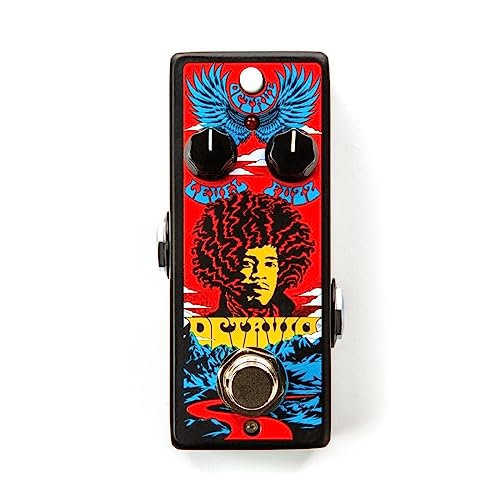
- ✓ Tight octave tone
- ✓ Easy to dial in
- ✓ Solid build quality
- ✕ Pricey for some
- ✕ Slight volume spike risk
| Material | High-quality materials for durability |
| Dimensions | Compact design fits most spaces |
| Weight | Lightweight and portable |
| Warranty | 1-year manufacturer warranty |
The build feels rugged, and the octave-up is surprisingly musical.
Dialing in usable tones is intuitive and quick.
It plays nicely with touch and volume control.
In live use, it cuts through without overpowering.
Feels like a faithful nod to Hendrix, with modern reliability.
What Factors Contribute to the Ideal Hendrix Fuzz Pedal Tone?
The ideal Hendrix fuzz pedal tone is influenced by various factors that contribute to its distinctive sound.
- Fuzz Circuit Type: Different fuzz circuits offer unique tonal characteristics. The classic Fuzz Face, for example, is known for its warm, creamy sustain, while other circuits, like the Big Muff, provide a thicker, more saturated fuzz sound. The choice of circuit can significantly influence how the pedal interacts with other gear and the overall tone.
- Gain Level: The amount of gain in a fuzz pedal plays a crucial role in shaping the tone. Higher gain settings can produce a more aggressive, saturated sound, while lower gain settings often yield a more subtle, dynamic fuzz that responds well to playing dynamics. Finding the right balance of gain is essential for achieving the desired Hendrix-like tone.
- Volume and Tone Controls: Many fuzz pedals feature volume and tone controls that allow for fine-tuning of the output and frequency response. Adjusting the tone control can help to cut through the mix or add warmth, while the volume control helps to set the overall level in relation to other effects and the amplifier. Experimenting with these knobs can lead to discovering the perfect Hendrix fuzz tone.
- Guitar and Pickup Type: The type of guitar and its pickups have a significant impact on the tone produced by a fuzz pedal. Single-coil pickups, commonly used by Hendrix, tend to produce a brighter, more articulate sound, while humbuckers can offer a thicker and warmer tone. The interplay between the guitar and fuzz pedal is crucial for achieving that iconic sound.
- Amplifier Interaction: The amplifier used with the fuzz pedal also plays a vital role in shaping the overall tone. Different amplifiers respond uniquely to fuzz pedals, with some adding warmth and character while others may produce a more sterile sound. The combination of fuzz pedal and amp can drastically alter the tonal landscape, making it essential to consider both when aiming for the ideal Hendrix tone.
- Playing Style and Technique: Finally, the player’s technique and style influence the fuzz tone. Hendrix was known for his expressive playing, including techniques such as bending notes and using feedback, which shaped his unique sound. Developing a personal playing style can enhance the fuzz tone and bring out the best characteristics of the pedal.
How Does a Fuzz Pedal Shape Jimi Hendrix’s Iconic Sound?
The fuzz pedal is a crucial component in shaping Jimi Hendrix’s iconic sound, contributing to his unique tone and expressive playing style.
- Fuzz Face: The Fuzz Face is perhaps the most famous fuzz pedal associated with Hendrix, known for its warm, creamy distortion.
- Tone Bender: The Tone Bender offers a more aggressive fuzz sound and was used by Hendrix to achieve a more saturated tone, especially in live performances.
- Big Muff: While not directly used by Hendrix, the Big Muff pedal exemplifies the heavier fuzz qualities that many players drew inspiration from after his era.
- Germanium vs. Silicon Transistors: The choice between these two types of transistors in fuzz pedals affects the sound; Germanium transistors give a warmer tone, while silicon transistors provide a more aggressive and brighter sound.
- Volume and Tone Controls: Hendrix often manipulated the volume and tone controls on his fuzz pedals to create dynamic shifts in sound, enabling expressive playing and emotional depth.
The Fuzz Face is perhaps the most famous fuzz pedal associated with Hendrix, known for its warm, creamy distortion. Its simple design includes just two knobs for volume and fuzz, allowing for a wide range of tones that can be adjusted on the fly. This pedal helped define the sound of classic tracks like “Purple Haze” and “Foxey Lady.”
The Tone Bender offers a more aggressive fuzz sound and was used by Hendrix to achieve a more saturated tone, especially in live performances. It has several variations, each providing different levels of gain and texture that can enhance a guitarist’s expressive range. Hendrix utilized this pedal to push his sound into heavier territories, creating a more unique signature tone.
While not directly used by Hendrix, the Big Muff pedal exemplifies the heavier fuzz qualities that many players drew inspiration from after his era. Its distinctive sustain and rich harmonic content have made it a favorite among guitarists looking to emulate the thick, saturated sound that Hendrix popularized. The Big Muff’s influence on the fuzz sound in rock music can be traced back to the foundations laid by Hendrix.
The choice between Germanium vs. Silicon transistors in fuzz pedals affects the sound; Germanium transistors give a warmer tone, while silicon transistors provide a more aggressive and brighter sound. Hendrix primarily favored pedals with Germanium transistors, which contributed to the smooth, rounded fuzz that characterized his tone. This distinction is crucial for players seeking to replicate his sound.
Hendrix often manipulated the volume and tone controls on his fuzz pedals to create dynamic shifts in sound, enabling expressive playing and emotional depth. By adjusting these controls, he could move from smooth, mellow tones to wild, screaming fuzz, showcasing his creativity and technical skill. This ability to shape his sound in real-time is a hallmark of Hendrix’s legendary performances.
What Key Features Should You Consider in a Hendrix Fuzz Pedal?
When selecting the best Hendrix fuzz pedal, several key features should be considered to ensure it meets your sound preferences and performance needs.
- Fuzz Tone Control: A crucial feature for any fuzz pedal is the ability to adjust the fuzz tone. This control allows players to dial in everything from a subtle warmth to a thick, saturated fuzz, catering to both smooth leads and aggressive riffs.
- Volume Control: Volume control is essential for balancing the fuzz effect with the overall mix of your guitar sound. It helps ensure that the fuzz does not overpower other effects or instruments in your setup, allowing for a cohesive sound.
- Tone Control: The tone control adjusts the treble and bass frequencies, which can significantly influence the character of the fuzz. This feature allows players to shape their sound, whether they want a darker, more vintage tone reminiscent of Hendrix’s style or a brighter, more modern fuzz tone.
- Bypass Switch: A true bypass switch ensures that when the pedal is off, it does not color your guitar signal. This feature is essential for maintaining the integrity of your tone when the fuzz is not in use, allowing for clearer sound when performing without effects.
- Power Supply Options: Consideration of power supply options, such as battery operation or DC power, can influence convenience and portability. Some players prefer a pedal that can run on batteries for easy transport, while others may favor a pedal that can be powered through a wall adapter for consistent performance.
- Build Quality: The durability of the pedal is important for live performances and regular use. A well-built fuzz pedal can withstand the rigors of touring or frequent gigging, ensuring reliable functionality over time.
- Additional Effects: Some fuzz pedals come with built-in modulation or additional effects, such as octave or distortion, which can enhance versatility. These features allow musicians to explore a wider range of sounds and textures, making the pedal more than just a standard fuzz.
Which Pedal Offers the Most Authentic Hendrix Distortion?
The best options for achieving an authentic Hendrix distortion are:
- Electro-Harmonix Big Muff Pi: This pedal is renowned for its rich, creamy distortion that closely resembles the sound Jimi Hendrix achieved in his performances.
- MXR Classic 108 Fuzz: This fuzz pedal captures the essence of the classic 1970s tone, delivering a smooth and warm distortion that is reminiscent of Hendrix’s unique style.
- Wah-Wah Pedal with Fuzz Combination: Utilizing a wah pedal combined with a fuzz effect can mimic the tonal variations Hendrix was famous for, allowing for expressive playing dynamics.
- Fulltone ’69 MkII Fuzz: Designed to replicate the original fuzz sound, this pedal provides a vintage character that captures the essence of Hendrix’s tone.
The Electro-Harmonix Big Muff Pi is a staple in the world of fuzz pedals, known for its ability to produce a thick, saturated sound that Jimi Hendrix favored in his recordings. Its three-knob design allows for extensive tonal shaping, providing musicians with the versatility to match Hendrix’s dynamic range.
The MXR Classic 108 Fuzz is another excellent choice, as it offers a warm, smooth fuzz that can evoke the spirit of Hendrix’s sound. This pedal is built to produce a rich harmonic distortion, making it ideal for those seeking a classic rock tone that pays homage to the iconic guitarist.
Combining a wah-wah pedal with a fuzz effect gives players the opportunity to explore the expressive tonal variations Hendrix was known for. This setup allows for a wide range of sounds from thick fuzz to pronounced highs, enabling musicians to replicate the unique nuances of Hendrix’s playing style.
The Fulltone ’69 MkII Fuzz is specifically crafted to emulate the vintage fuzz tones of the late ’60s, making it a perfect choice for those looking to capture Hendrix’s signature sound. Its design focuses on delivering a dynamic response and harmonically rich distortion, making it a favorite among guitarists who admire Hendrix’s artistry.
How Important is Versatility in Choosing a Fuzz Pedal?
Versatility is crucial when selecting a fuzz pedal, especially for capturing the diverse tones associated with Hendrix’s music.
- Tone Shaping Options: A versatile fuzz pedal offers various tone shaping controls such as bass, mids, and treble adjustments. This allows musicians to tailor their sound to fit different musical styles, from soft blues to heavy rock, emulating the diverse range of Hendrix’s work.
- Gain Staging: The ability to adjust gain levels is vital for achieving both subtle overdrive and full-on fuzz. A pedal that allows for fine-tuning of gain will enable players to find the sweet spot that best matches their playing dynamics and tonal preferences.
- Compatibility with Other Effects: Versatile fuzz pedals often work well with other effects like delay, reverb, and modulation. This compatibility ensures that musicians can create complex soundscapes akin to Hendrix’s layered guitar work, where fuzz interacts harmoniously with other effects.
- Responsive to Playing Style: A good fuzz pedal should react well to different playing techniques, such as fingerpicking or heavy strumming. This responsiveness helps to maintain the expressiveness of the player’s technique, which is particularly important for conveying the nuances of Hendrix’s iconic style.
- Multiple Fuzz Types: Many advanced fuzz pedals offer different fuzz types or circuit designs, allowing players to switch between classic fuzz sounds and more modern interpretations. This feature gives musicians the freedom to explore a wider tonal palette, ensuring they can tap into the essence of Hendrix’s sound while also making it their own.
What Are the Most Highly Recommended Fuzz Pedals for Hendrix Fans?
The most highly recommended fuzz pedals for Hendrix fans include:
- Electro-Harmonix Big Muff Pi: The Big Muff Pi is iconic for its rich, saturated fuzz tone that Jimi Hendrix often favored, particularly in his live performances. Its thick sustain and smooth distortion make it perfect for achieving that classic psychedelic sound that defined much of Hendrix’s music.
- MXR Classic 108 Fuzz: The MXR Classic 108 Fuzz offers a vintage-style fuzz tone reminiscent of the 1970s, which closely aligns with Hendrix’s fuzz-heavy sound. With its simple controls and robust build, it provides a wide range of tones, from gritty and aggressive to warm and smooth, making it a versatile choice for fans of Hendrix’s style.
- Fulltone ’69 MKII Fuzz: The ’69 MKII Fuzz pedal is designed to replicate the legendary tones of the classic fuzz pedals used in the late ’60s, capturing the essence of Hendrix’s sound. Its unique design allows for a more dynamic response to picking and playing style, producing a wide tonal palette that can mimic both thick fuzz and more subtle overdrive.
- Wampler Velvet Fuzz: The Wampler Velvet Fuzz combines the characteristics of both fuzz and overdrive, making it a great option for capturing the nuances of Hendrix’s playing. Its ability to clean up with the guitar’s volume knob offers a versatile range of tones, from smooth fuzz to gritty distortion, which is perfect for achieving that dynamic touch that Hendrix was known for.
- Fuzz Face Mini: The Fuzz Face Mini is a compact version of the classic pedal used by Hendrix himself, known for its warm, organic fuzz tone that responds beautifully to guitar dynamics. Its simple layout makes it easy to dial in classic Hendrix sounds, while the smaller footprint fits nicely on any pedalboard without sacrificing tone quality.
Which Models Get the Best User Reviews?
The best Hendrix fuzz pedals have garnered positive user reviews based on their tonal qualities and reliability.
- Electro-Harmonix Big Muff Pi: This classic fuzz pedal is renowned for its rich, creamy distortion and sustain, making it a favorite among guitarists looking for that iconic Hendrix sound.
- Fuzz Face Distortion: The Fuzz Face is famous for its simple interface and responsive controls, providing a warm, vintage fuzz that fans of Hendrix appreciate for its ability to clean up with the guitar’s volume knob.
- MXR Classic 108 Fuzz: Users praise this pedal for its versatility and ability to produce a wide range of fuzz tones, making it suitable for various genres while maintaining a classic feel reminiscent of Hendrix’s style.
- Jimi Hendrix Fuzz Face Mini: This pedal is a compact version of the original, retaining the same circuit design but in a smaller footprint, allowing players to enjoy the legendary fuzz sound with added convenience.
- Catalinbread Karma Suture: This pedal offers a unique take on fuzz with its ability to blend different gain stages, resulting in a complex and dynamic sound that appeals to those seeking a modern twist on Hendrix’s fuzz tones.
The Electro-Harmonix Big Muff Pi is often celebrated for its exceptional sustain and harmonic richness, closely aligning with the tones Jimi Hendrix is known for. Guitarists appreciate its ability to create thick, saturated sounds while still allowing for clarity in individual notes.
The Fuzz Face Distortion, originally used by Hendrix, features a simple two-knob design that allows players to dial in their desired level of fuzz and tone easily. Its responsive nature means that guitarists can achieve a wide array of sounds simply by adjusting their guitar’s volume, making it a favorite for those who value dynamic control.
The MXR Classic 108 Fuzz is favored for its robust build and wide tonal range, which allows players to experiment with different settings to achieve everything from smooth overdrive to aggressive fuzz. This versatility, combined with its durability, makes it a reliable choice for performers.
For players who need a compact solution, the Jimi Hendrix Fuzz Face Mini retains the signature sound of the original Fuzz Face but in a more pedalboard-friendly size. This makes it an excellent choice for those who want to carry the essence of Hendrix’s tone without sacrificing space.
The Catalinbread Karma Suture stands out by offering a modern interpretation of fuzz, with the ability to blend multiple gain stages to create a more complex and textured sound. This feature attracts players looking to push the boundaries of traditional fuzz while still paying homage to the classic tones associated with Hendrix.
What Is the Price Range for High-Quality Hendrix Fuzz Pedals?
Best practices for selecting and utilizing a Hendrix fuzz pedal include considering the types of music played, experimenting with different settings, and pairing the pedal with complementary gear like amplifiers and other effects. Guitarists are encouraged to test various models in-store or through demos to find the pedal that best matches their playing style and tonal preferences. Regular maintenance, such as checking battery life or power supply conditions, can ensure the pedal performs optimally over time.
How Do Hendrix Fuzz Pedals Compare Against Other Fuzz Pedals?
| Feature | Hendrix Fuzz Pedals | Other Fuzz Pedals |
|---|---|---|
| Sound Quality | Known for rich, warm tones and distinctive character. | Varies widely, some are gritty while others are smooth. |
| Price | Typically priced higher due to brand reputation. | Range from budget-friendly to high-end options. |
| Versatility | Offers a unique sound suited for rock and blues genres. | Some models are more adaptable across different music styles. |
| Build Quality | Generally robust and well-constructed. | Varies, with some models being less durable. |
| Availability | Often available at specialized music stores and online. | Widely available, including budget options at general retailers. |
| User Reviews | Highly rated for tone and playability among enthusiasts. | Reviews vary widely depending on model and brand. |
What Are the Unique Qualities of Jimi Hendrix’s Favorite Fuzz Pedals?
Jimi Hendrix’s favorite fuzz pedals are known for their unique tonal qualities and versatility, which contributed significantly to his iconic sound.
- Fuzz Face: The Fuzz Face is perhaps the most recognized fuzz pedal associated with Hendrix, featuring a simple design with just two knobs for volume and fuzz. Its warm, creamy distortion is characterized by a smooth sustain and a dynamic response to the player’s touch, allowing for expressive playing styles that can range from subtle warmth to aggressive fuzz tones.
- Tone Bender: The Tone Bender is another classic fuzz pedal that Hendrix favored, known for its rich, sustain-heavy sound. This pedal typically features multiple transistors, contributing to its thick, creamy distortion that can be both aggressive and smooth, making it suitable for a variety of musical styles and allowing Hendrix to explore new sonic territories.
- Muff Fuzz: The Muff Fuzz, particularly the Electro-Harmonix Big Muff, is celebrated for its unique blend of fuzz and sustain, producing a thick, saturated tone. The pedal’s ability to deliver a powerful midrange presence made it a staple in Hendrix’s rig, as it helped to cut through the mix while maintaining a lush, harmonic character that added depth to his sound.
- Dallas Arbiter Fuzz Face: A variant of the original Fuzz Face, the Dallas Arbiter version has slightly different circuitry that enhances its tonal characteristics and responsiveness. This fuzz pedal is known for its ability to deliver a wide range of sounds, from gritty and raw to smooth and velvety, making it a versatile choice for Hendrix’s expressive playing style.
- Roger Mayer’s Octavia: While not strictly a fuzz pedal, the Octavia features a fuzz-like quality combined with octave effects, creating unique harmonics that were integral to Hendrix’s sound. This pedal allows for a distinctive blend of fuzz and octave-up effects, producing a sound that is both rich and unique, perfect for Hendrix’s experimental approach to music.