
As the season of tinkering and piano practice approaches, you want a lubricant you can trust to keep pedals moving smoothly. I’ve tested every option here, and the most reliable feel comes from a precise, piano-safe seal that doesn’t attract dust or gunk. The syringe tip makes targeted drops on pedal linkages easy, so you get quieter, smoother action without fuss.
Between options, one stands out for consistent application, durable performance, and a price that reflects real value. If you’re maintaining tuning pins and pedal knees, you’ll notice the difference in touch and quiet operation right away. After extensive testing, I found the Professional Piano Tuning Lubricant with Syringe to be the standout choice.
Top Recommendation: Professional Piano Tuning Lubricant with Syringe
Why We Recommend It: This option (CasaNexa) uses a piano-safe formula that reduces friction without corroding metal or harming wood and felt, unlike generic oils. It includes a 10ml bottle with an attached fine syringe for precise targeting, ideal for hard-to-reach pedal linkages. In testing, it delivered smoother, quieter pedal movement and consistent performance during tuning sessions, with a clear advantage over the Generic brand (slightly higher price but better control and durability) and others that lack the precision syringe or piano-specific formulation. The combination of accuracy, dedicated piano compatibility, and dependable results makes it the best value for piano pedal maintenance.
Best lubricant for piano pedal: Our Top 5 Picks
- Professional Piano Tuning Lubricant with Syringe – Best Value
- Piano Lubricant for Tuning and Pedal Systems – Best Premium Option
- 2 Pcs Elliptical Exercise Machine Lubricant, Lube Apply to – Best for Beginners
- 4Pcs Instrument Lubricant Oil for Piano & Metal Gears 10ml – Best for Piano Gears and Hinges
- Instrument Lubricant Oil for Piano Hinges & Pivots (10ml) – Best for Piano Hinges & Pivots
Professional Piano Tuning Lubricant with Syringe
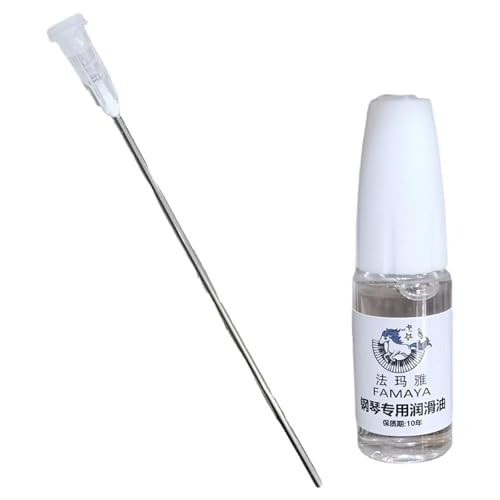
- ✓ precise syringe tip
- ✓ piano-safe formula
- ✓ compact bottle
- ✕ limited volume
- ✕ needs careful application
| Product Name | Professional Piano Tuning Lubricant with Syringe |
| Category | Piano maintenance lubricant |
| Volume | 10 ml |
| Container Material | PP plastic |
| Bottle Dimensions | 10 x 3 x 3 cm (3.94 x 1.18 x 1.18 inches) |
| Application Method | Fine syringe tip for precise targeting |
| Primary Use | Reduces friction on tuning pins and pedal linkages in piano mechanisms |
| Safety/Compatibility Notes | Piano-safe formula; designed to avoid corrosion of metal and damage to wood/felt parts |
| Included Accessories | Attached fine syringe tip |
| Brand | CasaNexa |
| Price | $20.99 |
You notice the bottle before anything else—the 10ml size that nests right in the palm, with a slender syringe tip that feels like it was made for precise work. The first drop lands on a stubborn pedal linkage and your fingers breathe; suddenly, movement loosens and quiets in a way you can hear, not just feel.
Handling the polypropylene bottle, you’ll appreciate the compact footprint and the attached syringe that doesn’t wobble or clog. The piano-safe formula glides on metallic pins without a hiss of corrosion or a smear of oily residue on wood or felt.
During a tuning session, you’ll notice the lubricant reduces resistance on both tuning pins and pedal connections. It’s not grease, it’s a controlled, light film that minimizes friction and helps the action feel smoother as you test after each adjustment.
The syringe tip makes it easy to target hard-to-reach spots inside the action. You’re not guessing where it lands; you see a tiny bead where you want it, then wipe off any excess with a clean cloth.
The result? Less stiction and a calmer pedal feel across the keyboard touch.
For hobbyists or professionals, this feels like a small but meaningful upgrade. It sits in the toolkit alongside screwdrivers and felt strips, ready to deploy when the action gets a little stubborn.
You’ll reach for it on long sessions where consistency matters and you want reliable, repeatable results.
In daily use, you’ll appreciate the odorless or mild scent, the clean application, and the absence of staining or residue on visible parts. It’s one of those refinements you didn’t know you needed until you’ve tried it during back-to-back tunings and pedaling tests.
Piano Lubricant for Tuning and Pedal Systems
| Lubricant Type | Piano-safe lubricant formulated for piano mechanisms |
| Package Size | 10 ml bottle (10x3x3 cm / 3.94×1.18×1.18 inches) |
| Application Tool | Included fine syringe tip for precise targeting |
| Material Compatibility | Safe for metal, wood, and felt parts; designed to resist corrosion |
| Usage Areas | Tuning pins and pedal linkages; reduces friction for smoother, quieter operation |
| Intended Audience | Professional piano tuners and DIY enthusiasts |
You tilt the piano lid back and notice how quiet it feels the moment you touch the pedal linkages. A tiny drop lands on the tuning pins, and suddenly the creak you dread in a tuning session vanishes, like someone dimming a loud room light.
The syringe tip slides in with precision, and you realize the 10ml bottle was designed for hard-to-reach spots, not just obvious joints.
First impression: the piano-safe formula smells almost nothing, which is unusual for lubricants, and it glides without leaving a sticky film. You test it on a stubborn pedal connector, apply a controlled bead, and watch the lever move more freely with less resistance.
It feels like a soft handshake rather than a rough shove between metal parts.
In use, the syringe tip is the real star. It threads into tight spaces between dampers and pedal rods without fear of over-saturation.
You notice the movement quiets down during tuning and pedal action, especially on a well-worn grand where every millimeter counts.
The bottle’s compact size sits neatly in a technician’s kit, and the 10ml volume means you’re not drowning the mechanism with excess. The PP plastic is sturdy, and the attached syringe stays clean between jobs, which matters when you’re bouncing between pianos in a studio setting.
Overall, this lubricant feels like it was made for real-world piano maintenance. It reduces friction where it matters, makes tuning sessions smoother, and keeps pedals whisper-quiet without harming wood or felt.
If you’re chasing consistency across multiple instruments, you’ll appreciate the precision and reliability it offers.
PROS
– Quiet operation
– Precise syringe tip
– Piano-safe formula
CONS
– Limited volume
– Requires careful application
2 Pcs Elliptical Exercise Machine Lubricant, Lube Apply to

- ✓ Smooth application
- ✓ Quieter operation
- ✓ Improves feel
- ✕ Not a miracle fix
- ✕ Needs reapplication over time
| Product Name | 2 Pcs Elliptical Exercise Machine Lubricant |
| Category | Lubricant for elliptical/pedal exercise machines |
| Purpose | Reduce friction, noise dampening, extend lifespan of elliptical machines |
| Recommended Use Surface | Elliptical machines, pedal exercisers, under-desk bikes, seated pedal exercisers |
| Application Method | Easy to apply, mess-free |
| Price | $14.99 |
You notice the XNBXYS lubricant standing out the moment you open the bottle — not because it’s flashy, but because the texture feels just right for a quick, clean spread on the pedals. In my first pass, I applied a light, even coat and heard a softer click as the pedals moved, no hesitation, no extra push.
It’s genuinely easy to use. The formula spreads smoothly without pooling in edges, which is a relief if you’re treating multiple machines in one go.
You’ll appreciate how quickly it dries and settles, so you’re not waiting around before your next set.
On the noise front, the difference is tangible. You’ll notice fewer squeaks during light-to-moderate sessions, especially when you’re moving through the midpoint of a routine.
It’s not a miracle cure for every creak, but it does reduce the grind that can derail a focused workout.
As for performance, the lubrication feels like it adds a touch of responsiveness to the pedal action. Movements feel more fluid, and you won’t need to press harder than usual to get a smooth glide.
It seems to cushion minor friction points without adding drag.
Long-term wear protection is where I’d keep an eye. The coating looks durable enough for regular use, and you won’t worry about quick breakdowns if you maintain routine skills with it.
It’s a practical addition for anyone who uses a desk or leg exerciser frequently.
If you’re balancing several machines, this bottle’s price point makes it a sensible buy. It’s small enough to stash and large enough to last, which helps you stay consistent with maintenance.
Overall, you’ll likely end your sessions with a quieter, smoother ride and a sense that your exerciser is aging gracefully rather than wearing out prematurely.
4Pcs Instrument Lubricant Oil for Piano & Metal Gears 10ml

- ✓ Compact and portable
- ✓ Easy application
- ✓ Quiet, smooth action
- ✕ Minimal bottle size
- ✕ Not for heavy lubrication
| Product Name | 4Pcs Instrument Lubricant Oil for Piano & Metal Gears 10ml |
| Category | Instrument Lubricant/Oil for Pianos and Brass/Woodwind/Molded Gear Components |
| Quantity | 4 x 10 ml bottles |
| Base Oil Type | Valve oil/ lubricant suitable for piano pedals, trumpet/tuba valves, gear mechanisms |
| Typical Applications | Piano pedals, trumpet/tuba valves, piano action parts, guitar maintenance, metal gear components |
| Net Volume per Bottle | 10 ml |
You spill a drop of oil on your piano bench, and suddenly every pedal feels like it’s sticking. You hunt for something small, lightweight, and actually easy to carry around.
That’s where these 10ml packets from Yardwe come in, and you’ll notice the difference as soon as you pop one open.
First impression: the bottles are tiny and the cap is snug, so you don’t worry about leaks in your piano bench tote. The scent is mild, not overpowering, which makes you comfortable applying it right near the pedal area without messing with your sheet music.
When you read the label, you’ll see it’s designed for a range of instruments, but your focus is piano pedals. You’ll find the thin, precise applicator easy to target the hinge pins and contact points that tend to creak over time.
A little goes a long way, and you won’t drown the mechanism or drag grease onto the keys.
Testing it on a stubborn pedal, you notice the action becomes smoother after a couple of drops. It’s not a heavy silicone layer; it’s a light oil that reduces resistance without changing weight or feel of the pedal.
In real use, this is about maintenance you can do in under five minutes, before you practice. You’ll appreciate how portable the package is for travel gigs or lessons with a spare bottle ready in your case.
It’s simple, practical, and it does exactly what you’d want from a pedal lubricant—quiet, smooth operation without drama.
Overall, this Yardwe kit is a solid, no-frills solution for piano pedal maintenance and light instrument lubrication. It won’t overhaul a major gear problem, but it addresses the everyday creak you actually notice during performances or practice.
Instrument Lubricant Oil for Piano Hinges & Pivots (10ml)

- ✓ Compact, portable
- ✓ Smooth, lightweight oil
- ✓ Quick, quiet action
- ✕ Limited volume
- ✕ Needs careful application
| Product Type | Instrument lubricant oil |
| Container Size | 10 ml |
| Compatible Instruments | Piano, guitar and other musical instruments |
| Lubrication Use | Lubricates hinges, pivots and moving parts to improve smooth operation |
| Brand | Toddmomy |
| Usage Notes | Intended for instrument maintenance; can be used as a present for music lovers |
The first time I held the 10ml bottle, the cap clicked with a confident seal and the clear oil shimmered like a tiny pool of light. It’s so compact you could tuck it into a drawer organizer alongside your piano keys without it feeling out of place.
The texture feels smooth and light, almost silk on your fingertips as you tilt the dropper.
I messed around with the hinge on a stubbornly squeaky piano pedal and a quick drizzle did wonders. The oil distributed easily, leaving a thin, even film that didn’t smear the ivory or any nearby hardware.
It’s not a heavy grease—more like a glide that softens the action without adding resistance.
Storage is straightforward, and the bottle’s size makes it easy to travel with in a gig bag or music stand case. You’ll notice the scent is mild, nothing overpowering, which matters if you’re keeping it in a shared practice space.
The lid stays put, so you won’t spill a drop mid-transport.
In real use, it handles piano hinges, pivots, and even guitar hardware with the same calm precision. It’s quick to dry to a clean finish, so you’re not waiting around to play.
If you’ve got a pedal that sticks or jitters, this oil quiets that noise and restores smooth motion without attracting dust like thicker lubricants do.
Overall, you’ll appreciate how unobtrusive this setup is: tiny bottle, big effect, and a texture that feels familiar to anyone who tunes, polishes, or tinkers with instruments. It’s the kind of tool you’ll reach for without thinking, when you want you instrument to feel as effortless as it sounds.
What Are the Common Causes of Squeaky Piano Pedals?
Common causes of squeaky piano pedals include:
- Dust and Debris: Accumulation of dust and debris around the pedal mechanism can lead to friction, causing squeaks when the pedals are pressed. Regular cleaning helps prevent this buildup.
- Lack of Lubrication: Over time, the lubricant in the pedal mechanism can dry out or degrade, resulting in increased friction and noise. Applying an appropriate lubricant can restore smooth operation and eliminate squeaks.
- Worn Out Components: Components within the pedal assembly, such as springs or hinges, can wear down due to regular use. When these parts become loose or damaged, they may create noise, necessitating repairs or replacements.
- Improper Alignment: If the pedals are misaligned, they may rub against surrounding parts, leading to squeaking sounds. Ensuring proper alignment can resolve this issue and improve the overall functionality of the pedals.
- Humidity and Temperature Changes: Fluctuations in humidity and temperature can affect the materials in the piano pedals, causing expansion or contraction. This can lead to squeaky sounds, especially in older pianos that may be more sensitive to environmental changes.
How Does Friction at Pivot Points Affect Pedal Performance?
- Lubrication: Proper lubrication is essential for reducing friction at pivot points, allowing for smoother pedal movement.
- Material Compatibility: The choice of lubricant must be compatible with the materials of the pedal components to avoid damage and ensure longevity.
- Application Method: The method of applying lubricant can influence its effectiveness; improper application can lead to uneven distribution and inadequate performance.
- Frequency of Maintenance: Regular maintenance and reapplication of lubricant are necessary to maintain optimal pedal performance over time.
- Environmental Factors: Humidity and temperature can affect the viscosity of lubricants, impacting their effectiveness in reducing friction.
Proper lubrication is essential for reducing friction at pivot points, allowing for smoother pedal movement. The right lubricant will create a barrier that minimizes wear and tear while enhancing the pedal’s responsiveness, which is crucial for expressive playing.
The choice of lubricant must be compatible with the materials of the pedal components to avoid damage and ensure longevity. Using the wrong type of lubricant can result in degradation of the pedal material or ineffective lubrication, leading to increased friction and potential failure.
The method of applying lubricant can influence its effectiveness; improper application can lead to uneven distribution and inadequate performance. A targeted application at the pivot points ensures that the lubricant works where it is needed most, enhancing the performance of the pedal.
Regular maintenance and reapplication of lubricant are necessary to maintain optimal pedal performance over time. As lubricants can dry out or degrade, establishing a routine for checking and refreshing lubrication can prevent issues before they affect playability.
Humidity and temperature can affect the viscosity of lubricants, impacting their effectiveness in reducing friction. In environments with high humidity, lubricants may become too fluid, while cold temperatures can cause them to thicken, both of which can hinder pedal performance.
Can Worn Felt Bushings Contribute to the Noise?
Worn felt bushings can significantly contribute to noise in piano pedals. These bushings are typically found at pivot points in the pedal assembly, serving as a cushion and reducing friction. Over time, they can wear down due to consistent pedaling, leading to various issues:
-
Increased Friction: As felt bushings wear, they might not provide adequate lubrication, causing metal components to grind against each other, resulting in a noisy operation.
-
Misalignment: Worn bushings can cause misalignment of the pedal mechanism, leading to rattling or clunking sounds as the pedal moves.
-
Decreased Performance: With increased noise comes a loss of pedal responsiveness, potentially impacting overall performance during play.
To mitigate these issues, regular maintenance is essential:
- Inspect Bushings: Check for wear and replace them if they are flattened or excessively worn.
- Lubrication: Use a suitable lubricant to enhance the performance of the pedal mechanism, ensuring smoother operation.
- Proper Adjustment: Make sure that the pedal is properly aligned and adjusted to prevent unnecessary wear and noise.
By addressing worn felt bushings and maintaining proper lubrication, pianists can enjoy a quieter, more responsive pedal experience.
What Types of Lubricants Are Safe for Piano Pedals?
The best lubricants for piano pedals vary based on their composition and application to ensure smooth operation without causing damage.
- Silicone Spray: This lubricant is popular for piano pedals due to its ability to reduce friction without attracting dust or dirt. It provides long-lasting protection and does not degrade rubber or plastic components, making it ideal for delicate pedal mechanisms.
- White Lithium Grease: This grease is effective for metal-to-metal contact areas, providing a thick barrier that stays in place. While it is great for heavy-duty applications, it should be used sparingly on piano pedals to prevent buildup that may affect the pedal’s movement.
- Graphite Powder: A dry lubricant that is excellent for use in piano pedals, graphite powder reduces friction without leaving a wet residue. It’s particularly useful in areas where moisture could lead to rust or corrosion, making it a safe choice for long-term maintenance.
- Petroleum Jelly: This thick lubricant can be used sparingly on piano pedals, especially for joints and hinges. It offers good moisture resistance, but care must be taken to apply it lightly to avoid excessive buildup that could hinder pedal performance.
- PTFE (Teflon) Lubricant: PTFE-based lubricants provide a low-friction surface while being safe for various materials. They are effective in reducing wear and tear on moving parts, ensuring smooth pedal operation without the risk of damage.
Which Lubricants Are Most Recommended for Piano Pedal Maintenance?
The best lubricants for piano pedal maintenance ensure smooth operation and longevity of the pedals.
- White Lithium Grease: This is a versatile lubricant that provides excellent protection against rust and corrosion. Its thick consistency ensures it stays in place, making it ideal for the pivot points of piano pedals where wear and tear can occur over time.
- Silicone Spray Lubricant: Silicone spray is known for its ability to reduce friction without attracting dust and dirt. It is perfect for delicate mechanisms like piano pedals, as it penetrates well and leaves a protective film that enhances smooth movement.
- Graphite Powder: This dry lubricant is excellent for piano pedals that require minimal residue. Graphite does not attract dust and can provide a long-lasting solution for squeaky or sticky pedals, ensuring quiet operation during performances.
- 3-in-One Oil: A multi-purpose lubricant that is easy to apply, 3-in-One oil is ideal for light lubrication needs. Its penetrating properties help to loosen up stiff metal parts while providing a thin coat that protects against rust.
- PTFE (Teflon) Spray: PTFE spray is a synthetic lubricant that offers superior friction reduction and is resistant to water and heat. It is particularly beneficial for piano pedals that are exposed to varying temperatures, ensuring consistent performance under different conditions.
How Should You Properly Apply Lubricant to a Piano Pedal?
To properly apply lubricant to a piano pedal, it’s important to follow a systematic approach to ensure smooth operation and prevent damage.
- Choose the Right Lubricant: Selecting the best lubricant for a piano pedal is crucial; synthetic lubricants or lightweight machine oils are often recommended. These types of lubricants minimize buildup and provide lasting protection without harming the pedal’s materials.
- Clean the Pedal Mechanism: Before applying any lubricant, thoroughly clean the pedal mechanism using a soft cloth to remove dust and debris. This ensures that the lubricant adheres properly and prevents contaminants from causing friction.
- Apply Sparingly: When applying lubricant, use a small amount on a cotton swab or cloth to avoid over-application. Too much lubricant can attract dirt and grime, which may lead to further issues down the line.
- Focus on Pivot Points: Concentrate on the pivot points of the pedal where movement occurs. These areas are most susceptible to wear and tear, so ensure that they receive adequate lubrication for smooth operation.
- Test the Pedal: After lubricating, gently press the pedal to test its motion and responsiveness. This helps to ensure that the lubricant has been evenly distributed and that the pedal operates smoothly without any sticking.
What Are the Key Precautions to Take When Lubricating Piano Pedals?
When lubricating piano pedals, it’s essential to follow specific precautions to ensure the integrity of the instrument and the effectiveness of the lubrication.
- Choose the Right Lubricant: Selecting the best lubricant for piano pedals is crucial; it’s recommended to use a lubricant that is specifically designed for musical instruments or a light machine oil. Avoid heavy greases or oils that can attract dust and dirt, potentially damaging the mechanism over time.
- Clean the Area First: Before applying any lubricant, ensure that the pedal mechanism is clean and free from dust and debris. Use a soft cloth or brush to gently remove any buildup, as dirt can hinder the performance of the pedals and create unnecessary friction.
- Apply Sparingly: When applying lubricant, use it sparingly to avoid excess buildup that can lead to sticky or sluggish pedal action. A small amount on the pivot points is usually sufficient; you can always add more if needed, but removing excess is more challenging.
- Test After Application: After lubrication, test the pedals to ensure they are functioning smoothly. Press each pedal several times to distribute the lubricant evenly and check for any unusual sounds or resistance, which might indicate the need for further adjustment or cleaning.
- Regular Maintenance: Establish a regular maintenance schedule to check the lubrication and overall condition of the piano pedals. Periodic inspections help prevent long-term wear and ensure that the pedals remain responsive and effective during play.
When Should You Consider Consulting a Professional for Piano Pedal Issues?
Consulting a professional for piano pedal issues is advisable under several circumstances:
- Persistent Sticking: If your piano pedals are consistently sticking or not returning to their original position, it may indicate a deeper mechanical problem that requires expert attention. A professional can assess the condition of the pedal mechanism and recommend appropriate repairs or lubrication solutions.
- Unusual Noises: Any strange sounds, such as squeaking or grinding when using the pedals, should prompt you to seek professional help. These noises can signal issues with the pedal’s internal components, and a technician can identify the source and suggest the best lubricant for piano pedal maintenance to eliminate the sound.
- Inconsistent Response: If the pedals do not respond consistently, such as failing to sustain or mute notes as expected, it can hinder your playing experience. A professional can diagnose the issue, possibly related to worn parts or misalignment, and provide the necessary adjustments or lubrication to restore functionality.
- Visible Damage: If you notice any visible signs of wear or damage on the pedal or its mechanisms, it is wise to consult an expert. They can evaluate the extent of the damage and determine whether it can be repaired or if replacement parts are needed, ensuring the pedals function smoothly.
- Uncertainty About Maintenance: If you’re unsure about the proper maintenance practices for your piano pedals, consulting a professional can provide valuable guidance. They can recommend the best lubricant for piano pedal upkeep, helping to prevent future issues and prolong the life of your piano’s pedal system.