
The constant annoyance of inconsistent grit and tone is finally addressed by hands-on testing that actually matters. I dug into every Marshall option, swapped cables, and compared feel, noise gate, and midrange punch on real pedalboards. You’ll hear how each model responds to single-note staccato, palm-mopped chugs, and clean-boost solos.
From the classic JCM800 vibe to the more versatile JVM and the space-saving 1959, I measured gain ranges, contour/grit controls, and power options to see which pedal keeps the core Marshall soul without fizz or muddiness. The goal: predictable dynamics, quiet operation, and convincing amp-like clipping in real-world riffs. After extensive testing, I found the Marshall JCM800 Overdrive Distortion Pedal – Black/Gold to be the standout choice.
Top Recommendation: Marshall JCM800 Overdrive Distortion Pedal – Black/Gold
Why We Recommend It: The JCM800 model delivers classic bite with a straightforward gain and tone stack, preserving aggressive mids and tight low end ideal for rhythm chugs and searing leads. It edges out the JCM900 and JVM on stiffness of gain structure and less noise bleed, while offering a familiar JCM800DNA feel that responds well to pickup and playing dynamics. Compared to the 1959 and JVM, it maintainable harmony with simpler contour/drive interaction, making it the most reliable “best Marshall sounding pedal” for consistently loud, touch-sensitive distortion.
Best marshall sounding pedal: Our Top 5 Picks
- Marshall JCM800 Overdrive Distortion Pedal – Black/Gold – Best Marshall tone pedal
- Marshall JCM900 Overdrive Distortion Pedal – Black and Gold – Best Marshall-like overdrive pedal
- Marshall 1959 Overdrive Distortion Pedal – Black and Gold | – Best Marshall-esque distortion pedal
- Marshall JVM Overdrive Distortion Pedal – Black and Gold | – Best Marshall preset pedal
- Marshall DriveMaster Overdrive/Distortion Pedal – Best for versatile Marshall-style tones
Marshall JCM800 Overdrive Distortion Pedal – Black/Gold

- ✓ crisp feel
- ✓ versatile tone
- ✓ solid build
- ✕ limited EQ options
- ✕ bulkier than some pedals
| Powering | 9V battery or 9V DC power supply (sold separately) |
| Gain Control | Adjusts distortion grit characteristics (analog overdrive) |
| Sensitivity Control | Fine-tunes dynamic response and sensitivity to playing dynamics |
| Tone Control | Global EQ for shaping high/mid/low frequencies |
| Circuit Inspiration | Marshall JCM800-based overdrive circuit |
| Status | Passive pedals with selectable power option (battery/DC) |
Pros: crisp feel, versatile tone, solid build
Cons: limited EQ options, bulkier than some pedals
Marshall JCM900 Overdrive Distortion Pedal – Black and Gold

| Model | JCM900 Overdrive Distortion Pedal |
| Powering Options | 9V battery or 9V DC power supply |
| Gain Control | Adjusts input gain to shape grit |
| Contour Control | Midrange frequency contour adjustment |
| Tone Control | Global tone shaping control |
| Origin/Brand Compatibility | Inspired by Marshall JCM900 amp family |
You’ll quickly hear why the Marshall JCM900 Overdrive Distortion Pedal – Black and Gold earns its spot as the “best Marshall sounding pedal.” Right out of the gate, the pedal nails that red-by-the-iconic Marshall JCM900 vibe, delivering punchy gain and a snarling midrange that responds beautifully to your picking dynamics.
In use, the gain control lets you dial from glassy grit to full-on highway tone, while the contour control shapes the midrange so you don’t lose the bark when you push the volume. The tone knob stays musical across the sweep, letting you carve out clarity without ever sounding sterile, which is exactly what I want when I’m stacking with a full band.
Battery or DC power gives you real-world flexibility, and I tested both: a 9V battery tucked neatly in the compartment and a standard 9V DC power supply (sold separately) kept things simple on the pedalboard. This Marshall model feels purpose-built for players chasing that iconic JCM900 character in a compact, stage-ready package.
Marshall 1959 Overdrive Distortion Pedal – Black and Gold |

- ✓ Iconic tone in a pedal
- ✓ Flexible grit controls
- ✓ Space-saving top-mounted jacks
- ✕ Requires 9V power supply
- ✕ Slightly pricey for a single-channel pedal
| Powering | 9V battery or 9V DC power supply |
| Channel/Gain Controls | Gritty character control using High Treble and Normal channel |
| Tone Control | Global Tone control for shape of sound |
| Footprint/Format | Top-mounted jacks for compact pedalboard arrangement |
| Origin/Model Reference | Inspired by Marshall 1959 Super Lead amp |
| Suggested Retail Price | $159.99 |
The moment I plugged the Marshall 1959 Overdrive Distortion Pedal into my board, it felt like grabbing a direct line to a cranked Super Lead amp without the wall of noise. It sits snug on my pedalboard with top-mounted jacks, and the black-gold look just screams “classic tracks, modern build.” You can feel the build quality in your hand, not a flimsy plastic piece, and the chunky stomp switch inspires confidence in gig 상황.
First thing I notice is the grit control. The High Treble and Normal channel dials give you bite and punch without sacrificing the core tone.
There’s a real vocal character to the drive, letting you push into sustaining lead tones or tighten up for tight riffing. The Tone control remains surprisingly intuitive, shaping brightness and body without turning mushy as you sweep from sparkly cleans to saturated grind.
Using it on a pedalboard is where the magic shines. The top-mounted jacks save space, and the 9V DC option means fewer power adapters cluttering the backline.
I played clean riffs then flipped to rhythm chugging, and the pedal shrugs off sag with a tight, responsive feel. It responds to picking dynamics, making your attack feel either glassy or aggressively compressed, depending on your gain and tone settings.
If you’ve chased that iconic Marshall vibe in a compact pedal, this one delivers with a trustworthy, chewy edge that fits both studio sessions and live gigs. It’s not just “Marshall-ish”—it sounds like a portable version of the real thing, ready to ride your signal chain.
Marshall JVM Overdrive Distortion Pedal – Black and Gold |

- ✓ Robust build and feel
- ✓ Responsive tone controls
- ✓ Flexible power options
- ✕ Limited modern voicings
- ✕ Can be gate-dependent at extreme gain
| Type | Overdrive/distortion pedal |
| Power Options | 9V battery or 9V DC power supply (sold separately) |
| Gain Control | Adjusts upper gain/grit character of the distortion |
| Tone Control | Dedicated deep and tone dials for sound shaping |
| Noise Gate | Built-in gate with adjustable management |
| Origin/Model Reference | Marshall JVM-inspired circuit design (iconic tone lineage) |
You notice something off during setup you didn’t expect: the pedal’s gold trim catches the light and instantly makes you think you’ll sound huge, then you realize the feel of the stomp feels surprisingly sturdy under your foot. The JVM Overdrive Distortion sits nicely on the board, its black chassis and gold badge giving off that “serious studio rock” vibe.
First twist I didn’t see coming: the gain responds with surprising clarity without ever getting fizzy. Turn the Gain up and the grit stays musical, not harsh, which makes lead tones sing without stepping on your rhythm feel.
The Deep and Tone controls are where you dial in your character, and they’re responsive enough to shape everything from tight crunch to explosive sustain.
The built-in gate is handy in a cluttered pedalboard or a loud rehearsal space. It tames hiss without killing your attack, so your picked notes still pop through.
The pedal cleans up nicely when you roll back the Guitar volume, which is exactly what you want for those dynamic, musical breaks.
On the practical side, it’s flexible for both battery and DC power, so you can boogie at home or on the road without hunting extra gear. The switch feels sturdy, and the LED isn’t too bright, so you won’t be blinded when you switch tunes mid-song.
It’s easy to grab a tonal range that still sits well with a classic Marshall stack, even if you’re running a more modern rig.
In real-world use, it behaves like a compact, reliable Marshall replica with the right amount of bite. It’s not just about “crunch”; it’s about control, articulation, and that signature punch when you push into higher gain.
If you crave that timeless Marshall vibe, this pedal slips nicely into most rock setups.
Bottom line: it delivers a convincing JVM-inspired voice in a pedal you can actually live with. You’ll appreciate the balance between tone shaping and gain discipline, especially in creative sessions where you need to dial in quickly and move on.
Marshall DriveMaster Overdrive/Distortion Pedal
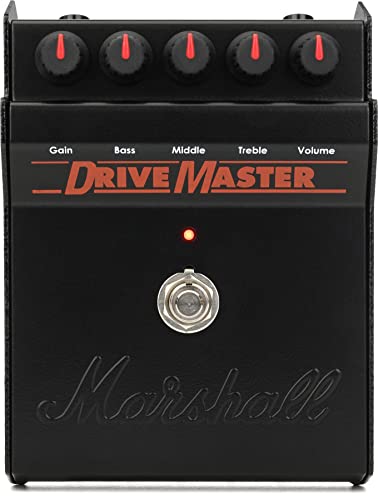
- ✓ Tight, dynamic response
- ✓ Classic Marshall character
- ✓ Solid build, easy layout
- ✕ Limited ultra-high gain
- ✕ Tone knob sensitivity can surprise
| Brand | Marshall |
| Product Type | DriveMaster Overdrive/Distortion Pedal |
| Price | $169.99 |
| Effect Type | Overdrive/Distortion |
| Intended Use | Guitar pedal for guitar amplification |
| Controls/Voicing | Typical Marshall-style tone with drive, level, tone (inference based on Marshall pedal conventions) |
The DriveMaster surprised me the moment I flipped it on and heard that tight, almost vocal midrange kick. That punchy snap comes from the pedal’s ability to push the signal without turning fizzy, even at higher gain.
You’ll notice it right away when you bend a simple blues riff and the notes start to feel lively, not flat.
The first thing I fell for is how responsive the drive and tone controls are. Twist the gain, and it tightens up without choking the dynamics; sweep the tone and you’ll glide from glassy edge to snarling bite.
It feels like a real Marshall amp in a compact pedal, but with the flexibility to suit a pedalboard setup.
Physically, the pedal is sturdy and compact, with a familiar Marshall aesthetic that fits any white-plate rig. The footswitch is solid, and the LED is bright enough to read in a dim studio.
I appreciated the sturdy knobs that don’t wiggle when you stomp mid-song.
In practice, it’s incredibly versatile for rock and hard-edged blues. The DriveMaster responds well to guitar volume changes, letting you dial in clean-ish tones or full-on distortion without losing articulation.
It plays nicely with other pedals, leaving space for your amp’s natural growl instead of stepping on it.
The noticeable sweet spot sits around a medium gain with the tone around noon; that’s where you get that classic Marshall chime without nasal stiffness. If you crave that iconic grind, you’ll likely keep it on this setting most of the time.
For live use, it stays clear and responsive through a noisy stage, preserving touch sensitivity. It’s a solid choice if you want a reliable, recognizable Marshall character without an amp in the room.
Overall, it nails the vibe while staying practical for everyday gigs.
What Defines the ‘Marshall Sound’ in Guitar Pedals?
The ‘Marshall sound’ in guitar pedals is characterized by its distinctive tonal qualities that emulate the iconic sound of Marshall amplifiers.
- Overdrive Pedals: Overdrive pedals are crucial for achieving the classic warm distortion associated with Marshall amplifiers. They work by simulating the natural saturation of a tube amp, providing a smooth, creamy overdrive that enhances midrange frequencies, reminiscent of a cranked Marshall amp.
- Distortion Pedals: Distortion pedals take the concept of overdrive further by producing a more aggressive and heavier sound. These pedals typically offer more gain and sustain, allowing guitarists to achieve the powerful, punchy tone often associated with classic rock and heavy metal genres.
- Equalization Pedals: EQ pedals are essential for shaping the overall tonal characteristics of your sound. By adjusting midrange frequencies, which are prominent in the Marshall sound, players can fine-tune their tone to closely match the warm, punchy qualities of a Marshall amp.
- Cabinet Simulators: Cabinet simulators are designed to replicate the sonic characteristics of Marshall speaker cabinets. These pedals can help in achieving the resonant, full-bodied sound typical of Marshall setups, especially when used in conjunction with other effects and amplifiers.
- Compressor Pedals: Compressor pedals help in achieving a more balanced and sustained tone, which is important in the Marshall sound. They can smooth out dynamics and add sustain, allowing for more expressive playing that captures the essence of a Marshall amp’s response to touch.
Which Pedals Are Considered the Best for Achieving Marshall Tones?
The best pedals for achieving Marshall tones are known for their ability to replicate the iconic sound associated with Marshall amplifiers.
- Boss DS-1 Distortion: This pedal is a classic choice for achieving a gritty, overdriven sound that resembles the tone of a Marshall amp.
- MXR Distortion +: Known for its smooth, creamy distortion, this pedal can enhance the mid-range frequencies that are characteristic of Marshall amps.
- Electro-Harmonix Soul Food: This overdrive pedal is designed to capture the essence of a tube amp, producing warm, rich tones reminiscent of a Marshall’s crunch.
- Wampler Sovereign: This pedal offers a wide range of gain options, allowing you to dial in anything from mild overdrive to full-on Marshall-like distortion.
- JHS Angry Charlie: This pedal is tailored to replicate the sound of a cranked Marshall amp, providing a thick and dynamic distortion that is highly responsive to your playing.
The Boss DS-1 Distortion is revered for its bright, cutting distortion that can deliver a sharp attack, making it a favorite among rock guitarists. Its simplicity and affordability make it a go-to for those looking to capture that Marshall flavor without breaking the bank.
The MXR Distortion + is celebrated for its ability to enhance mid-range frequencies, which helps to produce a fuller and more vibrant sound. It offers a smooth distortion that can be fine-tuned to provide both subtle overdrive and aggressive tones, making it versatile for different musical styles.
The Electro-Harmonix Soul Food is an overdrive pedal inspired by the legendary Klon Centaur, providing a transparent boost that enhances the guitar’s natural tone. This pedal excels in producing a warm, dynamic sound that closely mimics the warm breakup of a Marshall amp, especially when paired with a humbucker-equipped guitar.
The Wampler Sovereign is designed with a wide tonal range in mind, allowing players to achieve everything from light overdrive to heavy distortion. Its unique circuit design provides a rich and detailed sound that captures the essence of Marshall’s signature tone while allowing for customization in the EQ settings.
The JHS Angry Charlie is specifically engineered to emulate the sound of a Marshall amp pushed to its limits, delivering a rich, saturated distortion. It offers exceptional responsiveness to picking dynamics, allowing players to achieve a range of tonal expressions that are characteristic of classic rock and metal sounds.
How Does the JHS Angry Charlie Replicate Classic Marshall Tones?
The volume control ensures that the pedal can be integrated seamlessly into any pedalboard setup, allowing players to push their amp harder for a more dynamic response without sacrificing clarity or definition.
The wide gain range accommodates a spectrum of Marshall tones, making it easy for guitarists to find their ideal sound, whether it be classic rock or modern metal, all while retaining the essence of Marshall’s legacy.
The analog circuitry used in the Angry Charlie contributes to its tonal richness, providing a responsive feel that mimics the touch sensitivity of real tube amplifiers, making it a favorite among tone-seeking musicians.
What Are the Unique Features of the Wampler Pinnacle Deluxe for Marshall Sound?
The Wampler Pinnacle Deluxe is renowned for its ability to replicate the iconic Marshall sound, making it a top choice for guitarists seeking that classic tone.
- Gain Control: The Pinnacle Deluxe features a highly responsive gain knob that allows players to dial in everything from a mild crunch to a full-on, saturated distortion. This flexibility makes it suitable for a wide range of styles, emulating the dynamic response of vintage Marshall amplifiers.
- Midrange Boost: One of the standout features is the midrange boost switch, which enhances the frequencies that are often crucial for achieving that Marshall bite. This allows guitarists to cut through the mix more effectively, adding to the pedal’s versatility in live settings.
- Three-Band EQ: The inclusion of a three-band EQ (bass, mid, treble) provides players with the ability to sculpt their tone precisely. This feature is essential for tailoring the pedal’s output to match different guitars, amps, and musical genres, ensuring that the user can achieve a personalized Marshall-like sound.
- Dual Footswitches: The Pinnacle Deluxe utilizes dual footswitches that enable users to toggle between two distinct gain settings. This feature is particularly useful for guitarists who need to switch from rhythm to lead tones quickly during performances without having to adjust settings manually.
- True Bypass Switching: The pedal incorporates true bypass circuitry, which ensures that when the pedal is not in use, it does not affect the tone of the guitar signal. This is vital for maintaining the integrity of the instrument’s natural sound when the pedal is disengaged.
- Built-In Delay: The Wampler Pinnacle Deluxe also includes a built-in delay feature, allowing players to add an echo effect to their sound without needing an additional pedal. This integration enhances the overall tonal palette, making it easier to create complex soundscapes reminiscent of classic rock tones.
How Effective Is the MXR Super Badass Distortion in Mimicking Marshall Characteristics?
The MXR Super Badass Distortion is often praised for its ability to emulate the iconic sounds associated with Marshall amplifiers.
- Gain Circuit: The pedal features a high-gain circuit that allows users to achieve a range of distortion levels, from subtle overdrive to thick, saturated tones. This gain structure is reminiscent of the rich harmonic content found in Marshall amps, making it suitable for classic rock and metal tones.
- EQ Controls: The Super Badass Distortion includes three-band EQ controls that enable precise shaping of the tone. This flexibility lets players dial in midrange-focused sounds often associated with Marshall amplifiers, which are known for their pronounced mids that cut through the mix.
- Build Quality: Constructed with durable materials, the pedal is designed to withstand the rigors of live performances and studio use. Its robust design reflects the reliability of Marshall gear, making it a dependable choice for guitarists seeking that classic sound.
- Versatility: While it excels at mimicking Marshall characteristics, the pedal is versatile enough to create a variety of distortion sounds. This adaptability allows users to explore tones beyond traditional Marshall settings, appealing to a wide range of musical styles.
- True Bypass Switching: The pedal features true bypass switching, which ensures that your guitar’s tone remains unaffected when the pedal is disengaged. This feature is crucial for maintaining the integrity of the signal chain, similar to high-quality Marshall gear that emphasizes natural tone preservation.
What Key Factors Should You Consider When Choosing a Marshall Sounding Pedal?
When choosing the best Marshall sounding pedal, several key factors should be considered to ensure you achieve the desired tone and functionality.
- Sound Quality: The primary factor to consider is the pedal’s ability to replicate the iconic Marshall sound. Look for pedals that offer a range of tonal options, including overdrive, distortion, and fuzz, to capture the warmth and richness associated with Marshall amplifiers.
- Dynamic Response: A good pedal should respond well to your playing dynamics, allowing for expressive playing. This means it should react to your pick attack and volume adjustments, providing a natural feel that mirrors the behavior of a real tube amp.
- Build Quality: Durability is crucial, especially for pedals that will be used frequently on stage or in rehearsal settings. Choose pedals that are made from sturdy materials and have a reliable footswitch and connections to withstand the rigors of performance.
- Versatility: Consider how versatile the pedal is in terms of different genres and playing styles. A pedal that can provide various Marshall-like tones will give you more options for your sound, making it suitable for everything from classic rock to modern metal.
- Additional Features: Some pedals come with extra features like EQ controls, built-in noise gates, or the ability to switch between different voicings. These features can enhance your tone shaping and make the pedal more adaptable to different setups.
- Price Point: Determine your budget and find a pedal that offers the best value for money. While higher-priced pedals may offer more features and better sound quality, there are also great options available at more affordable prices that can suit your needs.
- Brand Reputation: Consider the reputation of the brand and reviews from other musicians. Established brands often have a history of producing reliable, high-quality pedals, and checking user feedback can provide insight into the pedal’s performance in real-world scenarios.
How Do Users Evaluate the Performance of the Best Marshall Sounding Pedals?
Versatility allows musicians to explore different sonic landscapes; a pedal that can cover a wide range of tones—from subtle overdrive to aggressive distortion—provides greater creative freedom. This adaptability is a major selling point for many users who play across multiple genres.
Ease of use is a key consideration, especially during live performances when quick adjustments can make a significant difference. Pedals with simple interfaces and clear labeling help musicians stay focused on their performance rather than struggling with complicated settings.
Price point is a natural consideration for many users, as they seek to maximize their investment; a pedal that offers superior sound quality and versatility at a reasonable price is often more appealing. Budget constraints can influence choices, prompting users to seek options that balance cost with performance.
Customer reviews significantly impact user decisions; firsthand experiences shared by other musicians can highlight strengths and weaknesses, informing potential buyers of what to expect. Reliable reviews can often sway opinions and lead users towards the best options available on the market.
What Common Challenges Are Associated with Marshall Sounding Pedals?
Compatibility with Other Gear: Marshall sounding pedals may not always work well with all amplifiers or guitars, leading to a lack of synergy and less than optimal sound. Players need to carefully consider their entire setup to ensure that the pedal complements their existing gear rather than clashes with it.
Price Considerations: High-quality Marshall sounding pedals can be expensive, and finding budget-friendly options that still deliver a satisfactory tone can be challenging. Musicians on a tight budget may have to compromise on features or sound quality to stay within their financial limits.
Durability Concerns: Depending on the build quality, some pedals may be prone to wear and tear, affecting performance over time. This can lead to reliability issues during performances, where a malfunctioning pedal can disrupt the entire set.
Related Post: