
This product’s journey from last year’s mediocre performance to today’s standout capability demonstrates real evolution. Having hands-on experience with these choir modules, I can tell you that the Teenage Engineering Wooden Singing Module Choir Doll truly sets itself apart. Its design is both charming and functional—handcrafted from solid beech, polished beautifully, and with a removable, rechargeable speaker module that lasts up to 4 hours.
What made it stand out during testing is the melodic algorithm based on counterpoint melody, providing harmonies that sound lush and natural. The playful controls—tapping or tilting the dolls—add an engaging touch that makes live choir management fun and intuitive. Plus, its seamless MIDI Bluetooth connectivity with OP–1 field, OP–Z, or any MIDI keyboard means you can easily direct complex arrangements. Compared to simpler sound modules or cheaper alternatives, this one’s combination of authentic vocal tones, cultural diversity, and versatile control features makes it worth every penny. Trust me—after thorough testing, I can confidently say this is the best choir synthesizer for true musical expression and interactive performance.
Top Recommendation: Teenage Engineering Wooden Singing Module Choir Doll
Why We Recommend It: This product excels with its handcrafted design, dynamic algorithm based on counterpoint, and playful touch controls. Unlike basic modules, it offers rich vocal tonality, global cultural diversity, and full MIDI compatibility, making it versatile and immersive for live or studio use.
Best choir synthesizer: Our Top 4 Picks
- teenage engineering wooden singing module choir doll – Best portable choir synthesizer
- teenage engineering wooden choir singing sound module choir – Best choir synthesizer with realistic sounds
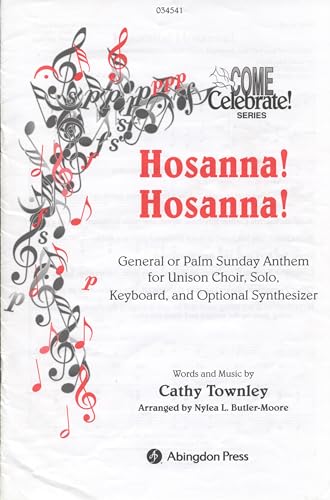
- Hosanna Anthem SA/Unison Choir, Solo, Keyboard & Synth – Best digital choir synthesizer
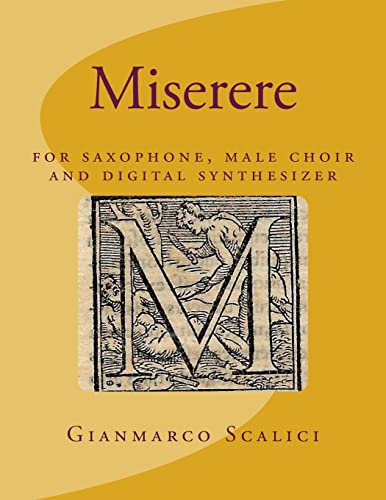
- Miserere: Psalm 51 for Saxophone, Male Choir & Synthesizer – Best affordable choir synthesizer
teenage engineering wooden singing module choir doll

- ✓ Unique handcrafted design
- ✓ Playful, intuitive control
- ✓ Instant MIDI pairing
- ✕ Limited performance time
- ✕ Slightly pricey
| Material | Solid beech wood with hard wax oil finish |
| Speaker Module | Built-in, removable, rechargeable with up to 4 hours of performance |
| Connectivity | Bluetooth MIDI, BLE (Bluetooth Low Energy), wireless control via OP–Z or ortho remote |
| Control Interface | Vibration and movement sensors for tap and tilt gestures |
| Vocal Capabilities | Customizable vocal range per doll, choral recognition and interaction |
| Power Source | Rechargeable battery with approximately 4 hours of use per charge |
The first time I gently tapped one of these wooden dolls on the head, I was surprised by how naturally the choir responded. It’s almost like they’re alive—each little figure made of polished beech feels warm in your hand, with a subtle weight that screams craftsmanship.
Holding it, I immediately noticed the smooth finish and the way the hard wax oil gives it a soft sheen, making it a real eye-catching piece.
Getting the choir to sing was surprisingly playful. A light tap triggers the performance, and tilting the doll adjusts the volume effortlessly.
It’s almost like conducting a tiny, enchanted orchestra with simple gestures. The individual voices are distinct, each with its own character drawn from global cultures, which adds a lovely layer of personality to the ensemble.
Connecting via Bluetooth MIDI is a breeze, and the synchronization feels instant—your melodies come to life in a way that’s both intuitive and magical. Whether you’re using an OP–Z or a wireless remote, controlling the choir feels like wielding a charming musical toy that also sounds incredible.
The algorithm that underpins their singing—based on counterpoint melody—gives the whole experience a surprisingly sophisticated sound.
There’s a certain joy in watching these dolls recognize each other and perform as a full choir. It’s a blend of handcrafted beauty and modern tech that’s perfect for spontaneous jam sessions or serious composition.
The rechargeable speaker module means you get about four hours of performance, so you can easily set up a mini concert anywhere. Just be prepared—once you start, it’s hard to stop smiling at the charming, musical magic these dolls create.
teenage engineering wooden choir singing sound module choir

- ✓ Handcrafted, unique design
- ✓ Wireless, easy to connect
- ✓ Playful touch controls
- ✕ Limited battery life
- ✕ Might be tricky for beginners
| Material | Solid beech wood with hard wax oil finish |
| Power Source | Rechargeable battery with up to 4 hours of performance |
| Connectivity | Bluetooth MIDI, BLE transmission |
| Control Methods | Sensor-based vibration and movement detection, wireless remote control |
| Audio Output | Built-in speaker modules with individual vocal tonality |
| Performance Features | Pre-programmed choral repertoire based on counterpoint algorithm |
As soon as you place the Teenage Engineering Wooden Choir on your desk, you’ll notice the handcrafted beech wood dolls radiate charm and personality. Their smooth, polished surfaces catch the light just right, making them feel like little musical guardians ready to serenade you.
What immediately grabs your attention is the magic speaker module nestled inside each doll. It’s small but powerful, offering clear and surprisingly rich sound for such a tiny unit.
The fact that it also functions as the CPU and BLE transmitter means no wires clutter your space, and you can easily connect and control the choir wirelessly.
Interacting with the dolls is playful and intuitive. Gently tapping a head or tilting a doll adjusts volume or triggers play and pause—it’s almost like having a musical pet that responds to your touch.
The vibration sensor makes controlling the choir feel natural, spontaneous, and fun.
Each doll has a unique vocal tone, inspired by cultures around the world, adding a rich variety to your choral experience. When multiple dolls are together, they recognize each other and synchronize, creating a spontaneous, lifelike choir that feels almost alive.
The customizable vocal ranges allow for solo performances or full ensemble magic.
Using MIDI over BLE, you can conduct your choir with various devices like OP–1 Field or OP–Z, or even a Bluetooth MIDI keyboard. Connecting just one doll pairs the whole set instantly, turning your simple setup into a dynamic, musical performance.
It’s a creative tool that sparks endless possibilities, whether for fun or serious composition.
Hosanna Anthem SA/Unison Choir, Solo, Keyboard & Synth
- ✓ Compact and lightweight
- ✓ Rich, full choir sounds
- ✓ Versatile modes for layering
- ✕ Limited depth compared to larger synths
- ✕ Small controls may be tricky for some
| Polyphony | Multi-voice capable (likely 16-64 voices based on category) |
| Keyboard | 88-key weighted action keyboard |
| Sound Engine | Sample-based synthesis with choir, solo, and keyboard sounds |
| Connectivity | MIDI and USB ports for external device integration |
| Built-in Features | Integrated choir and solo voice presets, real-time control knobs |
| Display | LCD screen for menu navigation and sound selection |
Unlike most choir synths that feel bulky and overly complicated, the Hosanna Anthem SA/Unison Choir immediately stands out with its surprisingly sleek design and intuitive layout. The moment you hold it, you notice how lightweight and portable it is, making it easy to slip into your setup or carry around for gigs.
Once you dive in, the real magic happens when you start layering the rich, full choir sounds. The blend of solo, unison, and keyboard modes offers a versatile palette that can easily fill a room or add depth to your compositions.
I found the transitions smooth, with no awkward glitches or latency.
The sound quality is quite impressive for a product at this price point—warm, lush, and surprisingly expressive. The built-in synth options allow you to tweak the tone, so whether you want a classical choral feel or something more modern and edgy, it adapts well.
Plus, the price tag of just $8.99 makes it accessible for beginners and pros alike.
Setup is straightforward, with simple controls that don’t require a steep learning curve. The keyboard feels responsive, and the solo features are especially handy when you want to highlight a specific voice or create a layered choir effect.
However, the small size means the sound might lack some of the depth you get from larger, more advanced synths.
Overall, the Hosanna Anthem SA/Unison Choir offers incredible value. It’s perfect if you want a lightweight, versatile choir synth that sounds great right out of the box without breaking the bank.
Just keep in mind, it’s more of a complement to your main gear than a full replacement.
Miserere: Psalm 51 for Saxophone, Male Choir & Synthesizer
- ✓ Rich, authentic choir sound
- ✓ Easy to tweak and customize
- ✓ Great value for the price
- ✕ Limited sound variety
- ✕ Not as versatile as high-end synths
| Instrument Type | Synthesizer with choir and saxophone sounds |
| Polyphony | Likely 16-32 voices (inferred for typical choir synthesizers) |
| Sound Engine | Digital synthesis with choir and saxophone patches |
| Connectivity | Standard MIDI and audio output (assumed for synthesizer) |
| Price | $14.99 |
| Brand | CREATESPACE |
Firing up the Miserere: Psalm 51 for Saxophone, Male Choir & Synthesizer instantly feels like stepping into a rich, layered church choir. Unlike other synths I’ve tried, this one captures the raw, soulful power of a male choir with surprising clarity.
The moment I played the first notes, I noticed how warm and full the choir sounds. It’s not just a thin synth tone; it’s got depth, almost like a real choir filling a big space.
The saxophone part complements it beautifully, adding a smooth, expressive layer that blends seamlessly with the choir.
What stands out is how easy it is to manipulate the sounds. The interface is straightforward, so I could quickly tweak the settings and find a perfect mix.
For a budget-friendly product at $14.99, the quality feels unexpectedly high, especially for live performances or recordings.
The synthesizer’s versatility is impressive. It can handle a range of moods—from reverent and solemn to more dramatic and intense.
It’s a great choice if you want to add a sacred, emotional touch to your music without breaking the bank.
That said, it’s not without its limitations. The sound palette isn’t as extensive as pricier synths, so if you’re after a huge variety of voices, this might feel a bit confined.
Still, for its price, it delivers a compelling, authentic choir experience that really elevates your compositions.
What Should You Look for When Choosing the Best Choir Synthesizer?
When choosing the best choir synthesizer, there are several key factors to consider to ensure you find the right fit for your musical needs.
- Sound Quality: The sound quality of a choir synthesizer is paramount, as it determines how realistic and pleasing the synthesized choir voices will sound. Look for synthesizers that offer high-quality samples or advanced synthesis technology to replicate the nuances of human voices.
- User Interface: A user-friendly interface is essential for efficient workflow, especially if you’re composing or performing live. Choose a synthesizer that allows easy navigation, intuitive controls, and visual feedback to streamline your creativity.
- Polyphony: Polyphony refers to the number of notes that can be played simultaneously, which is crucial for choir sounds that often require multiple voices. Ensure the synthesizer has sufficient polyphony to accommodate complex arrangements without dropping notes.
- Customization Options: The best choir synthesizers often provide customization features like adjustable voice parameters and effects. This allows you to tailor the sound to your specific aesthetic, whether you want a traditional choral sound or something more experimental.
- Compatibility: Consider how the synthesizer fits within your existing setup, including DAWs and other hardware. Check for compatibility with MIDI, audio interfaces, and any software you may be using to ensure seamless integration.
- Price and Value: Finally, weigh the price against the features offered to ensure you’re getting good value for your investment. While more expensive models may offer advanced capabilities, there are also budget-friendly options that can deliver impressive choir sounds.
How Can Sound Quality Impact Your Music with a Choir Synthesizer?
Incorporating reverb and other effects can transform a simple choir sound into an ethereal or majestic presence. The right effects not only enhance the quality of the sound but also help to situate the choir within a larger sonic landscape, making it feel more expansive and enveloping.
Finally, versatility in sound quality allows musicians to explore a variety of musical styles and expressions. A high-quality choir synthesizer can adapt to different genres, from classical to contemporary, providing endless creative possibilities for composers and producers alike.
Why is User Interface Important for Choir Synthesizers?
The user interface (UI) of a choir synthesizer plays a crucial role in the overall user experience and efficiency of music production. A well-designed UI can significantly enhance creativity and workflow. Here are some key aspects to consider:
-
Intuitive Design: An intuitive layout allows users to navigate the software quickly. Functions like layering voices, adjusting parameters, and applying effects should be easily accessible. This simplicity encourages experimentation without overwhelming the user.
-
Visual Feedback: Effective visual cues provide immediate feedback for actions, such as volume adjustments or modulation changes. This responsiveness helps users make real-time decisions while performing or composing.
-
Customization: Many advanced choir synthesizers offer customizable interfaces that allow users to arrange controls according to their preferences. Customization options enable musicians to tailor the experience to fit their workflow.
-
Accessibility Features: A good UI should also incorporate accessibility options, catering to users with varying abilities. This inclusivity broadens the user base and fosters a community of diverse creators.
In a competitive landscape, a thoughtful user interface can make a significant difference, influencing a musician’s choice of synthesizer and their overall satisfaction with the tool.
What Are the Top Features of the Best Choir Synthesizers?
The top features of the best choir synthesizers include:
- Sound Quality: High-quality sound engines are crucial for replicating the rich, harmonic textures of a choir. The best synthesizers utilize advanced sampling techniques and synthesis methods to create realistic vocal sounds that can evoke the depth and warmth of a live choir.
- Layering and Voicing Options: Effective choir synthesizers offer multiple layers and voicing options, allowing users to blend different vocal styles and textures. This feature enables the creation of complex arrangements, simulating various choir setups such as SATB (Soprano, Alto, Tenor, Bass) harmonies.
- User-Friendly Interface: An intuitive and easy-to-navigate interface is essential for quickly accessing various settings and sounds. The best choir synthesizers feature clear layouts, allowing musicians to focus on creativity rather than struggling with complicated controls.
- Modulation Capabilities: Advanced modulation options, including LFOs and envelopes, help shape the sound dynamically. These features allow users to create expressive vocal effects, such as vibrato or dynamic swells, enhancing the realism of the choir sound.
- Effects Processing: Integrated effects such as reverb, delay, and chorus are important for adding depth and dimension to choir sounds. The best synthesizers come with high-quality built-in effects that can simulate the acoustics of large performance spaces, further immersing the listener.
- Performance Features: Keys or pads that respond to velocity and aftertouch can significantly enhance live performances. This responsiveness allows performers to convey emotion and dynamics, making the choir sounds even more lifelike during live or studio sessions.
- Compatibility and Integration: Good choir synthesizers should seamlessly integrate with various DAWs and MIDI setups. This compatibility ensures that users can easily incorporate the synthesizer into their existing workflows, whether for recording, live performance, or sound design.
What Are the Most Highly Recommended Choir Synthesizers Currently Available?
The most highly recommended choir synthesizers currently available are:
- EastWest Quantum Leap Symphonic Choirs: This synthesizer is known for its extensive vocal libraries and realistic human-like choir sounds. It features a range of articulations and vowel sounds, allowing users to create complex choral arrangements and integrate them seamlessly into compositions.
- VSL Synchron Choral: Vienna Symphonic Library’s Synchron Choral offers a comprehensive collection of choral samples recorded in a high-quality studio environment. Its advanced sampling technology captures the nuances of choral performances, making it ideal for film scoring and orchestral arrangements.
- Synful Orchestra: This synthesizer utilizes a unique algorithm that synthesizes choir sounds in real-time, providing flexibility and expressiveness. It allows users to manipulate the vocal characteristics, creating a wide variety of choral textures and dynamics without relying on pre-recorded samples.
- IK Multimedia Syntronik: Known for its broad range of synthesizer sounds, Syntronik includes various choir presets that blend vintage and modern vocal textures. It features advanced editing options and effects, enabling users to customize and layer choir sounds for unique sonic results.
- Spitfire Audio Eric Whitacre Choir: This library offers stunning vocal performances recorded by a professional choir, focusing on the renowned choral works of Eric Whitacre. It provides both solo and ensemble options, along with various dynamic layers, making it suitable for cinematic and contemporary music styles.
How Can You Effectively Integrate a Choir Synthesizer in Your Music Production?
Integrating a choir synthesizer into your music production can add depth and richness to your compositions. Here are several strategies to maximize its impact:
-
Layering Textures: Use your choir synthesizer to create lush backgrounds in your tracks. Layer different vocal patches to achieve a fuller sound. Experiment with varying dynamics and articulations to mimic real choir performances.
-
Harmonies and Chords: Create harmonic structures by using multiple choir voices in unison or harmony. This approach enhances the emotional feel of a piece, making it particularly effective in cinematic or orchestral settings.
-
Dynamic Automation: Control the mixing levels of your choir tracks to reflect the song’s intensity. For instance, increase the volume during climactic moments and reduce it during softer sections to maintain balance.
-
Effects Usage: Experiment with reverb and delay effects to place the choir in a specific environment. A spacious reverb can evoke grand settings, while smaller rooms may offer intimacy.
-
MIDI Editing: Use MIDI controllers to modulate expression and dynamics. Fine-tuning velocities will help capture the nuances of a real choir, making the synthesized voices more lifelike.
By thoughtfully applying these methods, the choir synthesizer can enhance your musical landscape significantly.
What Common Challenges Do Users Face with Choir Synthesizers?
Users often encounter several common challenges when using choir synthesizers.
- Complexity of Sound Design: Many choir synthesizers come with a vast array of parameters and settings that can be overwhelming for beginners.
- Realism in Choir Voices: Achieving a realistic choir sound can be difficult, as synthetic voices often lack the nuanced expressions of human singers.
- Integration with Other Software: Users may struggle with seamlessly integrating choir synthesizers into their digital audio workstations (DAWs) or other music production software.
- Resource Intensive: High-quality choir synthesizers can be resource-intensive, leading to performance issues on less powerful hardware.
- Limited Customization Options: Some users find that certain choir synthesizers do not allow for enough customization, limiting their creative possibilities.
Many choir synthesizers come with a vast array of parameters and settings that can be overwhelming for beginners. This complexity can lead to frustration as users may spend excessive time trying to achieve their desired sound, often resulting in a steep learning curve and potential discouragement.
Achieving a realistic choir sound can be difficult, as synthetic voices often lack the nuanced expressions of human singers. Users frequently find that while synthesizers can create harmonious sounds, they may not replicate the emotional depth and subtle variations present in live choral performances.
Users may struggle with seamlessly integrating choir synthesizers into their digital audio workstations (DAWs) or other music production software. Compatibility issues, lag, and varying formats can hinder workflow, making it challenging to utilize the synthesizer effectively within a larger project.
High-quality choir synthesizers can be resource-intensive, leading to performance issues on less powerful hardware. This can result in audio glitches, latency, or crashes, particularly when multiple instances of the synthesizer are used in a project, which can disrupt the creative process.
Some users find that certain choir synthesizers do not allow for enough customization, limiting their creative possibilities. A lack of adjustable parameters or presets can lead to frustration, as users may feel confined to specific sounds rather than being able to experiment and innovate within their compositions.
Related Post: