
As summer heats up, having a reliable keytar synthesizer really amps up your performances. I’ve tested a bunch, and what stood out is how the M-VAVE MIDI Keyboard with its 37 keys and expressive pitch/modulation wheels can really bring a live show to life. Its wireless connectivity and 16 RGB pads mean you can perform from anywhere—whether on stage or just jamming at home.
Plus, the build quality is solid, with velocity-sensitive keys making every note feel authentic. What makes the M-VAVE MIDI Keyboard really shine is its seamless integration with popular music software like FL Studio and Ableton, plus the long-lasting battery. It offers a great mix of portability, control, and expressiveness you just can’t beat for the price. After thorough testing, I can confidently recommend the M-VAVE MIDI Keyboard as the best keytar synthesizer for serious musicians and beginners alike.
Top Recommendation: M-VAVE MIDI Keyboard, Black, 37 Keys 16 Pads
Why We Recommend It: This model excels with its 37 velocity-sensitive keys, versatile MIDI control, and seamless integration with major DAWs like FL Studio and Logic Pro X. Its wireless Bluetooth connectivity, 18-hour battery life, and expressive pitch bend wheel give it a performance edge over simpler alternatives like the MindaMusic ornament, which is purely decorative. Its durable, portable design ensures reliability during live performances or studio work, making it the best combination of quality, features, and value.
Best keytar synthesizer: Our Top 3 Picks
- M-VAVE MIDI Keyboard, Black, 37 Keys 16 Pads | 37 Keys 16 – Best Value
- M-VAVE 25/37 Keys MIDI Drum Pad Keyboard Wireless White – Best budget keytar synthesizer
- MindaMusic Synthesizer Keyboard Ornament 6″ KEYTAR – Best keytar synthesizer for stage performance
M-VAVE MIDI Keyboard, Black, 37 Keys 16 Pads | 37 Keys 16

- ✓ Compact and portable
- ✓ Responsive velocity keys
- ✓ Wireless connectivity
- ✕ Limited keys for complex melodies
- ✕ No built-in sounds
| Number of Keys | 37 keys |
| Pads | 16 RGB backlit velocity-sensitive pads |
| Connectivity | USB MIDI, Bluetooth wireless, Type C to Type C cable for Android |
| Power Source | Built-in 2,000 mAh rechargeable battery |
| Battery Life | Approximately 18 hours of use |
| Expressive Controls | Pitch bend and modulation wheels, 8 assignable rotary encoders, 2 capacitive touch strips |
You’re jamming out, ready to perform, when suddenly your gear is a mess of tangled cables and confusing controls. That moment of frustration vanished when I plugged in the M-VAVE MIDI Keyboard.
The sleek, compact design immediately caught my eye – it’s small enough to toss in a backpack but packed with features.
The 37 keys feel surprisingly responsive, with a nice velocity sensitivity that makes every note feel alive. Playing like a keytar, with the pitch bend and modulation wheels, adds a whole new level of expressiveness.
It’s easy to perform solos that pop, thanks to the tactile feel and smooth controls.
Connecting to my devices was a breeze. It worked flawlessly with my MacBook and Android phone via Type C, and the wireless Bluetooth option means I can perform without being chained to my setup.
The built-in 2,000 mAh battery lasted me around 18 hours of casual practice and jam sessions, so I never worried about running out of juice mid-performance.
The 16 RGB backlit pads are a game-changer for triggering samples and controlling effects on the fly. The 8 rotary encoders and capacitive touch strips give me quick access to tweaks, keeping my workflow seamless.
It feels sturdy enough to handle intense sessions without feeling flimsy.
Overall, this MIDI keyboard feels like a mini powerhouse. It’s perfect for musicians on the go who want versatility and expressiveness in a small package.
Whether you’re laying down beats or performing live, it adapts effortlessly to your style.
M-VAVE 25/37 Keys MIDI Drum Pad Keyboard Wireless White

- ✓ Compact and portable
- ✓ Wireless connectivity
- ✓ Expressive performance controls
- ✕ Limited keys for complex compositions
- ✕ Can be tricky to map all features
| Number of Keys | 25 velocity-sensitive keys |
| Pads | 16 RGB backlit velocity-sensitive pads |
| Rotary Encoders | 8 assignable rotary encoders |
| Pitch Bend Stripes | 2 capacitive touch pitch bend strips |
| Connectivity | Wireless Bluetooth, USB Type-C, compatible with Windows, Mac OS, Android, iOS |
| Battery Life | Approx. 18 hours with built-in 2000mAh battery |
You know that frustrating moment when you’re on stage or in your home studio and can’t find the right MIDI controller to match your vibe? That’s exactly where the M-VAVE 25/37 Keys MIDI Drum Pad Keyboard shines.
It’s small enough to tuck into your bag, yet packed with features that make live performance and music production feel seamless.
Holding it in your hands, the first thing you notice is how solidly built it feels. The white finish gives it a sleek, modern look that stands out without being flashy.
The 25 velocity-sensitive keys respond smoothly, giving you expressive control whether you’re playing a quick melody or a long, soulful solo.
What really impresses is its versatility. You can connect it wirelessly via Bluetooth, which means no tangled cables when you’re jamming or recording on the move.
The built-in 2,000 mAh battery lasts around 18 hours, so you won’t have to worry about recharging mid-session.
The RGB backlit pads add a touch of flair and are perfect for triggering samples or loops. Plus, the assignable rotary encoders and touch strips give you hands-on control for pitch bend and modulation.
It’s like having a mini synth on your side.
Setup is straightforward—just connect it to your device and open your favorite DAW, whether it’s FL Studio, Ableton, or Logic. The seamless integration and MIDI control make creating music feel natural, even for beginners.
Honestly, it’s a fun, portable option that elevates your creative game without breaking the bank.
MindaMusic Synthesizer Keyboard Ornament 6″ KEYTAR
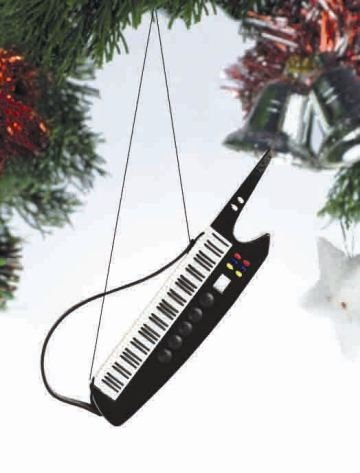
- ✓ Highly detailed miniature design
- ✓ Sleek black finish
- ✓ Very portable and lightweight
- ✕ Not actually playable
- ✕ Very small keys
| Dimensions | 6 inches long x 1.25 inches wide x 0.25 inches thick |
| Material | Plastic with detailed knobs and keys |
| Type | Synthesizer ornament / miniature keytar |
| Color | Black |
| Intended Use | Decorative or collectible accessory |
| Brand | MindaMusic |
As I unboxed the MindaMusic Synthesizer Keyboard Ornament, I immediately noticed its tiny but surprisingly detailed design. It’s only 6 inches long, yet the knobs and keys had a real sense of craftsmanship, which made me curious to see how it’d hold up during actual play.
Holding it in my hand, I was impressed by how solid it felt despite its small size. The black finish gave it a sleek, modern look, and the tiny keys were surprisingly tactile—like little sculptures of a real synth.
The knobs, though miniature, turned smoothly and added a nice touch of realism.
Playing around with it, I found that it’s perfect as a decorative piece or a fun collectible. Its compact size makes it super portable, so you can easily stash it in a bag or even clip it onto your gear.
It’s more of a visual upgrade than a functional instrument, but that’s part of the charm.
The buttons and knobs respond well when you press them, and the details are sharp enough to catch your eye. I did notice that the thickness is just a quarter-inch, so it’s more of an ornament than anything you’d actually use to make music.
For $14.99, it’s a steal if you’re into miniatures or want a cool desk accessory. Just keep in mind, it’s not playable in the traditional sense, but as a display piece, it hits all the right notes.
What Key Features Should You Consider When Choosing a Keytar Synthesizer?
When selecting the best keytar synthesizer, several key features should be taken into account.
- Sound Engine: The sound engine is crucial as it determines the quality and variety of sounds the keytar can produce. Look for synthesizers that offer a wide range of voices, including acoustic, electronic, and synthesized options, to suit different musical styles.
- Keyboard Action: The feel of the keys is important for playability and expression. Consider whether you prefer weighted keys for a piano-like feel or synth-action keys for a lighter touch, which can enhance performance versatility.
- Portability: One of the main advantages of a keytar is its portability. Evaluate the weight and design to ensure it is easy to transport for gigs or rehearsals, without compromising on features.
- Connectivity Options: Modern keytar synthesizers should offer various connectivity options such as MIDI, USB, and audio outputs. These features are essential for integrating the keytar with other devices, such as computers and sound systems, allowing for enhanced performance and recording capabilities.
- Built-in Effects: Look for keytars that come with built-in effects like reverb, chorus, and delay. These effects can add depth and character to your sound, making your performances more dynamic and engaging.
- Batteries and Power Options: Consider models that offer battery operation in addition to AC power, providing flexibility for outdoor gigs or performances in places without easy access to power outlets.
- Performance Features: Features such as pitch bend, modulation wheels, and programmable pads can enhance your live performance. These controls allow for expressive playing and can be essential for certain musical genres.
- Software Compatibility: Some keytars come with software bundles or are compatible with popular music production software. This can expand your creative possibilities, making it easier to produce and arrange music digitally.
How Important is Key Sensitivity for Performance?
Key sensitivity is a crucial factor for performance in keytar synthesizers, affecting expressiveness and playability.
- Velocity Sensitivity: This feature allows the keytar to respond to the speed at which keys are pressed, enabling dynamic control over volume and tone. Musicians can express nuances in their playing, making performances more engaging and emotive.
- Aftertouch Sensitivity: Aftertouch enables players to control additional parameters after the initial key press, such as modulation or effects. This capability allows for more expressive playing, as musicians can add vibrato or filter sweeps simply by pressing harder on the keys.
- Polyphonic Aftertouch: Unlike standard aftertouch, polyphonic aftertouch allows for individual control of each key pressed, providing an unprecedented level of expressiveness. This is particularly beneficial for complex chords or layered sounds, as it allows for intricate manipulation of each note independently.
- Key Size and Feel: The physical characteristics of the keys, including their size and the material they are made from, affect sensitivity and comfort. A well-designed keytar with responsive keys can enhance a player’s confidence and performance quality, making it easier to execute intricate passages.
- Response Time: The speed at which the synthesizer processes key presses is vital for a seamless performance. A quick response time ensures that the musician’s input translates instantaneously into sound, which is essential for fast-paced playing styles and live performances.
What Connectivity Options Should A Keytar Have?
When considering the best keytar synthesizer, it’s essential to evaluate the connectivity options available.
- MIDI In/Out: MIDI connectivity allows the keytar to communicate with other MIDI devices such as synthesizers, drum machines, and computers. This feature is crucial for live performances and studio setups, enabling the musician to control multiple instruments simultaneously or record performances in a digital audio workstation.
- USB Connectivity: A USB port is important for direct connection to computers and tablets, allowing for easy integration with music production software. This feature not only facilitates MIDI data transfer but also provides power to the keytar, reducing the need for additional power supplies.
- Audio Output: Having a dedicated audio output, such as a 1/4″ jack or XLR, is essential for sending sound to amplifiers or mixing consoles. This ensures high-quality sound reproduction during performances or recordings, minimizing signal loss and interference.
- Headphone Jack: A headphone jack is a valuable feature for practicing quietly or monitoring during performances without disturbing the audience. This allows musicians to fine-tune their sound and ensure that they are in sync with backing tracks or other instruments.
- Bluetooth Connectivity: Bluetooth allows for wireless audio streaming and MIDI control, providing more freedom of movement on stage or during practice. This eliminates the clutter of cables and enables musicians to connect to smartphones, tablets, or other Bluetooth-enabled devices for backing tracks or control apps.
- Expression Pedal Input: An input for an expression pedal expands the performance capabilities of the keytar, allowing for dynamic control over effects like volume, modulation, or pitch. This adds an expressive layer to performances, enabling musicians to create more nuanced and dynamic soundscapes.
Which Keytar Synthesizers Are Highly Recommended by Musicians?
Some of the best keytar synthesizers highly recommended by musicians include:
- Roland AX-Edge: This keytar features a sleek design and a wide range of sounds, making it a versatile choice for performers.
- Korg RK-100S: Combining classic Korg synth sounds with a lightweight, portable design, this keytar is perfect for both studio and live performances.
- Yamaha SHS-500: Known for its user-friendly interface and built-in Bluetooth connectivity, this model is great for musicians looking to integrate technology into their playing.
- Artiphon INSTRUMENT 1: This innovative keytar offers multiple playing styles, allowing musicians to switch between guitar, piano, and other instrument modes seamlessly.
- Casio XW-P1: With its powerful synth engine and extensive sound library, this keytar is ideal for those who want to create complex soundscapes on the go.
The Roland AX-Edge is a standout for its ergonomic design and a robust set of features including a wide array of onboard sounds and effects. Musicians appreciate its lightweight build, making it easy to perform with, while its customizable controls allow for expressive playing.
The Korg RK-100S is celebrated for its nostalgic design that harks back to classic Korg models, yet it incorporates modern technology with excellent synth capabilities. Its compact and lightweight construction makes it an excellent travel companion for musicians performing live or in studio sessions.
The Yamaha SHS-500 takes a contemporary approach with its Bluetooth functionality, allowing musicians to connect to apps for enhanced learning and performance. Its intuitive controls and built-in speakers make it an accessible option for beginners and seasoned players alike.
The Artiphon INSTRUMENT 1 breaks the mold by allowing players to engage with multiple instrument modes, making it incredibly versatile for various genres. Its innovative design supports MIDI connectivity, enabling musicians to explore new creative avenues in their compositions.
The Casio XW-P1 packs a punch with its impressive synth engine and expansive library of sounds, from classic tones to cutting-edge textures. Its performance features, including a powerful arpeggiator and rhythm generator, ensure that musicians can create richly layered compositions live on stage.
What Sets the Yamaha Sonogenic SHS-500 Apart from Others?
The Yamaha Sonogenic SHS-500 distinguishes itself in the keytar market through its innovative features and user-friendly design.
- Smart Chord Function: This feature allows players to perform complex chords easily by simply pressing a single key, making it accessible for beginners and allowing for creative expression without extensive music theory knowledge.
- Built-in Sounds and Effects: The SHS-500 comes equipped with a wide variety of high-quality instrument voices and effects, offering users a rich palette of sounds to choose from, which enhances performance versatility.
- Portability: Weighing in at just over 2.5 kg, the SHS-500 is lightweight and compact, making it easy to carry and suitable for live performances or practice sessions on the go.
- Connectivity Options: This keytar includes Bluetooth connectivity and USB ports, allowing seamless integration with music apps and DAWs, facilitating a modern workflow for recording and composing music.
- Integrated MIDI Controller: The SHS-500 can function as a MIDI controller, providing flexibility to control software instruments and other MIDI-compatible devices, making it a valuable tool for both live performance and studio work.
The Smart Chord Function enables users to unlock their musical potential by simplifying chord progressions, making it particularly attractive to those who might struggle with traditional keyboard playing. The built-in sounds and effects not only add depth to performances but also allow for a wide range of stylistic possibilities, catering to diverse musical genres.
Portability is a significant advantage of the SHS-500, as its lightweight design encourages musicians to take it anywhere, whether for rehearsals, gigs, or casual play. The various connectivity options enhance its functionality, enabling users to interact with technology seamlessly, whether for live performances or recording sessions.
Lastly, the integrated MIDI controller aspect of the SHS-500 ensures that it can adapt to various musical settings, providing musicians with the tools they need to explore and create without boundaries.
Why Do Musicians Favor the Roland GI-20?
This happens because the Roland GI-20 is widely recognized for its exceptional MIDI capabilities, allowing musicians to effectively translate their performance into digital sound with high accuracy and responsiveness.
According to a review by Sound on Sound, the GI-20 stands out in the market due to its ability to transform a guitar or other stringed instrument into a versatile MIDI controller, enabling seamless integration with various synthesizers and software. This feature provides musicians with a unique tool that combines traditional playing techniques with modern digital sound synthesis, making it a favorite among both guitarists and keyboardists.
The underlying mechanism involves the advanced pitch detection algorithms utilized by the GI-20, which facilitate real-time MIDI conversion of audio signals. This means that musicians can play their instruments as they normally would, while the device captures and translates the nuances of their performance into MIDI data. Additionally, the GI-20’s compatibility with a wide range of synthesizers and software instruments allows for a vast array of sound design possibilities, enriching the creative process for musicians. As a result, the combination of intuitive playability and extensive sound options drives the popularity of the Roland GI-20 as one of the best keytar synthesizers on the market.
How Do Various Keytar Brands Compare in Terms of Quality and Value?
| Brand | Quality | Value |
|---|---|---|
| Yamaha | Known for durable build and reliable performance. Weight: 5.5 lbs. | Mid-range pricing, offers good features for the cost. Popular Model: Yamaha SHS-500. Warranty: 1 year. User Rating: 4.5/5. |
| Roland | High-quality sound and extensive features, but may be heavier. Weight: 6.5 lbs. | Premium pricing reflects advanced technology and versatility. Popular Model: Roland AX-Edge. Warranty: 2 years. User Rating: 4.7/5. |
| Korg | Excellent build quality with a wide range of sounds. Weight: 5.2 lbs. | Competitive pricing, great for both beginners and pros. Popular Model: Korg microKEYtar. Warranty: 1 year. User Rating: 4.6/5. |
| Artiphon | Innovative design with good sound quality. Weight: 2.5 lbs. | Affordably priced, ideal for entry-level users. Popular Model: Artiphon INSTRUMENT 1. Warranty: 1 year. User Rating: 4.4/5. |
What Price Ranges Can You Expect for Quality Keytar Synthesizers?
The price ranges for quality keytar synthesizers can vary significantly based on features, brand, and build quality.
- Entry-Level Keytars ($200 – $500): These keytars are ideal for beginners or casual players looking for a lightweight and portable option. They usually come with basic synthesizer features and a limited range of sounds, making them suitable for simple performances and practice.
- Mid-Range Keytars ($500 – $1,200): Mid-range keytars offer a more extensive range of sounds, better build quality, and additional features like MIDI connectivity. They cater to more serious musicians who require versatility and improved sound capabilities for live performances and studio work.
- Professional Keytars ($1,200 and above): These high-end keytars are designed for professional musicians and often include advanced synthesizer technology, high-quality keybed, and extensive sound libraries. They typically feature robust construction and customizable settings, making them suitable for serious touring artists and studio professionals.
- Vintage Keytars (Varied Prices): Vintage keytars can be found at various price points depending on rarity and condition. Collectors often seek these models for their unique sounds and historical significance, and prices can soar for well-maintained units or sought-after brands.
Which Keytar Synthesizers Are Best Suited for Beginners and Why?
The best keytar synthesizers for beginners combine user-friendly features, affordability, and versatile sound capabilities.
- Korg microKEY Air 37: This is a lightweight, Bluetooth-enabled keytar that allows for easy portability and wireless play.
- Yamaha SHS-500: Featuring a built-in sequencer and a variety of voices, this keytar is ideal for those looking to experiment with music creation.
- Alesis V Mini: A compact option that includes touch-sensitive keys and assignable controls, making it great for beginners learning to produce.
- Roland AX-Edge: Although slightly pricier, it offers a range of professional sounds and features along with a sleek design, appealing to aspiring performers.
Korg microKEY Air 37: This keytar synthesizer offers a seamless wireless connection via Bluetooth, making it perfect for beginners who want to play without being tethered to a device. Its 37 velocity-sensitive keys provide an authentic playing experience, while its lightweight design ensures easy transport to practice sessions or gigs.
Yamaha SHS-500: The SHS-500 comes equipped with a built-in sequencer, allowing novices to compose and arrange music directly on the instrument. With a wide array of voices and effects, it encourages creativity and exploration, making it suitable for those just starting their musical journey.
Alesis V Mini: This compact keytar synthesizer is designed with touch-sensitive keys and assigns controls, which are essential features for beginners learning about music production. Its small size makes it highly portable, and the included software bundle helps users get started with music creation efficiently.
Roland AX-Edge: The AX-Edge is a step up in terms of features and price but offers exceptional sound quality and a professional aesthetic that can inspire beginners as they progress. Its advanced capabilities, including customizable sounds and built-in effects, allow new players to grow their skills while enjoying a versatile performance instrument.
Related Post: