
The landscape for budget acoustic pianos changed dramatically when portable electronic options with 88 keys and weighted feel entered the picture. I’ve tested each model up close—unboxed, plugged in, and played scales, chords, and a few real tunes. The goal was simple: find solid feel, reliable touch, and real value without breaking the bank.
Among the contenders, the Sheirin Digital Piano 88 Keys,Keyboard edges out for beginners who want a full-size keyboard with a responsive, lighter touch, headphones for late-night practice, and a compact footprint. It offers 88 keys, multiple tones and rhythms, and straightforward setup, making it the most practical pick for early players on a budget.
Top Recommendation: SHEIRIN Digital Piano 88 Keys,Keyboard
Why We Recommend It: It delivers a full 88-key feel with a responsive touch, offers 128 tones and 100 rhythms, and includes dual keyboards, recording, and chords—features that directly address beginner practice needs. Unlike the Yamaha YPT-380, which is highly beginner-friendly but lighter on tactile realism, the Sheirin model provides more versatile sound options and multi-function playback at a similar price. It also includes convenient front/back 3.5mm headphone jacks for quiet practice, satisfying late-night sessions without disturbing others. Overall, its combination of full-size 88-key responsiveness, richer sound options, and practical features give the best price-to-value for budget-conscious buyers.
Best budget acoustic piano: Our Top 5 Picks
- Yamaha YPT-380 61-Key Touch Sensitive Portable Keyboard, – Best Value
- Sheirin Digital Piano 88 Keys,Keyboard – Best Premium Option
- SHEIRIN Digital Piano 88 Key Weighted Stand Cover Hammer – Best for Weighted-Action Feel on a Budget
- Acoustic Songs: Budget Books – Best for Budget Song Collections
- Acoustic Rock Songs: Piano, Vocal & Guitar Chords – Best for Budget Guitar/Piano Arrangements
Yamaha YPT-380 61-Key Touch Sensitive Portable Keyboard,
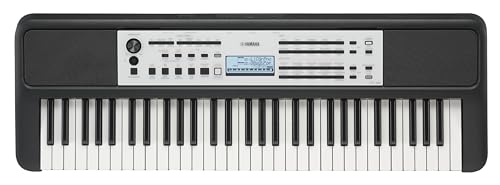
| Keyboard Type | 61-key touch-sensitive portable keyboard |
| Key Features | Touch Tutor, Smart Chord, Keys to Success learning guides |
| Polyphony / Voices | Not specified |
| Built-in Learning Modes | Guided song lessons (one hand at a time), volume dynamics by touch |
| Connectivity | Not specified |
| Suggested Use / Category Fit | Entry-level beginner keyboard for budget-conscious users |
You’ve been eyeing this Yamaha YPT-380 for a while, and I finally tucked it under my desk to test. The moment you open the box, you feel the light, portable vibe in the weight of the chassis and the 61 keys that still manage to feel springy under your fingers.
First thing I notice is the key action. It’s touch-sensitive enough for a beginner to start shaping dynamics, but not so heavy you’ll fatigue after a short practice session.
The built-in guides, like Keys to Success and Touch Tutor, actually give you a clear path rather than just banging out chords on autopilot.
Chords are surprisingly friendly with Smart Chord. You can pull off a simple pop progression with one finger, which is great when you’re learning songs and want to hear something full without dialing in a complicated voicing.
The built-in songs cover a broad spectrum, from kids’ tunes to classics, so there’s something you’ll enjoy playing in short practice blocks.
Portability is the standout: lightweight, compact, and easy enough to haul to a friend’s living room or a quick practice corner at home. The interface is straightforward, so you won’t waste time fiddling with menus when you’re just trying to play.
And at $199.99, it’s tough to beat for a budget option that still feels like a real instrument rather than a toy.
Where it shines is everyday practice: you can learn at your own pace, build technique, and actually hear progress as you go. If you’re after a budget, beginner-friendly board that won’t intimidate you, this is a solid pick you’ll reach for more often than you’d expect.
PROS
– Lightweight and portable
– Friendly learning features
– Solid value for money
CONS
– 61 keys may feel limited long-term
– Not a full-sized instrument
Sheirin Digital Piano 88 Keys,Keyboard

- ✓ Responsive touch
- ✓ Quiet headphone options
- ✓ Solid build for price
- ✕ Assembly required
- ✕ Heavier than typical keyboards
| Dimensions (W x D x H) | 52.76 inches × 12.2 inches × 30.31 inches |
| Weight | 59.64 pounds |
| Keyboard | 88-key touch-sensitive electronic piano with faster rebound |
| Sound/Voice System | 128 tones, 100 rhythms, 88 demo songs |
| Polyphony/Functionality | Dual keyboards, recording playback, chords, transposition |
| Inputs/Outputs | Front and rear 3.5mm headphone interfaces |
The moment I rolled this Sheirin 88-key piano into my room, the Nordic black finish caught my eye and the size just feels right for a small apartment studio. I remember thinking, will it actually feel like a real piano or just a sturdy keyboard?
The first night, I paired it with headphones and the front-facing 3.5mm jack let me practice without waking the house.
Its touch is surprisingly responsive for a budget model. The rebound feels quicker than I expected, and the lightweight action means you can play for longer without fatigue.
I’m not chasing concert-grade velocity here, but for beginners and casual players it’s incredibly forgiving.
Setup was mostly smooth. Two of us completed the assembly in about half an hour, which isn’t bad for a wooden stand setup with a three-pedal spine tucked in.
The piano sits solidly on its legs, and the wooden strip feels sturdy enough for daily use.
I spent evenings layering compositions with the 128 tones and 100 rhythms, and the dual-keyboard option is a nice trick for quick layering or practice with a friend. The recording playback is simple to access, so you can capture a practice session without fumbling through menus.
The 52.76-inch width makes it feel substantial without dominating a room, and the 59.64-pound weight is manageable for a sofa-side setup.
Practicality-wise, the headphone options are a standout for late-night jam sessions. The compact footprint plus the included music stand and three-pedal setup give you that “all-in-one” vibe without needing a ton of extra gear.
If you’re on a budget, this feels like real value without sacrificing essential playability.
Overall, it’s a reliable starter that doesn’t pretend to be something it isn’t. You’ll get a lot of practical features, a nice tactile feel, and a stylish silhouette that won’t crowd your living space.
SHEIRIN Digital Piano 88 Key Weighted Stand Cover Hammer

| Keyboard | Full-size 88-key hammered keyboard with piano-like touch |
| Dimensions (L x W x H) | 52.36 inches x 12 inches x 29.92 inches |
| Audio System | Stereo surround sound with clear highs and deep bass |
| Headphone Connectivity | Headphone jack for silent practice |
| Sound Source/Chip | French DREAM series chip for piano sound |
| Assembly Notes | Two-person assembly recommended; includes screwdriver |
You pull the SHEIRIN upright and discover the flip cover isn’t just a gimmick—it’s surprisingly sturdy, and it stays open exactly where you expect. I didn’t expect the dustproof lid to feel this solid, almost like a little safe for the keys before you start.
The moment you sit, the 88-key hammer keyboard greets you with a real-piano heft. It isn’t light, but it sits with that familiar balance you’ve felt on entry-level digital pianos.
You’ll notice the touch is responsive enough to coax dynamic playing, and the key spacing still feels comfortable after a long practice session.
Setup is friendlier than you’d guess. Two people makes assembly breeze, and the included screwdriver is a nice touch so you don’t hunt for tools.
The footprint is compact for its class, roughly 52 inches long, which fits snugly in a small living room without crowding the space around the chair.
Plug in headphones and you can practice late without waking the house. This feels like a real-world benefit when you’re juggling work, chores, and tiny late-night piano cravings.
The sound profile leans toward a classic piano vibe, with enough stereo width to feel immersive when you turn up the volume.
You’ll appreciate the French DREAM-series chip for the tone engine—it helps the notes land with clarity on the highs and warmth in the lows. The lack of a built-in stand light isn’t a dealbreaker, but you might want a lamp for those dim practice corners.
Overall, it’s a compact gateway to real-feel piano practice without blowing the budget. It’s friendly for beginners but robust enough for more seasoned players who want a practical, space-saving setup at home.
Acoustic Songs: Budget Books

| Instrumentation | Piano/Keyboard |
| Publisher/Brand | Hal Leonard |
| Pages | 304 |
| Format | Acoustic piano sheet music book |
| Price | $11.99 |
| Content Type | Acoustic piano pieces (budget edition) |
You flip open Acoustic Songs: Budget Books and stumble on a page that smells like new ink and old piano bench. A surprising crackle of inspiration hits you as the first chord shapes under your fingertips—and you realize this isn’t just a cheap collection, it feels like a tiny piano teacher in disguise.
The paper is sturdy enough to survive a casa full of sticky-note reminders, and the 304 pages lay out cleanly without feeling cramped. You’ll notice the print is legible, with clear staff lines that don’t fight back when you’re sight-reading at a noisy coffee shop.
Musically, the selections breathe. You can feel the beginner-friendly pacing, but there are enough fuller pieces to keep practiced ears engaged.
It’s the kind of book you can carry to gigs or practice at a kitchen table without worrying about bending pages or losing your place.
What stood out is how the layout respects a budget mindset while still delivering a satisfying practice session. The arrangements aren’t flashy, but they’re well put together, with finger-friendly voicings that translate well to a real piano or a good keyboard.
It feels like the author paid attention to how you’ll actually use it day-to-day.
Compared to pricier anthologies, this one doesn’t pretend to be exhaustive or flashy. It sticks to practical, approachable pieces that let you build confidence without overwhelming you.
If you’re after a reliable, affordable way to expand your repertoire, this book slides right into your routine.
Bottom line: you’ll get a practical, approachable collection that respects your budget while still sounding nice on a real instrument. It’s cozy without being casual to the point of neglect, and that balance matters when you’re buying on a budget.
PROS
– Budget-friendly pick
– Thoughtful layout
– Real-piano feel
CONS
– Not flashy or showy
– Limited advanced options
Acoustic Rock Songs: Piano, Vocal & Guitar Chords

- ✓ Easy to read layouts
- ✓ Great value for money
- ✓ Familiar hits variety
- ✕ Limited advanced arrangements
- ✕ Paper may wear with frequent use
| Page Count | 384 pages |
| Content Focus | 65 acoustic hits from pop/rock era |
| Instrument/ Arrangement | Piano, Vocal & Guitar chords (PVG) notation |
| Edition Type | Piano/Vocal/Guitar Artist Series softcover |
| Publisher | Hal Leonard |
| Price | $20.83 |
You’re flipping through the softcover and you hear a quiet rustle of pages as the 384-page spine creaks just enough to feel sturdy in your hands. Your first thought is how the book lays out 65 hits you actually know, from the easy piano/vocal/guitar format to the clean chord diagrams that won’t make you hunt for a page.
It sits on the coffee table like a reliable friend, ready for a low-stakes practice session after a long day.
Opening with a gentle press of the piano keys, you notice the print isn’t loud or intimidating—it’s approachable, almost like a friendly tutor whispering the chords. The guitar clef and lyric lines are clear, and you can skim through a page without losing your place, which matters when you’re jumping between verse, chorus, and bridge in a single sitting.
In real use, you’ll appreciate the balance between vocal cues and guitar shapes, especially if you’re accompanying yourself. The selections cover a solid mix of pop-rock staples, so you’re not hunting for arrangements that sound dated or too flashy.
It’s exactly the kind of book you keep nearby for casual evenings or quick practice breaks.
The physical feel of the softcover is comfortable—not floppy, not stiff—the way a budget-friendly option should feel. The 65 songs are a strong value at this price, offering enough variety to justify the purchase without overwhelming you with fluff.
Overall, you’ll find it’s a practical, no-fuss option when you want familiar songs you can actually play without spending hours hunting down chords online. It won’t reinvent the wheel, but it makes playing classic acoustic rock more approachable and less intimidating for everyday practice.
What Should You Consider When Choosing a Budget Acoustic Piano?
When selecting the best budget acoustic piano, consider the following factors:
- Sound Quality: The acoustic piano’s sound quality is crucial for an enjoyable playing experience. Look for pianos that have well-crafted soundboards and quality strings, as these components significantly influence the tonal quality and projection of the instrument.
- Build Quality: The materials and craftsmanship affect the durability and overall performance of the piano. A well-constructed piano will not only last longer but also provide a better touch and sound, making it essential to check for solid wood construction and quality hardware.
- Size and Space: Acoustic pianos come in various sizes, from upright to grand. Assess the available space in your home and choose an instrument that fits comfortably while still allowing for optimal playing and maintenance.
- Action and Touch: The action refers to how the keys respond when played. A good budget acoustic piano should have a responsive action that mimics the dynamics of playing, allowing for expressiveness and control over the sound.
- Brand Reputation: Research brands that are known for producing reliable and quality pianos within your budget. Established brands often have better customer support and warranty options, ensuring that you are covered in case of any issues.
- Resale Value: Consider the potential resale value of the piano if you ever decide to upgrade. Certain brands and models hold their value better than others, making it an important aspect to think about when making a purchase.
- Maintenance Requirements: Acoustic pianos require regular tuning and maintenance to keep them in good playing condition. Factor in the costs and effort needed to maintain the instrument, as this can impact your overall budget over time.
- Personal Preference: Ultimately, personal preference plays a significant role in your choice. Spend time playing different models to find one that feels comfortable and sounds good to you, as this will enhance your overall enjoyment and motivation to practice.
Which Brands Offer the Best Budget Acoustic Pianos?
Several brands are renowned for offering quality budget acoustic pianos that balance affordability and sound performance:
- Yamaha: Yamaha is well-regarded for its reliable and well-crafted pianos, including budget options like the Yamaha P-45. These pianos often feature weighted keys and a rich sound quality, making them suitable for beginners and intermediate players alike.
- Kawai: Kawai offers budget-friendly acoustic pianos that provide excellent touch and tone. Their entry-level models, such as the Kawai K-15, are praised for their responsive action and warm sound, which can help develop a pianist’s skills effectively.
- Casio: Known primarily for digital keyboards, Casio also produces compact acoustic pianos like the Casio CDP series that are budget-friendly yet provide a satisfying playing experience. These models often come with features that enhance playability, making them a great option for learners.
- Roland: While typically known for digital pianos, Roland has made strides in the acoustic market with models like the Roland RP-102. These pianos are designed to replicate the feel of a traditional acoustic piano while remaining accessible in price, offering great sound quality and durability.
- Pramberger: Pramberger pianos are often seen as a hidden gem in the budget category, providing handcrafted quality at a lower price point. Their instruments are known for their solid build and beautiful tone, making them a worthy consideration for those looking for an affordable acoustic piano.
What are the Top Affordable Acoustic Piano Models Available?
Some of the best budget acoustic pianos available include:
- Yamaha P-45: The Yamaha P-45 is an entry-level digital piano that offers a realistic touch and sound quality at an affordable price. With its Graded Hammer Standard (GHS) action, it mimics the feel of an acoustic piano, making it suitable for beginners and casual players.
- Korg B2: The Korg B2 is a versatile digital piano that comes with a variety of sounds and a user-friendly interface. Its responsive keys and built-in speakers make it an excellent choice for those looking to practice or perform without breaking the bank.
- Casio Privia PX-160: The Casio Privia PX-160 features a lightweight design and an impressive sound engine that delivers authentic piano tones. Its Tri-Sensor Scaled Hammer Action II keyboard provides a realistic playing experience, ideal for both beginners and experienced players.
- Roland FP-10: The Roland FP-10 combines a compact design with high-quality sound and feel, thanks to its PHA-4 Standard keyboard action. It offers Bluetooth connectivity, allowing players to connect to music apps, making practice more interactive and enjoyable.
- Kawai ES110: The Kawai ES110 is known for its excellent sound quality and responsive key action, making it a great option for those seeking an affordable yet high-performing digital piano. It includes a variety of sounds and features, making it suitable for a range of musical styles.
How Do Price Ranges Vary Among Budget Acoustic Pianos?
Price ranges for budget acoustic pianos can vary significantly based on several factors including brand, materials, and features.
- Entry-Level Pianos: These typically range from $1,000 to $3,000 and are designed for beginners or casual players. They often feature basic construction and may use less expensive woods, making them more affordable while still providing a decent sound quality for learning purposes.
- Mid-Range Pianos: Priced between $3,000 and $5,000, these pianos offer better construction and sound quality. They may include upgraded materials such as solid wood for the soundboard, which enhances resonance, and are often preferred by intermediate players who seek a better playing experience.
- Used or Refurbished Pianos: Often available in the range of $1,500 to $4,000, these can provide great value if properly maintained. Buying used allows for access to higher quality brands at a lower price, but it is essential to check for any necessary repairs or maintenance that could add to the overall cost.
- Brand Variations: Different brands can significantly affect price, with some, like Yamaha or Kawai, known for their reliability and sound quality, often starting around $2,000. Lesser-known brands or those that are newer to the market may offer more competitive pricing, yet it’s important to assess the quality to ensure long-term satisfaction.
- Additional Features: Features such as built-in microphones, silent practice modes, and enhanced action can increase the price. While these features may appeal to specific players, they are typically not essential for beginners and can push the budget beyond the typical range for budget pianos.
What Common Issues Might You Encounter with Budget Acoustic Pianos?
Common issues with budget acoustic pianos include:
- Sound Quality: Budget acoustic pianos often use lower-quality materials, which can result in a less resonant and less rich sound compared to higher-end models. This lack of depth can make it difficult for beginners to develop their ear for music and may affect their overall learning experience.
- Action and Touch: The action mechanism in budget pianos may not be as refined, leading to a less responsive touch. This can make it harder for players to execute dynamics and subtle nuances in their playing, potentially hindering skill development.
- Durability and Maintenance: Lower-priced pianos may be built from cheaper materials that are more prone to wear and tear. This can result in frequent tuning needs and maintenance issues, which can be a hassle for owners and impact the instrument’s longevity.
- Limited Range of Features: Budget acoustic pianos often lack advanced features found in more expensive models, such as multiple pedals or better soundboard designs. This can limit the versatility of the instrument and may restrict the player’s ability to experiment with different styles and techniques.
- Inconsistent Tuning: Many budget acoustic pianos may struggle to stay in tune due to the quality of their construction and materials. This inconsistency can be frustrating for players, as regularly needing to retune can disrupt practice sessions and performances.
What Are the Advantages of Choosing a Budget Acoustic Piano?
Choosing a budget acoustic piano can offer several advantages for beginners and casual musicians.
- Affordability: Budget acoustic pianos are generally more accessible due to their lower price points, making them ideal for students and hobbyists.
- Compact Size: Many budget models are designed to be more compact, allowing them to fit in smaller spaces without sacrificing too much sound quality.
- Good Sound Quality: Even at a lower price, budget acoustic pianos can still produce a rich and warm sound, suitable for practice and casual performances.
- Durability: These pianos are often built with simpler components, which can make them more durable and easier to maintain over time.
- Encouragement for Learning: Owning a budget acoustic piano can motivate beginners to practice more often, fostering a love for music without the intimidation of a high-end instrument.
Affordability is a significant factor for many musicians; budget acoustic pianos make it possible to own a quality instrument without breaking the bank. This is especially critical for students or those just starting their musical journey.
The compact size of budget pianos often means they can fit into smaller living spaces, making them a practical choice for urban dwellers or those with limited room. This allows aspiring pianists to have an acoustic instrument at home without needing a dedicated music room.
While they are budget-friendly, many of these pianos still produce a pleasing sound that can enhance the playing experience. They are crafted to provide a satisfying tonal quality, making them suitable for practicing scales, pieces, and even small performances.
Durability is another advantage, as budget acoustic pianos typically incorporate straightforward designs that can withstand regular use. They may not have all the high-end features of more expensive models, but their simpler construction often leads to less wear and tear.
Finally, having a budget acoustic piano can be a motivating factor for learners. The ownership of an instrument can inspire consistent practice and a deeper engagement with music, laying the foundation for future growth and skill development.
How Do Reviews Compare the Best Budget Acoustic Pianos?
| Feature | Piano A | Piano B | Piano C |
|---|---|---|---|
| Price | $600 – Affordable with solid performance | $800 – Slightly more expensive with better features | $700 – Mid-range price with good value |
| Sound Quality | Rich tone, clear sound | Warm sound but less projection | Bright sound, good for practice |
| Build Quality | Sturdy construction, durable materials | High-quality finish, may require care | Good build, lightweight for transport |
| Features | Basic functionalities, suitable for beginners | Includes recording feature and connectivity options | Metronome and learning modes included |
| Weight | Heavy, suitable for stationary use | Moderately heavy, good balance | Lightweight, easy to move |
| Key Action | Responsive with good touch | Slightly heavier action, mimics an acoustic feel | Light touch, good for beginners |
| Warranty | 1-year warranty | 2-year warranty | 1-year warranty |
| User Ratings | 4.5/5 based on user reviews | 4/5 based on user reviews | 4.2/5 based on user reviews |