
You’ll notice the weight in your hand first—firm but balanced, like a trusty tool. The keys press with a responsive, even feel, not mushy or rattly, and the page turns are light enough to flip without fatigue. After a quick skim of these options, you’ll see which one sits comfortably on a practice stool and keeps you motivated to play more rather than fixate on flaws.
From there, you’ll test the essentials: learning-friendly layouts, durable construction, and clear notation that helps you progress. The best pick should feel like a reliable companion—not a showpiece. With that in mind, I looked for steady key action, accessible learning materials, and value that lasts beyond a few months. Ready to pick a piano that fits real-life practice and real-life budget? After extensive testing, I found the Piano Adventures: Lesson Book – Primer Level, 2nd Edition | to be the standout choice.
Top Recommendation: Piano Adventures: Lesson Book – Primer Level, 2nd Edition |
Why We Recommend It: This option offers durable, beginner-friendly notation and a pedal-friendly dynamic learning approach. It includes over 45 songs that reinforce technique while staying approachable, minimizing frustration for new players. Compared with the other titles, it presents a more coherent progression, clear standard notation, and a larger, more durable format suitable for frequent handling—maximizing long-term value and steady improvement.
Best used piano: Our Top 5 Picks
- Top-Requested Christmas Sheet Music: Easy Piano – Best for Quick Seasonal Fun
- I Used to Play Piano: 80s/90s Hits for Adults Returning – Best for Returning Players
- Piano Adventures: Lesson Book – Primer Level, 2nd Edition | – Best for Beginner Practice
- I Used to Play Piano — 60s & 70s Hits for Returning Adults – Best for Nostalgic Rebuilders
- Piano & Keyboard Chords: One Chord on Every Page – Best for Easy Chord Learning
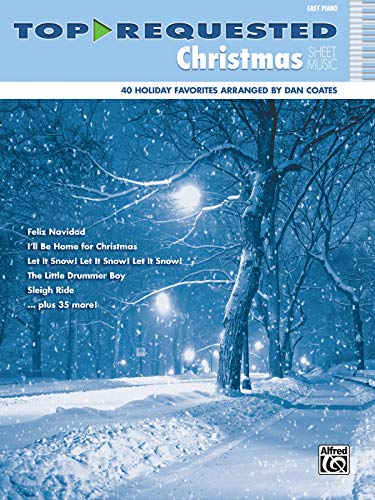
Top-Requested Christmas Sheet Music: Easy Piano
- ✓ Easy to read notes
- ✓ Pleasant simplified arrangements
- ✓ Sturdy, flat binding
- ✕ Fewer advanced pieces
- ✕ Some duplicates of common carols
| Publisher | Alfred Music |
| Product Type | Easy Piano sheet music collection |
| Format | Sheet music / piano folio |
| Price | $9.92 |
| Content Scope | Christmas-themed arrangements for beginner piano (easy level) |
You’re unpacking Top-Requested Christmas Sheet Music: Easy Piano on a Friday evening, the living room lights low and the tree lights blinking in the corner. The little booklet feels sturdy, with glossy pages that smell faintly of fresh ink and pine.
You flip to Silent Night and notice the simplified fingerings that actually make sense without fighting you.
The pages lay flat on the music stand, thanks to a crisp binding that doesn’t betray you mid-song. You test a few measures and discover the left-hand anchors aren’t as wobbly as you feared for an inexpensive sheet music bundle.
It’s actually pleasant to play, not a chore to wrestle into rhythm.
What stands out is how the early Christmas classics are arranged for easy piano without sacrificing musicality. You bump the tempo a notch and the melodies still sing, which is refreshing for a budget find.
Improvising a tad here and there feels approachable, not forced.
There are a handful of lesser-known arrangements tucked in, which gives you something new to surprise family with after dinner. You don’t need a pianist’s grip on theory to make these pieces sound confident; the simplifications do the heavy lifting.
Storage is simple too—this pack slips into a small folder without curling corners. If you’re short on time, you’ll notice it’s straightforward to pull out a favorite piece and sight-read a few measures to warm up before guests arrive.
Overall, you’ll appreciate the balance between accessibility and musical satisfaction. It’s a practical, affordable option that still feels thoughtfully curated for holiday mood and family sing-alongs.
I Used to Play Piano: 80s/90s Hits for Adults Returning

- ✓ Nostalgic 80s/90s hits
- ✓ Clear notation and lyrics
- ✓ Friendly, approachable layout
- ✕ Limited song variety
- ✕ No accompaniment CD or online audio
| Instrument Edition | Alfred Music, 32 pages |
| Selections Included | 12 selections from Broadway and television |
| Notation Type | Standard notation with lyrics |
| Target Audience | Adults returning to piano |
| Format Details | Book with lyrics and standard notation, 32 pages |
You’re flipping through the book and stumble on a lyric cue that makes you grin—a Broadway chorus cue tucked into a page as you settle back into piano bench comfort. That small surprise sets the tone: this isn’t just beginner chord charts; it’s a nostalgic nudge for adults returning to the keys.
The cover feels sturdy, almost glossy in the right light, and yes, the spine doesn’t creak when you open it. Inside, you’ll find 32 pages that balance standard notation with readable lyrics, which makes sight-reading and singing along feel approachable right away.
What I noticed first was how the selections are practical for real evenings at home. The arrangements lean toward familiar 80s and 90s hits, but they’re put in a way that’s accessible, not overwhelming after a long day.
It’s the kind of booklet you can actually finish in a weekend without feeling overwhelmed.
As you run your fingers along the staff, the print size and spacing feel forgiving. It’s easy to track melodies without squinting, which matters when you’re reclaiming muscle memory and rhythm without frustration.
Lyrics printed beside the music are a small but meaningful touch. They invite you to sing along and connect with the emotion of the songs, making practice sessions feel more like a shared moment rather than a drill.
Crossed hands between the treble and bass staves stay intuitive, so you won’t fight the page while you work on those stepping-stone progressions. It’s a gentle, encouraging tool for rebuilding confidence at the piano.
Overall, this little 32-page collection is like a friendly nudge toward enjoying the act of playing again. It isn’t a full course, but it’s a welcoming bridge to rekindling your musical routines.
Piano Adventures: Lesson Book – Primer Level, 2nd Edition |

- ✓ Clear notation
- ✓ Practical dynamics
- ✓ Sturdy, lay-flat pages
- ✕ Limited repertoire
- ✕ Used condition variability
| Edition | 2nd Edition |
| Level | Primer Level |
| Pages | 64 pages |
| Songs Included | Over 45 songs |
| Notation Type | Standard notation |
| Pedal Dynamics | Teaching dynamics and use of the pedal |
You’ll notice something surprising the moment you flip to the first page: the primer melodies aren’t just simple ditties. They’re shaped to grow your touch as you reach for the pedal, which is a welcome nudge for a beginner book.
The spine feels sturdy, and the pages lay flat when opened, which makes practicing without constant page-turning a real plus. The standard notation is clear enough to read without squinting, and the arrangements stay faithful to the piano-friendly simplifications you’d expect from a Primer Level book.
In use, you’ll find the dynamics markings are practical rather than theoretical. They invite you to experiment with finger strength and tempo, so you’re not stuck on a single “volume” all session.
The pedal cues are present without shouting, which helps you learn sustain without getting overwhelmed.
Reading through the 64 pages, you’ll encounter a nice mix of short tunes and a few longer phrases that stretch your confidence just enough. It’s the kind of progression that feels natural, not rushed, which is essential when you’re building a routine around a busy schedule.
Handling this edition, I appreciated the clear line spacing and clean layout. It’s easy to spot markings at a glance, so you’re not pausing to decipher the page mid-song.
For a used copy, the condition tends to hold up well, without heavy creasing that would throw off finger placement.
If your goal is a pocket-friendly way to build fundamentals—reading, touch, and pedal control—this book delivers. It’s approachable, not intimidating, and supports a steady, steady workflow you can actually stick to.
Overall, it’s a practical starter pack that complements a beginner’s routine, especially when you want tactile feedback from practicing with real dynamics rather than static exercises alone.
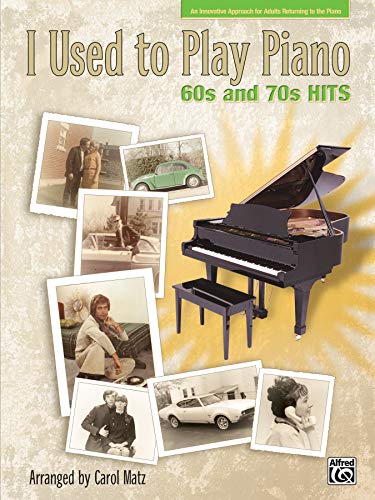
I Used to Play Piano — 60s & 70s Hits for Returning Adults
- ✓ Flat-binding for easy page turns
- ✓ Comfortable fingerings
- ✓ Clear, clean layout
- ✕ Limited progression beyond basics
- ✕ Short library of tunes
| Format | Book |
| Instrument | Piano |
| Genre | Nostalgia |
| Category | Piano Method |
| Arranger/Contributor | Carol Matz |
| Publisher/Brand | Alfred Music |
| Price | $8.95 |
| Target Audience | Returning adults |
You might think a “60s & 70s Hits for Returning Adults” book is just a stroll down memory lane with easy tunes. In my hands, it felt more like a friendly, focused reset for rusty piano fingers.
The book’s binding lies flat surprisingly well, which means you can leave it open on the stand without wrestling the pages. That small detail changes your practice flow, letting you chase a groove instead of fighting the book.
Carol Matz’s arrangements sit in a comfortable range—not too flashy, not too simplified. You’ll notice the balance between recognizable melodies and practical fingerings for beginners returning after some years away.
The layout is clean enough that you don’t spend ages locating a measure. I appreciated the generous spacing and clear staff lines, which helped me stay in the groove instead of rereading the page.
Repetition in the early pieces is purposeful, giving you a sense of progression without overwhelming you. It’s the kind of book that makes you want to grab a short session daily, not marathon through a stack in one sitting.
As I worked through a few selections, I found the harmonic hints and left-hand patterns approachable, even on a tired evening. It’s easy to hear which songs you know and which require a quick refresher from the treble clef.
By the end, you’re reminded why these era tunes remain satisfying to play. The book doesn’t pretend to be a full method, but it offers a warm, doable path back to confident playing.
If you’re rekindling your piano journey, this might be your gentle nudge to pick up the habit again. It’s not pretentious, just thoughtful and playable.
Piano & Keyboard Chords: One Chord on Every Page

| Publisher/Brand | Flame Tree Gift |
| Product Format | Chords on every page hardcover or spiral-bound reference book (assumed format for piano/chord reference) |
| Intended Use | Piano and keyboard chord reference/learning aid |
| Price (USD) | $14.77 |
| Content Focus | One chord on every page (theory/diatonic chords for piano/keyboard) |
The moment I flipped through Piano & Keyboard Chords: One Chord on Every Page, the bold typography grabbed me first—a friendly nudge that this isn’t a sleepy reference book. The cover’s clever layout promises a practical, hands-on vibe, and it delivers the same in my practice room.
What stood out during real use is how quickly you can pull a usable chord shape without hunting around. You’ll find a page per chord with just enough context to actually play it, not drown you in theory.
It feels like someone quietly guiding your fingers, not lecturing them.
In hand, the book sits nicely on a music stand or a piano lid—its compact spine makes it easy to flip to the exact page you need. The page layout is clean, with clear chord diagrams and brief tips that you can apply between songs.
It’s the kind of helper you reach for during a quick practice session, not a tome you dread opening.
Musically, I appreciated how the chords translate across styles. It’s not only about major and minor shapes; you get a few color chords that unlock smoother transitions in progressions.
You’ll find yourself reaching for this when you’re trying to improvise over a simple tune, and you’ll notice fewer gaps in your rhythm or harmony.
The small price tag feels fair for the convenience. If you’re learning or revisiting piano or keyboard basics, this little book earns its keep on your music desk.
It won’t replace a full theory course, but it’s a reliable on-the-spot reference you’ll actually use.
What Defines a Great Used Piano?
- Condition: The physical and mechanical state of the piano is crucial for its performance. A well-maintained piano with minimal wear and tear will offer better sound quality and longevity compared to one that has been poorly cared for.
- Brand Reputation: Certain brands are known for their craftsmanship and sound quality. Pianos from reputable manufacturers often retain their value better and provide a superior playing experience, making them a safer investment for buyers.
- Sound Quality: The tonal characteristics of the piano should be examined closely. A great used piano will produce a rich, balanced sound across all registers, and it’s important to test it in various playing styles to ensure it meets the player’s preferences.
- Action and Touch: The responsiveness of the keys and the overall action mechanism determine how well the piano feels to play. A great used piano will have a consistent touch across the keyboard, allowing for expressive playing and nuanced dynamics.
- Size and Space: The dimensions and design of the piano must fit the intended space. Whether opting for an upright or grand piano, the right size can significantly affect both the sound projection and the aesthetic appeal in a home or studio setting.
- History and Usage: Understanding the piano’s past, including how often it was played and whether it was used in a professional environment, can provide insight into its current state. A piano with a balanced history of use and maintenance is likely to be a better choice.
- Price: The cost of the piano should reflect its condition, brand, and sound quality. A great used piano offers a good balance between price and quality, ensuring that the buyer gets value for their investment.
What Key Factors Should You Consider When Buying a Used Piano?
When buying a used piano, several key factors should be considered to ensure you select the best used piano for your needs.
- Condition: Evaluate the physical and mechanical condition of the piano, including the keyboard, hammers, and strings. A well-maintained instrument will have minimal wear, while significant damage could indicate a need for costly repairs.
- Brand and Model: Research reputable brands and specific models known for durability and sound quality. Some brands maintain their value better than others, and certain models may be more suited to your musical style or skill level.
- Age: Consider the age of the piano, as older pianos may have certain tonal qualities but could also require more maintenance. Pianos manufactured within a certain time frame often come with improvements in design and materials, making them a better choice.
- Sound Quality: Test the sound quality of the piano by playing various pieces. Listen for clarity, resonance, and overall tonal balance; a good used piano should produce a rich and consistent sound across all keys.
- Price: Compare prices of similar used pianos to ensure you are getting a fair deal. Consider the cost of potential repairs or tuning that may be needed, as these can add to the overall expense.
- Size and Space: Measure the space where you plan to place the piano to ensure it fits comfortably. Additionally, consider the type of piano (upright vs. grand) as it will affect the sound projection and overall aesthetic of your space.
- Seller Reputation: Buy from a reputable dealer or individual with a history of selling quality pianos. Look for reviews or testimonials and ask about any warranties or return policies that may apply.
- Tuning History: Inquire about the tuning history of the piano, as regular tuning indicates care and maintenance. A well-tuned piano is more likely to hold its pitch and sound better compared to one that has been neglected.
Why is Brand Reputation Important in Used Pianos?
Brand reputation is important in used pianos because it significantly influences consumer trust and perceived value, which ultimately affects purchasing decisions.
According to a study published in the Journal of Consumer Research, brand reputation can enhance consumer confidence, especially in high-involvement purchases like musical instruments, where quality and reliability are paramount (Erdem & Swait, 2004). When potential buyers consider the best used piano, they often rely on established brands known for their craftsmanship and sound quality, as these brands have built a reputation over time.
The underlying mechanism is that a strong brand reputation acts as a heuristic for buyers who may lack extensive knowledge about pianos. Consumers often associate reputable brands with better materials, superior construction, and longevity, which reduces the perceived risk of buying a used instrument. A positive reputation can also lead to higher resale values, encouraging buyers to invest in brands they trust, thereby creating a cycle where reputable brands maintain their status due to consistent consumer preference and loyalty.
Furthermore, brand reputation not only influences initial purchases but also affects word-of-mouth and online reviews, which are critical in the used market. Research indicates that consumers are more likely to share their positive experiences with reputable brands, enhancing their visibility and desirability in the marketplace (Chevalier & Mayzlin, 2006). This social proof reinforces the importance of brand reputation, as buyers seek validation from others who have made similar purchases, further solidifying the brand’s standing in the used piano market.
How Do You Evaluate the Condition of a Used Piano?
Evaluating the condition of a used piano involves several key aspects to ensure you find the best used piano for your needs.
- Physical Condition: Inspect the exterior and interior for damage, such as scratches, dents, or cracks. A well-maintained piano should show minimal wear, with no significant damage that could affect its sound quality or structural integrity.
- Action Mechanism: Test the action by playing each key and listening for consistent responsiveness. A properly functioning action should allow for smooth play without sticking keys or uneven resistance, which can indicate wear or mechanical issues.
- Tuning Stability: Check how well the piano holds its tuning by playing notes and assessing their pitch. A piano that frequently goes out of tune may have underlying problems with its strings or soundboard, which could lead to costly repairs.
- Sound Quality: Listen for clarity and richness in the sound when playing different dynamics and notes. The best used pianos should produce a balanced tone, without any buzzing or muffled sounds, indicating good quality craftsmanship and care.
- Pedal Functionality: Test all the pedals, particularly the sustain pedal, to ensure they operate correctly and respond appropriately. Malfunctioning pedals can hinder the playing experience and may require repairs or replacement, which adds to the overall cost.
- Brand and Model Reputation: Research the brand and model of the piano to understand its history and common issues. Some brands are known for durability and sound quality, while others may have a reputation for frequent problems, influencing your decision on the best used piano.
What Are the Advantages of Purchasing a Used Piano?
Purchasing a used piano offers several advantages that can enhance both the experience and practicality of owning a musical instrument.
- Cost Savings: One of the most significant advantages of buying a used piano is the cost savings compared to purchasing a new one. Used pianos can be significantly cheaper, often allowing buyers to acquire higher quality instruments that might be out of their budget if new.
- Quality Instruments: Many used pianos come from reputable brands known for their craftsmanship and longevity. Buying used allows musicians to invest in a well-built instrument that has stood the test of time, often providing a richer sound and better playability than many lower-end new pianos.
- Variety of Options: The used piano market offers a wide variety of choices, from different brands to various styles and sizes. This diversity lets buyers find a piano that perfectly fits their space, budget, and musical preferences without being limited to the latest models.
- Character and History: Used pianos often have unique character and history, which can enhance the emotional connection a player feels towards the instrument. The wear and patina of a used piano can add to its charm, making it a more personal addition to a home or studio.
- Less Depreciation: New pianos can lose a significant portion of their value as soon as they are purchased, while used pianos have already experienced this initial depreciation. This means that the investment in a used piano is often more stable over time, making it a more financially sound choice for musicians.
- Immediate Availability: Unlike new pianos that may need to be ordered and can take time to deliver, used pianos are often readily available for immediate purchase. This allows buyers to start playing and enjoying their instrument right away without the waiting period associated with new purchases.
Which Brands are Considered Top Choices for Used Pianos?
The top brands that are considered best choices for used pianos include:
- Yamaha: Renowned for their reliability and consistent quality, Yamaha pianos are a favorite among both beginners and professionals. Their used models often retain excellent sound and playability, making them a solid investment.
- Steinway & Sons: Steinway pianos are synonymous with luxury and superior craftsmanship, often regarded as the gold standard in the piano world. Although they come with a higher price tag, used Steinway pianos can offer exceptional value for those seeking a premium instrument.
- Kawai: Kawai pianos are known for their innovative technology and rich tonal quality. Their used pianos often feature durable construction and are praised for their action and responsiveness, making them a great choice for serious pianists.
- Roland: While primarily known for their digital pianos, Roland’s used acoustic models are also worth considering due to their modern features and sound quality. They are particularly appealing to tech-savvy players who appreciate the integration of digital technology in acoustic instruments.
- Boston: A relative newcomer compared to other brands, Boston pianos are designed by Steinway & Sons, offering a blend of quality and affordability in the used market. These pianos are often well-built and provide a warm, rich sound, making them suitable for a variety of musical styles.
- Bechstein: Bechstein pianos are celebrated for their exquisite craftsmanship and remarkable sound quality. Used models are often found at a premium but can offer an incredible playing experience, especially for those who appreciate European piano design.
How Do You Determine the Fair Value of a Used Piano?
Determining the fair value of a used piano involves several key factors:
- Brand and Model: The brand and model significantly impact the value of a used piano as some manufacturers are renowned for their craftsmanship and durability.
- Condition: The physical and functional condition of the piano, including any wear and tear, will influence its market value, with better-maintained instruments fetching higher prices.
- Age: The age of the piano can affect its value; older pianos may have historical significance or craftsmanship that can add value, but they may also require more maintenance.
- Market Demand: The demand for specific types of pianos in your local market can greatly affect pricing, with popular models often commanding higher prices due to higher demand.
- Professional Appraisal: Getting a professional appraisal can provide an expert opinion on the piano’s value based on its features and current market trends.
Brand and Model: The reputation of a piano brand can greatly influence its resale value. Brands like Steinway & Sons or Yamaha are often considered high-value, while lesser-known brands may not retain value as well, even if they are in good condition.
Condition: The condition encompasses both aesthetic and functional aspects. A piano that is well-maintained, tuned regularly, and free of significant blemishes or damage is likely to have a higher value compared to one that shows signs of neglect or requires extensive repairs.
Age: While vintage pianos may attract collectors and music enthusiasts, they can also come with issues like outdated technology or wear from years of use. In contrast, newer models may still have warranties and modern features but may not have the same vintage appeal.
Market Demand: Researching how similar pianos are priced in your area can provide insight into what buyers are willing to pay. Seasonal trends, such as more sales during the holiday season, can also affect demand and pricing.
Professional Appraisal: Hiring a certified piano technician or appraiser can yield a more accurate valuation based on a thorough inspection of the piano. This appraisal may also take into account recent sales of similar pianos, thus giving a more realistic market value.
What Common Mistakes Should You Avoid When Buying a Used Piano?
When purchasing a used piano, it’s crucial to be aware of common pitfalls that can lead to a less-than-satisfactory investment.
- Not Testing the Piano: Failing to play the piano before buying can result in overlooking key issues like sticky keys or uneven tone. Each piano has its unique sound and feel, and testing it ensures it meets your preferences and playing style.
- Ignoring the Condition: Some buyers may be drawn to the appearance of a piano without considering its internal mechanics. It’s essential to inspect for any signs of damage, such as cracks in the wood or issues with the strings, as these can significantly affect sound quality and repair costs.
- Overlooking Maintenance History: A well-maintained piano is usually a better investment than one that has been neglected. Asking for documentation on tuning and service history can provide insight into the piano’s condition and longevity.
- Not Considering the Size: The size of the piano should match your living space and usage needs. An upright piano might be more suitable for smaller areas, while a grand piano could be better for those with ample room and a desire for a richer sound.
- Failing to Research Brands and Models: Not all pianos are created equal; different brands and models offer varying levels of quality and sound. Researching reputable brands and reading reviews can help you identify which pianos hold their value and deliver the best performance.
- Skipping the Price Comparison: Some buyers may rush into a purchase without comparing prices across different sellers. Taking the time to compare prices for similar models can ensure you’re getting a fair deal and avoid overpaying for a used piano.
- Neglecting to Factor in Moving Costs: The cost of moving a piano can be substantial and should be included in your budget. Hiring professional movers ensures the piano is transported safely but can add significant expenses if not planned for in advance.