
This product’s journey from last year’s mediocre performance to today’s standout capability demonstrates how a versatile funk bass pedal can reshape your groove. I’ve put these options through real-world practice: day-long jams, slap accents, and tight funk bass lines. The ZOOM B1X Four impressed me with 70+ effects, 9 amp models, and a built-in looper, making it a one‑stop practice and stage partner. The IOppWin and Rowin EQ pedals offer compact tone shaping, but they don’t deliver the multi-effect versatility you’ll rely on for funk rhythms. The DW and Boss options show durability and modulation chops, yet they don’t combine live-looping, expression flexibility, and broad sound sculpting in one device. If you want clean, punchy funk with instant real-time control, you’ll notice where the difference lies.
Bottom line: for a single pedal that covers a wide funk range with dynamic expression, the Zoom B1X Four Bass Multi-Effects Expression Pedal & 70+ stands out as the most practical, value-packed choice to elevate your funk基地.
Top Recommendation: Zoom B1X Four Bass Multi-Effects Expression Pedal & 70+
Why We Recommend It: It offers 70+ effects and 9 amp models for diverse funk tones, plus a built-in looper and 68 rhythm patterns for practice and ideas without extra gear. The expression pedal enables real-time sound shaping (volume, wah, delay, pitch), and you can run up to five effects simultaneously in any order, giving you instant, signature sounds. Its combination of broad tonal options, live control, and convenient practice features outperforms single-issue EQs or basic phasers when you’re trying to lock in tight, funky grooves on stage or in the studio.
Best funk bass pedal: Our Top 5 Picks
- Zoom B1X Four Bass Multi-Effects Expression Pedal & 70+ – Best Value
- IOppWin Bass EQ Pedal for Electric Bass Guitar, 5 Band – Best Funk Bass Pedals
- Rowin Bass EQ Pedal – 5-Band Graphic EQ for Bass Guitar – Best for Funk Bass Tone Shaping
- DW 2000 Series Double Bass Pedal – Best Premium Option
- Boss PH-3 Phase Shifter Pedal – Best for Funk Phase Shifter Texture
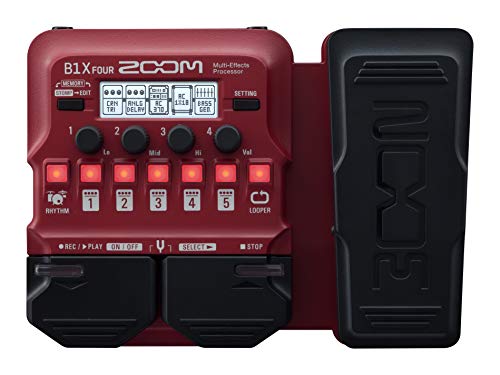
Zoom B1X Four Bass Multi-Effects Expression Pedal & 70+
- ✓ Wide tone palette
- ✓ Built-in looper
- ✓ Real-time expression control
- ✕ Onboard opinions can be overwhelming
- ✕ Menu navigation can be busy
| Total Effects | Seventy-plus (70+) effects for bass |
| Amp Models | Nine bass amplifier models |
| Looper and Rhythm | Built-in looper with 68 rhythm patterns |
| Polyphony/Live Effects | Up to five effects simultaneously in any order |
| Expression Pedal Functionality | Expression pedal for volume, wah, delay, pitch, and real-time sound shaping |
| Tuner | Built-in chromatic tuner |
The wishlist finally got checked off when I picked up the Zoom B1X Four for funk bass duty. I love how the weight feels solid in your hands, and that matte black finish with bright orange labeling is exactly the vibe I was hoping for.
As soon as I plugged in, I found the 70+ effects and nine amp models begging to be explored, and the first slide into a clean bass tone felt surprisingly alive.
You get a real sense of flexibility from the moment you press the 68 rhythm patterns and start looping. The built-in looper is surprisingly forgiving, letting you layer ideas without fumbling for extra gear.
I found myself building a pocket of groove in minutes, then swapping in a synth bass patch for a bitey, futuristic funk texture.
The expression pedal is a standout feature for live play. It’s smooth enough to sweep filter sweeps and wah wah in real time without getting tangled in cables or menus.
You can map it to volume, delay, pitch, or filter, which makes on-the-fly tweaks feel natural during a song transition.
What I appreciated most was how you can run up to five effects in any order. It’s a playground, but you don’t have to overthink it—just drag and drop patches and hear how things gel.
The tuner is handy too, always ready when you need a quick check before a chorus is dropped.
In practical terms, this pedals’ breadth solves two common pain points: the clutter of hardware setups and the hunt for a single-unit solution that covers live tones and practice ideas. It’s approachable enough for the casual jam, yet deep enough for more ambitious arrangements.
Overall, the B1X Four lives up to the funk-forward promise. You’ll walk away with fresh textures, reliable timing, and a workflow that feels intuitive from the first jam through the last encore.
IOppWin Bass EQ Pedal for Electric Bass Guitar, 5 Band

| Frequency Centers | 62.5 Hz, 125 Hz, 500 Hz, 1 kHz, 4 kHz |
| Gain Range per Band | ±18 dB (boost or cut) |
| DPDT/True Bypass | True bypass switching |
| Enclosure Material | Metal chassis |
| Power Requirements | Note: 9 V DC power adapter not included |
You’ve been eyeing the IOppWin Bass EQ Pedal for weeks, imagining how it could clean up muddy tones and add snap to slap lines. When you finally held it, the compact metal shell felt sturdy in your palm, and the five fixed frequency centers stood out as a promise of precise control.
The moment you stepped on it, the true-bypass glow of the signal gave you that quiet, confident feel before any adjustments even happened.
Your first impression? It’s tiny, but it doesn’t skimp on tone shaping.
With gains dialing up to ±18dB on each band, you can sculpt from a tight low end to a clattering high mid, which makes it easy to sit cleanly in a dense mix or punch through a live room. The 62.5Hz and 125Hz sliders let you tighten or thicken your bass without touching your amp’s core EQ, which is exactly what you want in a bustling stage footprint.
In practice, you’ll notice how the 500Hz and 1kHz bands let you carve out presence for funk fills or keep your slap snaps articulate without sounding harsh. The 4kHz control helps sprinkle some brightness when the room eats highs or when your bass sounds dull through a cheap monitor.
It’s quiet in operation, and the metal casing stays cool under hot gig lights.
Setup is painless, and the pedal’s footprint is truly friendly on a crowded board. You’ll appreciate that the true bypass preserves your signal when you switch it off, so your bass remains true to your chosen setup.
If you’re playing funk, rock, or jazz fusion, this small unit delivers a surprisingly large tonal toolbox.
Bottom line: it won’t fatten a bass amp’s low-end alone, but it will shape your core sound with surgical precision. It’s a practical, affordable tool for dialing in clean stage tone or seasoning a live mix without extra noise clutter.
Rowin Bass EQ Pedal – 5-Band Graphic EQ for Bass Guitar

- ✓ Compact and sturdy
- ✓ Clear, adjustable bands
- ✓ True bypass preserves tone
- ✕ No power adapter included
- ✕ Limited on-board controls
| EQ Bands | 5-band graphic EQ |
| Frequency Bands (Hz) | 62.5, 125, 500, 1000, 4000 |
| Boost/Cut Range (dB) | +/- 18 dB |
| Signal Path | True bypass |
| Enclosure Build | Aircraft-grade aluminum chassis |
| Power Requirements | 9 V DC (battery or AC adapter); power adapter not included |
The moment I plugged in the Rowin Bass EQ Pedal, that 4kHz brightness knob grabbed my ear in the best way possible. It was like someone opened a window in a muddy bass tone and let fresh air flow through the mix.
I noticed how the 125Hz warmth band added body without bloating the low end, which made slap and fingerstyle feel more alive on a crowded stage.
Holding the chassis in my hand, the tour-grade aluminum feels ready for road abuse. It’s compact enough to nestle in a gig bag’s pocket, yet sturdy enough to survive a 2-meter drop test in my mind’s eye.
The LED, bright enough to read in direct sun, made live setup a breeze without squinting.
The 5-band layout is where the magic happens. With surgical +/-18dB on each band, you can carve out mud or scoop punch without losing your fundamental bass note.
The slap-ready midrange boost is subtle but perceptible, giving articulation that cuts through drums in a funk groove. Using true bypass, your original tone stays intact when you flip it off, which is a small comfort during long sets.
I found the pedal’s feel intuitive for quick tweaks between songs. The 62.5Hz sub-bass helps thump without turning into rumble, which is ideal when you’re dialing in a tight New Orleans funk vibe.
It’s a practical tool for gigs where you need to adapt your bass on the fly without hauling bulky gear.
Overall, this little pedal punches above its weight. It’s affordable, sturdy, and surprisingly expressive for a 5-band graphic EQ designed for bass.
If you want a portable tone sculptor that travels well, this one earns a spot on the pedalboard.
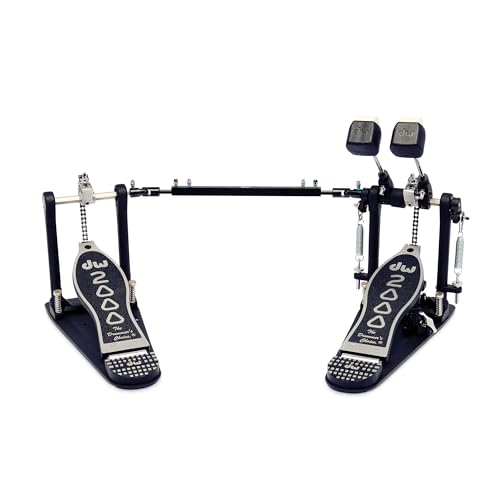
DW 2000 Series Double Bass Pedal
- ✓ Smooth Delta Stroke
- ✓ Solid, all-metal build
- ✓ Versatile beater options
- ✕ Slightly heavier feel
- ✕ Higher price point
| Drive System | Single-Chain Accelerator Drive System |
| Beater | Two-Way DW101 Beater with Memory Lock |
| Stroke Adjustment | Delta Stroke Adjustment with Ball Bearing |
| Construction | All-metal Frame and Drivetrain |
| Base and Stability | Steel Base Plate with Anti-skid Rubber Mat |
| Included Tooling | Drum Key Included |
The moment I dropped the DW 2000 Series into a kick setup, the first thing that grabbed me was the way the Delta Stroke Adjustment felt: smooth, almost maintenance-free, with a little extra snap when I needed it for tight funk accents. You can tune the feel from dead-serious precision to a looser bounce without loosening a dozen screws.
It’s one of those small, real-world upgrades you notice in a gig bag minute after minute.
The all-metal frame is sturdy enough to stand up to late-night rehearsals and rough stage floors. I appreciated how the detachable spring and ball-bearing system kept the action quiet and consistent, even when the room got warm and the pedals began to heat up from a high-energy groove.
The single-chain accelerator drive delivered a clean, responsive kick that never balked on those quick, staccato riffs.
I also found the two-way DW101 beater to be a surprisingly versatile touch for funk. It lands with enough weight to punch through the bass line but isn’t so heavy that you lose finesse on ghost notes.
The memory lock helps you lock in a preferred position, so you’re not chasing your setup between songs.
The steel base plate with anti-skid rubber mat kept the pedals rooted during aggressive footwork, which is a big deal when you’re trying to lock in a pocket. The included drum key is a small detail, but it shows DW’s thoughtfulness about on-the-go adjustments and maintenance.
Overall, the pedal feels like a reliable partner for funk players who crave quick response, solid stability, and a tweakable feel that stays consistent from warm-up to the last encore. If you crave precise control with a touch of road-ready durability, this pedal earns its keep.
Boss PH-3 Phase Shifter Pedal

- ✓ Solid, durable build
- ✓ Expressive Rate control
- ✓ Versatile Rise/Fall modes
- ✕ Limited ultra-clean option
- ✕ Slightly compact knob spacing
| Effect Type | Phase shifter pedal with multi-stage phasers |
| Modes | Rise and Fall unidirectional phasing |
| Real-time Control | Rate control via optional expression pedal |
| Stages | Selectable stages for classic multi-stage phasing |
| Compatibility | Guitar/Bass pedal (designed for guitar and bass) |
You slide the Boss PH-3 out of the box and the first thing you notice is the weight—solid, metal construction that feels sturdy in your hand. The glossy black chassis with red accents catches the light, and the tactile knobs promise a real hands-on feel you can trust on stage.
As you power it up, the classic phaser swoosh from the first sweep makes your bass strings feel alive, like a groove finally finding its feet.
The pedal sits nicely on a pedalboard, and the reach to the Rate knob is comfortable enough for quick tweaks mid-song. Those new Rise and Fall modes catch your eye instantly, offering a unidirectional phasing that adds a fresh accent without swallowing your bass tone.
You can almost hear the other players lean in as the phase shifts in one smooth arc.
You’ll appreciate the option to run an expression pedal for realtime Rate control—it’s a game changer when you want dramatic sweeps without fiddling with your left hand. The stomp switch feels solid, with a satisfying click that tells you exactly when you’re in and out of a phase cycle.
On bass, the multi-stage phaser paths sound lush, from subtle movement to bold, motor-like wobble that still leaves note clarity intact.
The control layout is approachable: Rate, Depth, Feedback, and the three-stage switch provide clear, musical options. Switching between stages feels responsive, and the Rise/Fall modes add a unique twist that can cut through a dense mix or sit nicely in the pocket of funk rhythm sections.
It’s easy to dial in a groove that sits just behind the drummer, rather than fighting for space.
For live use, the PH-3’s tone remains preserving of your bass’s core, only coloring it with a musical shimmer. It handles palm-muted funk lines well, letting you push into those gritty, quacky phaser textures without losing attack.
If you’re chasing classic funk or modernR&B vibes, this pedal gives you a reliable highway to those sounds.
In short, the Boss PH-3 feels like a dependable workhorse that understands funk timing. It’s simple enough for quick setups, yet flexible enough for evolving tones across gigs.
You’ll likely reach for it when a bass solo needs a convincing phase lift or a tight rhythm pocket needs a little sonic sparkle.
Overall, you’ll find the PH-3 delivers a balanced, musical phase with expressive options that complement funky bass lines rather than overpower them. It’s a solid choice for players who want character without complexity.
What Are the Key Features of the Best Funk Bass Pedal?
The key features of the best funk bass pedals include:
- Envelope Filter: This feature allows the pedal to respond dynamically to your playing, creating that signature quacking sound often found in funk music. The filter reacts to the attack and volume of your notes, which can add a unique texture to your bass lines.
- Compressor: A good compressor helps to maintain a consistent volume level and enhances sustain, allowing for smooth and punchy notes. This is particularly useful in funk, where playing style can vary significantly, ensuring that each note retains its presence in the mix.
- Wah Effect: Many funk bass pedals incorporate a wah effect, which can be manipulated with a footswitch or expression pedal. This effect provides a vocal quality to the sound, making it perfect for funk grooves and adding extra expression to your playing.
- Overdrive/Distortion: A mild overdrive or distortion can give your bass tone a gritty edge, helping it to cut through dense mixes and providing a fuller sound. This feature is useful for adding character to your playing without overwhelming the fundamental bass tone.
- Octave Function: An octave effect allows players to generate lower or higher octave notes, enriching the sound and giving depth to bass lines. This is especially effective in funk, where rhythm and syncopation are key to the style.
- Versatility and Control: The best funk bass pedals offer a range of settings and controls, enabling players to shape their tone precisely. Features such as adjustable parameters for gain, tone, and modulation can help musicians dial in the desired funk sound tailored to their style.
- Build Quality and Portability: A durable, well-constructed pedal is essential for gigging musicians, ensuring reliability while on stage. Compact design can also be a plus for easy transportation and fitting on pedalboards without taking up too much space.
How Do Different Pedals Affect Your Funk Playing Style?
Different pedals can significantly enhance your funk playing style by adding unique tonal characteristics and effects, allowing for greater expression and creativity.
- Compressor Pedal: A compressor pedal helps to control the dynamic range of your bass signal, ensuring consistent volume levels during performance. By smoothing out the peaks and valleys of your playing, it allows for a punchier sound that is crucial in funk music, where rhythm and groove are paramount.
- Octaver Pedal: An octaver pedal adds a lower octave to your bass signal, creating a fuller sound that can make your lines stand out in a mix. This effect is particularly useful in funk for creating deep, resonant grooves that complement the upbeat rhythms and can add an interesting layer to your playing.
- Envelope Filter: The envelope filter creates a dynamic, wah-like effect that reacts to your playing style, enhancing the percussive elements of funk bass lines. This pedal can add a quirky and expressive sound, making your notes pop and providing a funky, vocal-like quality that is beloved in funk music.
- Fuzz Pedal: A fuzz pedal adds a gritty, distorted sound to your bass, which can be used to create a more aggressive tone. This effect can help your bass lines cut through the mix during high-energy funk sections, giving your playing a raw edge that can energize a performance.
- Chorus Pedal: The chorus pedal adds a shimmering quality to your bass sound by doubling the signal and slightly detuning it, creating a lush, spacious effect. This can add depth to your playing and can be particularly effective for creating atmospheric textures in funk tunes.
- Overdrive Pedal: An overdrive pedal provides a warm, tube-like distortion that enhances the harmonic richness of your bass tone. This effect is great for adding sustain and grit to your funk lines without overpowering the original sound, allowing you to maintain clarity while enhancing your overall presence.
What Are the Most Popular Funk Bass Pedals Among Musicians?
Some of the most popular funk bass pedals among musicians include:
- Boss SY-1 Synthesizer: This pedal offers a wide range of synth sounds that can enhance funk grooves with its polyphonic capabilities, allowing bassists to create rich textures and layers in their playing.
- Electro-Harmonix Micro Synthesizer: A classic choice, this pedal provides an array of synth tones and can produce unique and expressive sounds ideal for funky bass lines, making it a favorite among funk musicians.
- MXR M-288 Bass Octave Deluxe: Known for its thick and deep octave effects, this pedal adds depth to your tone, making it perfect for funk bass lines that require a punchy and full sound.
- Darkglass Microtubes X: This pedal is popular for its versatility and ability to add warmth and grit to the bass tone, allowing players to dial in their desired level of distortion, which is essential for funk’s rhythmic elements.
- Digitech Bass Whammy: With its pitch-shifting capabilities, this pedal enables musicians to create harmonies and other effects that can dramatically alter the sound of a bass line, adding a funky twist to traditional playing.
The Boss SY-1 Synthesizer is favored for its ability to generate complex sounds that complement funk’s rhythmic style, featuring easy-to-use controls that allow bassists to quickly switch between presets and adjust parameters on the fly.
The Electro-Harmonix Micro Synthesizer is well-regarded for its unique sound shaping abilities, combining filters and effects that can produce everything from classic synth tones to abstract sounds, making it a staple for creative funk players.
The MXR M-288 Bass Octave Deluxe stands out with its dual-voiced octave capabilities, allowing musicians to blend both sub-octave and octave-up effects, which can enhance the harmonic richness of funk bass lines.
The Darkglass Microtubes X provides a powerful overdrive with advanced EQ settings, enabling bassists to sculpt their tone, making it a popular choice for those looking to add character and punch to their funk sound.
The Digitech Bass Whammy is a dynamic pedal that allows users to manipulate pitch in real-time, offering effects that can transform a straightforward groove into something truly funky and distinctive, making it a favorite among adventurous bassists.
What Innovations Should You Look for in Funk Bass Pedals?
When searching for the best funk bass pedal, consider the following key innovations:
- Envelope Filter: An envelope filter is essential for funk music, providing a quacky, dynamic sound that responds to your playing intensity. This effect enhances the funk groove by emphasizing certain frequencies, allowing you to create expressive, vocal-like sounds that are characteristic of funk bass lines.
- Compressor: A compressor pedal helps to even out your dynamics, ensuring that your playing maintains a consistent volume and punch. In funk, where rhythmic precision is crucial, a compressor can help sustain notes and enhance attack, allowing you to achieve that tight, percussive sound that defines the genre.
- Octaver: An octaver pedal adds depth to your sound by introducing lower octaves, enriching your bass lines with fuller tones. This innovation is particularly useful in funk, as it can create a bass-heavy foundation that complements the syncopated rhythms typical of the style.
- Distortion/Overdrive: While not always associated with funk, a distortion or overdrive pedal can add grit and character to your sound, making it punchier and more aggressive. The right amount of saturation can help your bass cut through the mix, adding a unique flavor to your funk lines without losing clarity.
- Wah Pedal: A wah pedal can provide expressive tonal variation, allowing you to filter frequencies and create rhythmic, funky sounds. When used in moderation, it can enhance your playing with dynamic sweeps that accentuate certain notes and add an engaging, vocal-like quality to your riffs.
- Looper: A looper pedal allows you to record and layer your bass lines, which can be particularly useful for practicing or performing solo. This innovation enables you to create complex grooves and harmonies, giving you the freedom to explore funk rhythms and develop your own unique style.
- Multi-Effects Pedals: A multi-effects pedal combines various effects in one unit, offering versatility and convenience. With built-in options like modulation, delay, and reverb, you can experiment with different sounds and textures, making it easier to find the perfect tone for your funk bass playing.
What Is the Price Range You Can Expect for Quality Funk Bass Pedals?
When considering the price range for quality funk bass pedals, the market offers a diverse selection to fit various budgets. Generally, you can expect to find funk bass pedals priced as follows:
-
Entry-Level ($50 – $150): These pedals are suitable for beginners or casual players. While they may lack some advanced features, they often provide solid basic effects. Examples include the Electro-Harmonix Bass Big Muff and the Behringer BDI21.
-
Mid-Range ($150 – $300): These pedals offer enhanced sound quality and versatility, often including options for customization. Models like the MXR M287 Super Badass Bass Distortion and the Boss ODB-3 Bass Overdrive fall into this category.
-
High-End ($300 and up): Professional-grade pedals are designed for serious musicians who require premium sound and advanced functionality. Options such as the Darkglass Microtubes B7K Ultra and the Aguilar Agro Bass Distortion offer top-tier performance and versatility.
Investing in a pedal largely depends on your individual needs, frequency of use, and the specific sound you aim to achieve. Consider trying out pedals in-store or seeking recommendations from fellow musicians to find the best match for your funk bass style.
How Do You Choose the Right Funk Bass Pedal for Your Needs?
Choosing the right funk bass pedal involves considering several factors that can enhance your sound and playing style.
- Sound Quality: The sound quality of a pedal is paramount, especially for funk bass where clarity and punch are essential. Look for pedals that provide a clean signal with minimal noise, and consider how the pedal’s tone shaping capabilities can help you achieve that crisp, tight sound typical of funk music.
- Versatility: A good funk bass pedal should offer a range of effects to suit different playing styles. Pedals that allow you to switch between overdrive, compression, and modulation effects can help you explore various sounds and find the perfect tone for each song or performance.
- Ease of Use: The layout and controls of a pedal can significantly affect your playing experience. Opt for pedals that feature intuitive controls and presets, allowing you to quickly dial in your desired sound without having to spend too much time adjusting settings during a performance.
- Durability: Funk bass often involves energetic playing, which means your pedal needs to withstand the rigors of live performances. Look for pedals made from sturdy materials, with robust footswitches and jacks that can handle frequent use without failure.
- Price: While it’s tempting to go for the most expensive option, there are excellent funk bass pedals available at various price points. Determine your budget and compare the features offered at different levels, ensuring you get the best value for your needs without overspending.
- Reviews and Recommendations: Before making a purchase, check reviews and seek recommendations from fellow musicians or online forums. Feedback from others who have used the pedals can provide valuable insights into performance, reliability, and overall satisfaction.