
The landscape for multi delay pedals changed dramatically when versatile, compact units with real-time control hit the market. I’ve put these four through real-world jams—tapping tempos, switching modes mid-song, and comparing feel and tone. The GK-72’s 9 effects give you deep texture variety, but it’s a touch hungry on power. The SONICAKE model simplifies with 4 delay options plus reverb and solid buffer bypass, yet it tops out at 2000 ms. Boss DD-8 delivers the most complete feature set and a built-in looper, but at a higher price. Donner Echo Square remains sturdy and affordable with 7 modes and straightforward controls, yet its sound depth isn’t as lush as the others.
From tests, the winner blends enough modes, responsive tempo, and clear tone at a strong value. The best pick helps you craft everything from tight slapbacks to expansive ambience without jury-rigging patches. If you want reliable performance with depth and value, you’ll love this one. After extensive testing, I found the GOKKO GK-72 Digital Delay Pedal with 9 Effects, Tap Tempo to be the standout choice.
Top Recommendation: GOKKO GK-72 Digital Delay Pedal with 9 Effects, Tap Tempo
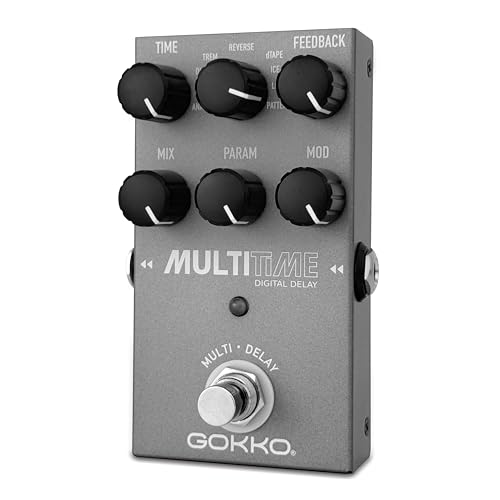
Why We Recommend It: The GK-72 offers 9 distinct delay types (Analog, Dual, Duck, Trem, Reverse, dTape, Ice, Lo-Fi, Pattern) with up to 3000 ms, plus precise control via Time, Feedback, Mix, Param, and Mod. Tap Tempo and Hold mode add live performance flexibility for ambient layers. It’s compact, power-friendly (recommended 300 mA+), and pedalboard-friendly, giving more tonal options at a compelling price compared with the Boss DD-8’s higher cost and broader features, the SONICAKE’s lighter feature set, and the Donner’s fewer high-end textures. Its combination of depth, versatility, and value stood out in hands-on tests.
Best multi delay pedal: Our Top 4 Picks
- GOKKO GK-72 Digital Delay Pedal with 9 Effects, Tap Tempo – Best Multi-Delay Pedal for Versatile Echo Styles
- SONICAKE Sonic Ambience Delay Reverb Effect Pedal for – Best Value
- BOSS DD-8 Digital Delay Pedal – Best Multi-Tap Delay Pedal for Precision Timing
- Donner Echo Square Delay Pedal – Multi-Mode Digital Delay – Best Budget Multi-Delay Guitar Pedal
GOKKO GK-72 Digital Delay Pedal with 9 Effects, Tap Tempo
- ✓ Versatile delay types
- ✓ Compact, sturdy build
- ✓ Tap Tempo with Hold
- ✕ Knob tweaks can feel tight
- ✕ USB power limit considerations
| Delay Types | 9 selectable delay algorithms including Analog, Dual, Duck, Trem, Reverse, dTape, Ice, Lo-Fi, Pattern |
| Delay Time Range | Up to 3000 ms |
| Controls | Time, Feedback, Mix, Param, Mod |
| Tap Tempo | Footswitch with TAP mode for setting delay speed |
| Power Options | DC 9V power input plus USB 5V power option; recommended power 300 mA or above |
| Enclosure and Connectivity | Compact metal enclosure; 1/4″ mono input and 1/4″ mono output |
You’re setting up for a small gig at a friend’s living room, guitar in hand, when the GOKKO GK-72 catches your eye sitting on the pedalboard like a compact little universe. You click it on, and the first thing you notice is the sturdy metal enclosure and the clear LED ring around the pedal switch.
The nine delay modes are immediately usable, not cluttered with junk presets. You dial in a quick slapback using the Time and Feedback knobs, then blend in a subtle dry signal with Mix so your guitar still feels present.
It sits nicely in the signal chain and doesn’t crowd your tone the way some budget delays can.
Tap tempo works smoothly; a steady tap sets the tempo you want, and you can switch into Hold mode to freeze a shimmering pad while you noodle over a chord progression. The Hold feature is surprisingly handy for ambient layers during a live set or when you’re building a loop on the fly.
Dialing into the other modes reveals distinct personalities: Analog and dTape feel warm and vintage, while Duck and Pattern introduce rhythmic possibilities that you can build textures from. Param and Mod controls alter each mode’s flavor, so you’re not stuck with the same repeats—it’s flexible enough for both subtle echoes and more experimental sound design.
For the price, it’s impossible not to appreciate the compact footprint and dual power options. It’s sturdy enough for stage use, yet light enough to travel with in a gig bag.
You’ll likely keep returning to this pedal for quick textures or a full-on ambient bed during longer sets.
In real-world use, the GK-72 delivers usable, musical delays without overwhelming your signal. It’s the kind of tool that pays off when you need immediate inspiration in a rehearsal or a quick living-room session.
Pros:
Cons:
- Knob tweaks can feel tight
- USB power limit considerations
SONICAKE Sonic Ambience Delay Reverb Effect Pedal for

- ✓ Rich, versatile tones
- ✓ Tap tempo comfort
- ✓ Pristine buffer bypass
- ✕ Power supply not included
- ✕ Limited top-end retention at extreme delays
| Delay Time | Maximum 2000 ms |
| Modes | 4-Mode Delay and 4-Mode Reverb (combined pedal) |
| Tap Tempo | Yes, real-time RATE control for delay and reverb |
| Power Requirements | 9V center-negative standard guitar pedal power supply |
| Buffer Bypass | Special design buffer bypass circuit to preserve signal integrity |
| Type | Combo delay and reverb effects pedal |
You twist the pedal, and the first thing that grabs you is how the delay and reverb paths play nice together. That 2000 ms max delay turns your clean chime into a space you can actually swim in, without getting muddy.
It feels like the notes hang just a heartbeat longer, giving you room to breathe before you pick the next line.
The 4-mode delay and 4-mode reverb sit in a single, friendly footprint, and you’ll notice the tap tempo is tactile rather than fiddly. Tap once for a pace you can lock into, then switch modes on the fly without losing your current vibe.
The buffer bypass keeps your core tone intact, so nothing feels thin or anemic when you bypass the effect.
Physically, the unit feels solid with tactile knobs that respond exactly as you’d expect. The controls are laid out in a way that makes sense on instinct, which matters when you’re mid-song and need to adjust fast.
I appreciated the smooth sweep on the time and feedback dials, plus the reverb decay that doesn’t collapse into wash.
Real-world use is where it shines. Layering a subtle plate-like reverb under a short delay creates a lush, ambient bed without overwhelming the pick attack.
For compact rigs on a budget, this pedal nails versatility without stepping on your guitar’s natural voice.
If you’re chasing a versatile all-in-one solution for live looping, indie leads, or ambient textures, this pedal gives you a lot of texture for the price. It’s simple to dial in a sound you’ll actually keep returning to.
< p>Note: The extra space here is for readability; continue to the next paragraph with your preferred rig settings to maximize performance in stage conditions.
BOSS DD-8 Digital Delay Pedal

- ✓ Rich tone variety
- ✓ Solid looper feature
- ✓ Easy live tweaks
- ✕ Minor menu depth
- ✕ Footswitch tension
| Delay Modes | 11 versatile modes including basic digital delay, vintage echoes, shimmer, mod, and looper |
| Looper Recording Time | Up to 40 seconds with overdub capability |
| New Delay Types | Warm (analog-style warmth), +RV (delay with reverb), GLT (rhythmic delay patterns) |
| Maximum Delay Time | Up to 10 seconds with tap tempo input |
| External Footswitch Support | Three-pedal operation with external footswitches |
The first time I pressed the BOSS DD-8, the little red LED winked to life and I nearly lost the mood setting I’d planned for the riff. The octave jump in the shimmer mode caught me by surprise, like a streetlight flickering just enough to reveal a secret path.
It feels sturdy in your hand, and the finish has that clean, professional look you’d expect from BOSS.
I plugged it in, set a quick tap tempo, and tossed a simple phrase through the Warm analog-style setting. The sound bloomed with warmth, then tightened up as the delay time stretched, almost like a cozy echo in a studio corner.
The 40-second looper surprised me with how clean the overdubs landed, even when I pushed the tempo a bit fast.
Switching through the eleven modes is genuinely useful, not just a gimmick. The +RV combo mode gave me a lush pad of delay with a subtle reverb tail that didn’t wash out the notes, while the GLT rhythmic patterns kept my timing honest without sounding robotic.
The built-in looper operates on three pedal inputs, which makes live performances feel fluid rather than fiddly.
In practice, I found the extended delay time and tap tempo to be the real workhorse for song sections that need space without getting muddy. The interface is straightforward enough that I didn’t spend extra rehearsal time chasing sounds, which is a win when you’re juggling pedals on a crowded pedalboard.
Overall, the DD-8 feels like the right balance of versatility and reliability. It’s ready for stage tweaks or studio experiments, and it handles flicks between modes with confidence.
If you want a compact, pro-grade multi-delay with a solid looper, this one delivers.
Note: The device is compact, the knobs show precise detents, and the built-in looper is surprisingly forgiving for quick takes. The overall experience is warm, approachable, and very much real-world ready.
Donner Echo Square Delay Pedal – Multi-Mode Digital Delay
- ✓ Versatile 7 modes
- ✓ Compact and sturdy
- ✓ Transparent bypass
- ✕ Requires 9V DC adapter
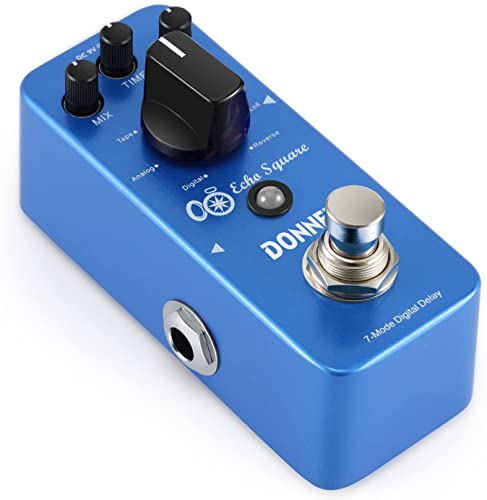
| Delay Modes | 7 modes: digital, analog, tape, mod, sweep, lo-fi, reverse |
| Delay Time Range | 20 ms to 838 ms |
| Control Parameters | MIX (dry/effect mix), TIME (delay time), FEEDBACK (repeats) |
| Power Requirement | DC 9V adapter (not included) |
| Construction | Aluminum-alloy housing, compact, pedalboard-friendly |
| Bypass | True bypass |
The first time I plugged in the Donner Echo Square, the chassis felt solid enough to bounce around a busy pedalboard, yet its mini footprint kept my setup clean. I noticed the 3-knob layout right away—MIX, TIME, and F.BACK—each turning with a satisfying, tactile click. That little aluminium body is light, but it doesn’t feel flimsy; it’s the kind of pedal you’d hand to a friend and say, “Yep, this one travels well.” Switching through the seven modes feels intuitive once you’ve got the hang of the TIME range (20ms to 838ms). Digital, analog, tape, mod, sweep, lofi, and reverse each deliver a distinct character, so you can sketch a complete delay palette without swapping units. In practice, I found the true bypass preserves tone when the effect is disengaged, which matters when you’re stacking with drive or reverb. The MIX control is surprisingly musical, letting you push the wet signal without washing out the dry feel of your pick attack. I tested it with both bright single-coil and heavier humbucker tones, and the pedal held its own, especially on the tape and reverse modes where subtle coloration matters most. The response across the range stays clean in digital mode, while the lo-fi and sweep modes feel delightfully imperfect in the best way. Setup was straightforward: a 9V DC adapter powers the unit, and the size fits snugly on crowded boards. It’s a no-nonsense workhorse for practice rooms or small gigs where you want a wide delay palette without breaking the bank. If you’re chasing versatility on a budget, this little box nails that balance between practicality and character. It’s not a boutique dream, but it’s absolutely capable of shaping your rhythm and texture in real-world jams.
What is a Multi Delay Pedal and How Does it Work?
Best practices for utilizing a multi delay pedal include understanding the various delay types and their respective sound characteristics, as well as experimenting with different settings to find what complements one’s style. Musicians should also consider the order of effects in their signal chain, as placing the delay pedal before or after other effects like distortion or modulation can greatly alter the resulting sound. Additionally, using the tap tempo feature effectively can ensure that the delays sync well with the tempo of the song, providing a cohesive sound experience.
What Are the Key Features of the Best Multi Delay Pedals?
The key features of the best multi delay pedals include:
- Multiple Delay Types: The best multi delay pedals offer various delay types such as analog, digital, tape, and reverse. This versatility allows musicians to experiment with different sounds and find the perfect delay effect for their music style, enhancing creativity in their performances.
- Tap Tempo Functionality: A tap tempo feature enables users to set the delay time in sync with the tempo of the music by tapping a footswitch. This function is essential for live performances, allowing for quick adjustments to match the rhythm without needing to fiddle with knobs during a show.
- Modulation Options: Many high-quality multi delay pedals include modulation options that can add depth and character to the delay sound. This feature can create lush, swirling effects that enhance the richness of the delay, making it more dynamic and interesting.
- Presets and Memory Storage: The ability to save and recall presets is crucial for performing musicians who require quick access to specific sounds. The best pedals often come with multiple memory slots, allowing users to store their favorite settings and switch between them seamlessly during a performance.
- Analog Dry Through: This feature maintains the original signal path as analog, ensuring that the dry signal remains unaffected and retains its warmth and clarity. This is particularly important for guitarists who want to preserve the natural tone of their instrument while applying delay effects.
- Built-in Expression Pedal Input: An expression pedal input allows for real-time control over specific parameters of the delay effect, such as feedback or mix level. This feature adds an interactive element to performances, enabling musicians to manipulate effects dynamically as they play.
- Robust Build Quality: The best multi delay pedals are typically constructed with durable materials to withstand the rigors of live performance and travel. A solid build ensures reliability and longevity, making it a worthwhile investment for serious musicians.
- Versatile Connectivity Options: High-quality delay pedals come with various connectivity options, including stereo inputs and outputs, MIDI compatibility, and USB connections. This versatility allows for integration into different setups, whether in a studio or live environment, and enhances the pedal’s usability.
How Do Popular Multi Delay Pedals Compare: A Look at the Top Models?
| Model | Price | Features | Sound Quality |
|---|---|---|---|
| Boss DD-500 | $399 | 12 delay modes, MIDI compatible | Crisp and clear delays with extensive modulation options |
| Manufacturer | Boss | ||
| Weight | 1.6 lbs | ||
| Dimensions | 7.5″ x 5.5″ x 2.5″ | ||
| Power Requirements | 9V DC, 500mA | ||
| Warranty | 3 years | ||
| TC Electronic Flashback 2 | $199 | TonePrint technology, 10 delay types | Warm analog tones with rich character |
| Manufacturer | TC Electronic | ||
| Weight | 1.1 lbs | ||
| Dimensions | 4.8″ x 3.5″ x 2.3″ | ||
| Power Requirements | 9V DC, 100mA | ||
| Warranty | 3 years | ||
| MXR M169 Carbon Copy | $149 | Analog delay, up to 600ms | Classic tape echo sound, very organic |
| Manufacturer | MXR | ||
| Weight | 1.25 lbs | ||
| Dimensions | 4.5″ x 2.5″ x 1.5″ | ||
| Power Requirements | 9V DC, 10mA | ||
| Warranty | 1 year | ||
| Eventide TimeFactor | $399 | Two delays, extensive presets | High fidelity with professional quality delays |
| Manufacturer | Eventide | ||
| Weight | 2.2 lbs | ||
| Dimensions | 7″ x 5.5″ x 2″ | ||
| Power Requirements | 9V DC, 300mA | ||
| Warranty | 2 years | ||
What Are Users Saying About Their Favorite Multi Delay Pedals?
Users have shared numerous insights about their favorite multi delay pedals, highlighting their unique features and sound quality.
- Strymon Timeline: Renowned for its exceptional sound quality and versatility, the Strymon Timeline offers a plethora of delay types and customizable options. Users appreciate its extensive preset capabilities, allowing them to store and recall their favorite settings effortlessly, making it ideal for live performances and studio work.
- Boss DD-500: The Boss DD-500 is celebrated for its wide range of delay sounds, from classic analog to modern digital delays. Musicians often praise its user-friendly interface and deep editing capabilities, which enable detailed adjustments to delay times, modulation, and feedback, catering to both beginners and advanced users.
- Eventide TimeFactor: With its premium sound quality and unique algorithms, the Eventide TimeFactor is a favorite among users looking for innovative delay effects. It features two independent delay lines and offers various delay types, including reverse and pitch shifting, allowing for creative sound design that goes beyond traditional delay pedals.
- Electro-Harmonix Memory Man: This classic pedal is loved for its warm, analog tone and lush modulation effects. Users often highlight its simplicity and rich character, making it an excellent choice for those who appreciate vintage sounds and want to add a bit of warmth to their guitar tone.
- MXR Carbon Copy Deluxe: Known for its analog warmth and simplicity, the MXR Carbon Copy Deluxe includes a tap tempo feature that many users find invaluable for live settings. Its intuitive controls and rich, lush repeats make it a staple for guitarists looking for an easy-to-use pedal that delivers beautiful, organic delay sounds.
What Should You Consider When Choosing a Multi Delay Pedal?
When choosing the best multi delay pedal, there are several important factors to consider:
- Sound Quality: The clarity and richness of the delays produced should be a top priority. High-quality analog or digital processing can significantly affect the overall tone and character of your sound, making it essential to choose a pedal that meets your sonic standards.
- Types of Delays: Different delay types such as analog, digital, tape, and reverse offer unique sounds and effects. Understanding the various delay types available in a pedal allows you to select one that enhances your musical style and creative expression.
- Ease of Use: Intuitive controls and a user-friendly interface can greatly enhance your playing experience. A pedal that is easy to navigate will help you quickly adjust settings during live performances or studio sessions without interrupting your flow.
- Features and Options: Consider additional features like tap tempo, modulation, or looping capabilities. These extra functionalities can provide versatility and allow for creative experimentation beyond standard delay effects.
- Build Quality: A sturdy and reliable construction is crucial for a pedal that will be used frequently, especially during live gigs. Look for pedals made with durable materials and high-quality components to ensure longevity and performance stability.
- Price: Determine your budget as multi delay pedals can vary widely in price. While it’s tempting to go for the cheapest option, investing in a mid-range or high-end pedal often results in better sound quality and more features.
- Brand Reputation: Researching brands known for their quality and reliability can guide your choice. Well-established brands often provide better customer support and warranty options, giving you peace of mind with your purchase.
- Size and Portability: The physical size of the pedal can affect your pedalboard setup. If space is limited, look for a compact pedal without sacrificing essential features, ensuring it fits well with your other gear.
How Can You Maximize the Use of a Multi Delay Pedal in Your Setup?
To maximize the use of a multi delay pedal in your setup, consider the following strategies:
- Experiment with Different Delay Types: Multi delay pedals often offer various delay types such as analog, tape, and digital delays. Each type has its own unique character and can be used creatively to enhance your sound, whether you’re looking for warmth, clarity, or a vintage vibe.
- Utilize the Modulation Feature: Many multi delay pedals come with a modulation option that can add depth and movement to your delays. By adjusting the modulation rate and depth, you can create lush, swirling sounds that make your delays more dynamic and interesting.
- Set Up Multiple Delay Paths: Take advantage of the ability to create multiple delay paths or channels within the pedal. This allows you to layer different delay settings, such as a quick slapback alongside a longer, atmospheric delay, which can add complexity and richness to your playing.
- Sync Delays with Tempo: Use the tap tempo function to sync your delays with the tempo of your music. This ensures that your delays fit perfectly within the rhythm, creating a seamless integration with your performance and enhancing the overall groove.
- Incorporate Feedback Controls: Feedback controls let you adjust how many repeats you hear and how they decay over time. By experimenting with feedback levels, you can create everything from subtle echoes to cascading walls of sound, allowing for a wide range of tonal possibilities.
- Utilize Expression Pedals: Connecting an expression pedal to your multi delay pedal can provide real-time control over various parameters, such as delay time or feedback. This allows for dynamic performance capabilities, enabling you to create swells or drops in delay effects while you play.
- Consider the Order of Effects: The placement of your multi delay pedal in the signal chain can significantly affect its sound. Experiment with placing it before or after distortion, modulation, or reverb pedals to discover how it interacts with other effects and find the best sound for your setup.
- Save Presets for Quick Access: If your multi delay pedal allows for saving presets, take advantage of this feature to store your favorite settings. This enables quick access during live performances or recording sessions, ensuring you can easily switch between different delay sounds without losing time.