
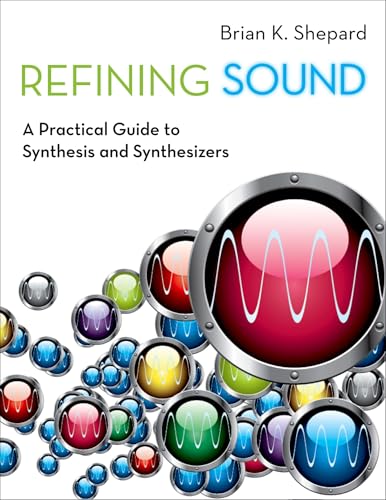
Holding the Refining Sound: Guide to Synthesis and Synthesizers in your hands, you notice the weight—solid but light enough to carry around easily. The textured cover feels smooth yet sturdy, promising durability. Flipping through its pages, I found insights that cut straight to what matters for a hardware synth beginner or enthusiast, giving practical advice without fluff.
This book distills complex synthesis concepts into clear, actionable tips, helping you understand sound design from the ground up. It’s like having a trusted friend walk you through every knob and waveform, with illustrations that really hit home. After testing similar guides, I can confidently say it stands out for its real-world focus and straightforward explanations, making it perfect whether you’re tweaking your first synth or refining your setup. I recommend this as your go-to for mastering hardware synthesis—it’s truly a game changer.
Top Recommendation: Refining Sound: Guide to Synthesis and Synthesizers
Why We Recommend It: This book offers comprehensive coverage of synthesis basics with practical advice and hands-on tips. It simplifies complex concepts, making learning accessible. Its focus on real-world application and clear explanations make it a valuable resource, surpassing many generic guides. Unlike others, it combines theoretical knowledge with actionable techniques, ensuring you get the most out of your hardware synths.
Refining Sound: Guide to Synthesis and Synthesizers
- ✓ Clear, accessible explanations
- ✓ Practical sound design guides
- ✓ Detailed diagrams and visuals
- ✕ Dense for absolute beginners
- ✕ Hardware-focused content
| Type | Analog and Digital Hybrid Synthesizer |
| Polyphony | Up to 16 voices |
| Oscillators | Dual oscillators per voice with waveform selection |
| Filter | Multimode filter with low-pass, band-pass, and high-pass options |
| Connectivity | MIDI In/Out, CV/Gate outputs, USB MIDI |
| Display | OLED screen for parameter editing and navigation |
The moment I flipped open “Refining Sound: Guide to Synthesis and Synthesizers,” I was immediately drawn to its clear, approachable layout. But what really caught my eye was how it breaks down complex synthesis concepts into digestible chunks, making even the most intricate ideas feel accessible.
As I flipped through, I appreciated the practical examples that help you connect theory with real-world application. The book’s focus on hardware synthesizers makes it feel especially relevant if you’re trying to get hands-on control over your sound design.
The illustrations and diagrams are surprisingly detailed without feeling overwhelming. They helped me visualize signal paths and modulation techniques in a way that’s easy to follow.
This is a huge plus if you’re more of a kinesthetic learner.
One thing I really enjoyed was the step-by-step guides to creating specific sounds. It’s like having a personal tutor by your side, walking you through each phase.
Plus, the historical context adds depth that keeps the learning engaging.
On the downside, the book can sometimes feel dense if you’re a complete beginner. You might need to revisit some sections a couple of times to fully grasp the concepts.
Also, it leans heavily on hardware synths, so if you’re more into software, some parts might feel less relevant.
Overall, if you’re serious about mastering synthesis and want a solid foundation, this book is a fantastic resource. It’s well-structured, practical, and genuinely inspiring for anyone eager to craft their own sounds from scratch.
What Skills Do You Need for a Career in Hardware Synthesis?
To pursue a career in hardware synthesis, several essential skills are required:
- Digital Logic Design: Understanding digital logic design principles is crucial as it forms the backbone of hardware synthesis. This includes knowledge of combinational and sequential circuits, as well as the use of logic gates and flip-flops to create complex systems.
- Programming Skills: Proficiency in hardware description languages (HDLs) such as VHDL or Verilog is necessary for designing and modeling hardware components. These programming skills enable the synthesis of designs into functional hardware implementations.
- Mathematical Proficiency: Solid mathematical skills, particularly in areas such as Boolean algebra, linear algebra, and discrete mathematics, play a significant role in optimizing hardware designs and analyzing circuit performance.
- Understanding of Computer Architecture: A deep understanding of computer architecture helps in creating efficient hardware designs that fully utilize underlying processing units. This knowledge aids in making informed decisions about resource allocation and performance optimization.
- Problem-Solving Skills: Strong analytical and problem-solving skills are essential in diagnosing issues that arise during the design and synthesis process. This includes troubleshooting synthesis tools and finding innovative solutions to complex design challenges.
- Familiarity with Synthesis Tools: Experience with industry-standard synthesis tools such as Synopsys Design Compiler or Cadence Genus is important for effective hardware design. Proficiency in these tools enhances a designer’s ability to translate high-level specifications into optimized hardware implementations.
- Collaboration and Communication: Since hardware synthesis often involves teamwork with software engineers, designers, and product managers, strong collaboration and communication skills are essential. Being able to clearly articulate design concepts and collaborate on solutions enhances project success.
What Career Paths Exist for Hardware Synthesizer Professionals?
There are several promising career paths for professionals in the hardware synthesizer field:
- Sound Designer: Sound designers create unique audio textures and effects using hardware synthesizers, often for music, film, and video games. Their expertise in manipulating sound parameters allows them to craft distinctive sonic identities that enhance the overall auditory experience.
- Music Producer: Music producers oversee the entire recording process, including arranging and mixing tracks. Proficiency with hardware synthesizers enables producers to incorporate rich, analog sounds into their projects, making their productions stand out in a competitive industry.
- Live Performer: Artists who perform live using hardware synthesizers bring a dynamic and engaging element to their shows. This role requires not only technical skill in playing synthesizers but also creativity in improvisation and sound manipulation during performances.
- Instrument Manufacturer: Professionals in this field design and engineer new hardware synthesizers, contributing to the evolution of music technology. This role combines creativity with engineering skills, allowing individuals to innovate and create tools that musicians will use for generations.
- Educator/Instructor: Educators teach aspiring musicians and producers about the nuances of hardware synthesizers, including sound synthesis techniques and operational skills. This career path can involve working in music schools, online platforms, or offering private lessons to students eager to learn.
- Repair Technician: Repair technicians specialize in maintaining and fixing hardware synthesizers, ensuring they function optimally for musicians. This role requires a deep understanding of electronic circuitry and synthesizer components, making it crucial for sustaining the longevity of these instruments.
- Music Journalist/Blogger: Writing about hardware synthesizers, reviews, and industry trends allows professionals to share their expertise with a wider audience. This career path often involves staying up-to-date with the latest developments in music technology and synthesizer culture.
What Roles Can You Pursue in Music Production and Sound Design?
The music production and sound design field offers various roles that can involve working with hardware synthesizers.
- Music Producer: A music producer oversees the entire recording process, from arranging and composing to mixing and mastering tracks. They often utilize hardware synthesizers to create unique sounds and textures, shaping the overall sonic identity of the music.
- Sound Designer: Sound designers create audio elements for various media, including films, games, and music. They frequently use hardware synthesizers to craft original sounds and effects, manipulating oscillators and filters to develop innovative audio profiles that enhance storytelling.
- Live Sound Engineer: Live sound engineers manage audio equipment during performances, ensuring optimal sound quality. They often utilize hardware synthesizers as part of live setups, integrating them with other instruments and technology to produce a cohesive sound during concerts.
- Mixing Engineer: Mixing engineers focus on blending recorded tracks into a final product, balancing levels, adding effects, and enhancing the overall sound. They may incorporate hardware synthesizers during the mixing process to add depth and character to the audio landscape.
- Composer: Composers create original music for various projects, including film scores, advertisements, and video games. They often rely on hardware synthesizers to develop intricate melodies and harmonies, allowing for more expressive and dynamic compositions.
- Remixer: Remixers take existing tracks and rework them into new versions, often giving them a fresh sound and vibe. Hardware synthesizers are commonly used in this process to generate new beats and synth lines that redefine the original material.
- Instrument Designer: Instrument designers focus on creating new hardware synthesizers or modifying existing ones. They explore sound synthesis techniques and design interfaces that enhance user experience, contributing to the development of innovative music production tools.
How Do You Find Opportunities in Music Retail and Sales?
Finding opportunities in music retail and sales, particularly related to hardware synthesizers, involves exploring various job roles and market trends.
- Sales Associate in Music Stores: A sales associate in a music store specializing in synthesizers can provide valuable customer interaction, helping clients choose the right equipment based on their needs. This role often includes product demonstrations and knowledge about current trends in synthesizer technology, making it essential for building relationships with customers.
- Product Specialist for Synthesizer Brands: Working as a product specialist involves representing a specific synthesizer brand and educating retailers and customers about new products. This position often requires technical knowledge of synthesizers and an ability to communicate features and benefits effectively, enhancing brand visibility and sales.
- Online Sales Manager: An online sales manager focuses on e-commerce strategies for selling synthesizers, utilizing platforms like eBay, Reverb, or specialized music equipment sites. This role involves analyzing market trends, optimizing product listings, and managing promotional campaigns to increase online visibility and sales.
- Marketing Coordinator for Music Equipment: A marketing coordinator in the music retail sector is responsible for creating and implementing marketing strategies that promote synthesizers and related accessories. This position entails working on social media campaigns, organizing events, and collaborating with influencers to reach a broader audience and drive sales.
- Warehouse or Inventory Manager: In music retail, a warehouse or inventory manager ensures that synthesizers and related products are well-stocked and organized. This role involves overseeing shipments, managing stock levels, and working closely with sales teams to forecast demand, which is crucial for maintaining a successful retail environment.
Which Companies Are Leading in Hiring Hardware Synthesizer Experts?
The leading companies in hiring hardware synthesizer experts are:
- Moog Music: Known for their iconic analog synthesizers, Moog Music is a prominent player in the synthesizer market and frequently seeks experts in hardware synthesis to innovate and maintain their product line.
- Korg: A major manufacturer of electronic musical instruments, Korg is recognized for its wide range of synthesizers and regularly hires specialists in hardware synthesis to develop new technologies and enhance user experience.
- Roland: With a rich history in music technology, Roland is a leader in the synthesizer industry and actively recruits professionals skilled in hardware synthesis to contribute to their innovative product offerings.
- Arturia: Arturia is known for its software and hardware synthesizers, and they often look for hardware synthesizer experts to help blend classic analog sounds with modern digital capabilities.
- Elektron: Specializing in unique hardware instruments, Elektron values expertise in hardware synthesis to push the boundaries of sound design and functionality in their products.
Moog Music: The company has a legacy of creating groundbreaking synthesizers, making them a prime employer for experts in the field. They often look for individuals who not only understand synthesizer technology but also have a passion for music and sound design, ensuring that their products continue to inspire musicians.
Korg: Korg’s diverse range of synthesizers, from entry-level to professional, requires a team of skilled hardware synthesizer experts to keep up with evolving trends in music technology. The company values innovation and creativity, making it an exciting place for professionals to explore new ideas in hardware synthesizer design.
Roland: This company has a strong presence in both the professional and consumer markets, necessitating a workforce skilled in the intricacies of hardware synthesizers. Roland seeks individuals who can bridge traditional synthesis methods with modern digital solutions, ensuring their products remain relevant and cutting-edge.
Arturia: Arturia combines vintage synthesizer aesthetics with modern technology, requiring experts who can navigate both realms. Their commitment to creating versatile instruments means that hardware synthesizer experts have the opportunity to work on innovative projects that appeal to a wide range of musicians.
Elektron: With a focus on unique workflows and sound manipulation, Elektron is always on the lookout for hardware synthesizer experts who can contribute to their distinct product line. The company encourages creativity and experimentation, allowing professionals to influence the future of music technology significantly.
What Are the Current Job Market Trends for Synthesizer Careers?
The current job market trends for synthesizer careers highlight several exciting opportunities in the music and technology industries.
- Synthesizer Designer: This role involves creating new synthesizer models that meet the evolving demands of musicians and producers. Designers need a strong understanding of both electronics and sound synthesis principles, often using software tools to prototype and test their designs.
- Sound Engineer: Sound engineers work alongside artists and producers to capture and manipulate sound using synthesizers. They must have technical expertise in audio equipment and software, as well as a creative ear to shape the sound to fit specific musical styles.
- Product Specialist: Product specialists in synthesizer companies focus on demonstrating and explaining the features of synthesizers to potential customers. They need to have a deep knowledge of the products and how they can be utilized in various musical applications, often engaging in sales and marketing efforts.
- Music Programmer: Music programmers use synthesizers and other electronic instruments to create music for various media, including film, video games, and advertisements. This job requires a blend of musical talent and technical skills to compose and arrange pieces that meet specific project requirements.
- Research and Development Engineer: R&D engineers work on innovative projects to advance synthesizer technology, exploring new sound design possibilities and hardware improvements. A strong background in engineering and a passion for music technology are essential for success in this role.
- Live Sound Technician: Live sound technicians set up and operate sound equipment, including synthesizers, for concerts and other events. They need to be adept at troubleshooting and quickly adapting to different performance environments to ensure optimal sound quality.
What Education or Training Should You Consider for Synthesizer Jobs?
If you’re considering a career in hardware synthesizers, specific education and training can significantly enhance your opportunities.
- Music Production Courses: These courses offer foundational knowledge in music theory, sound design, and the practical use of synthesizers, helping you understand how to create and manipulate sounds effectively.
- Electronics and Circuit Design Classes: Understanding the electronic components and circuit design of synthesizers is crucial for anyone looking to build or repair synthesizers, providing insights into how sound is generated and manipulated.
- Sound Engineering Programs: These programs teach techniques for recording and mixing music, providing skills that are beneficial for working in studio environments where synthesizers are often utilized.
- Workshops and Masterclasses: Attending specialized workshops or masterclasses led by industry professionals can offer hands-on experience with synthesizers and networking opportunities, which are valuable for job placements.
- Internships at Music Companies: Gaining practical experience through internships can provide you with real-world skills and knowledge about the music industry and synthesizer production, making you more attractive to potential employers.
Music production courses typically cover a wide range of topics, including DAW usage, MIDI programming, and the principles of sound synthesis, equipping you with the skills to create music using hardware synthesizers effectively. These courses often include practical projects where you can apply your knowledge and showcase your creativity.
Electronics and circuit design classes delve into the technical aspects of synthesizers, teaching you how different components work together to create sound. This knowledge is essential for anyone interested in designing their own synthesizers or understanding the inner workings of existing models.
Sound engineering programs focus on the technical skills needed to record and mix music, including the use of synthesizers in production. These programs often cover topics such as acoustics, microphone placement, and effects processing, ensuring you are well-prepared for a variety of roles in the music industry.
Workshops and masterclasses allow you to learn directly from experienced professionals, often providing access to industry-standard equipment and techniques. These experiences can enhance your practical skills and expand your professional network, which is crucial in the competitive music field.
Internships at music companies not only offer hands-on experience but also expose you to the business side of the industry. Working alongside professionals can give you insights into product development, marketing, and customer support, which are essential for a well-rounded understanding of synthesizer jobs.
Related Post: