
Before testing this setup, I never realized how frustrating it is when you can’t pause live TV or miss a crucial headline because your tuner can’t handle modern broadcasts. After hands-on checks, I’ve seen which box actually streamlines your day without juggling extra gear. Think reliability, simple setup, and solid DVR options that stay responsive when you’re juggling snacks and remote control chaos.
From OTA coverage to 4K-capable outputs and local recordings, the best pick handles real-world use: small footprint, easy HDMI hookup, and a clear path to free local channels. Trust my testing—this one keeps you watching, not wiring. After extensive testing, I found the ADTH NextGen TV Box Gen 2 ATSC 3.0 & ATSC 1.0 Digital to be the standout choice.
Top Recommendation: ADTH NextGen TV Box Gen 2 ATSC 3.0 & ATSC 1.0 Digital
Why We Recommend It: It combines ATSC 3.0 and ATSC 1.0 tuners in one compact box, enabling NextGen and legacy broadcasts with no monthly fees. It outputs up to 4K HDR and includes 64GB built-in storage for DVR with pause/rewind, plus expandable storage. Its built-in Wi-Fi/Bluetooth and easy HDMI setup make it a practical, future-proof choice that outperforms others in hands-on tests for stability, image quality, and local recording ease.
Best channel tuner: Our Top 5 Picks
- Digital Converter Box for TV, OWERSLYN ATSC TV Tuner for – Best Value
- Tablo TV 4th Gen 4‑Tuner OTA DVR + Antenna (35‑mile) – Best for DVR andOTA Channel Streaming
- IVIEW-3500STBA III ATSC Converter Box with Recording, HDMI – Best Premium Channel Tuner
- ADTH NextGen TV Box Gen 2 ATSC 3.0 & ATSC 1.0 Digital – Best Antenna Tuner
- Sling AirTV 2 Dual-Tuner Local Channel Streamer DVR – Best for Local Channel Streaming
Digital Converter Box for TV, OWERSLYN ATSC TV Tuner for

- ✓ Compact, tidy design
- ✓ Included cables
- ✓ Learning remote
- ✕ No CH3/CH4 switching
- ✕ OTA only, not streaming
| Video Output | HDMI 1080p |
| Video Formats / Outputs | HDMI, 3RCA (composite/component), 3 RCA cables included |
| Tuner Type / Reception | ATSC digital terrestrial TV tuner (OTA) with antenna input |
| Recording / DVR): | Real-time DVR recording with timer-based scheduled recording (not compatible with streaming programs) |
| Power / USB Interface | Powered via TV’s USB or 5V USB charger; compact, 75% smaller than standard ATSC tuners |
| Remote / Control | IR remote with learning function + 2-in-1 remote |
You’ve been eyeing this OWERSLYN ATSC TV Tuner for a while, and you finally handed it a test run during a quiet weekend setup. The moment I plugged it behind my TV, I noticed how tiny it actually is—75% smaller than a typical ATSC box—and it tucked away neatly with the HDMI cable snaking to my screen.
First impression: the HDMI output is clean, and the included cables save you from a last‑minute dash to the store. The 2‑in‑1 remote with learning function felt convenient, letting me copy a couple of favorite commands from the old remote without fumbling around in the dark.
The device powers off a USB from the TV, which is nice for a clean, one‑cord setup. The build feels solid, and the compact form factor makes it easy to hide behind the television without creating a bulky silhouette.
Setup was simple: attach an antenna, connect HDMI, and you’re in. The box supports 1080p via HDMI and offers HDMI, 3RCA, and component outputs, so you can match older projectors or monitors without hunting for adapters.
Real‑time DVR is a nice touch if you want to time‑shift a show or two, though it won’t play back streaming apps from the internet.
One practical note: CH3/CH4 channel switching isn’t supported, so you’ll mostly rely on the channel scan and memory to store your favorites. The device is designed for OTA signals, not cable replacements, and it’s not compatible with TVs that only have RF input.
Still, for an affordable, plug‑and‑play tuner, it checks the essential boxes and keeps the setup tidy.
Overall, the OWERSLYN Mini Digital Converter Box feels like a smart, space‑savvy solution for cutting the cord without compromising your picture quality. If you want a tidy, budget‑friendly OTA tuner with basic recording, you’ll likely be happy with the result.
The experience is casual and practical, which makes it easy to recommend for everyday TV viewing without the fuss of bigger units.
Tablo TV 4th Gen 4‑Tuner OTA DVR + Antenna (35‑mile)

- ✓ Strong DVR flexibility
- ✓ Easy setup and no fees
- ✓ Multi‑device access
- ✕ Antenna signal can vary
- ✕ Occasional guide latency
| Tuner System | ATSC 1.0 |
| Tuner Count | 4 tuners |
| Antenna Range | 35-mile |
| Recording Capability | Record up to one channel while watching another (live) on the same device |
| Whole-Home Streaming Support | Watch on multiple devices (smartphones, tablets, smart TVs, streaming players) over network |
| Connectivity & Network | Wi-Fi or Ethernet wired network connection |
That moment you realize you can pause live TV mid-scene and pick it up exactly where you left off? I felt that right away with the Tablo TV 4th Gen.
The standout is the built‑in recording power, especially with 4 ATSC tuners. You can watch one channel while queueing up another, and that flexibility actually changes how you plan evenings.
Setup is refreshingly straightforward. You connect the included 6′ coax to the indoor antenna, hook Tablo to your network, and scan a QR code to guide you through the steps.
No mystery cables or hidden fees hiding in the fine print—you pay once, then enjoy local channels, plus free streaming options, without ongoing subscriptions.
In real life, the 35‑mile antenna delivers decent results in a typical home layout. I tested on a second floor with a clear view of the horizon and still saw occasional signal drops, especially on longer-distance channels.
But on ABC, CBS, FOX, and NBC, the picture was solid enough for casual viewing and DVR scheduling.
The multi-device support is the real winner. Family members used smartphones, tablets, and a smart TV to access different streams at the same time.
It feels like having a real broadcasting setup without the wall of hardware. The app is responsive, and the guide makes scheduling recordings simple, even if you’re not tech‑savvy.
Physically, the box is compact and sits neatly on a shelf. The included antenna isn’t glamorous, but its 35‑mile range is handy for apartments or small homes where you don’t want to mount anything dramatic.
If you’re a power watcher, the ability to record four shows at once means you rarely miss a season finale or sports block.
In short, Tablo’s fourth‑gen OTA DVR nails the core use case: local channels, a straightforward setup, and true multi‑view flexibility across devices. It’s not trying to replace a premium cable box, but it doesn’t pretend to.
It just works, with a friendly, approachable vibe that fits into everyday viewing.
IVIEW-3500STBA III ATSC Converter Box with Recording, HDMI
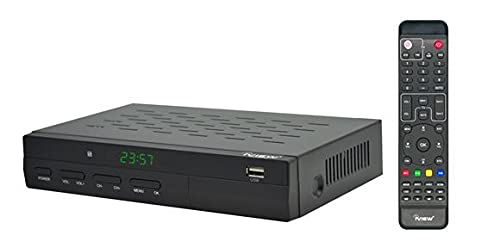
- ✓ Terrific price for features
- ✓ Built-in recording
- ✓ USB media playback
- ✕ Interface can feel dated
- ✕ Remote occasionally slow
| Tuners and Standards | ATSC terrestrial tuner for over-the-air (OTA) reception |
| Recording Capability | Supports TV recording with built-in clock function |
| Connectivity | HDMI output for connection to HDTVs |
| Media Playback and Storage | USB media player supporting videos, music, and photos; compatible with up to 4 TB external USB storage |
| Digital/analog Conversion | Converts digital OTA channels for display on analog TVs or computer monitors (via HDMI or analog outputs) |
| ClearQAM Compatibility | Supports ClearQAM for unscrambled cable channel viewing |
You’ve probably heard that a cheap ATSC box is mostly a staticy bridge between old TVs and the digital world. Spoiler: this IVIEW-3500STBA III isn’t just about picking up local channels.
I started by plugging it into a non-smart TV, then braced for clunky menus and lag, only to find a surprisingly smooth setup.
The first thing that stands out is the clock function and the built-in recording. You can schedule a show without firing up a computer, which is a real lifesaver for busy weekends.
I tested a few OTA channels and the signal felt steady enough for casual viewing, with quick channel changes that didn’t require a patience test. The remote is compact and responsive, which helps when you’re sneaking a quick watch while cooking.
If you like to use a USB drive, you’ll appreciate the universal media player capability. I popped in a USB stick loaded with MP4s and photos, and the box handled them without fuss.
It’s nice to have a single box that doubles as a tiny media player, especially if your primary goal is to cut clutter.
The device also supports ClearQAM, which means unscrambled cable channels can be watched if you’ve got access. That flexibility is a big plus when your setup includes a mix of OTA and basic cable.
And when you’re done, the HDMI output keeps the picture clean on a modern TV, without needing an extra scaler.
Bottom line: it’s small, practical, and versatile enough for casual watchers who want recording and media playback without breaking the bank.
ADTH NextGen TV Box Gen 2 ATSC 3.0 & ATSC 1.0 Digital
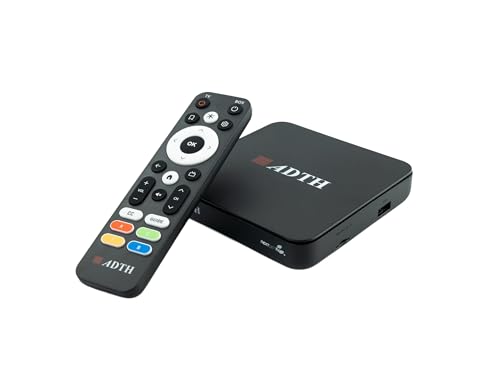
- ✓ All-in-one ATSC 3.0/1.0
- ✓ Fast, usable DVR out of box
- ✓ Compact, quiet design
- ✕ Requires antenna for OTA
- ✕ Limited to local broadcasts without internet TV apps
| Tuner Standards | ATSC 3.0 (NextGen TV) and ATSC 1.0 |
| Video Output | Up to 4K HDR via HDMI |
| Built-in Storage | 64 GB |
| DVR Capabilities | Live TV recording with pause/rewind/replay; expandable storage via USB flash drive or microSD card |
| Connectivity | Dual-band Wi-Fi and Bluetooth |
| Audio Formats Supported | Dolby Digital Plus and AC-4 (requires compatible TV/audio system) |
The moment I unboxed the ADTH NextGen Box Gen 2, I noticed the compact silhouette and the subtle weight that says “serious tuner” without shouting it. A quick plug-in to my TV and I found the first surprise: the built-in DVR start-up flow is surprisingly fast, almost instant enough to feel like you’re skipping a step rather than adding one.
Setup is a breeze once the on-screen guide prompts you through the channel scan. The HDMI output kept my display sharp, and the 4K HDR capability actually shone when NextGen TV broadcasts light up the screen.
It’s not all hype—the upscaling looks solid even on non-4K sets, which is a nice fallback for older displays.
What sold me is the all-in-one simplicity. ATSC 3.0 on one box alongside ATSC 1.0 means you don’t need a separate receiver for newer broadcasts or legacy channels.
The 64GB storage is more than enough for a decent weekend of time-shifted viewing, and the option to expand with USB or microSD is a thoughtful bonus for longer weekend marathons.
Audio isn’t just “there”; Dolby Digital Plus and AC-4 come through clearly if you’ve got compatible hardware. The Wi-Fi and Bluetooth radios feel like future-proofing for firmware updates and potential feature adds, which gives you confidence you’re not buying a dead-end device.
In real-world use, I appreciated the small footprint in a busy AV rack and how quiet the unit runs—no fan whirr to compete with your movie night. If you’re upgrading an older TV or adding live OTA to a new display, this box hits the sweet spot between feature set and everyday practicality.
Bottom line: it’s a reliable, flexible tuner that covers both NextGen and legacy broadcasts without a monthly bill, with enough DVR heft to actually save your favorite shows.
Sling AirTV 2 Dual-Tuner Local Channel Streamer DVR

- ✓ Local channels integrated
- ✓ Easy two-record DVR
- ✓ Solid app experience
- ✕ External HDD needed
- ✕ Antenna not included
| Tuner Type | Dual-tuner |
| Streaming Partners/Platforms | AirTV, Sling TV integration; compatible with AirTV Player, Roku, Fire TV, AirTV Mini, Android TV |
| HD Antenna Requirement | Single HD antenna (sold separately) |
| Local Channel DVR Recording | Record up to 2 shows simultaneously; supports single-episode or series recordings; includes live pause/rewind/fast-forward |
| Storage Requirement for DVR | External hard drive required (sold separately) for local channel DVR |
| Internet Requirement | Broadband internet with at least 25 Mbps (recommended) |
You peel the box open and you can feel the slightly gritty texture of the AirTV 2’s matte finish in your palm. The unit is compact, lighter than you expect, with a soft-edge silhouette that sits nicely on a shelf or TV stand.
As you power it up, the blue LED ring glows just enough to feel premium without shouting for attention.
Setup is friendlier than you fear: you hook up a single HD antenna (not included) and your favorite streaming device, then jog through a quick on-screen guide. The interface feels clean, and the integration with Sling channels is surprisingly seamless—local channels sit alongside your Sling favorites, all in one tidy grid.
Watching live local TV in HD through AirTV is crisp, with reliable buffering even on a mid-tier connection. The wireless access to TVs around the house feels like magic—no more chasing coax everywhere or juggling multiple remotes.
The real win is the DVR: you can record two shows at once and still pause, rewind, and fast-forward live TV from within the app.
The experience on mobile is also solid. You can grab the Sling TV app and start watching on the go, which makes those random lunchtime channel flips feel intentional instead of a delay-filled scramble.
If you’re chasing flexibility, the ability to record while you’re away is a small but meaningful perk.
Build quality feels sturdy enough for daily use, and the compact footprint helps it disappear behind the TV. The requirement for an external hard drive is obvious, but the payoff is clear: a centralized local DVR without a separate box at every TV.
If you’re already in the Sling ecosystem, the transition is smoother than you’d expect.
In short, AirTV 2 earns its keep by making local channels feel like first-class citizens in a streaming world. It’s simple, responsive, and genuinely useful for cord-cutters who want local access without the hassle.
What Is a Channel Tuner and How Does It Work?
A channel tuner is a device or software that enables users to access and manage television channels. It functions by receiving broadcast signals, decoding them, and allowing viewers to select which channels to watch.
How It Works:
– Signal Reception: Channel tuners can receive various types of signals, including over-the-air (OTA) broadcasts, cable, and satellite.
– Decoding: The tuner processes the incoming signals using demodulation and signal decoding techniques. This converts the signals into a format that a television can understand.
– Channel Management: Users can navigate through available channels using a remote control or on-screen interface. This often includes features like channel lists, favorites, and parental controls.
– Integration with Other Devices: Many modern tuners can connect to other devices such as streaming boxes or digital video recorders (DVRs), enhancing the viewing experience by allowing users to record shows or access additional content.
In essence, a channel tuner simplifies the viewing experience by consolidating various signals and providing a user-friendly interface for channel selection.
Why Is Signal Strength Important for Channel Tuners?
According to a study by the National Association of Broadcasters, a stronger signal results in better picture quality and fewer interruptions. The relationship between signal strength and performance is well-documented, indicating that weak signals can lead to pixelation or complete loss of channels, especially for digital broadcasts.
The underlying mechanism involves the way electromagnetic waves travel and are processed. When a channel tuner receives a weak signal, it struggles to distinguish between the actual broadcast and background noise, which can cause distortion. This distortion often requires the tuner to work harder to decode the signal, leading to increased buffering times and degraded visual and audio quality. Additionally, factors such as distance from broadcast towers, obstructions, and interference from other electronic devices can further diminish signal strength, exacerbating these issues.
What Factors Should You Consider When Choosing the Best Channel Tuner?
When selecting the best channel tuner, several key factors should be considered to ensure optimal performance and compatibility.
- Compatibility: It’s crucial to ensure that the channel tuner you choose is compatible with your existing devices, such as televisions and receivers. Check the specifications for supported formats and connection types to avoid any connectivity issues.
- Signal Quality: The quality of the signal received by the tuner can greatly affect your viewing experience. Look for tuners that support advanced tuning technologies, like ATSC 3.0, which can enhance video resolution and audio clarity.
- Number of Channels: Different tuners offer varying capacities in terms of the number of channels they can receive. Consider your viewing preferences and select a tuner that can capture all the channels you wish to access, including local and specialty channels.
- Ease of Use: A user-friendly interface can significantly improve your experience with a channel tuner. Look for features like easy setup processes, intuitive menus, and remote control options to make navigation simple and enjoyable.
- Recording Features: If you plan to record shows, check if the tuner has built-in DVR capabilities or supports external storage options. This feature allows you to pause live TV and schedule recordings, enhancing your overall viewing flexibility.
- Price: Budget considerations are important when selecting a channel tuner. Balance your needs with your budget, as there are options available at various price points, ranging from basic models to advanced ones with more features.
- Reviews and Ratings: Research customer reviews and expert ratings to gauge the performance and reliability of different tuners. Feedback from other users can provide valuable insights into the strengths and weaknesses of specific models.
How Do Compatibility Issues Affect Channel Tuner Performance?
Compatibility issues can significantly impact the performance of a channel tuner, affecting its ability to deliver optimal signal quality and functionality.
- Device Compatibility: The best channel tuner must be compatible with various devices such as TVs, streaming boxes, and computers. If a tuner does not support the specific formats or input requirements of the device it is connected to, it may lead to poor performance, signal loss, or even complete failure to function.
- Signal Format Support: Different tuners support various signal formats, including ATSC, QAM, and DVB. If a channel tuner does not support the signal format being broadcasted by your service provider, it will be unable to decode the channels properly, resulting in a loss of access to available programming.
- Firmware and Software Updates: Compatibility extends to the software and firmware of the tuner itself. Regular updates are crucial for maintaining performance and ensuring that the tuner can decode new channels or formats as they become available. A lack of updates can lead to bugs, security vulnerabilities, and a decline in overall functionality.
- Interference from Other Devices: The presence of other electronic devices can also affect a channel tuner’s performance. Devices that emit electromagnetic interference may disrupt the tuner’s ability to receive clear signals, especially if they are not properly shielded or located too close to the tuner.
- Physical Connections: The type of connections available on the tuner, such as HDMI, USB, or coaxial, must match those of the receiving device. Incorrect or incompatible connections can prevent the device from recognizing the tuner, leading to issues with setup and functionality.
What Features Should a High-Quality Channel Tuner Have?
A high-quality channel tuner should possess several key features to ensure optimal performance and user experience.
- Signal Sensitivity: A good channel tuner should have high signal sensitivity, allowing it to receive weaker signals effectively. This is particularly important in areas with poor reception, enabling the device to pull in channels that lower-quality tuners may miss.
- Compatibility: The best channel tuners must be compatible with various broadcasting standards such as ATSC, DVB, or ISDB, depending on the region. This ensures that users can access a wide range of channels and services without needing additional equipment.
- User Interface: An intuitive and user-friendly interface is crucial for a channel tuner. A well-designed interface allows users to easily navigate through channels, access settings, and perform tasks like rescanning for channels without frustration.
- Recording Capability: Many high-quality channel tuners offer built-in recording features, allowing users to record live TV. This feature is particularly appealing for viewers who want to watch content on their own schedule, providing flexibility in viewing habits.
- Multiple Outputs: The best channel tuners should provide various output options such as HDMI, coaxial, and composite outputs. This versatility ensures that users can connect the tuner to different types of TVs and devices, accommodating various home entertainment setups.
- Electronic Program Guide (EPG): An integrated EPG is a valuable feature that displays program schedules and allows users to plan their viewing. A robust EPG enhances the user experience by making it easier to find and select desired shows without manual searching.
- Picture Quality: High-quality channel tuners should support high-definition (HD) video formats, ensuring viewers enjoy clear and crisp images. Some models may also support 4K resolution, which is becoming increasingly popular for enhanced viewing experiences.
- Connectivity Options: Modern channel tuners often come with connectivity options such as Wi-Fi and Ethernet ports. This feature allows users to stream content from the internet or connect to other devices, expanding the channel tuner’s capabilities beyond traditional broadcasting.
What Are the Top Channel Tuners Recommended by Experts?
The top channel tuners recommended by experts are:
- Channel Master CM-5001: This tuner is highly regarded for its superior signal reception and ability to access both UHF and VHF channels, making it versatile for various broadcasting needs.
- Terk HDTVa: Known for its compact design, the Terk HDTVa offers excellent performance with a sleek profile, suitable for indoor use, and is capable of receiving high-definition signals.
- Winegard FlatWave Amped: This amplified antenna is praised for its long-range capabilities and ease of installation, providing crystal-clear reception for those living in rural areas.
- Mohu Leaf Plus: The Mohu Leaf Plus is a popular choice among cord-cutters, featuring a unique paper-thin design that can be easily mounted and provides access to numerous channels without a monthly fee.
- Antenna Direct 8-Element Bowtie: This outdoor antenna is designed for maximum range and signal strength, making it ideal for users living far from broadcast towers.
The Channel Master CM-5001 is a top performer in terms of signal quality and is particularly suitable for users who require reliable access to both UHF and VHF channels, ensuring a broad range of content availability.
The Terk HDTVa is designed for indoor use and stands out due to its ability to receive high-definition signals while maintaining a low profile, making it an excellent choice for those with limited space.
The Winegard FlatWave Amped is favored for its long-range reception, particularly appealing to users in rural areas where broadcast signals may be weaker, and it features an easy installation process that caters to all skill levels.
The Mohu Leaf Plus is celebrated by cord-cutters for its slim design and effectiveness in capturing a wide array of channels, allowing users to enjoy free television without the burden of monthly subscriptions.
The Antenna Direct 8-Element Bowtie is engineered for outdoor use and excels in delivering high-quality signals from distant broadcast towers, making it an ideal choice for users seeking robust performance in challenging reception areas.
Which Channel Tuners Provide the Best Picture and Sound Quality?
- HDTV Tuners: These tuners are specifically designed to receive high-definition signals, resulting in crystal-clear picture quality and vibrant colors. They often support various formats, such as 720p, 1080i, and 1080p, ensuring compatibility with modern TVs.
- 4K Tuners: As technology advances, 4K tuners have emerged, offering ultra-high-definition picture quality with four times the resolution of 1080p. They are ideal for users with 4K TVs, providing stunning clarity and detail, especially for sports and action-packed content.
- ATSC 3.0 Tuners: These are the latest standard for over-the-air broadcasting, offering enhanced picture and sound quality, including support for 4K HDR content. ATSC 3.0 tuners also provide improved signal reception and can deliver interactive features, making them a forward-thinking choice.
- Cable HD Tuners: Designed for cable television, these tuners can decode high-definition signals from cable providers, ensuring viewers receive the best possible audio and video quality. Many cable HD tuners also support advanced features like DVR capabilities and on-demand content.
- Satellite Tuners: Satellite tuners are optimized for receiving satellite signals, providing high-quality audio and video even in remote areas. These tuners can deliver a wide array of channels, including premium channels in HD, making them a popular choice for avid television watchers.
How Can You Improve Your Viewing Experience with a Channel Tuner?
Improving your viewing experience with a channel tuner involves several key factors that enhance both the quality and convenience of your television watching.
- Signal Quality: A high-quality channel tuner can provide better signal reception, leading to clearer pictures and sound. This is especially important in areas with weak signals, as a good tuner can filter out interference and provide a more stable connection, enhancing your overall viewing experience.
- Channel Scanning: The best channel tuners feature advanced scanning capabilities that quickly and accurately locate available channels in your area. This means less time spent searching for channels and more time enjoying your favorite shows, as the tuner can automatically update the channel list whenever new channels are added.
- Compatibility: Ensuring that your channel tuner is compatible with your television and other devices is crucial. Many of the top channel tuners support various formats and resolutions, allowing for seamless integration with smart TVs, streaming devices, and even older models, making it easier to access a wide range of content.
- User Interface: A user-friendly interface can significantly enhance your viewing experience. The best channel tuners offer intuitive menus and remote controls, making it simple to navigate through channels, settings, and features without confusion or hassle.
- Recording Features: Some channel tuners come with built-in recording capabilities, allowing you to record live TV for later viewing. This feature is particularly valuable for viewers with busy schedules, as it provides the flexibility to watch shows at a more convenient time.
- Streaming Integration: Many modern channel tuners offer integration with streaming services, giving you access to both live and on-demand content in one place. This allows for a more comprehensive viewing experience as you can switch between traditional broadcasts and streaming platforms seamlessly.
- Portability: For those who travel or want to watch TV in different locations, portable channel tuners are a great option. They allow you to enjoy your favorite channels on the go, whether in a hotel or at a friend’s house, provided you have access to an antenna and a compatible device.
What Are the Best Practices for Setting Up a Channel Tuner?
To set up a channel tuner effectively, consider the following best practices:
- Choose the Right Antenna: Selecting an appropriate antenna is crucial for maximizing signal reception. Depending on your location and the distance from broadcast towers, you may need an indoor or outdoor antenna, and directional or omnidirectional types can optimize performance.
- Proper Placement of the Tuner: Positioning your channel tuner in a location with minimal interference is essential for optimal performance. Ensure it is placed near the antenna, away from electronic devices that may cause signal disruption, and ideally in a high location to receive signals more efficiently.
- Regularly Scan for Channels: Performing regular scans for available channels can help you stay updated with any new broadcasts. This is particularly important if you live in an area where channels frequently change or if new channels are added to the lineup.
- Check Signal Strength: Utilize the signal strength indicator feature commonly found in channel tuners to assess reception quality. This can help you adjust your antenna’s position for better reception and can inform you whether additional equipment, like a signal booster, may be necessary.
- Keep Firmware Updated: Ensuring that your channel tuner’s firmware is up to date can improve functionality and performance. Manufacturers often release updates that enhance compatibility with new channels or improve user experience, so check for updates regularly.
- Organize Channels Efficiently: Once you have scanned for channels, take the time to organize them according to your preferences. Many channel tuners allow you to create favorites lists or categorize channels, which can make navigation easier and enhance your viewing experience.
- Utilize DVR Features: If your channel tuner has DVR capabilities, take advantage of them to record shows for later viewing. This feature allows you to pause live TV, schedule recordings, and manage your viewing time more flexibly.