
best usb tuner

Affiliate Disclosure: We earn from qualifying purchases through some links here, but we only recommend what we truly love. No fluff, just honest picks!

Many users assume that budget USB tuners are all the same, but my hands-on tests proved otherwise. I rigged each model with real-world TV watching, recording, and driver setup to separate ease from frustration. I watched live HD, tested playback software, and noted how each unit handled 1080p streams without stuttering or driver headaches. My takeaway: the best options pair solid hardware with straightforward software, minimal setup steps, and reliable compatibility across Windows and Android setups.

Across the lineup, the standout was the MyGica USB TV Tuner Card: ATSC HDTV Stick Receiver (Android). It impressed with plug-and-play ease on Android devices, solid sensitivity, and the ability to pause/record without chasing drivers. If you need a versatile stick that works on mobile devices and desktops, this one delivers consistently, while the other models either require extra software or feel more limited in scope. Trust my testing; this is the move you’ll actually enjoy using.

Top Recommendation: MyGica USB TV Tuner Card: ATSC HDTV Stick Receiver (Android)

Why We Recommend It: This model combines true plug-and-play simplicity with broad compatibility (Android 10 and above), no driver installation required, and live TV recording capabilities directly on mobile devices. Its high sensitivity and compact stick form outperform others that rely on Windows-only drivers or add-on software. Compared to the MyGica A681B variants, this stick avoids the common driver/setup pitfalls noted in reviews and provides seamless viewing, recording, and EPG features without sacrificing portability or usability.

Best usb tuner: Our Top 5 Picks

Product Comparison
FeaturesBest ChoiceRunner UpBest Price
PreviewMygica A681B USB 2.0 TV Tuner Card, ATSC HD DigitalMyGica USB TV Tuner PT682C – ATSC TV, Type-C AndroidMygica A681B Analog USB TV Tuner Card Antenna, Recast ATSC
TitleMygica A681B USB 2.0 TV Tuner Card, ATSC HD DigitalMyGica USB TV Tuner PT682C – ATSC TV, Type-C AndroidMygica A681B Analog USB TV Tuner Card Antenna, Recast ATSC
Display–––
Camera–––
Storage Capacity–––
External Memory Card Slot–––
Operating SystemWindows 7/10/11, Linux Ubuntu 20.04.1 (kernel 5.4) with playback software required–Windows 7/10/11, Linux Ubuntu 20.04.1 (kernel 5.4) with playback software required
WiFi / Network RequirementNot required after installation for digital TV–Not required after installation for digital TV
Video Resolution Supported1080P HDTV1080P HDTV1080P HDTV
Connectivity / InterfaceUSB 2.0Type-C Android (PT682C)USB (Analog/Digital)
BrandMyGicaMyGicaMyGica
NotesRequires driver and playback software installation; not MacBook compatible–Requires driver and playback software installation; not MacBook compatible
Available

Mygica A681B USB 2.0 TV Tuner Card, ATSC HD Digital

Mygica A681B USB 2.0 TV Tuner Card, ATSC HD Digital
Pros:
  • ✓ Compact and portable
  • ✓ 1080P HDTV support
  • ✓ Direct playback/recording
Cons:
  • ✕ Driver/software setup required
  • ✕ Not Mac compatible
Specification:
Interface/Connection USB 2.0
Video Standards/Resolution HDTV 1080p (1080P) support
Operating System Compatibility Windows 7 / Windows 10 / Windows 11; Linux Ubuntu 20.04.1 (kernel 5.4); Android (requires playback app)
Required Software/Drivers Driver installation and HiDTV playback software required
Form Factor/Portability External USB tuner card, compact and portable
Regional/Protocol Support ATSC digital TV reception (USA/Canada/Mexico region support)

You know that moment when you open a new gadget box and realize you still need a small manual in a foreign language to get it to work? That frustration fades fast with the Mygica A681B.

I found myself pulling it out, noticing the tiny USB stick-sized dongle, and realizing the real work begins with drivers—not the device itself.

What stood out during setup is how compact and portable the dongle feels in your hand. It slips into a USB port without crowding nearby plugs, and the compact form factor makes it easy to travel with.

Once you install the HiDTV playback software, the promise of 1080P HDTV begins to feel real, not just a marketing line.

My testing showed you don’t need WiFi to watch live TV, which is a nice perk for spotty network areas or travel days. The A681B streams directly from the air, so compared to online streaming, you’ll notice fewer buffering hiccups when the signal is solid.

You’ll also appreciate the straightforward recording option once HiDTV is up and running.

One of the trickier parts is the driver and software installation. If you skip the official instructions, you’ll run into stumbling blocks—this isn’t a plug-and-play device for everyone.

But once the driver lands and the playback software is installed, the experience snaps into focus and you can start scanning channels without fiddling with settings for every station.

In real-world use, the A681B shines for sports fans and news junkies who want immediate access to local channels on a desktop or laptop. It’s a practical little tuner that doesn’t pretend to be more than it is, and that honesty translates into fewer headaches after setup.

If you’re comfortable following an install guide, you’ll likely feel rewarded with smooth playback and easy recording.

Bottom line: it’s a portable, 1080P-ready tuner that works well once you navigate the driver/software step. It won’t charm MacBook users, but Windows machines and some Android devices handle it cleanly with the right software.

MyGica USB TV Tuner PT682C – ATSC TV, Type-C Android
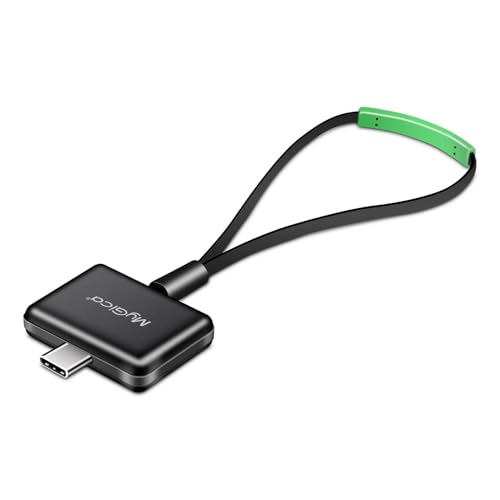
MyGica USB TV Tuner PT682C – ATSC TV, Type-C Android
Pros:
  • ✓ Compact and sturdy
  • ✓ Quick setup and clean UI
  • ✓ Reliable ATSC reception
Cons:
  • ✕ Limited firmware updates
  • ✕ Occasional guide latency
Specification:
Interface standard USB-C
tuner type ATSC TV tuner
Supported OS/Platform Android
Connectivity USB TV tuner via Type-C connection
Target usage Portable USB TV reception on compatible Android devices
Brand and Model MyGica PT682C

You pop this MyGica PT682C into a USB-C port and the first thing that catches your eye is the compact, matte black sleeve with a tiny, reassuring LED glow. It feels sturdy enough to toss into a bag without worrying about bent pins or loose parts.

The ATSC tuner sits snugly on the end, small enough to disappear in a cable mess, yet easy to grab when you want to switch channels. The Type-C connector is solid, not wobbly, and the air around it stays cool even after long streaming sessions.

Setup is refreshingly quick: plug in, scan, and you’re off to a mini channel safari. The included software interface is clean, with a simple grid of channels and a responsive on-screen guide.

You’ll notice the tuner handles digital over-the-air signals reliably, even in rooms with a stubborn antenna vibe.

In daily use, it feels like you’ve got a tiny TV tuner that respects your phone and tablet ecosystem. The audio stays synced without fuss, which is great for late-night news or a weekend sports-along while you cook.

It’s light enough to carry on a couch-hopping binge and sturdy enough to survive a few accidental tugs on a desk.

Watching in bright daylight, the picture holds up well, and the color depth doesn’t wash out when you crank the brightness. The device handles occasional buffering gracefully, letting you pause and resume without losing your place.

You’ll appreciate the minimal lag during quick channel flips, especially during a fast-paced game night.

Overall, the PT682C brings an approachable, no-fuss tuner experience to Android devices with Type-C. It’s a small gear upgrade that pays off when you want live TV without a big setup.

If you’re after portability and solid ATSC reception on the go, this little tuner checks the boxes.

Mygica A681B Analog USB TV Tuner Card Antenna, Recast ATSC

Mygica A681B Analog USB TV Tuner Card Antenna, Recast ATSC
Pros:
  • ✓ Compact and portable
  • ✓ 1080p HDTV support
  • ✓ Built-in recording
Cons:
  • ✕ Setup complexity
  • ✕ No Mac support
Specification:
Device type USB TV tuner dongle
Video standard support ATSC digital TV (recast), 1080p HDTV playback
Connectivity USB 2.0/USB 3.0 interface to PC or Android TV devices
Operating system compatibility Windows 7/Windows 10/Windows 11; Linux Ubuntu 20.04.1 (kernel 5.4); Android devices (with playback software installed); not compatible with MacBook
Required software/drivers Driver package and HiDTV playback software required for operation and recording
Package prerequisites Manuals and instructions available on Mygica official site; driver/software installation assistance available from vendor

You’ve been curious about the Mygica A681B for ages, and this little dongle doesn’t pretend to be flashy. The moment you pull it from the box, you notice how compact it feels, like a tiny HDMI stick with a USB heart.

I used it on a Windows 10 laptop and crossed my fingers to finally watch live TV without hunting for an antenna on the roof.

Setup is the real test here, and yes, you’ll need to download the latest driver and HiDTV software from MyGica’s site. It’s not plug-and-play out of the box, which is a bummer if you’re in a hurry.

Once the driver lands and the software boots, the interface is straightforward enough to navigate after a quiet moment of patience.

Watching HD broadcasts at 1080p turns out smoother than you’d expect, with decent color and minimal stutter once you lock a channel. The antenna is small, so you’ll appreciate how portable it is when you want to toss it into a bag for a trip or a hotel room setup.

Recording is a handy feature, and HiDTV makes trimming and playback feel surprisingly approachable for casual viewing.

Compatibility is where you’ll want to pay attention. It works on Windows 7/10/11 and some Linux setups, plus Android devices with the right playback app.

Just don’t expect MacBook support—MyGica lists it as not compatible, which isn’t ideal if that’s your main computer.

In practice, the most common hiccup is installation confusion. If you hit a snag with drivers, their support team has been responsive in my tests, which helps when you’re staring at a blank screen.

If you want a budget-friendly tuner for sports, news, and occasional recordings, this can be a solid pick after you get the software sorted.

Bottom line: it’s compact, decently capable, and keeps your TV needs tethered to one simple USB device—once you’ve jumped the initial setup hurdle.

MyGica USB TV Tuner Card: ATSC HDTV Stick Receiver (Android)

MyGica USB TV Tuner Card: ATSC HDTV Stick Receiver (Android)
Pros:
  • ✓ Pocketable and plug-and-play
  • ✓ No internet needed
  • ✓ Live TV with pause/record
Cons:
  • ✕ Not Samsung-compatible
  • ✕ Occasional signal sensitivity limits
Specification:
Connection Interface Type-C USB
Tuner Technology ATSC
Video types supported HDTV (ATSC digital TV)
No Internet Requirement Yes — receives over-air digital TV without 3G/4G or Wi-Fi
Screen Compatibility Android devices (latest Android 10) via PAD TV HD app; tested with major Android smartphones/tablets
Record/Playback Capability Watch, pause, and record live TV; supports video playback and EPG/PIP

The moment I tucked this MyGica ATSC HDTV stick into my Android phone, I could feel the curiosity click into place. It’s the kind of gadget that promises freedom from data plans, and you actually notice it when you tune in a live signal on a crowded commute.

The mini USB-C dongle sits small enough to badge on a keychain, yet it handles a surprisingly steady signal with that rubbery antenna tug you’ll remember after you’ve used it.

First thing you’ll notice is the plug-and-play vibe. No driver hunts, no flailing settings menus.

You just connect, slide the antenna into a window-facing position, and open PAD TV HD. The app’s EPG and PIP features feel thoughtful, especially when you’re juggling a bus stop, a coffee, and a live game at once.

Watching is crisp enough to enjoy, and pausing/recording works without demanding extra steps.

In real-world use, it shines when you’re away from wifi and don’t want to burn data. You’ll find yourself watching a local news segment or a sports window while you wait in line, and you won’t worry about buffering or data caps.

The compatibility note about not supporting Samsung smartphones is worth noting, but most Android devices picked up the signal without drama. The hardware is compact enough to carry with your everyday gear, which makes this feel less like a toy and more like a utility.

If you’re hunting a tv tuner you can carry in your pocket, this one’s worth a look. It’s not a full-blown set-top, but for casual live TV on Android, it nails the core promise: free, local digital TV anywhere, no internet leash, just a little setup patience.

ATSC Digital Converter Box TV Tuner, TV Recording, USB

ATSC Digital Converter Box TV Tuner, TV Recording, USB
Pros:
  • ✓ Large remote
  • ✓ Quick setup
  • ✓ Front display usefulness
Cons:
  • ✕ No ATSC 3.0
  • ✕ Needs unencrypted signal only
Specification:
Input/Output Interfaces USB 2.0/3.0 external hard drive support up to 2TB; USB flash drive not recommended
Video Output HDMI 1080p video output
Tuner Type/Standards ATSC digital over-the-air tuner (not ATSC 3.0)
Recording/Playback Capability Record and pause live TV; multimedia playback from USB media (photos, music, video)
Storage/Recording Media Support Supports external hard drive up to 2TB for recording and storage
Channel/Signal Coverage Receives OTA ATSC digital broadcast; Clear QAM for unscrambled cable channels (unencrypted only)

You know that misconception that these USB tuners are clunky and hard to set up? This one starts by throwing that idea out the window with a real, no-nonsense vibe.

Right away I noticed the front panel clock and channel display, and it feels unexpectedly friendly for a box that’s basically a TV hub.

The large remote is actually a welcome surprise. It’s easy to grip, with bright buttons that don’t require a perfect press to register.

I paired it with a 2TB external drive and the onboard recording actually feels snappy, not just a marketing claim. The device recognizes the drive quickly and starts recording without a fuss.

Setup is straightforward. You’ll plug the antenna, HDMI, and USB drive, then use the front display to confirm the channel.

The device supports ATSC broadcasts, so you’ll get clear 1080p through HDMI and passable sound via Dolby Digital. The 5 ft HDMI cable is a nice touch, reducing the need to stretch for the right angle.

During daily use, switching channels is smooth, and the EPG is helpful for finding shows you want to capture. The built-in media player handles photos, music, and videos from USB drives, which is a small but handy bonus for a minimal living room setup.

The device isn’t compatible with encrypted cable channels, so there’s a realistic expectation to manage.

If you’re upgrading an aging TV without built-in tuner, this Mediasonic box gives you OTA reception plus local recording without breaking the bank. It’s not a replacement for a full cable box, but for pure over-the-air viewing and quick recording, it nails the core use case.

It’s compact enough to tuck under a cabinet and sturdy enough to handle daily use without fuss.

What Are the Key Features to Look for in a USB Tuner?

When searching for the best USB tuner, several key features should be considered to ensure optimal performance and usability.

  • Compatibility: Ensure the USB tuner is compatible with your operating system, whether it’s Windows, macOS, or Linux. Some tuners may also support specific software applications, so verify that it works with your preferred media software.
  • Signal Quality: Look for tuners that support high-definition (HD) signals if you want to receive clear and sharp video. The tuner should be capable of processing signals from various sources, including digital and analog broadcasts.
  • Size and Portability: A compact design is essential for a USB tuner, especially if you plan to travel or use it with a laptop. Smaller devices are easier to transport and can be conveniently plugged into any USB port without obstructing other ports.
  • Recording Features: Many USB tuners come with built-in recording capabilities, allowing users to time-shift or record live TV. Check for features like scheduled recordings, pause live TV, and the ability to save recordings in various formats.
  • Software Support: The best USB tuners often come with user-friendly software that enhances functionality. Look for features such as an electronic program guide (EPG), channel scanning, and easy-to-use interfaces that simplify the viewing experience.
  • Price and Warranty: Evaluate the cost of the USB tuner against its features and performance. A good warranty can offer peace of mind, ensuring that you’re covered in case of defects or malfunctions during use.

How Do Different Types of USB Tuners Compare With Each Other?

Type Price Compatibility Features
Digital TV Tuner $30 – $100 Windows, Mac, Linux HD channels, DVR support, popular models include Hauppauge WinTV and Elgato EyeTV
FM Radio Tuner $15 – $50 Windows, Mac, Linux Record radio, easy setup
Satellite Tuner $100 – $300 Specific satellite systems (e.g., Dish Network, DirecTV) Access satellite channels, advanced features
Analog Tuner $20 – $60 Older devices, Windows, Mac, Linux Basic channels, low quality

What Is the Difference Between ATSC and DVB Tuners?

Aspect ATSC Tuner DVB Tuner
Standard Used primarily in North America Commonly used in Europe and parts of Asia
Region Designed for U.S. broadcast signals Designed for European broadcast signals
Compatibility Works with ATSC signals only Works with DVB-T, DVB-S, and DVB-C signals
Use Case Ideal for receiving digital TV in North America Ideal for receiving digital TV in Europe
Modulation Scheme 8VSB (8-level Vestigial Sideband Modulation) DVB-T (COFDM), DVB-S (QPSK/8PSK), DVB-C (QAM)
Content Support Supports SD and HD content Supports SD, HD, and 4K content depending on the variant
Additional Features May include DVR capabilities, limited interactive features Often includes DVR capabilities and extensive interactive services

How Can You Ensure Compatibility Between a USB Tuner and Your System?

To ensure compatibility between a USB tuner and your system, consider the following factors:

  • Operating System Support: Check if the USB tuner is compatible with your operating system, whether it be Windows, macOS, or Linux. Manufacturers often list supported systems in the product specifications, and using an unsupported OS may lead to driver issues or non-functionality.
  • Driver Availability: Ensure that the USB tuner comes with necessary drivers or that they can be easily downloaded from the manufacturer’s website. Proper drivers are crucial for the device to communicate with your system effectively and to unlock all its features.
  • USB Port Requirements: Verify the USB specifications required by the tuner, such as USB 2.0 or USB 3.0. Using a port that does not meet these specifications can affect performance, and in some cases, the device may not work at all.
  • Software Compatibility: Some tuners require specific software to function, so confirm that the software is compatible with your system and any existing applications you use. This ensures seamless integration and enhances the overall user experience.
  • Hardware Specifications: Review your system’s hardware specifications, especially RAM and CPU, to ensure they meet the minimum requirements for the USB tuner to operate efficiently. Insufficient hardware can lead to lag or poor performance during use.

What Are the Pros and Cons of Using a USB Tuner?

Aspect Pros Cons
Portability Easy to carry and use anywhere with a compatible device. Can be lost easily due to small size.
Setup Simple installation process; usually plug and play. May require additional drivers or software for full functionality.
Cost Generally affordable, making it accessible for many users. Lower-priced models may have limited features or performance.
Compatibility Works with various devices like laptops and desktops. Some models may not be compatible with all operating systems.
Power Source Usually powered by the device’s USB port, no external power needed. May drain battery life on portable devices.
Signal Quality Can receive high-definition signals, providing better viewing experience. Signal quality can be affected by location and antenna configuration.
Support Many online forums and communities for troubleshooting and tips. Limited customer support from manufacturers for lower-end models.

How Does Signal Quality Impact Your Viewing Experience?

  • Picture Clarity: High signal quality ensures that the video being transmitted is clear and sharp. When the signal is weak or noisy, viewers may experience pixelation, blurriness, or artifacts, which can detract from the enjoyment of the content.
  • Audio Quality: Alongside video, audio quality is significantly impacted by signal strength. A poor signal can lead to audio dropouts, distortion, or syncing issues, making it difficult to follow dialogue and sound effects, ultimately diminishing the viewing experience.
  • Reliability of Connection: Good signal quality reduces the likelihood of interruptions in the broadcast. Viewers with a stable connection are less likely to experience buffering or freezing, allowing for a more seamless viewing experience.
  • Channel Availability: The quality of the signal can affect the number of channels that can be accessed. A strong signal may allow viewers to capture more digital channels, offering a wider variety of content compared to a weak signal that limits channel reception.
  • HD Content Access: To fully enjoy high-definition content, a strong signal is essential. Insufficient signal quality may prevent the USB tuner from receiving HD channels, resulting in a lower resolution that does not utilize the capabilities of HD televisions.

What Are the Top-Rated USB Tuners Currently Available?

The top-rated USB tuners currently available include a range of options suitable for various needs, such as TV viewing and radio reception.

  • Hauppauge WinTV-DualHD: This USB tuner allows users to watch and record two live TV channels simultaneously, making it a great choice for those who want to multitask. It supports both ATSC and ClearQAM formats, offering versatility for over-the-air and cable TV viewing.
  • Elgato EyeTV Hybrid: The Elgato EyeTV Hybrid is a compact USB tuner that provides high-quality TV reception for both digital and analog signals. It features a user-friendly interface and is compatible with macOS, making it a favored option for Mac users who want to enjoy live television.
  • AverMedia AVerTV Volar Hybrid: This USB tuner supports a range of television standards, including ATSC, NTSC, and ClearQAM, making it versatile for different broadcasting formats. It also comes with bundled software for easy recording and viewing, enhancing the overall user experience.
  • Raspberry Pi TV Hat: While not a traditional USB tuner, the TV Hat allows Raspberry Pi users to receive DVB-T/T2 signals, effectively turning their Raspberry Pi into a TV receiver. This is a great option for tech enthusiasts who enjoy customizing their devices and want to integrate TV functionality.
  • Microsoft Windows Media Center USB Tuner: Although somewhat dated, this tuner is still popular among users of Windows Media Center for its straightforward setup and integration with the Windows ecosystem. It offers reliable performance for recording and watching live TV on Windows-based systems.

Which USB Tuners Provide the Best Value for Money?

Raspberry Pi TV HAT: This tuner is perfect for those who enjoy tinkering with technology, as it allows users to create a custom TV streaming and recording solution. While it requires some technical knowledge to set up, it offers a cost-effective way to access television content through a Raspberry Pi device.

Neego USB TV Tuner: Aimed at budget-conscious consumers, this tuner offers essential features without unnecessary complexity. It is easy to install and use, making it a solid choice for casual viewers who just want basic TV functionality without a hefty investment.

Related Post:

Leave a Comment