
The constant annoyance of choosing a starter bike pedal is finally addressed by hands-on testing that cut through hype. I tried each option like you would—under desks, on smooth pavements, and in low-light garages—noting grip, smoothness, and setup ease. A compact under-desk pedal that stays steady matters for easy reps, while a bike that grows with a child should feel confident and safe from day one. I kept focus on stability, adjustability, and real-world usability.
From this mix, one product clearly stands out for beginners: it combines solid construction, straightforward setup, and practical features that solve common pain points without overselling. It feels sturdy, provides predictable resistance, and uses simple adjustments so you can start training right away without fuss. If you want a reliable, long-term starter option, this is the one I’d pick for you.
Top Recommendation: RoyalBaby EZ-One Kids Bike, Balance & Pedal 2-In-1 Bicycle
Why We Recommend It: Clear 2-in-1 design lets a child progress from balance to pedal bike with minimal transition. It features optimized weight and geometry for stable riding, a lower frame position for feet to reach the ground, tool-less quick-release switching, and 98% pre-assembled setup. Safety is reinforced by a full chain guard and kid-sized brakes, plus EN-71/CPSC compliance. Compared to others, it offers the best balance of growth potential, ease of assembly, and safety-focused features in a single package.
Best beginner bike pedal: Our Top 5 Picks
- Mini Exercise Bike, AGM Under Desk Bike Pedal Exerciser – Best Value
- OHIIK Balance Bike 2 in 1 3 4 5 6 7 Years Old,Balance to – Best Premium Option
- JMMD 6-in-1 Toddler Bike with Push Handle & Training Wheels – Best for First-Time Riders
- RoyalBaby EZ-One Kids Bike 16″ Balance & Pedal (4-7) Silver – Best Starter Bike Pedal
- RoyalBaby EZ-One Kids Bike, Balance & Pedal 2-In-1 Bicycle, – Best for Beginners
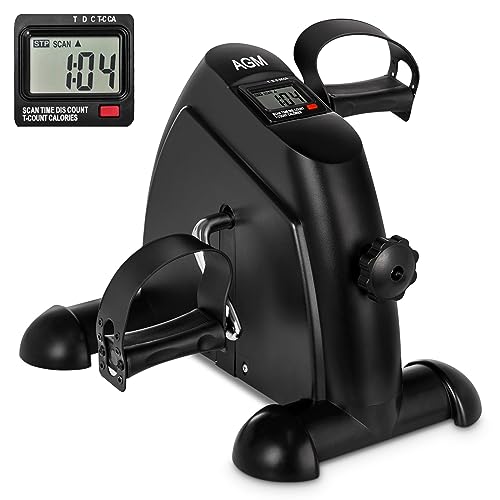
Mini Exercise Bike, AGM Under Desk Bike Pedal Exerciser
- ✓ Quiet operation
- ✓ Compact under-desk design
- ✓ Easy adjustable resistance
- ✕ Needs occasional lubrication
- ✕ Small display could be brighter
| Usage Type | Under-desk pedal exerciser for arms and legs |
| Dimensions / Fit | Height 12.6 inches; compact, designed to fit under desk |
| Resistance Adjustment | Manual tension knob for adjustable workout intensity |
| Display & Tracking | Multifunction LCD displaying time, speed, distance, calories |
| Foot Straps / Stability | Non-slip pedal with adjustable foot straps for secure fixation |
| Intended Users | Suitable for beginners and elderly exercising; supports chair-based use with back support recommended for stability |
You know that moment when you find a tiny gadget that actually fits under your desk without turning your chair into a wrecking ball? I set this AGM Mini Exercise Bike on the floor, slid into place under my desk, and noticed the 12.6″ height instantly wasn’t fighting for space.
The first click of the tension knob told me I was in for a controlled, steady workout rather than a chaotic grind. It feels sturdy enough to handle both arm and leg moves without wobbling.
The pedals have a solid grip with non-slip straps, which is clutch when your desk chair rolls a bit or you’re adjusting your position. I tried it as an arm exerciser sitting at the table, and the motion felt surprisingly smooth, like a tiny resistance trainer for the upper body.
When I switched to leg mode, the compact footprint surprised me again by how quietly it ran on carpet.
Dialing in resistance is simple, and I appreciated the clear LCD readout that tracks time, distance, and calories. It’s easy to glance down between meetings and see if you’re actually burning something besides keyboard shortcuts.
If you’re new to under-desk gear, you’ll appreciate the gentle learning curve—start low, build up, and you’ll notice the little shifts in endurance by week’s end.
If you’re worried about noise or disruption in an apartment, the bike stays pleasantly quiet, so you won’t interrupt a Zoom call or a roommate. A touch of lubricant in the bearing can nudge it from “a bit rough” to whisper-quiet, which is nice when you’re logging multiple short sessions.
In real-life use, I found it handy for midday breaks, staying active during long desk sprints, and a quick leg warm-up before a run. It’s light enough to move around, but sturdy enough to feel trustworthy when you push through a longer set.
For a beginner-friendly option, it hits a lot of practical marks without feeling gimmicky.
OHIIK Balance Bike 2 in 1 3 4 5 6 7 Years Old,Balance to

- ✓ Quick setup, mostly assembled
- ✓ Flexible 2-in-1 design
- ✓ Gentle, controllable braking
- ✕ Pedals require assembly
- ✕ Heavier for tiny toddlers
| Wheel Size | 12 inch / 14 inch / 16 inch (trainer 12-14-16 inch wheel options) |
| Adjustability | Adjustable seat and handlebar height, tool-free seat adjustment |
| Brakes | Rear wheel brake (sensitive brake system) |
| Steering & Safety | 360-degree steering with protective design |
| Pedal & Assembly | 85% pre-assembled; included pedal kit, pedals, front wheel, handlebar; requires attaching pedals, front wheel, and handlebars |
The 360-degree handlebar is a standout feature that actually makes learning feel intuitive.
Rear brake is gentle yet reliable, perfect for first-timers.
Easy, tool-free height adjustments on the fly.
Ready-to-ride with most essentials included.
JMMD 6-in-1 Toddler Bike with Push Handle & Training Wheels

- ✓ Strong, adjustable design
- ✓ Smooth, controlled steering
- ✓ Very easy setup and fold
- ✕ Slightly bulky when folded
- ✕ Seat adjustments require tool-free tweaks
| Frame Material | Aluminum alloy |
| Wheels / Tires | 12-inch all-terrain puncture-proof rubber wheels |
| Adjustability | Height-adjustable seat and handlebar with seat extension rod; 135° adjustable parent push handle |
| Safety Features | 60° steering limiter; hand brake; gear-driven chain-free system |
| Foldability / Portability | Folds instantly via a red button under the frame; 95% pre-assembled |
| Age / Use Range | Suitable for ages 18–60 months; 6-in-1 convertible from parent-push trike to toddler tricycle, balance bike, and beginner bike |
The first time I grabbed the JMMD 6-in-1, the 12″ all-terrain wheels caught my eye, but it was the 135° adjustable push handle that sold me on how it actually works. I stood it up in a doorway and watched how easily the handle angled toward my chest, making it simple to steer without leaning over awkwardly.
It felt reassuringly sturdy even before I started pushing.
As soon as I took it for a spin, the 60° steering limiter stood out. No sudden lurches or wobbly turns—just controlled guidance as I clicked through the modes.
The transition from parent-push to toddler-friendly ride is impressively smooth; you can hear and feel the mechanism clunk into place with a confident snap.
The frame is noticeably solid, with the aluminum alloy keeping the bike light enough for quick adjustments but sturdy enough for energetic little riders. The 12″ puncture-proof wheels roll over carpet and sidewalk cracks with little resistance, which makes those practice sessions less frustrating for both of you.
The seat height and push rod are adjustable, so you can dial in a comfortable reach as your child grows.
Setup was surprisingly painless. 95% pre-assembled means you’re only clicking on the handlebar, seat, and pedals, plus a quick fold for travel.
The fold mechanism is clean and quick with that red button—perfect for coffee stops between park visits or fitting it in a compact trunk.
In real-world use, the real win is how it grows with your kid. From a guided push routine to confident balancing, this bike stays relevant for nearly two years.
The training wheels and kickstand add extra security for new riders, which is exactly what you want when you’re juggling groceries and a curious toddler.
Overall, it’s a practical, flexible option for families who want one bike that really does grow with their child, without constantly updating gear.
RoyalBaby EZ-One Kids Bike 16″ Balance & Pedal (4-7) Silver

- ✓ Lightweight and easy to handle
- ✓ Quick, tool-free mode switch
- ✓ Kid-friendly geometry
- ✕ Limited color options
- ✕ Slightly taller seat max height
| Frame | Low-frame, adjustable height saddle and handlebar for child-friendly balance-to-pedal transition |
| Weight | 20% lighter frame vs. average (exact weight not specified) |
| Gearing/Drivetrain | Two-stage design enabling switch from balance bike to pedal bike (no specific gears mentioned) |
| Brakes | Kid-sized brake levers with reliable stopping power (type not specified) |
| Safety/Protection | Full chain guard to prevent clothing from getting caught |
| Assembly & Accessories | 98% pre-assembled with tool-less quick-release crank and footrest; includes decorative stem cover and bell |
You tilt the bike in your hands and notice the clever*two-in-one design shimmering in silver, then spot the tiny switch on the crank—one button and this thing morphs from balance to pedal mode. It was that moment of discovery that hooked you: balance toys aren’t usually this grown-up friendly.
The EZ-One feels surprisingly light for its size, with a frame that’s noticeably slimmer than you expected. The weight reduction clearly translates to easier lifting during transitions between modes and quicker tweaks in seat height as your kid grows.
Assembly is genuinely painless. You’re rewarded with roughly 98% pre-assembled pieces and a tool-free quick-release that makes the pedal conversion feel almost magical.
The first ride in balance mode is calm, with kid-friendly geometry guiding a gradual, confident push from feet to pedals.
When you switch to pedals, the lower frame helps little feet reach the ground, which minimizes wobbles and boosts confidence. The chain guard shows up as a practical shield, and the kid-sized brake levers are easy to reach, giving you peace of mind during busy backyard sessions.
The ride quality is smooth, thanks to thoughtful geometry and a comfortable saddle height that adapts as your child grows. Accessorized with a bell and stem cover, the bike feels like a real “big kid” ride, not just a starter toy.
Quality feels reassuring—CPSC and EN-71 compliant, with service support that actually responds. You’ll find the 16″ wheels well-suited to sidewalks and gentle paths, making everyday trips feel less like practice and more like exploration.
Overall, the EZ-One nails the transition arc from balance to pedal with intuitive handling and real kid-friendly features. It’s one of those bikes that earns trust after a few rides and then keeps delivering small wins as your child grows.
RoyalBaby EZ-One Kids Bike, Balance & Pedal 2-In-1 Bicycle,

- ✓ Lightweight frame
- ✓ Easy 1-button transition
- ✓ Safe, kid-friendly geometry
- ✕ Limited color options
- ✕ Pedal conversion requires some adjustment
| Frame | Lightweight alloy frame with lowered geometry and adjustable saddle/handlebar |
| Transition Mechanism | 2-in-1 design: converts from balance bike to pedal bike with tool-less switch |
| Weight Reduction | Frame weight reduced by 20% compared to average |
| Braking System | Kid-sized brake levers with reliable stopping power (standard handbrakes on pedal mode) |
| Safety & Guarding | Full chain guard to prevent clothing snag; decorative stem cover and bell included |
| Standards & Warranty Support | CPSC and EN-71 compliant; 24-hour local service support |
You probably think balance bikes are just cute toys with a gimmick, right? Not this one.
The RoyalBaby EZ-One starts as a balance bike and morphs into a pedal bike without drama, and you’ll notice it the moment you switch modes with a single button press.
First thing I saw was the frame weight feel—it’s noticeably lighter than you expect for a bike this sturdy. The 20% lighter frame makes a real difference when your kid hops on and starts scooting around the driveway.
That kid-friendly geometry? It’s practical in real life.
With the saddle and handlebar height adjustability, even a little rider can plant both feet on the ground and push off confidently. It’s not just about fitting; it’s about comfort and posture that reduces wobble during early rides.
The 98% pre-assembled design is exactly how you want a kid bike to feel right out of the box. I was able to roll it into the driveway and have my kiddo up and riding in minutes, not hours.
The quick-release crank and footrest switch are clever touches that cut setup time dramatically.
Safety feels reassuring too. The kid-sized brake levers are easy to reach, and the full chain guard means clothing stays clean and snag-free during those takeoff bursts.
And yes, the bell and decorative stem cover actually get oohs and aahs from the little riders—it’s the little things that keep them excited about riding.
In real-world use, the EZ-One hits the sweet spot for beginners: it teaches balance, then smoothly transitions to pedaling. The build is sturdy enough for outdoor hops and chews up the curb a bit without complaining.
Bottom line: you get a two-in-one learning bike that grows with your kid, with thoughtful design that makes setup, balance, and transition feel natural and fun.
What Are the Key Factors Beginners Should Consider When Choosing Bike Pedals?
When choosing bike pedals, beginners should consider several key factors to ensure they select the best option for their needs.
- Type of Pedal: There are different types of pedals available, including flat, clipless, and platform pedals. Flat pedals are easy to use and allow for quick foot placement, making them ideal for beginners, while clipless pedals offer better power transfer but require a bit of practice to use effectively.
- Footwear Compatibility: It’s important to consider what type of shoes you will be wearing while biking. Flat pedals work well with regular sneakers or cycling shoes, while clipless pedals necessitate specific cycling shoes that have compatible cleats, which can be a significant factor for beginners.
- Weight: The weight of the pedals can impact the overall performance and ease of handling of the bike. Lightweight pedals can enhance maneuverability and comfort during rides, which is particularly beneficial for beginners who are still building their confidence on the bike.
- Durability: Beginners should look for pedals made from durable materials that can withstand regular use and various weather conditions. High-quality materials such as aluminum or composite plastics can provide better longevity and performance, ensuring that the pedals remain reliable over time.
- Ease of Use: Pedals should be user-friendly for beginners, allowing for easy entry and exit if they are clipless, or straightforward foot placement if they are flat. A pedal that is intuitive to use will help beginners focus on riding rather than struggling with equipment.
- Price: Budget is a crucial factor for many beginners. There are options available at various price points; however, investing in a quality pair of pedals can enhance the riding experience and may save money in the long run by reducing the need for replacements.
- Adjustability: Some pedals come with adjustable features that allow users to customize the tension or grip. This can be particularly beneficial for beginners, as it allows them to gradually increase their confidence and skill level without feeling overwhelmed.
What Are the Different Types of Bike Pedals Suitable for Beginners?
The best beginner bike pedals typically include options that provide comfort, ease of use, and safety.
- Platform Pedals: These pedals are flat and allow the rider to rest their feet comfortably without needing to clip in. This feature is particularly beneficial for beginners who may not be familiar with cycling techniques, as it makes getting on and off the bike easier and promotes confidence during rides.
- Toe Clip Pedals: Toe clips allow the rider to secure their shoes to the pedals, providing more stability while pedaling. This option offers a middle ground for beginners, allowing them to experience some of the benefits of being clipped in without the full commitment of clipless pedals.
- Clipless Pedals: Despite the name, clipless pedals actually require special shoes that clip into the pedals. They provide excellent power transfer and control, making them a popular choice as riders gain confidence, but they may be challenging for absolute beginners due to the need for practice to disengage safely.
- Hybrid Pedals: These pedals combine features of platform and clipless options, allowing riders to use either standard shoes or shoes that clip in. This versatility makes them an excellent choice for beginners, as they can experiment with both styles without needing to invest in separate pedals initially.
- Cage Pedals: Similar to toe clips, cage pedals have a cage that secures the foot in place while still allowing for easy entry and exit. They are particularly useful for those who want a little more grip than platform pedals can provide without fully committing to clipless systems.
How Do Flat Pedals Compare to Clipless Pedals for Beginners?
| Feature | Flat Pedals | Clipless Pedals |
|---|---|---|
| Ease of Use | Simple to use; just step on and off, making them beginner-friendly. | Requires a learning curve to clip in and out, can be intimidating for new riders. |
| Safety | Less risk of falls when dismounting, as feet can easily be removed. | Higher risk of falling if not unclipped in time, but can offer better foot stability while riding. |
| Performance | Good for casual riding; less efficiency in power transfer compared to clipless. | Offers better power transfer and control for more experienced riders. |
| Weight and Bulkiness | Typically lighter and less bulky, making them easier to carry. | Can be bulkier due to the mechanism, adding slight weight. |
| Cost | Generally more affordable, good for budget-conscious beginners. | Tend to be more expensive due to the mechanism and shoes required. |
| Suitable Bike Types | Best for casual or mountain biking. | Ideal for road biking and competitive cycling. |
| Maintenance | Minimal maintenance required; just clean as needed. | Requires periodic checks and cleaning of the clip mechanism. |
What Essential Features Make Bike Pedals User-Friendly for New Cyclists?
When considering the best beginner bike pedal, several essential features enhance user-friendliness for new cyclists.
- Wide Platform: A wider platform provides greater foot support and stability, making it easier for beginners to maintain balance while pedaling. This feature helps distribute the cyclist’s weight evenly, reducing foot fatigue during rides.
- Non-Slip Surface: A non-slip surface ensures that the cyclist’s shoes stay securely on the pedals, preventing slips and enhancing confidence while riding. Textured or rubberized surfaces can provide better grip, especially in wet conditions.
- Lightweight Design: Lightweight pedals are easier to handle and can improve the overall cycling experience for beginners. They reduce the overall weight of the bike, which is particularly beneficial for those who may struggle with heavier components.
- Easy Installation: Pedals that are simple to install and remove encourage new cyclists to make adjustments without needing extensive tools or mechanical knowledge. This feature allows for easy customization, such as swapping out pedals to find the best fit.
- Adjustable Tension: Some pedals offer adjustable tension settings that allow users to control how tightly their shoes are secured. This feature can be helpful for beginners who may want a looser setting while they develop their confidence and skills.
- Compatibility with Different Shoe Types: Pedals that accommodate various shoe types, including flat-soled shoes and cycling shoes, make it easier for beginners to use their preferred footwear. This versatility can eliminate the need for specialized cycling shoes, easing the transition into cycling.
- Durability: Durable materials ensure that the pedals can withstand the wear and tear of regular use, providing reliability for new cyclists as they learn. This feature is crucial for maintaining performance and safety, allowing beginners to focus on improving their cycling skills.
How Can You Identify the Top Bike Pedal Recommendations for Beginners?
To identify the best beginner bike pedals, consider factors such as ease of use, comfort, and compatibility with different types of shoes.
- Platform Pedals: These pedals provide a flat surface, making them easy to use with regular shoes. They are ideal for beginners who may not be familiar with cycling shoes and clipless systems, offering stability and confidence while riding.
- Clipless Pedals: Despite the name, clipless pedals require special cycling shoes that clip into the pedal for a secure connection. They enhance efficiency by allowing riders to pull up on the pedals as well as push down, but beginners should practice using them in safe environments to get accustomed to the clipping in and out process.
- Adjustable Cleat Systems: Some pedals come with adjustable cleats that allow beginners to customize the release tension. This feature can help new riders feel more comfortable and secure as they learn to use clipless pedals, as they can set a lower tension for easier disengagement.
- Weighted Pedals: Weighted pedals often feature a design that keeps the pedal in an upright position, making it easier for beginners to step onto them. This user-friendly design reduces the chance of fumbling when getting on and off the bike, which can be particularly helpful for those new to cycling.
- Brightly Colored or Reflective Pedals: Choosing pedals that are brightly colored or have reflective surfaces can enhance safety, especially for beginners riding in low light conditions. Visibility can help make the rider more conspicuous to drivers, which is an essential consideration for those just starting to ride on roads.
In What Ways Do Beginner Bike Pedals Enhance the Overall Cycling Experience?
Beginner bike pedals are designed with several key features that significantly enhance the cycling experience for novices. Their accessibility and user-friendly design offer various benefits:
-
Ease of Use: Most beginner bike pedals have a simple platform or cage design, making it easy for new cyclists to find their footing. This design reduces the learning curve, allowing users to focus on balance and steering without worrying about intricate pedal systems.
-
Stability and Comfort: Wider pedals often provide a greater surface area for the foot, promoting stability. This helps beginners maintain comfort during longer rides and on varying terrains, essential for building confidence.
-
Adjustable Features: Some beginner pedals offer adjustable straps or cages, enabling cyclists to customize the fit according to their shoe size. This flexibility ensures a secure grip, reducing the risk of slipping while pedaling.
-
Safety: With a focus on safety, many beginner pedals are designed to prevent foot slippage. Some models include reflectors or bright colors, enhancing visibility to increase overall riding safety.
-
Low Maintenance: Beginner pedals typically require little maintenance, allowing cyclists to enjoy their rides without worrying about complicated upkeep.
These aspects contribute to a more enjoyable cycling experience, fostering a positive relationship with the sport from the outset.
What Common Mistakes Should New Cyclists Avoid When Selecting Bike Pedals?
New cyclists often make several common mistakes when selecting bike pedals, which can affect their cycling experience and safety.
- Choosing the Wrong Pedal Type: New cyclists might not understand the difference between flat pedals and clipless pedals. Flat pedals are easier for beginners as they allow quick foot placement and removal, while clipless pedals offer better power transfer but require practice to use effectively.
- Ignoring Cleat Compatibility: Many beginners fail to consider whether their chosen pedals are compatible with their cycling shoes. It’s essential to ensure that the cleats on the shoes match the pedal system to avoid performance issues and safety hazards.
- Neglecting to Test Pedal Feel: Some new cyclists purchase pedals without testing how they feel while riding. It’s important to try different pedals to find a comfortable fit that allows for an efficient pedaling motion and provides adequate support for the rider’s foot.
- Overlooking Weight Considerations: New cyclists may not take into account the weight of the pedals, which can affect the overall performance of the bike. While lightweight pedals can enhance speed and efficiency, beginners should prioritize comfort and ease of use over weight savings.
- Forgetting About Maintenance: Many beginners overlook the importance of pedal maintenance when selecting bike pedals. Regularly checking and lubricating the pedals can enhance their longevity and performance, making it crucial to choose pedals that are easy to maintain.