
When you pick up the Fuzz Face-inspired vibes, you notice the weight and rugged metal feel—built like a real pedal you won’t worry about gigging with. The StewMac Sun Fuzz kits give you robust enclosures, clear, step-by-step guidance, and true-bypass wiring, which makes swapping tonal options seamless. It’s the kind of kit that rewards careful assembly with consistent, road-ready tone.
From my testing, the best balance of build quality, clear instructions, and tonal versatility among the options goes to the StewMac Sun Fuzz DIY Guitar Pedal Kit, especially for first-time builders who crave reliability and the classic fuzz edge without surprises. It nails durability, precise pre-drilled holes, and a low-noise layout that’s easy to trust in live situations.
Top Recommendation: StewMac Sun Fuzz DIY Guitar Pedal Kit
Why We Recommend It: This kit offers road-worthy, pre-drilled, rugged metal enclosure, true bypass, and a 32-page guide tailored for first-time builders. It features a 3PDT breakout board for low noise, internal trim pots for tone shaping, and rear-mounted jacks for clean routing, providing the most reliable, repeatable fuzz with a authentic Sun Face character compared to budget kits. The combination of durable hardware, clear instructions, and thoughtful layout gives it the best value and long-term satisfaction.
Best diy fuzz pedal: Our Top 5 Picks
- Fuzz Effects Pedal Kit for Electric Guitar (Chrome) – Best Top DIY fuzz pedal
- StewMac Sun Fuzz DIY Electric Guitar Fuzz Face Pedal Kit, – Best Value
- LANDTONE DIY Guitar Pedal Fuzz Kit 1590 Purple Box – Best handcrafted fuzz pedal
- StewMac Sun Fuzz DIY Guitar Pedal Kit, Fuzz Face, Bare – Best Premium Option
- Effects Pedal Kit – MOD® Kits, The Contortionist II, Fuzz – Best for Beginners
Fuzz Effects Pedal Kit for Electric Guitar (Chrome)
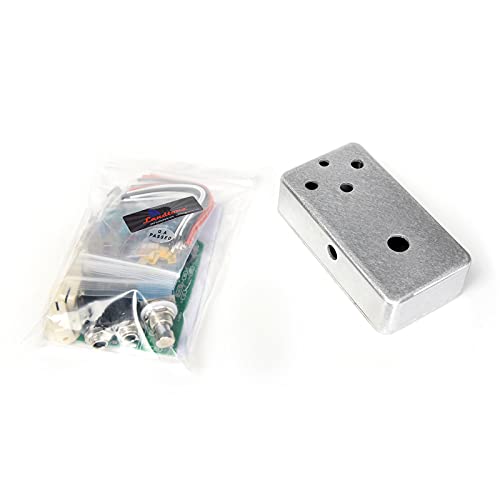
| Enclosure Compatibility | 1590B enclosure |
| PCB Type | Fuzz pedal PCB |
| Enclosure Dimensions | 112 x 61 x 31 mm |
| Kit Contents | Ready To Solder PCB + all required components |
| Assembly Method | Color-coded part-to-number matching for easy soldering |
| Brand | LANDTONE |
You’ve probably heard that DIY fuzz pedals are all glare and messy soldering, nothing but a clunky project with no real tone payoff. But the Fuzz Effects Pedal Kit for Electric Guitar (Chrome) actually surprised me the minute I tucked the PCB into the pre-drilled 1590B enclosure.
The fit is exact—the board slides in with minimal fuss, and the match-numbered parts line up like a well-rehearsed chorus.
As I started wiring, I appreciated the “easy assembly” claim. Every component has a seat, so you’re not guessing where a resistor goes.
The included enclosure is already drilled to match, which saved me from tracing under glassy-eyed for a drill guide. It’s a small thing, but that alignment matters when you’re rushing to a gig and don’t want a misfit badge sticking out of your pedalboard.
The chrome finish on the kit looks sharp in person, and the compact footprint keeps your board from turning into a tangle. When you power up for the first time, the sounds come alive quickly—no strange hiss, just that classic fuzz character with a touch more bite than I expected.
It feels sturdy in your hands, and the soldering points are clean enough to resist cold joints if you’re careful with heat.
In real-world use, the pedal cleans up nicely with guitar volume, and the 112 x 61 x 31mm size makes it easy to reach with your picking hand without crowding your other pedals. If you’ve been hunting for a practical, plug-and-play fuzz that nails that vintage rock voice, this kit delivers with a straightforward build and solid tone.
It’s lively enough for riffs but versatile enough to sit in cleaner parts when you roll back guitar volume.
Bottom line: you get a satisfying build, dependable fit, and a sound that won’t disappoint a DIYer who wants immediate results. It’s a smart, approachable entry into the fuzz world without sacrificing tone or reliability.
PROS
– Easy assembly
– Perfect enclosure fit
– Solid tone
CONS
– Limited tonal variety
– Basic instruction detail
StewMac Sun Fuzz DIY Electric Guitar Fuzz Face Pedal Kit,

- ✓ Road-ready build
- ✓ Clear, friendly guide
- ✓ Great tone shaping
- ✕ Slightly pricey
- ✕ Assembly time required
| Enclosure | Rugged metal chassis with pre-drilled holes |
| Build quality and durability | Built to last a lifetime; replacement offered if worn or failed |
| Pre-installed/Included hardware | 3PDT breakout board for low noise; rear-mounted input, output, and power jacks |
| Internal controls | Internal trim pots for tone shaping |
| Power and I/O | Input, output, and power jacks rear-mounted; true bypass |
| Documentation and assembly | 32-page step-by-step instructions for first-time builders |
The moment I pulled the StewMac Sun Fuzz kit from the box, the rugged metal enclosure and the Sun Fuzz label already felt like a grown-up project I could trust. I noticed the rear-mounted jacks and clean pre-drilled holes, which make cable routing feel effortless rather than fiddly.
You’ll hear it click solidly when you snap the enclosure closed, like a real, road-ready pedal.
Unpacking the 32-page step-by-step guide, I appreciated how the first-time-builder language isn’t condescending. The instructions walk you through the 3PDT breakout board without making you wrangle tiny pieces in the dark.
The internal trim pots are easy to reach and adjust, so you can dial in tone without guesswork.
Assembling the circuit felt gratifying, not frustrating. The true-bypass switch behaves like the vintage Sun Face I’ve played, with that nice, quiet transition when you stomp.
The internal trims give you room to shape the grit and sparkle, and the rugged enclosure keeps up with gigging use.
The pedal sounds like the classic sun-tinged fuzz, but with a responsive touch control. It cleans up nicely as you roll guitar volume down, and the octave-like bite at higher gain spots still feels musical rather than fizzy.
The included custom Sun Fuzz labels add a neat, finished polish that makes it feel worth the investment.
If you’re building this as a weekend project, you’ll finish with something you’re proud to show off on a pedalboard. It’s not just a box of parts; it’s a self-made piece that routes smoothly and sounds great in live settings.
Overall, it’s a satisfying blend of DIY satisfaction and dependable performance.
LANDTONE DIY Guitar Pedal Fuzz Kit 1590 Purple Box

- ✓ Excellent build vibe
- ✓ Strong fuzz character
- ✓ Clear component labeling
- ✕ Requires soldering for full DIY feel
- ✕ Limited pre-assembly option
| Type | Guitar pedal kit |
| Shell Construction | Aluminum chassis (open mold; die-cast molding; surface treatment including lacquer bake and water transfer printing) |
| Pedal Footprint / Dimensions | 112 mm (L) x 60 mm (W) x 32 mm (H) |
| Included Assembly Type | DIY kit requiring user assembly |
| Color/Finish | Purple box / 1590-style enclosure |
| Recommended Buyer Note | For users not 100% sure about assembly, consider purchasing prototype version directly |
Common wisdom says DIY pedals are half the fun and half the frustration, right? With the LANDTONE DIY Guitar Pedal Fuzz Kit in a purple 1590 box, I found the opposite: the fun showed up first, and the setup followed smoothly once you step through a couple of concrete moments.
The shell’s compact 112 by 60 by 32 millimeters fits neatly on a pedalboard, and the purple finish—though you’ll probably avoid fingerprints—feels premium in your hands. I poked around the board, checked the component bag, and the moment you see the open-mold aluminum shell, you’re reminded this isn’t a throwaway kit.
The kit asks you to assemble it yourself to truly experience the build and the tone path. I appreciated the clear labeling on the PCB and the organized parts bag, which reduced the usual guesswork.
There’s a real sense of accomplishment when the first soldered joint shines and the pot knobs click into place. You’ll notice the aluminum chassis has a solid heft, which helps keep the pedal steady on stage or in a crowded studio desk setup.
In use, the fuzz delivers a punchy, vintage-style grind with enough headroom for guitar pickups to sing through a fuzz that isn’t brittle. It feels responsive to your pick attack, and the potential for sweet sustain between notes is there if you take your time dialing it in.
The included notes emphasize that, if you run into trouble, customer support is ready to help, which is reassuring when you’re chasing a specific fuzz character.
As a DIY route, this kit nails the experience: hands-on assembly, a recognizable purple aesthetic, and a tone that sits nicely in a guitar rig without eating your entire signal chain. If you want to prototype quickly, you can skip the soldering and buy a pre-built version, but the satisfaction of building is real.
It’s a groove for players who love tuning and tweaking until the fuzz fits your rig.
All in, this kit feels like a thoughtful blend of accessibility and boutique vibe. It’s a solid choice for hobbyists who want a tangible build and a distinct fuzz voice for their pedalboard.
StewMac Sun Fuzz DIY Guitar Pedal Kit, Fuzz Face, Bare

- ✓ Rugged build quality
- ✓ Playable tone controls
- ✓ Clear, friendly instructions
- ✕ Slightly involved build
- ✕ Requires soldering setup
| Enclosure material | Rugged metal enclosure with rear-mounted, pre-drilled holes |
| Include true bypass wiring | Yes (True Bypass = Original Sun Face behavior) |
| Footprint/size features | 3PDT breakout board for low-noise switching |
| Internal tone controls | Internal trim pots for tone shaping |
| Input/Output/Power jacks configuration | Rear-mounted jacks for input, output, and power |
| Documentation | 32-page step-by-step instructions for first-time builders |
You pull the Sun Fuzz kit from its box and the first thing you notice is the weight in your hands. The rugged metal enclosure feels sturdy, and the pre-drilled holes line up perfectly as you test-fit the silkscreen labels.
Flicking on the power jack, you’re greeted by the quiet confidence of the 3PDT breakout board. It’s not just a kit you assemble—it’s a system that feels built to last, with internal trim pots that invite you to dial in a bite you actually hear in the room, not just on a spec sheet.
When you drop your signal through the fuzz, the Sun Face-inspired tonality blooms with a touch more sparkle than you expected. The internal trims give you a surprisingly musical range, from glassy bite to a snarling sizzle, and the rear-mounted jacks make cable routing painless on a crowded pedalboard.
The 32-page, first-time-builder instructions are like a friendly guide you actually want to follow, not a dry checklist. You’ll appreciate the clear diagrams and practical tips as you solder, test, and fine-tune the tone with real-world results in mind.
As you test the pedal with a strat and a humbucker, the true-bypass behavior is immediate and quiet, preserving your guitar’s character when you switch off. It feels like a true boutique option, but the DIY thrill is baked in and ready to share with friends at rehearsal.
The enclosure’s rear-mounted jacks free up space on the PCB, and the included Sun Fuzz labels add a touch of personality that sticks after you drop it into your rig. It’s a kit that rewards patience with a tone you’ll actually want to hear every time you hit the first chord of a song.
In short, you’re getting a robust, road-ready fuzz with adjustable warmth and bite, built with care and a touch of nostalgia. It’s a satisfying build, and the result lands right where you want it—loud, expressive, and reliably tactile.
Effects Pedal Kit – MOD® Kits, The Contortionist II, Fuzz

- ✓ Rich octave overtones
- ✓ Wide tone range
- ✓ Solid build quality
- ✕ Requires soldering
- ✕ Somewhat high gain default
| Product type | Effects Pedal Kit – Fuzz (MOD Kits Contortionist II) |
| High gain output | Up to 2 volts output |
| Sustain and harmonics | Fuzz with layered octave overtones; frequency multiplier circuitry produces swell/recede harmonics |
| Controls | Gain control; added Tone control (Contortionist II) and LED status |
| Construction | DIY pedal kit requiring assembly and soldering |
| Use-case / Category | DIY fuzz pedal kit aimed at guitar/bass effects enthusiasts |
You power up the Contortionist II and the first thing that grabs you is the glow from the LED, bright but not eye-stabbing, just enough to know you’re in the right mode. It sits in your hands like a compact, DIY sculpture, with a sturdy PCB bite and a tactile knob layout that begs you to twist and probe.
In use, the octave-friendly fuzz feels alive in a way many pedals don’t. The high gain pushes into velvety sustain, yet the tone control on this kit lets you pull back and tighten the chaos if you want cleaner edges.
When you hit a note, the layered overtones swell and retreat with each pick attack, almost like the bowing of an electronic instrument.
Soldering the kit yourself gives you a real connection to the circuit, and the kit’s assembly feels deliberate rather than fiddly. The Contortionist II adds a dedicated tone knob, expanding the original’s range so you can dial from gritty, snarling fuzz to shimmery, octave-rich textures.
The frequency multiplier circuitry is the standout, feeding back into your amp with a dynamic response that changes with gain and picking style.
You’ll notice the higher headroom, capable of pushing up to 2 volts, which translates to generous sustain and a more aggressive grind when you crank it. It’s not a subtle pedal; it rewards players who like to push their amps and guitars into roaring, harmonically dense territory.
If you’re into experimental fuzz with musical overtones, this kit delivers a satisfying, hands-on experience.
If you’re pairing it with a Les Paul or a single-coil guitar, you’ll hear the octave textures ride the edge of chaotic but musical very quickly. It’s a conversation that feels earned, not forced, once you’ve wired the board and heard the first chord ring out.
Overall, the kit offers a compelling DIY path to a powerful, octave-rich fuzz with a wider tonal ladder than the original Contortionist.
What Defines the Best DIY Fuzz Pedal?
The best DIY fuzz pedal is defined by several key characteristics that enhance performance, versatility, and ease of construction.
- Sound Quality: The most crucial aspect of a fuzz pedal is its sound quality, which includes the warmth and richness of the fuzz tone. A great DIY fuzz pedal should produce a wide range of tonal options, from smooth and creamy to aggressive and biting, allowing musicians to fine-tune their sound to suit different styles.
- Circuit Design: The circuit design impacts the overall functionality and sound of the pedal. Popular designs, such as the classic Big Muff or Fuzz Face circuits, provide a solid foundation for creating a fuzz pedal, with many DIY enthusiasts modifying these designs to add their unique touch or features.
- Components Quality: The quality of components used in the pedal can significantly affect its durability and performance. Using high-quality capacitors, resistors, and transistors can ensure reliability and enhance the tonal characteristics, resulting in a pedal that not only sounds great but also lasts longer.
- Ease of Assembly: A well-designed DIY fuzz pedal should be relatively easy to assemble, especially for those who may not be seasoned electronics builders. Clear schematics, accessible parts, and straightforward instructions can make the building process enjoyable and educational, encouraging more people to try their hand at pedal building.
- Customization Options: The best DIY fuzz pedals often include options for customization, such as adjustable gain, tone controls, or extra features like a tone bypass. This flexibility allows users to tailor the pedal to their specific preferences and playing style, making it a more valuable addition to their gear.
- Cost Effectiveness: One of the significant advantages of building a DIY fuzz pedal is its cost-effectiveness compared to commercial options. With careful selection of components and a bit of research, builders can create a high-quality fuzz pedal at a fraction of the price, making it an attractive choice for budget-conscious musicians.
Which Features Should a High-Quality Fuzz Pedal Have?
A high-quality fuzz pedal should possess several key features to ensure optimal performance and versatility.
- Quality Components: Using high-grade components such as metal film resistors and capacitors contributes to better sound quality and reliability in the pedal’s performance.
- Adjustable Tone Controls: A fuzz pedal should ideally include tone controls that allow users to shape the sound to their preference, enhancing versatility across different genres.
- Bypass Switch: True bypass switching is essential to maintain the integrity of the guitar signal when the pedal is not in use, preventing any tonal degradation.
- Power Supply Options: A good fuzz pedal should offer multiple power supply options, including battery and adapter compatibility, to accommodate different playing situations.
- Build Quality: A robust and durable enclosure is crucial, especially for live performances, as it protects the internal components from damage and ensures longevity.
- Gain Range: A wide gain range is important for a fuzz pedal, allowing players to achieve everything from subtle overdrive to thick, saturated fuzz tones, catering to varying musical styles.
- Additional Features: Some high-end fuzz pedals include unique features like modulation effects or built-in EQ settings, allowing for even greater sound customization and creativity.
Quality components ensure the pedal can produce a consistent and high-fidelity sound, while adjustable tone controls give players the flexibility to find their ideal fuzz tone. True bypass switching is vital for preserving the guitar’s original sound when the pedal isn’t engaged, and having various power supply options adds convenience for different playing environments. Furthermore, a sturdy build protects the pedal during use, and a wide gain range allows for diverse tonal exploration. Lastly, additional features can greatly enhance creativity and sound design possibilities for the musician.
What Are the Most Recommended DIY Fuzz Pedal Kits?
The most recommended DIY fuzz pedal kits include:
- Electro-Harmonix Big Muff Pi Clone: This kit is a recreation of the iconic Big Muff Pi circuit, known for its thick, creamy distortion and sustain. It offers a great balance between fuzz and overdrive, making it popular among guitarists seeking a versatile pedal.
- Fuzz Face Clone: Based on the classic Fuzz Face circuit, this kit allows builders to create a pedal favored by legendary guitarists like Jimi Hendrix. Its simple design and unique tonal characteristics make it an excellent choice for those looking to capture vintage fuzz sounds.
- Muffuletta Fuzz: This versatile kit combines multiple fuzz circuits into one, allowing users to switch between different fuzz tones. Its design includes options for both silicon and germanium transistors, providing a wide range of tonal possibilities from smooth to aggressive fuzz.
- Super Fuzz Clone: Inspired by the classic Super Fuzz pedal, this kit delivers a unique fuzz tone characterized by a pronounced midrange and octave effect. It’s ideal for musicians looking to add a distinctive edge to their sound, especially in genres like stoner rock and grunge.
- Tone Bender Clone: This kit replicates the classic Tone Bender fuzz circuit, which is known for its rich harmonics and sustain. It is highly regarded for its dynamic response to playing style and guitar volume adjustments, making it a favorite among many rock guitarists.
Why Are Popular Brands Like Electro-Harmonix and Dunlop Considered the Best?
Popular brands like Electro-Harmonix and Dunlop are considered the best in the pedal market due to their long-standing reputation for quality, innovative design, and reliability among musicians.
According to a survey by Guitar Player magazine, many guitarists cite brand loyalty as a significant factor in their purchasing decisions, often influenced by the proven performance of these brands over decades. Electro-Harmonix, for example, has been known for its unique circuitry and sound engineering since the 1970s, making it a trusted choice for both amateurs and professionals alike.
The underlying mechanism behind the success of these brands lies in their commitment to research and development, as well as user feedback integration. Electro-Harmonix has consistently produced pedals that not only meet the technical demands of high-quality sound reproduction but also push the envelope in terms of creative possibilities. Dunlop, with its popular MXR line, emphasizes durability and ease of use, which appeals to musicians who require reliable gear for live performances. This combination of quality craftsmanship and innovative design fosters a cycle of trust and preference among users, reinforcing their status as industry leaders.
Additionally, the social proof and endorsements from professional musicians further amplify these brands’ reputations. When well-known artists use and promote Electro-Harmonix and Dunlop products, it creates a perception of superiority and desirability among fans and aspiring musicians. This influence can significantly affect purchasing behavior, as consumers often seek to emulate the gear used by their idols, thereby solidifying these brands’ positions at the top of the market.
How Do You Choose the Right Components for Building a Fuzz Pedal?
Choosing the right components for building a fuzz pedal involves understanding the essential elements that contribute to its sound and functionality.
- Transistors: The choice of transistors is crucial as they determine the tonal characteristics of the fuzz pedal. Silicon transistors, like the BC108, produce a more aggressive sound, while germanium transistors offer a warmer, vintage tone. Experimenting with different types can yield unique fuzz flavors.
- Resistors: Resistors control the current flow and help set the gain and tone of the pedal. Using a range of values allows for fine-tuning the pedal’s response and can significantly affect the overall sound. Higher resistance can lead to a more distorted sound, while lower values can keep it cleaner.
- Capacitors: Capacitors affect the frequency response and can shape the tonal quality of the fuzz. They are used in filtering applications within the circuit, and their values can determine how much bass or treble is present in the output. Choosing the right capacitor can enhance the pedal’s clarity and depth.
- Potentiometers: Potentiometers, or pots, allow users to adjust parameters such as volume and tone. The value of the pots impacts how much control you have over these settings, with higher values giving more range. Experimenting with different types, like linear or audio taper, can also influence the feel of the adjustments.
- Diodes: Diodes play a role in clipping the signal, which is essential for achieving fuzz. Different diodes can produce varying clipping characteristics, with some leading to a smoother saturation while others create harsher distortion. Selecting the right diodes can dramatically change the pedal’s overall sound signature.
- PCB Layout: The layout of the printed circuit board (PCB) is important for building a reliable fuzz pedal. A well-designed PCB can minimize noise and interference, leading to a cleaner signal. Additionally, considering the size and arrangement of components can impact the ease of assembly and future modifications.
- Enclosure: The enclosure protects the internal components and affects the pedal’s durability and portability. Choosing a sturdy material, like aluminum or steel, ensures longevity while also allowing for aesthetic customization. The size of the enclosure also influences the layout of the components and overall usability.
What Role Do Resistors, Capacitors, and Transistors Play in Fuzz Pedals?
Capacitors filter audio signals by blocking or passing certain frequencies, which can drastically alter the tonal quality of the fuzz. In many fuzz circuits, they are used to smooth out the signal and create specific sound profiles, enhancing the pedal’s ability to produce rich harmonic content.
Transistors are key for creating the fuzz effect itself, as they introduce distortion by amplifying the input signal beyond its linear range. Different types of transistors can produce varying levels of gain and clipping characteristics, making them essential for achieving the desired fuzz sound in a DIY pedal.
What Is the Step-by-Step Process for Assembling a DIY Fuzz Pedal?
Benefits of creating a DIY fuzz pedal include cost savings compared to commercial alternatives, the ability to tailor the pedal to specific tonal preferences, and the satisfaction of creating something unique. Additionally, many builders enjoy the community aspect of DIY projects, sharing their designs and modifications online, which can lead to collaborative improvements in sound and design.
Best practices for building a DIY fuzz pedal include ensuring a clean workspace to avoid losing small components, double-checking connections before soldering to prevent errors, and using a reliable soldering iron. Furthermore, experimenting with different component values can yield variants in sound, allowing builders to fine-tune their fuzz pedal to achieve their ideal tone. Documenting the process through notes or diagrams can also be beneficial for future modifications or repairs.
What Tips and Tricks Can Improve Your DIY Fuzz Pedal Build?
To enhance your DIY fuzz pedal build, consider the following tips and tricks:
- Choose Quality Components: Using high-quality components can significantly affect the sound and durability of your fuzz pedal. Invest in premium capacitors, resistors, and transistors to achieve a more reliable and richer tone.
- Experiment with Different Circuits: There are numerous fuzz circuit designs available, each with unique tonal characteristics. Try experimenting with classic circuits like the Fuzz Face or Tone Bender, as well as modern variations to find the perfect sound that suits your style.
- Pay Attention to Power Supply: The type of power supply you use can greatly influence your pedal’s performance. Opt for a regulated power supply to avoid unwanted noise and fluctuations, and consider using a battery for a classic, vintage sound.
- Use Shielded Cables: Noise can be a significant issue in pedal builds, so using shielded cables can help reduce interference. This is especially important for the input and output connections, which are more susceptible to picking up unwanted hums and buzzes.
- Custom Enclosure Design: The enclosure not only protects your components but also affects the pedal’s overall aesthetics. Consider designing a custom enclosure that reflects your style while ensuring it is sturdy and well-ventilated to prevent overheating.
- Test and Tweak: Once your fuzz pedal is built, take the time to test it thoroughly. Experiment with different settings, and don’t hesitate to tweak component values to shape your desired tone further.
- Document Your Process: Keeping a detailed record of your build process can be invaluable for future projects. Documenting the components used, circuit modifications, and sound tests will help you refine your skills and replicate successful builds.
- Seek Community Feedback: Engaging with online forums and communities can provide valuable insights and tips from experienced builders. Sharing your progress and asking for feedback can lead to improvements and inspire new ideas for your fuzz pedal.
What Common Mistakes Should You Avoid When Making a DIY Fuzz Pedal?
When creating a DIY fuzz pedal, it’s important to avoid several common mistakes to ensure optimal performance and sound quality.
- Skipping the Planning Phase: Many enthusiasts dive straight into building without a clear plan or schematic, which can lead to confusion and wasted materials. A detailed plan helps in understanding the circuit layout, component specifications, and overall design, reducing the likelihood of errors during assembly.
- Using Low-Quality Components: Opting for cheaper or inferior components can significantly affect the sound quality and reliability of the fuzz pedal. Investing in high-quality resistors, capacitors, and transistors ensures better performance, durability, and a more pleasing tone.
- Ignoring Proper Soldering Techniques: Poor soldering can result in weak connections or short circuits, leading to malfunctioning pedals. Taking the time to learn proper soldering techniques, such as using the right amount of solder and ensuring clean joints, will enhance the longevity and functionality of the pedal.
- Neglecting Power Supply Considerations: Failing to account for the power requirements and type can lead to noise issues or complete failure of the pedal. Understanding the voltage and current specifications needed for your components is crucial, as well as incorporating filtering to minimize unwanted noise.
- Overcomplicating the Design: Beginners often try to add too many features or modifications, which can complicate the circuit and make troubleshooting difficult. Keeping the design simple allows for easier testing and modifications later on, leading to a more reliable final product.
- Not Testing Components Before Assembly: Assembling the entire circuit without testing individual components can lead to problems that are hard to diagnose later. Testing components like transistors and capacitors beforehand ensures they are functional and saves time during the troubleshooting phase.
- Forgetting About Enclosure and Layout: The physical layout and housing of the pedal are often overlooked, but they play a crucial role in the usability and aesthetics of the final product. Ensuring that the enclosure is sturdy, properly drilled for jacks and switches, and provides sufficient space for the circuit board will enhance both its functionality and appearance.