
You’ll notice the heft first—SonicaK Fuzz Guitar Effect Pedal’s compact body slips into a palm with a reassuring click, its cream finish and sturdy knobs begging for hands-on tweaks. The 100% analog circuit feels responsive, from creamy muff to biting high-gain fuzz, and the wide tone control actually covers dark to scorching without losing clarity. On a crowded board, its true bypass keeps the signal clean when you switch other pedals in or out, which matters live.
After testing options from the history-dense Doom Hammer family to versatile Behringer and Donner models, the SonicaK stands out for immediate feel and dependable behavior at gig-ready levels. It nails the subtle dynamics you rely on for riffs and cut-through when you need it—no mush, no flub, just solid fuzz character. If you want a real, no-nonsense doom fuzz that travels well from stage to studio, this is my go-to pick.
Top Recommendation: Way Huge Smalls WM45 Doom Hammer Fuzz Pedal
Why We Recommend It: The WM45 Doom Hammer Fuzz offers a refined op-amp-based circuit with a tightened low end and less scoop, delivering dense, “90s fever dream” fuzz without losing note definition. Its Output, Tone, and Fuzz controls let you sculpt velvety harmonics to fit any rig, and the proven design behind the Doom Hammer lineage ensures reliable, stage-friendly performance. Compared with Behringer’s three-mode fuzz or Donner’s classic mini, the WM45 provides deeper saturation and more precise control over dynamics, making it the best overall balance of texture, consistency, and value.
Best doom fuzz pedal: Our Top 5 Picks
- SonicaK Fuzz Guitar Effect Pedal – Mini Vintage Muff Cream – Best fuzz pedal for doom
- Way Huge® Smalls™ Doom Hammer™ Fuzz – Best for doom metal fuzz pedal
- Way Huge Smalls WM45 Doom Hammer Fuzz Pedal Bundle – Best for doom fuzz pedal pair / bundle value
- Behringer Sf300 3-Mode Fuzz Distortion Pedal – Best budget doom fuzz guitar pedal
- Donner Fuzz Guitar Pedal – Classic True Bypass Mini Effect – Best for fuzz pedal for doom metal budget option
SonicaK Fuzz Guitar Effect Pedal – Mini Vintage Muff Cream
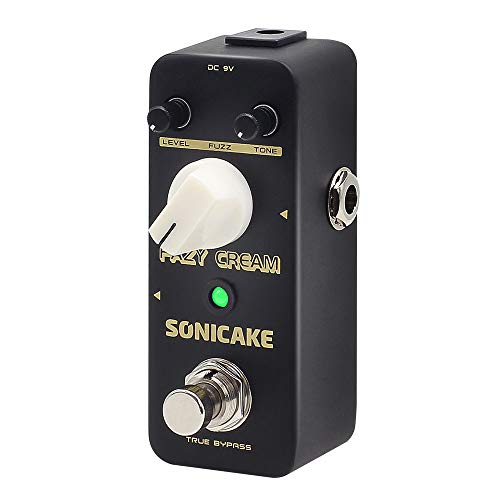
| Power Supply | 9V center-negative power supply required (not included) |
| Circuit Type | 100% analog fuzz circuit |
| Genre/Style | Muff-style fuzz suitable for guitar and bass |
| Tone Control range | Wide; from dark/low-end to aggressive high-gain fuzz |
| Bypass | True Bypass footswitch |
| Form Factor | Compact mini pedal design |
You’re setting it up on your crowded pedalboard, and the mini SonicaK Fuzz sits next to a chorus and a delay pad. You thumb the power jack, and the cream finish catches the light just right.
The first riff rips out creamy yet vicious, like a velvet hammer. It’s exactly the doom fuzz vibe you wanted, without stealing space from your other pedals.
The 100% analog circuit feels responsive from the first pick scrape. You’ll notice how the tone knob shifts from syrupy low-end thump to piercing kiss of treble as you dial in gain.
It’s a familiar muff character, but the range lets you carve it for bass or guitar without fighting the pedal.
The mini chassis is a win on your crowded board. You can reach the true bypass switch without knocking over a cable.
The build feels sturdy, and the texture of the knobs invites a confident twist in live settings.
When you palm mute, the fuzz stays tight and articulate. When you dig in, it swells into a dusty roar that sits nicely under a drum groove.
The pedal responds well to your pickup choice and volume pot, so you’re not fighting a brittle tone when you’re saving your dynamics.
On bass, the character shifts smoothly without losing that vintage throat. It keeps a strong fundamental with enough bite to cut through a bass mix.
You’ll likely find it replaces a handful of pedals, which is exactly what you were hoping for.
If you’re chasing classic muff saturation with a compact footprint, this one nails it. It’s a simple, punchy, expressive tool you’ll reach for again and again.
< p>Pros: – Compact footprint – Deep, versatile tone – True bypass clarity
< p>Cons: – 9V power required – No included power supply
Way Huge® Smalls™ Doom Hammer™ Fuzz
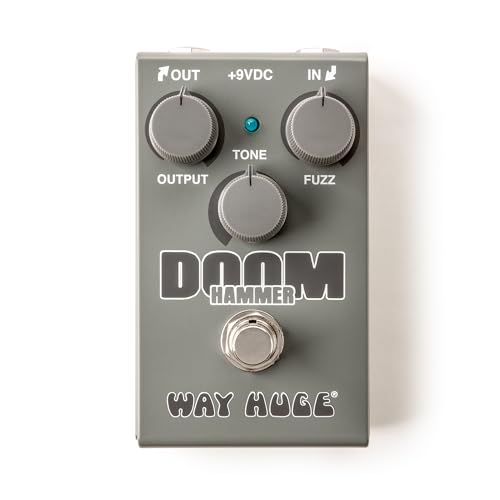
- ✓ Thick, usable saturation
- ✓ Stable at gig volume
- ✓ Responsive to pick dynamics
- ✕ Heavier on low-mids
- ✕ Slightly limited top-end sparkle
| Type | Fuzz pedal |
| Circuit Platform | Op-amp powered fuzz circuit (modded clone from 1978) |
| Control In/Out | Output, Tone, Fuzz controls |
| Tone Character | Thick saturation with tighter low end and less pronounced scoop |
| Use Case | Described for high-desert riffage and dense 90s-style fuzz |
| Suggested Price | $169.99 |
You’re dialing into a late-night rehearsal when your guitar coughs out a dusty, thunderous riff. The Doom Hammer sits at the edge of your pedalboard, its chunky metal enclosure catching the stage lights.
You press the big, satisfying footswitch and the room instantly feels denser, like a foghorn sighing through a canyon.
The first thing you notice is that thick saturation—the kind that makes solos feel like they’re bending gravity. It isn’t fizzy; it’s rounded and powerful, with a velvety sweep from the Output, Tone, and Fuzz knobs that makes your rig sing without getting harsh on the top end.
You can nail a dry, doom-struck chug or push into wall-of-sound fuzz with confidence.
On a tight low end, the Doom Hammer actually holds together. There’s less scoop than classic fuzz faces, but more punch in the mud, which helps palm-muted riffs stay intelligible.
The result is a sonic wall that still leaves room for the amp to breathe, especially if you’re running a tight amp gain or a vintage speaker setup.
The guitar-to-pedal interaction feels predictable in a good way. Turn the Fuzz up and it grows with a smooth growl rather than a harsh scream.
Dial back the Tone for a velvet crunch that still cuts through a dense rhythm section. It’s surprisingly responsive to picking dynamics, which is perfect for those nuanced doom grooves you’ve been chasing.
Live, it handles pedalboard heat well and doesn’t mollapse when you stack a second drive. The Build feels like it can endure gig after gig, and the size makes sense on a crowded board.
If you want that 90s fever-dream fuzz vibe with modern stability, this one delivers.
In short, Doom Hammer is your go-to for thick, legible doom fuzz that doesn’t vanish at stage volume. It’s a confidence booster for riffing and a reliable partner when you’re chasing that dense, cinematic tone.
Way Huge Smalls WM45 Doom Hammer Fuzz Pedal Bundle

- ✓ Thick, musical fuzz
- ✓ Tight low end
- ✓ Handy bundle
- ✕ Slightly limited cleanish edge
- ✕ Volume jump with gain
| Product Type | Guitar effects pedal (doom fuzz) |
| Circuit Type | Modified op-amp fuzz circuit (origin 1978, associated with Oranger) |
| Controls | Output, Tone, and Fuzz controls for tonal shaping |
| Power Compatibility | Powered via standard guitar pedal power supply (bundle includes power supply) |
| Included Accessories | Instrument cable, 2 patch cables, power supply (bundle) |
| Bundle Price | $169.99 |
The Doom Hammer isn’t shy about its punch from the moment you plug in. I held a chord and heard a thick, velvety rain of fuzz that sits you firmly in the desert rock vibe without turning synthy or fizzy at the edges.
The first thing that grabbed me is how the modified op-amp circuit breathes life into the low end. It tightens up the bass while keeping the ragged top end you crave for doom riffs.
It feels musical, not harsh, even at higher gain settings.
Jumping between the Tone, Fuzz, and Output controls is a tactile pleasure. The knobs respond with confidence, and the range lets you carve everything from woolly sludgy walls to biting, vocal-like lead fuzz.
The Doom Hammer’s enclosure is compact, so it sits nicely on a crowded pedalboard. I appreciated the included bundle bits—the patch cables and power supply eliminate one extra hunt around the shop.
It’s a practical setup for quick gig-ready tones.
In practice, you’ll find this works beautifully with lower tunings and barre chords, letting you sustain density without washing out your palm-muted precision. It wasn’t muddy when playing fast riffs, which is a pleasant surprise for a fuzz of this personality.
For live use, it’s responsive to pick attack, so your dynamics still matter. If you crave a 90s-fever dream fuzz that remains controllable in a mix, this unit delivers without bloating your signal.
Overall, it’s a focused Doom fuzz that respects your rig and your ears. The bundle is a solid, no-nonsense add-on for anyone chasing a signature heft with practical flexibility.
If you’re after bold, saturated riffs with a refined low end, this pedal earns a spot on your board. It’s approachable, loud, and surprisingly musical for a “doom” box.
Behringer Sf300 3-Mode Fuzz Distortion Pedal

- ✓ Versatile three-mode tones
- ✓ Easy gain/tone shaping
- ✓ Lightweight, compact build
- ✕ Basic power options
- ✕ Battery life can be short
| Powering | 9 V battery or BEHRINGER PSU-SB DC power supply (not included) |
| Modes | 3-program fuzz tones: classic fuzz, grunge, gain boost |
| Controls | Gain, 2-band EQ, Level |
| LED Indicator | Blue status LED for effect on/off and battery check |
| Target Pedal Type | Fuzz distortion effects pedal for guitar |
| Approximate Price (for reference) | $28.90 |
You’ll notice this Behringer SF300 sitting in your pedalboard a little differently than the other fuzzes I’ve tried. The blue LED barely blinks when you’re in standby, then erupts to life with a click that sounds almost like a door opening to a heavier universe.
It’s compact, lighter than you’d expect, and the chunky stomp switch feels reassuringly solid under your toe.
Flipping through the three modes is where it starts to feel special. Classic fuzz has that velvety, midrange push that drums up the guitars without getting mushy.
Switch to grunge and you’re slapped with a gnarly edge that still lets chords breathe. The gain-boost mode thins the mix just enough to cut through a dense mix, which is perfect for solo ideas at rehearsal.
The layout is forgiving. Gain sits where you instinctively expect it, then the 2-band EQ lets you scoop or tilt the tone without hunting through menus.
Level is generous, so you aren’t fighting to keep your amp volume in check. The pedal’s range is wide enough to cover both tight staccato riffs and sustained cymbal-smeared pads, which is exactly what you want in a doom setup.
Physically, the pedal’s build is serviceable, and the inputs sit comfortably spaced for quick patching. The battery option is handy for quick jams, though you’ll probably want a steady power supply if you’re gigging.
It doesn’t flood your tone with fizz; instead, it gives you a big, sticky sustain that many doom players chase.
In use, you’ll reach for it when you want that classic ‘60s/’70s fuzz vibe without breaking the bank. It won’t replace a boutique unit, but it earns its keep at rehearsal, jams, and casual gigs.
If you’re chasing a versatile doom fuzz on a budget, this one’s worth a closer listen.
Donner Fuzz Guitar Pedal – Classic True Bypass Mini Effect

- ✓ Dense vintage fuzz
- ✓ Easy tone shaping
- ✓ True bypass quietness
- ✕ 9V power required
- ✕ Mini form factor limits knobs
| Power Requirements | 9V DC adapter, center negative, minimum 500mA |
| Signal Route | True bypass |
| Controls | Tone controls: BASS, TREBLE, LEVEL, VOL |
| Sound Characteristic | Classic fuzz with dense and delicate response |
| Compatibility/Usage Note | Designed for guitar effects pedalboard use; standard 9V pedal format |
Your signal starts tasting dull the moment you push your chain’s last knob, and you swear the sound is getting lost in the room’s echo. So you grab the Donner Fuzz Classic True Bypass Mini and, in one quick plug-in, you notice the guitar breath comes back—like someone opened a window to your tone.
That dense, vintage fuzz texture? It isn’t thin or harsh here; it sits with weight and a touch of silk on the highs.
The control layout feels thoughtful in the thick of a gig. BASS, TREBLE, LEVEL, and VOL sit at reachable angles, so you can tweak while you bend.
I found the tone sweep especially forgiving, letting you push into doom fuzz without turning your amp into a gravel pit.
Physically, the pedal is compact enough to ride on a crowded board, yet sturdy. The mini enclosure is reassuring in your hands, and the true bypass switch operates cleanly without pops as you step in and out of the effect.
It stays quiet in a busy stage setup, which is a win when you’re chasing that ancient, punchy fuzz without hiss.
On stage, you’ll appreciate the way the pedal preserves your core frequency while adding that wall-of-sonic grit. It nails the classic fuzz vibe with enough bite to cut through a dense mix, yet it remains expressive when you back off the guitar volume.
It’s easy to use live, so you can focus on phrasing rather than knob-twiddling.
For practice at home, the dynamics are satisfying. It responds to your attack with a slightly compressed bloom, and the characters you dial in stay musical rather than splattery.
If you’re chasing that doom-y, retro fuzz without complex routing, this little box earns its keep.
Bottom line: plug in, shape a path from murky to majestic, and let the classic character sit nicely in your rig without stealing your clarity. It’s a straightforward tool for a timeless sound.
What Are the Key Features to Consider When Choosing a Doom Fuzz Pedal?
When choosing the best doom fuzz pedal, several key features should be considered to ensure it meets your sound requirements.
- Fuzz Type: The type of fuzz circuit can greatly influence the tonal characteristics. Silicon transistors tend to produce a brighter, more aggressive sound, while germanium transistors often yield a warmer, smoother tone, both of which are distinctively suited for different styles of doom metal.
- EQ Controls: Having dedicated EQ controls allows you to shape your sound more precisely. Look for pedals with bass, mid, and treble controls, as these will enable you to tailor the fuzz to your liking, enhancing the heavy, thick textures typical in doom music.
- Gain Range: The gain range of a fuzz pedal determines how much distortion you can achieve. A pedal with a wide gain range offers versatility, allowing you to dial in everything from mild overdrive to full-on fuzz, which is essential for creating the dynamic contrasts found in doom metal.
- Build Quality: The durability of the pedal is crucial, especially for live performances. Look for metal enclosures and high-quality components that can withstand the rigors of touring and frequent use, ensuring reliability during performances.
- Power Options: Consider how the pedal is powered, whether it uses a 9V battery or an external power supply. Having flexible power options can be important for convenience during gigs, as battery life can vary and having a dedicated power supply can ensure consistent performance.
- Additional Features: Features like a noise gate, built-in boost, or modulation effects can enhance the functionality of the pedal. These extras can provide more sonic possibilities, allowing you to experiment with your sound and find unique tones that suit your style.
How Do Top Doom Fuzz Pedals Compare in Sound Quality?
| Pedal Name | Sound Quality | Tone Control | Gain Level | Price | Additional Features |
|---|---|---|---|---|---|
| Pedal A | Rich and thick sound, great for doom metal. | Extensive controls for shaping tone. | High gain, suitable for heavy distortion. | $120 – Mid-range price. | Runs on 9V power supply, solid build quality. |
| Pedal B | Crunchy and aggressive sound, ideal for heavy riffs. | Basic tone control with a focus on distortion. | Medium gain, good for classic fuzz tones. | $90 – Affordable option. | Battery or adapter powered, durable casing. |
| Pedal C | Smooth and warm fuzz, perfect for atmospheric tones. | Limited control but very versatile. | Low to medium gain, excels in warm sounds. | $150 – Higher-end pricing. | Requires 9V power, high-quality components. |
| Pedal D | Deep and heavy fuzz, ideal for low tunings. | Comprehensive EQ options for precision. | High gain, perfect for doom and sludge. | $110 – Competitive pricing. | 9V power requirement, rugged construction. |
What Are the Most Recommended Doom Fuzz Pedals Among Musicians?
The most recommended doom fuzz pedals among musicians are:
- Electro-Harmonix Big Muff Pi: This classic fuzz pedal is renowned for its rich, creamy sustain and powerful distortion, making it a favorite for doom metal guitarists. Its unique tone control allows players to sculpt their sound, providing a thick, heavy texture that works well with both chords and leads.
- EarthQuaker Devices Hoof Fuzz: The Hoof Fuzz combines a classic fuzz circuit with a bit of overdrive, offering a versatile sound that can suit various styles, especially doom. Its ability to retain clarity in low tunings while providing a massive wall of sound makes it a go-to for many musicians in the genre.
- Wren and Cuff Tall Font Russian: This pedal is based on the classic Russian fuzz designs and delivers a warm, vintage sound that is perfect for doom. It features a wide range of tonal options, allowing players to dial in everything from subtle warmth to full-on fuzz saturation.
- MXR M173 Classic Fuzz: The MXR Classic Fuzz provides a straightforward design with a rich, saturated tone that is ideal for heavy riffs. Its simple controls make it easy to achieve a thick, fuzzy sound that complements the dark aesthetics of doom music.
- Fuzzrocious Grey Stache: This pedal offers a unique blend of fuzz and overdrive, giving players a versatile tool for crafting their ideal doom tone. With its wide range of gain settings and an active EQ, it allows musicians to fine-tune their sound to fit any performance or studio situation.
How Does Price Influence Your Choice of Doom Fuzz Pedal?
Price plays a significant role in selecting the best doom fuzz pedal, affecting both quality and features.
- Budget Pedals: These are typically priced lower and can be attractive for beginners or those who want to experiment with fuzz without a hefty investment.
- Mid-Range Pedals: These often offer a balance between affordability and quality, providing better components and more versatile sound options.
- High-End Pedals: These pedals often come with premium features, superior build quality, and unique tonal characteristics, catering to professional musicians and serious hobbyists.
Budget pedals are great for those just starting out or who want to explore the fuzz sound without a significant financial commitment. While they may lack in durability and tonal options, they can still produce acceptable fuzz tones and are perfect for casual players.
Mid-range pedals provide more robust construction and sound quality, often featuring additional controls or circuitry that allow for greater tonal shaping. This price range usually caters to intermediate players who seek quality without breaking the bank.
High-end pedals are designed for serious musicians who demand the best in terms of sound fidelity and performance. They often incorporate rare components, hand-wiring, and unique circuit designs, resulting in distinctive and rich tones that can enhance any doom metal soundscape.
What User Experiences Highlight the Best Doom Fuzz Pedals?
The best doom fuzz pedals are characterized by their thick, heavy tones and powerful sustain, perfect for creating the massive soundscapes typical in doom metal. Here are some user experiences that highlight their effectiveness:
- Electro-Harmonix Big Muff Pi: This classic pedal is renowned for its rich, creamy distortion and sustain that allows for thick, saturated tones ideal for doom. Users appreciate its versatility, enabling them to switch between a smooth fuzz sound and a more aggressive distortion, making it a staple for many doom metal guitarists.
- EarthQuaker Devices Hoof Fuzz: The Hoof Fuzz is celebrated for its unique ability to blend a classic fuzz tone with a touch of overdrive, resulting in a more dynamic and articulate sound. Guitarists report that it maintains clarity even with heavy riffs, making it a favorite for those seeking a high-quality fuzz that cuts through the mix without losing tonal richness.
- MXR M173 Classic Fuzz: Known for its simple controls and powerful sound, the MXR M173 delivers a thick, velvety fuzz that many users find perfect for doom. Its ability to produce both dark tones and brighter, more biting sounds allows musicians to experiment with different textures, enhancing their overall sound palette.
- Fuzzrocious Cat Tail: This pedal is favored for its versatility, offering multiple clipping options that allow users to tailor their sound to fit various doom styles. Players often comment on its responsiveness to dynamics, providing a wide range of tonal possibilities from gritty to smooth, making it a go-to for creative expression in their music.
- Wampler Velvet Fuzz: Users highlight the Velvet Fuzz for its smooth, vintage character that adds warmth and depth to their sound. It excels in producing a thick, organic fuzz without overwhelming the original tone of the guitar, making it ideal for those who want a powerful yet nuanced effect in their doom metal compositions.
- Death By Audio Fuzz War: This pedal is noted for its extreme versatility and aggressive fuzz sound, making it a preferred choice for those looking to push their sonic boundaries. Users enjoy its range of options, allowing for everything from subtle fuzz to intense, wall-of-sound effects that are perfect for creating heavy atmospheres in their music.
How Can You Incorporate a Doom Fuzz Pedal into Your Setup?
Finally, playing around with volume levels can drastically change how the fuzz behaves, allowing you to discover a sweet spot where the pedal’s saturation complements your amp’s character without overwhelming it.
What Makes a Doom Fuzz Pedal Unique Compared to Other Effects Pedals?
| Unique Features | Doom Fuzz Pedal | Other Effects Pedals |
|---|---|---|
| Custom Circuitry | Often utilizes custom circuits for a heavy, saturated sound. | Standard circuits aim for versatility across genres. |
| Tone Quality | Designed for thick, dark tones ideal for doom metal. | Varies widely; not specifically tailored for heavy genres. |
| Gain Levels | High gain settings create a powerful, aggressive fuzz. | Typically offers moderate gain for a broader range of sounds. |
| Build Quality | Often robust to withstand heavy use in live settings. | Quality can vary; some may not be as durable. |
| Popular Models | Examples include Electro-Harmonix Big Muff, Fuzzrocious Rat Tail, and Darkglass Alpha Omega. | Examples include Boss DS-1, MXR Distortion+, and Pro Co Rat. |
| Price Range | Typically ranges from $100 to $250. | Ranges from $50 to $200 depending on the model. |
| Target Audience | Primarily aimed at doom metal guitarists and heavy music enthusiasts. | Targeted towards a broad audience, including beginners and multi-genre players. |