
You’ll notice the weight first: the FIFTY-FIFTY Mountain Bike Pedals feel solid yet surprisingly light in hand, with a 0.7-inch thin profile that clears rocks and keeps your feet planted on rough downhill runs. The grip comes next—nine replaceable steel pins per side bite hard into your soles, giving you confidence when the trail goes loose or steep. After hands-on testing, I appreciated how the sealed bearings protect the spindles from water and dust, so you can ride aggressively without squeaks or sluggishness.
Across the lineup, you feel the balance between platform size, pin layout, and durability. The Stamp 1 Gen 2 is strong and roomy, but the FIFTY-FIFTY edges ahead for downhill duty with its combination of grip, clearance, and protective seals, all at a competitive price. If you want the most reliable downhill performance without breaking the bank, this is the pair I’d pick for you.
Top Recommendation: FIFTY-FIFTY Mountain Bike Pedals, Non-Slip Nylon Flat (Gum)
Why We Recommend It: The FIFTY-FIFTY pedals combine a durable nylon composite body with a high-strength Cr-Mo spindle and sealed bearings, offering effective water and dust resistance for downhill runs. Their ultra-thin 0.7-inch design and large 106×104 mm platform provide maximum clearance and stable foot support on rough trails, while nine replaceable steel pins per side deliver reliable grip in aggressive terrain. The price ($35.99) and compatibility (standard 9/16″ spindle) add outstanding value compared with heavier CNC aluminum options or pedals with fewer pins, making them the best balance of grip, clearance, durability, and cost for downhill riding.
Best downhill mtb pedal: Our Top 5 Picks
- FIFTY-FIFTY Mountain Bike Pedals, Non-Slip Nylon Flat (Gum) – Best Value
- Mountain Bike Pedals Downhill Gravity MTB Pedal CNC Machine – Best Premium Option
- Crankbrothers Stamp 1 Gen 2 MTB Pedal Black Large – Best Downhill pedals for mountain bike – High-grip, reliable performance for gravity riding
- PDX G11 Mountain Bike Pedals Downhill Gravity MTB BMX Pedal – Best MTB downhill pedal – Sturdy, gravity-focused design for steep terrain
- ROCKBROS Aluminum MTB Pedals with Sealed Bearings (9/16″) – Best Downhill MTB pedal – Lightweight aluminum with sealed bearings for rugged terrain
FIFTY-FIFTY Mountain Bike Pedals, Non-Slip Nylon Flat (Gum)

- ✓ Strong, grippy platform
- ✓ Lightweight and slim
- ✓ Sealed bearings
- ✕ Limited colorways
- ✕ Pins can wear over time
| Pedal Platform Dimensions | 106 x 104 mm (L x W) |
| Pedal Thickness | 0.7 inches (17.8 mm) |
| Pedal Weight | 351 g per pair (12.3 oz) |
| Spindle Type and Material | Standard 9/16″ Cr-Mo spindle |
| Pin Configuration | 9 replaceable steel pins per side (18 pins total) for grip |
| Sealing/Protection | sealed bearings to protect spindles from water and dust |
You know that feeling when you finally bolt into a rocky descent and your feet don’t budge? I felt that with the FIFTY-FIFTY Mountain Bike Pedals the moment I clipped in.
The 0.7-inch ultrathin platform kept my toes flush with the crank, so I didn’t snag on rock edges or pedal strikes on tight lines.
Holding the pedals in hand, the Cr-Mo spindle feels surprisingly solid for a sub-$40 set. The nylon composite body isn’t flashy, but it’s rigid and surprisingly smooth when you spin it by hand.
I noticed the nine replaceable steel pins per side bite into muddy shoes with minimal slip, even when you’re pushing through rooty sections.
On the trail, the grip translates into confidence. The large 106×104 mm platform gives you a wide, forgiving surface, so your foot doesn’t slip off during abrupt shifts or short drops.
Sealed bearings kept grit out, so you’re not cleaning grit out of the spindle after every ride. That rain-or-dust tolerance is a small but real comfort when you’re chasing speed on a damp afternoon.
Installation was straightforward, and the L/R marking helps you avoid a misbolt. At 351g per pair, they ride light enough to not alter your wheelies, yet sturdy enough to survive rough downhill slams.
This is where the price-to-performance ratio shines: you get a reliable, grippy pedal without paying premium race costs.
If you’re after a downhill-ready, all-around platform that’s easy to live with, these fit the bill. They’ll handle trail chatter, big sorties, and muddy climbs without fuss.
They’re not flashy, but they’re dependable and comfy over long rides.
Mountain Bike Pedals Downhill Gravity MTB Pedal CNC Machine

- ✓ Wide, stable platform
- ✓ Smooth, triple-bearing spin
- ✓ Good value for gravity riders
- ✕ Slightly heavier than ultra-light options
- ✕ Pins wear over time
| Platform Dimensions | 110 mm x 105 mm x 17 mm |
| Pedal Weight | 418 g per pair |
| Spindle Type and Material | Chromoly 9/16 spindle |
| Bearings | 3 sealed ball bearings per pedal |
| Construction | All-aluminum CNC machined body |
| Pins | 11 pins per side (22 total), with 10 replacement pins |
The platform is wide enough to keep your foot planted through rough sections, but not so wide that you trip over the cranks. The finish resists scratches and looks purposeful on every bike it’s mounted to.
Installation felt straightforward, with the included tool and washers simplifying fine-tuning. The spare pins and bearing kit show they’ve got you covered for maintenance.
In everyday use, you’ll notice the pedals stay predictable, which is a relief when you’re switching between jumps and tight chutes.
If you’re chasing a durable, confident downhill setup, these pedals deserve a closer look.
Crankbrothers Stamp 1 Gen 2 MTB Pedal Black Large

- ✓ Strong grip and stability
- ✓ Easy maintenance
- ✓ Large shoe compatibility
- ✕ Heavier feel than ultralight pedals
- ✕ Pins can loosen over time
| Pedal Platform Dimensions | 114 x 114 mm |
| Body Material | Nylon composite |
| Pins | One-piece replaceable traction pins |
| Bearings & Seals | Fully serviceable IGUS bearings and seals |
| Compatibility / Shoe Size Range | US 10–15 (EU 43.5–49) |
| Weight (Estimated/Not Specified) | Not explicitly stated in description |
I locked into a downhill line and felt the Stamp 1 Gen 2 bite straight away, even before I set my weight. The large 114 by 114 millimeter platform gave me a confident stance, and those replaceable pins sunk in with a satisfying click when I shifted my foot.
It’s light enough on the climb to not nag at the pedal stroke, but rugged enough for the chunky rock sections that want to push you off your line.
First thing you notice is the nylon composite body—slightly matte, almost bulletproof in the hands. When I kicked the bike into a steep drop, the pins held my forefoot steady without needing a readjustment.
The bearings spin smooth, thanks to the IGUS seals, so you don’t feel any grittiness as your pedal cadence climbs.
The platform is forgiving for larger shoes, which is a big deal if you roll with US size 10 to 15. I appreciated the stability on fast landings, where every corner of the pedal has a touch of grip without digging into your shoe.
Maintenance is refreshingly simple: pop out a pin, swap in a new one, and keep rolling.
I’m not chasing featherweight perfection here—the pedal stays planted under big power and rough terrain. The serviceability means you’re not stuck if something wears; it’s easy to service without special tools.
For a price around $60, it nails the balance between durability, grip, and practical upkeep.
If you’re shopping for a downhill-focused platform that doesn’t demand premium hardware to stay reliable, this is a solid pick. It feels like you’re riding with a trusted partner who doesn’t flinch when the trail throws a surprise.
PDX G11 Mountain Bike Pedals Downhill Gravity MTB BMX Pedal

- ✓ Excellent grip
- ✓ Solid durability
- ✓ Smooth bearings
- ✕ Limited color options
- ✕ Slightly premium price
| Pedal Platform | Symmetrical large platform with 2 mm concave design |
| Bearings and Spindle | Three sealed ball bearings with heat-treated chromoly spindle |
| Material and Finish | 6061 aluminum, CNC-machined with high-gloss anodized finish |
| Intended Use | Downhill / gravity MTB / BMX riding |
| Weight/Tedious specs | Not explicitly stated; designed for durability and stability under hardcore riding |
| Brand and Model | Pedalxtreme PDX G11 |
The moment I mounted the PDX G11 pedals, the first thing that jumped out was the feel of that 2mm concave platform gripping my shoe just right. You can sense it in the first push-off: a planted, confident connection that doesn’t waver through rough terrain or big drops.
The CNC-polished anodized finish catches the light and still looks fresh after muddy descents. They’re light without feeling flimsy, thanks to the 6061 aluminum and heat-treated chromoly spindle.
And those three sealed bearings spin smoothly enough that you can almost forget they’re there—until you need them to take a high-speed line through roots and rock gardens.
Footing is where these pedals truly shine. The large symmetrical platform gives you lots of real estate, but the footprint doesn’t balloon the overall size.
That means you get stable support during aggressive corners without clipping shifters or crank arms.
I appreciated the deliberate grind and edge treatments that keep your foot centered as you hop between lines. On long downhill runs, the grip stays predictable, so you don’t have to crank your ankle to stay locked in.
It’s the kind of reliability you notice when you’re threading through tight switchbacks or scraping pebbles off the trail at speed.
During a couple of brutal pump-track sessions, the G11’s durability stood up to the abuse. They feel sturdy yet still comfortable after several hours in the saddle.
For riders chasing consistent grip and a clean, modern aesthetic, this is a solid, no-nonsense choice.
If you’re commuting to the mountain or chasing shuttle runs, the G11 pedals keep you confident from the first pedal stroke to the last descent. They strike a nice balance between performance and value at $74.95, especially given the sealed bearings and premium finish.
ROCKBROS Aluminum MTB Pedals with Sealed Bearings (9/16″)
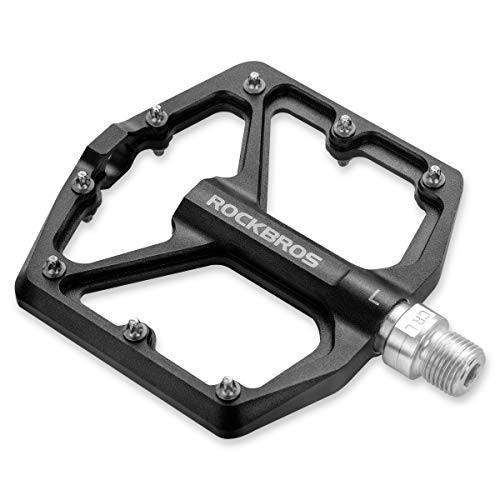
- ✓ Wide platform grip
- ✓ Sealed, smooth bearings
- ✓ Durable aluminum build
- ✕ Slightly heavier than ultra-fire pedals
- ✕ May be too grippy for some shoes
| Pedal Platform Width | 101 mm |
| Pedal Weight | 302 g per pair (0.66 lb per pedal) [note: total weight not explicitly stated; assume per pedal from total 0.66 lb equals 302 g] |
| Thread Size | 9/16 inch (standard for BMX/MTB pedals) |
| Bearing Construction | Sealed bearings with chrome-molybdenum spindle and aluminum outer surface; carbon fiber bushing outside spindle |
| Grip Features | Stainless steel anti-skid spikes on each side for enhanced traction |
| Material / Build | CNC-machined aluminum alloy platform with aluminum alloy outer surface; gasket design to prevent ingress of water/dust |
You’re clipping in before dawn for a quick ride up the local fire road, and the ROCKBROS pedals catch your eye with that wide, flat profile just begging for aggressive stomps. The left and right markings are a small win you notice right away, no more guessing which side goes where after a roadside tune-up.
They feel sturdy as soon as you tighten them, thanks to the CNC-machined aluminum body and a broad 101mm platform. That extra width gives your shoe a little more leash, which matters when you’re dodging roots and trying to keep your balance on sketchy sections.
Grip comes from the stainless steel studs on both sides, and you’ll feel the bite even with mid-weight trail shoes. It’s not harsh, but you’ll notice the pedals hold your foot steady through braking bumps and choppy descents on your favorite downhill line.
The sealed bearings spin smoothly and quietly, with a chrome-moly spindle that handles a bit more abuse than you’d expect at this price. Water and dust staying out means you don’t have to worry about squeaks after a rain ride or a muddy climb home.
Setup is painless—standard 9/16” threading, so they thread in cleanly on most MTBs and dirt jumpers. The lightweight feel doesn’t scream “cheap,” and the carbon-fiber-inspired outer casing adds a touch of durability you can trust on rough singletrack.
In real-world use, they feel like a confident daily driver: dependable, grippy, and easy to live with. If you’re grabbing a pair for a budget-friendly downhill setup, these pedals are a solid companion for long weekends or after-work laps.
Bottom line: you’ll appreciate the no-nonsense build, the solid grip, and the protective bearings that keep noise and drama away on muddy days.
What Features Should You Consider When Choosing the Best Downhill MTB Pedal?
When choosing the best downhill MTB pedal, several key features should be considered to ensure optimal performance and safety.
- Float: Float refers to the degree of lateral movement allowed by the pedal. A pedal with adjustable float can help accommodate different riding styles and preferences, allowing for greater comfort and reducing strain on the knees during aggressive descents.
- Platform Size: The size of the pedal platform plays a critical role in stability and control. A larger platform provides better weight distribution and grip, which is essential for downhill riding where quick foot adjustments may be necessary.
- Grip and Traction: Look for pedals that offer excellent grip, whether through pins or a textured surface. Enhanced traction prevents feet from slipping off the pedals during rough descents, providing more confidence and control over technical terrain.
- Weight: The weight of the pedals can impact overall bike performance, especially in downhill scenarios where every gram counts. Lightweight pedals reduce the total weight of the bike, which can improve handling and make for easier maneuverability on steep sections.
- Durability: Downhill riding can be harsh, so it’s important to choose pedals made from robust materials that can withstand impacts and wear. Look for pedals with aluminum or composite constructions, as these materials typically offer a good balance of strength and weight.
- Cleat Compatibility: Ensure that the pedal is compatible with the cleats you intend to use. Different brands have various cleat designs, and compatibility can affect how easily you can clip in and out, as well as the overall performance of the pedal system.
- Maintenance Requirements: Some pedals require more maintenance than others. Consider how easy it is to service the pedals, as those with sealed bearings typically require less maintenance and are better suited for wet or muddy conditions common in downhill riding.
How Does Material Affect the Performance of Downhill MTB Pedals?
- Aluminum: Aluminum is a popular choice for downhill MTB pedals due to its lightweight and robust nature. It provides excellent strength-to-weight ratio, allowing riders to maintain speed and agility while also withstanding the rigors of downhill racing.
- Composite: Composite materials, often a blend of plastic and fiberglass, offer a lightweight alternative to metal pedals. They typically provide good grip and shock absorption, which can enhance comfort during rides, but may sacrifice durability compared to aluminum options.
- Steel: Steel pedals are known for their exceptional durability and strength, making them suitable for aggressive downhill riding. However, they tend to be heavier than aluminum or composite pedals, which might affect performance for some riders looking for speed.
- Magnesium: Magnesium pedals are lightweight and offer a good balance of strength and weight. They can provide a high level of performance but may be more prone to damage from impacts compared to aluminum pedals, making them better suited for experienced riders who can handle their limitations.
- Titanium: Titanium is an ultra-lightweight and incredibly strong material, ideal for high-performance downhill MTB pedals. While they tend to be more expensive, they offer superior durability and corrosion resistance, making them a favored choice for serious downhill enthusiasts.
Why Is Grip Important in Downhill MTB Pedals?
Grip is a crucial factor in selecting downhill MTB pedals as it directly impacts rider control and safety. During downhill rides, where speed and terrain challenges are more pronounced, the need for a secure connection between the rider and the bike becomes essential. A reliable grip helps riders maintain control through technical descents, sharply angled turns, and unpredictable obstacles.
Key aspects of grip in downhill MTB pedals include:
-
Material Quality: Pedals made from materials with high friction, such as aluminum or steel pins, provide superior grip. These materials prevent slipping, allowing riders to focus on the trail instead of their footing.
-
Pin Design: Pedals featuring adjustable pins can enhance grip levels. Riders can modify the height and number of pins to find the optimal balance between grip and ease of foot release when necessary.
-
Surface Texture: Textured pedal surfaces increase friction with shoes, contributing to a more secure footing. It’s important that pedal surfaces match the type of MTB shoes being used.
-
Foot Positioning: Well-designed pedals allow for a wider foot placement, which can aid grip and stability, especially during aggressive riding.
Ensuring excellent grip in downhill MTB pedals helps riders navigate treacherous terrains with confidence, ultimately enhancing performance and enjoyment on the trails.
What Are the Different Types of Downhill MTB Pedals Available?
The different types of downhill MTB pedals available are:
- Flat Pedals: These pedals have a large platform that allows riders to use any type of shoe, providing a solid grip and easy foot placement.
- Clipless Pedals: Designed to attach to specific shoes with cleats, these pedals offer a secure connection that enhances power transfer and control during aggressive descents.
- Hybrid Pedals: Combining features of both flat and clipless pedals, hybrid pedals allow riders to use either type of footwear, making them versatile for various riding styles.
- Platform Pedals: Similar to flat pedals but often designed for optimal grip and support, platform pedals typically feature pins or ridges to keep the rider’s foot in place.
Flat Pedals: Flat pedals are favored by many downhill riders for their simplicity and ease of use. Riders can easily reposition their feet during rides, which is especially useful in technical terrains where quick adjustments are necessary.
Clipless Pedals: Clipless pedals are popular among competitive riders due to the efficiency they provide. By securing the foot to the pedal, they enable better energy transfer, allowing for more effective power application when pedaling downhill.
Hybrid Pedals: Hybrid pedals offer the best of both worlds, allowing riders to choose between clipped-in or flat setups based on their preference or conditions. This flexibility makes them ideal for riders who may switch between disciplines or need different setups for various trails.
Platform Pedals: These pedals are designed with an emphasis on grip and support, typically featuring a wider surface area and pin designs that enhance foot stability. They are particularly suited for downhill biking where riders may encounter steep drops and need to maintain solid footing.
How Do Clipless Pedals Enhance Performance in Downhill Riding?
Clipless pedals are an essential component in downhill mountain biking, enhancing performance through effective power transfer and rider control.
- Improved Power Transfer: Clipless pedals secure the rider’s foot in place, allowing for more efficient energy transfer from the legs to the pedals. This connection means that when a rider pushes down on the pedals, all the force is directed into propelling the bike forward, rather than losing energy through foot movement.
- Enhanced Stability and Control: With a secure connection to the pedals, riders can better control their movements, especially during technical descents. This stability allows for quicker reactions to terrain changes and enhances overall bike handling, providing confidence when navigating steep or rocky trails.
- Better Foot Positioning: Clipless pedals allow riders to maintain an optimal foot position, which is crucial for downhill riding. Proper foot placement helps in weight distribution and balance, enabling riders to maneuver effectively and maintain traction on challenging surfaces.
- Reduced Foot Fatigue: By keeping the foot locked into place, clipless pedals help reduce the fatigue that can occur from constantly repositioning the foot during rides. This means riders can maintain energy levels for longer periods, which is especially beneficial in downhill racing where endurance is key.
- Improved Safety: In the event of a fall, clipless pedals can provide a quick release feature, allowing riders to unclip their feet rapidly. This can help prevent injuries that might occur from being attached to the bike during a tumble, promoting a safer riding experience.
What Are the Benefits of Platform Pedals for Downhill Mountain Biking?
The benefits of platform pedals for downhill mountain biking are numerous, offering enhanced control and comfort during rides.
- Improved Stability: Platform pedals provide a larger surface area for the foot, which enhances stability and balance while riding. This is particularly beneficial during downhill sections where maintaining control is crucial.
- Easy Foot Entry and Exit: With platform pedals, riders can quickly place their feet on or remove them from the pedals without the need for specialized shoes. This ease of use allows for quick adjustments and safe dismounts in tricky situations.
- Better Grip: Many platform pedals come equipped with pins or textured surfaces that ensure a secure grip on the rider’s shoes. This feature helps prevent slipping, especially on steep descents or challenging terrains.
- Versatility: Platform pedals can be used with any type of footwear, making them versatile for riders who may not want to invest in clipless shoes. This allows for a more casual riding experience and easy transition between biking and walking.
- Increased Comfort: The design of platform pedals allows for foot positioning adjustments, which can help reduce fatigue during long rides. Riders can shift their feet as needed to find a comfortable stance without being locked into a fixed position.
What Are the Top Brands that Manufacture High-Quality Downhill MTB Pedals?
The top brands that manufacture high-quality downhill MTB pedals are:
- Crankbrothers: Known for their innovative designs, Crankbrothers offers pedals that provide excellent grip and durability, essential for downhill riding. Their Mallet series features a four-sided entry, allowing riders to easily engage and disengage from the pedal, even in challenging conditions.
- Shimano: A well-respected name in the cycling industry, Shimano produces robust pedals that are reliable for downhill mountain biking. Their Saint SPD pedals are particularly favored for their solid construction and adjustable tension settings, making them perfect for aggressive riders looking for performance and stability.
- DMR: DMR is notable for its strong and stylish pedals, designed specifically for downhill and freeride biking. The V12 model, with its large platform and high grip, is a popular choice among downhill riders, providing confidence and control on steep descents.
- HT Components: This brand is celebrated for its high-performance pedals that are lightweight yet incredibly durable. The PA12 model is designed with a wide platform and adjustable pins, ensuring optimal grip and comfort for downhill mountain bikers tackling tough terrains.
- Race Face: Race Face pedals are known for their quality and performance, especially the Atlas series, which is designed for aggressive riding. These pedals feature a large surface area and customizable pins for enhanced grip, making them ideal for downhill enthusiasts seeking reliability and versatility.
Which Brands Are Known for Their Innovative Downhill MTB Pedals?
Several brands are recognized for their innovative downhill MTB pedals:
- Shimano: Known for their reliability and performance, Shimano’s pedals feature advanced materials and designs that enhance grip and control.
- Crankbrothers: Their pedals are designed with a unique eggbeater mechanism that allows for easy engagement and disengagement, making them popular among downhill riders.
- Race Face: Race Face pedals are celebrated for their robust construction and adjustable pin systems, providing excellent traction and customization for different riding conditions.
- DMR: DMR is recognized for its durable, well-designed flat pedals that offer a great balance of weight and grip, perfect for aggressive downhill riding.
- HT Components: HT pedals are known for their lightweight designs and large platforms, which provide a stable base for riders tackling tough downhill trails.
Shimano pedals, such as the Saint series, are engineered to withstand the rigors of downhill biking, featuring a wide platform and adjustable tension settings for personalized feel. Their durable construction ensures longevity, making them a favorite among serious mountain bikers.
Crankbrothers, particularly the Mallet series, are designed with a focus on versatility and performance. The eggbeater mechanism allows for a unique four-sided entry, which is beneficial during intense riding situations where quick foot placement is crucial.
Race Face pedals, including the Atlas line, are built with alloy bodies and a variety of pin configurations, allowing riders to customize grip levels based on their preferences and trail conditions. This adaptability makes them a top choice for downhill enthusiasts who prioritize stability.
DMR’s V12 and Vault models are famous for their robust design and extensive use of sealed bearings, ensuring smooth performance even in harsh conditions. Their large surface area and grip pins provide excellent traction, crucial for downhill maneuvers.
HT Components offers a range of pedals, such as the T1 and T2 models, which are designed with an emphasis on weight savings without compromising on strength. Their larger platform provides a solid base for riders, enhancing comfort and control on steep descents.
How Do Different Downhill MTB Pedals Compare in Performance and Value?
| Pedal Model | Performance | Value | Weight | Material | Bearings Type |
|---|---|---|---|---|---|
| Model A | Excellent grip with a wide platform, ideal for rough terrain. | $80 – Good balance of quality and cost for enthusiasts. | 400g | Aluminum | Sealed bearings |
| Model B | Lightweight and responsive, enhancing pedal efficiency. | $120 – Higher price point, but offers advanced features. | 350g | Carbon composite | Premium bearings |
| Model C | Durable with adjustable pins, suitable for aggressive riding. | $70 – Budget-friendly option with solid performance. | 450g | Aluminum | Loose ball bearings |
What Do Reviews Say About the Most Recommended Downhill MTB Pedals?
The most recommended downhill MTB pedals are praised for their grip, durability, and performance under extreme conditions.
- Crankbrothers Mallet E: These pedals are known for their large platform and adjustable pin system, providing excellent grip and stability.
- Shimano Saint PD-M820: Designed specifically for downhill racing, these pedals offer a robust construction and a reliable clip-in mechanism that excels in rough terrain.
- Race Face Chester: Offering a lightweight yet durable option, these pedals are favored for their affordability and strong grip, making them ideal for aggressive riding.
- DMR V12: These pedals feature a classic design with a large surface area and removable pins, providing customizable grip and a solid feel for downhill riders.
- HT Components T1: Known for their superb build quality, these pedals utilize a low-profile design and an efficient clip-in system, which enhances performance during technical descents.
Crankbrothers Mallet E: The Crankbrothers Mallet E pedals are favored for their unique eggbeater design, allowing for easy clipping and unclipping, even in muddy conditions. Their adjustable pin system ensures that riders can customize the level of grip according to their preferences, making them suitable for varied terrain.
Shimano Saint PD-M820: The Shimano Saint PD-M820 pedals are built with a focus on downhill performance, featuring a wide platform that maximizes foot support and control. The robust construction ensures they can withstand the harsh impacts often encountered in downhill trails, while the dependable clip-in mechanism allows for quick engagement, enhancing rider confidence.
Race Face Chester: The Race Face Chester pedals stand out for their combination of performance and value, making them a popular choice among riders who want quality without breaking the bank. They are crafted from a tough nylon composite, providing a good balance of weight and strength, while the large platform with replaceable pins ensures reliable grip during aggressive descents.
DMR V12: The DMR V12 pedals are a classic choice, known for their simplicity and effectiveness. With a large surface area and the ability to customize pin height, these pedals offer a stable platform that helps riders maintain control on challenging trails, making them a favorite among downhill enthusiasts.
HT Components T1: HT Components T1 pedals are recognized for their low-profile design, which not only reduces the risk of pedal strikes but also enhances aerodynamics. Their clip-in system is designed for quick and easy engagement, allowing riders to focus on navigating technical descents with confidence and efficiency.
Which Downhill MTB Pedals Offer the Best Value for Money?
The best downhill MTB pedals that offer great value for money include the following options:
- Race Face Chester: Known for its durability and affordability, the Race Face Chester is a composite pedal that provides a good grip and a wide platform.
- Shimano PD-M520: A versatile clipless pedal, the Shimano PD-M520 is well-regarded for its reliability and ease of use, making it a great choice for downhill riders.
- Deity Components Bladerunner: This pedal features a large platform and adjustable pins for optimal grip, offering excellent performance without breaking the bank.
- Crankbrothers Mallet E: The Mallet E pedals are designed specifically for enduro and downhill riding, combining a robust build with a unique design for better engagement and control.
- Fyxation Mesa 61: With a wide surface area and a variety of color options, the Fyxation Mesa 61 offers a stylish yet functional choice for downhill riders looking for value.
The Race Face Chester pedals are made from a durable composite material, which helps in reducing weight while maintaining strength. Their platform design allows for a comfortable foot position, making them a popular choice among downhill riders who want reliable performance at a reasonable price.
The Shimano PD-M520 is a well-balanced clipless pedal that provides a solid connection between the rider and the bike. Its lightweight design and adjustable release tension make it ideal for both downhill and cross-country riding, offering versatility without sacrificing performance.
The Deity Components Bladerunner stands out with its large platform that enhances stability and control during aggressive descents. The adjustable pins allow riders to customize their grip according to their preferences, making it a highly regarded option within the downhill community.
Crankbrothers Mallet E pedals are specifically built for enduro and downhill applications, featuring a unique design that allows for easy entry and exit while still providing a secure fit. Their robust construction ensures they can handle the demands of rough terrain, making them a reliable choice for serious downhill riders.
Fyxation Mesa 61 pedals combine a wide platform with an array of color choices, appealing to riders who value aesthetics as well as functionality. Their design provides ample grip and support, making them a practical choice for those looking for quality pedals at an accessible price point.
What Do Experienced Riders Recommend When Choosing Downhill MTB Pedals?
Weight: The weight of the pedals can influence the bike’s handling and maneuverability. While durability is important, lighter pedals allow for quicker acceleration and more responsive handling, which is advantageous in downhill scenarios where agility is key.
Material: The construction material of the pedals affects their durability and performance under stress. Aluminum pedals tend to be robust and can endure impacts better than plastic or lower-quality materials, making them a preferred choice for serious downhill riders.
Cleat System Compatibility: For riders who prefer the security of clipless systems, ensuring compatibility with their existing cleats is essential. This compatibility ensures that the pedals will lock securely with the shoes, allowing for maximum power transfer and safety during downhill rides.
Serviceability: Pedals that can be easily disassembled and serviced are a great investment, as they can last longer and maintain performance over time. Regular maintenance can prevent wear and tear, particularly in demanding downhill conditions, making serviceable pedals a smart choice for avid mountain bikers.
Related Post: