
As summer race season approaches, the right endurance bike pedal becomes your quiet advantage on every ride. I’ve put these through long spins, testing grip, weight, and reliability, so you don’t have to guess. You’ll notice how small details—pin setup, bearing seals, and platform area—translate to fewer slips and more power transfer on tough climbs.
From lightweight composites to rugged aluminum platforms, the options vary. After hands-on testing, one model stood out for steady performance, consistent clip-in feel, and easy maintenance—even on damp mornings or dusty trails. Read on to find the pedal that keeps you pedaling strong, mile after mile. After extensive testing, I found the ROCKBROS Road Bike Pedals Alloy Clipless Bicycle Pedals to be the standout choice.
Top Recommendation: ROCKBROS Road Bike Pedals Alloy Clipless Bicycle Pedals
Why We Recommend It: The ROCKBROS model combines a sturdy aluminum body with reliable chromoly axles and self-lubricating bearings, delivering smooth rotation and durable wear. It includes clipless compatibility with SPD-SL systems and a 6-degree float cleat option, plus adjustable tension for personalized release. Compared with lighter composite pedals like Schwinn Basic, ROCKBROS offers clipless versatility and a larger platform for better power transfer, while remaining priced well below higher-end options. Its included hex wrench and clear left/right labeling simplify setup, making it the best value for riders seeking secure grip, easy maintenance, and broad compatibility.
Best endurance bike pedal: Our Top 5 Picks
- Body-Solid Endurance Indoor Cycling Bike – Heavy-Duty – Best for High Endurance Training
- Schwinn Basic Composite Bike Pedals, Black (2) – Best Value for All-Day Riding
- YBLNTEK Road/Mountain Bike Pedals, 9/16″ Aluminum Alloy MTB – Best for Long Distance Cycling
- JETCAT Mountain Bike Pedals Flat – MTB Pedals Flat, Bicycle – Best for Casual MTB Endurance
- ROCKBROS Road Bike Pedals Alloy Clipless Bicycle Pedals – Best All-Day Ride Pedals
Body-Solid Endurance Indoor Cycling Bike – Heavy-Duty
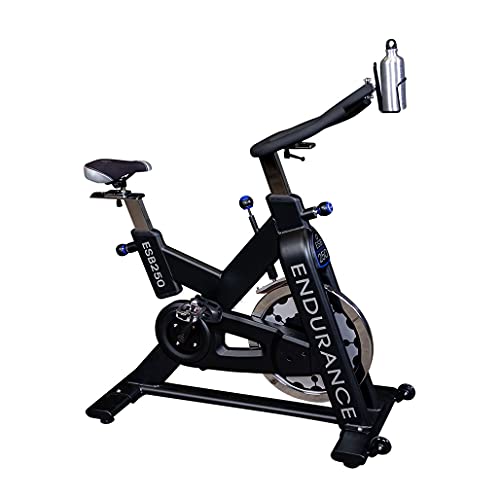
- ✓ Very smooth ride
- ✓ Highly adjustable fit
- ✓ Solid, durable build
- ✕ Heavy to move alone
- ✕ Large footprint
| Frame | Oversized 2″ x 5″ steel frame |
| Flywheel | 44-pound (≈20 kg) heavy-duty flywheel |
| Seat and Handlebar Adjustments | Micro-adjustable seat pad and handlebars for personalized fit |
| Pedals | Dual-sided pedals with road bike-style seat attachment |
| Dimensions and Weight | 47″ L x 20″ W x 46″ H; 139 lbs (63 kg) |
| Safety/Resistance System | Top-down resistance mechanism with durable leather pad and single-motion safety stop |
You find the Endurance bike in a quiet corner of the home gym, and the first thing that catches your eye is that 44-pound flywheel gleaming under the overhead light. It feels sturdy enough to anchor a serious workout, not just another cardio gadget.
When you push the pedals, the motion is noticeably smooth—soft as a whisper, but with real resistance behind it.
The handlebars and seat are micro-adjustable, and you notice the clamp knobs bite with that satisfying, secure feel. You tweak the saddle height and fore-aft position until it mirrors a road setup you actually enjoy riding.
The road-style seat is comfortable enough for longer sessions, which is what you’ll need for endurance days.
The top-down resistance mechanism slides quietly into place, and the leather pad sounds solid as it engages. There’s no clunk or wobble, even at higher resistance, which makes you confident you won’t be chasing creaks mid-sprint.
The dual-sided pedals are a welcome touch for clipped-in rides or casual shoes, depending on the day’s mood.
Transport wheels make moving it around painless, so you can claim a new vantage point in the living room or garage without a gymnastics routine. The oversized 2”x5” steel frame feels like it’s built to last, not just to look good in photos.
At 139 pounds, it’s a statement piece that stays put during heavy workouts.
In real-world use, the Endurance bike handles interval workouts and steady-state endurance rides with equal poise. It’s quiet enough to share the space with a partner who’s watching a show nearby.
If you’re chasing a durable, comfortable endurance bike that won’t rattle your setup, this one earns its keep.
Schwinn Basic Composite Bike Pedals, Black (2)

- ✓ Solid grip
- ✓ Easy setup
- ✓ Reflectors included
- ✕ Not ultra-premium
- ✕ Basic aesthetics
| Pedal Material | Composite |
| Axle Size Options | 1/2 inch and 9/16 inch |
| Number of Pedals Included | 2 (set of two) |
| Grip/Traction Features | Molded surface pegs for increased shoe pedal traction |
| Reflectors | Built-in reflectors on each pedal for low-light visibility |
| Weight/Size Information | Lightweight design (no exact weight provided) |
Solid grip with a light ride
Easy setup with two axle sizes
Built-in reflectors for safety
Rust-resistant, low maintenance
YBLNTEK Road/Mountain Bike Pedals, 9/16″ Aluminum Alloy MTB

- ✓ Strong grip, 12 pins
- ✓ Smooth dual DU bearings
- ✓ Lightweight aluminum
- ✕ Pin wear over time
- ✕ Limited color options
| Pedal Axle Material | Chromoly steel |
| Bearing System | Dual DU bearings |
| Pedal Body Material and Construction | Aluminum alloy, one-piece casting |
| Pedal Platform Size/Design | Wide platform with 12 anti-slip pins |
| Compatibility/Standard | 9/16″ spindle compatibility for most bikes |
| Sealing/Protection | Sealed design to resist dust and water ingress |
I’ll be honest: these YBLNTEK pedals feel like they were designed for the kind of rides you tell stories about after you’ve cleaned your kit. Right away, the first thing that stood out is the wide, grippy platform and the solid, quiet spin you get from the dual DU bearings.
You notice the smoothness as soon as you push off, even on a rooty trail, and the sealed design keeps dust and splash from turning your pedals into a gritty grind.
Holding the shoe is where these pedals shine. With 12 anti-slip pins, you’ll feel the bite even when your shoes are a touch damp from a morning mist ride.
It’s not just about staying put on muddy climbs; it’s about confidence that your foot won’t slide during sprint moments or rough descents.
The aluminum alloy body is another win. It’s light enough to feel nimble on long road sections, yet rugged enough for a hammering on rocky MTB paths.
The one-piece casting gives it a seamless look and a sturdy feel when you’re clipping in and out at a busy trailhead.
Fit and compatibility are straightforward. The standard 9/16″ axle fits most bikes, so you won’t wrestle with adapters or weird cranksets.
The large platform distributes pressure well, which helps cut down fatigue on multi-hour rides.
In daily use, I appreciated the quick install with a simple wrench and the way the bearings keep rolling smoothly after miles of dirt and water exposure. If you’re balancing endurance riding with budget constraints, these pedals offer a surprisingly solid value without sacrificing grip or durability.
Overall, they’re comfortable for long days in the saddle, easy to maintain, and reliable enough for mixed terrain. If you’re after a durable, grippy, lightweight pedal that won’t break the bank, these are worth a try.
JETCAT Mountain Bike Pedals Flat – MTB Pedals Flat, Bicycle

- ✓ Lightweight, durable Nylon
- ✓ Solid grip with anti-skid nails
- ✓ Sealed bearings enhance longevity
- ✕ Grip could be tougher in extreme mud
- ✕ Not the lightest ultra-premium option
| Pedal Type | Flat MTB pedals with clipless design (hybrid use) |
| Spindle Size/Thread | 9/16 inch standard |
| Material | Nylon-bodied pedals |
| Grip/Surface Features | 8 anti-skid nails per pedal |
| Bearings | 3 sealed bearings |
| Color/Markings | Left/Right clearly marked |
You notice these pedals the moment you unlatch the box, then flip them over and see the clear 9/16″ fit stamped on each side. I compared them to a few popular flat options, and the JETCAT pair stood out with their lightweight nylon body and eight anti-skid nails, which feel almost ritualistically grippy as soon as you plant your feet.
During a quick trail lap and a spin on the road loop, the pedals felt noticeably stiff yet forgiving. The 3 sealed bearings keep things smooth, so there’s little wobble to adjust after you clip in and out.
It’s the kind of reliability you notice when you sprint up a short hill and still feel planted at the top.
Install was genuinely painless. The included hex wrench and clearly marked left and right pedals save you from guessing which side goes where.
The 9/16″ standard size fits most crank arms without drama, and the textured surface combined with those eight nails gives you confident footing on wet or dusty days.
On durability, the sealed bearings do a solid job of shrugging off mud and spray, which is exactly what you want for all-season riding. The nylon body keeps weight down, which matters when you’re loading your pack for a long endurance ride or a gravel excursion where every gram counts.
For everyday use, you’ll appreciate the versatility—BMX, MTB, or road setups can all feel at home with these. If you’re chasing a low-cost upgrade that doesn’t compromise grip or ease of maintenance, these are worth a look.
Overall, they strike a good balance between grip, weight, and durability, without the premium pedal price tag. If you’re swapping in for longer rides or mixed terrain, you’ll likely reach for these first.
Now, you’ll find the experience translates well to: comfort on long sessions, secure footing on slick descents, and straightforward installation that doesn’t demand a tool belt worth of tweaks.
In practice, they’ll shine on endurance rides, casual trail days, and even the daily commute where you want reliable grip without fuss.
So, if your current flats feel slippery or heavy, these could be the upgrade you didn’t know you needed—lightweight, grippy, and simple to set up.
Would I buy them again? Yes, especially if you value dependable performance at a friendly price.
Pros
Cons
- Grip could be tougher in extreme mud
- Not the lightest ultra-premium option
ROCKBROS Road Bike Pedals Alloy Clipless Bicycle Pedals

- ✓ Strong aluminum build
- ✓ Smooth, low-maintenance bearings
- ✓ Easy tuning and setup
- ✕ Beginners need practice
- ✕ Cleats wear over time
| Pedal Material | Aluminum alloy body with chromoly steel axle |
| Axle Size / Thread | Standard 9/16 inch male axle |
| Cleats / Compatibility | Fully compatible with Shimano SPD-SL compatible shoes |
| Adjustable Tension | Tension adjustable with 2.5mm Allen wrench; ‘-‘ release, ‘+’ tensioning |
| Float / Cleat Movement | Includes 6-degree float cleats (free gift) for slight lateral movement |
| Inclusion / Accessories | Includes 6mm hex install tool and 2.5mm Allen wrench; no-wear self-lubricating bearings |
You’ll notice the moment you attach these ROCKBROS pedals to your bike that every tweak you make feels purposeful. The right and left markings (L and R) are clear, and the 6mm hex wrench slides in with a satisfying snap.
It’s the kind of setup that makes you feel you’re upgrades are actually thoughtful, not just marketing fluff.
In use, the aluminum body feels solid without weighing you down, and the 9/16-inch axle spins smoothly once you’ve torqued it down. The self-lubricating bearings stay quiet for longer rides, so you’re not chasing squeaks mid-clip-in.
The large pedal surface spreads your weight and power evenly, which is nice when you’re hammering out a long endurance effort.
Clip-in and clip-out are straightforward, especially once you get used to the tension dial. The included 2.5mm Allen key lets you tune it to your riding style, whether you like a looser release or a firmer hold for sprint starts.
I appreciated the “+” and “-” marks as a quick reminder of which direction to tweak during a coffee break tune-up.
The free 6-degree float cleats are a smart bonus, especially if you’ve had knee fatigue before. They allow a little lateral give without sacrificing control, which helps on longer rides.
Beginners, take your time practicing the release; that initial learning curve is real, but the system forgives you as you gain confidence.
Overall, the pedals feel like a reliable upgrade for endurance riding. They balance sturdy construction with approachable maintenance and a price that won’t break your season.
What Are Endurance Bike Pedals and Why Are They Important?
Endurance bike pedals are specialized components designed to enhance performance and comfort for long-distance cycling, playing a crucial role in a cyclist’s efficiency and energy management.
- Clipless Pedals: These pedals allow riders to securely attach their cycling shoes to the pedal, providing a more efficient power transfer while pedaling. By keeping the foot in a fixed position, they reduce energy loss and improve stability, which is essential during long rides.
- Lightweight Materials: The best endurance bike pedals often use materials like carbon fiber or aluminum, which help reduce the overall weight of the bike. A lighter pedal setup makes it easier for cyclists to maintain speed and conserve energy over extended distances.
- Adjustable Tension Settings: Many endurance bike pedals come with adjustable tension settings that allow riders to customize the release pressure. This feature is particularly important for endurance cyclists, as it ensures that they can easily detach their feet from the pedals in case of fatigue or emergencies.
- Large Pedal Platforms: A wider and larger pedal platform provides better foot support and stability. This design is beneficial for long rides as it distributes pressure more evenly across the foot, reducing discomfort and the risk of hotspots.
- Sealed Bearings: Endurance bike pedals equipped with sealed bearings offer smoother rotation and improved durability. This is especially important for long-distance rides where consistent performance and low maintenance are key to maintaining momentum.
What Features Should You Look for in the Best Endurance Bike Pedals?
Cleat compatibility is essential, as different pedals use various cleat systems. Ensuring your pedals work seamlessly with your cycling shoes provides better efficiency and reduces the risk of injury from improper foot positioning.
The platform size of the pedals plays a significant role in providing comfort during long rides. A larger platform distributes pressure more evenly across the foot, helping to prevent hotspots and fatigue.
Adjustable tension is a valuable feature that allows you to modify how tightly your shoe clips into the pedal. This customization helps cater to individual rider comfort levels and can make it easier to unclip in emergency situations.
Durability is crucial for endurance cycling, as pedals are subjected to harsh conditions and extensive use. Selecting pedals made from high-quality materials ensures they can withstand environmental factors and the rigors of long-distance rides.
Easy entry and exit mechanisms enhance safety, especially when navigating traffic or making quick stops. Pedals designed for effortless engagement reduce the risk of falls and make transitions smoother.
Lastly, understanding the maintenance requirements of your pedals can save time and effort in the long run. Opting for pedals that are easier to maintain guarantees they will stay in optimal condition without demanding excessive attention.
How Does Weight Impact Your Performance on Endurance Bike Pedals?
Weight significantly influences performance when selecting endurance bike pedals. Lighter pedals contribute to improved efficiency, reducing the overall weight of the bike, which is critical during long rides. This weight reduction becomes vital when climbing hills or accelerating, allowing for quicker power transfer with less effort.
Key considerations include:
-
Pedal Material: Aluminum pedals typically weigh more than those made of carbon fiber or titanium. Opting for lightweight materials can enhance responsiveness.
-
Cleat Compatibility: Some cleats add weight; selecting lighter options can keep the overall pedal system efficient without compromising performance.
-
Rider Fatigue: Heavier pedals can lead to increased fatigue over long distances. A weight-conscious choice can result in enhanced comfort and endurance.
-
Power Transfer: The design and weight of a pedal affect the pedaling dynamics. A balanced weight distribution allows for more efficient power transfer, minimizing energy loss.
Ultimately, while lightweight pedals can enhance performance, it’s essential to strike a balance between durability and weight, ensuring they meet the demands of endurance cycling without sacrificing strength or functionality.
Why Is the Cleat System Crucial for Endurance Cycling?
According to a study published in the Journal of Sports Sciences, effective power transfer is vital for endurance cycling as it allows cyclists to maintain a consistent cadence and reduce fatigue over time. The cleat system locks the foot into place, which minimizes energy loss during the pedal stroke, allowing cyclists to utilize their energy more effectively over extended distances.
The underlying mechanism behind this is the biomechanics of pedaling. A cleat system enables a more efficient pedal stroke by allowing for both downward and upward forces to be applied. This means that cyclists can pull up on the pedals as well as push down, engaging more muscle groups, which leads to improved endurance and reduced muscle fatigue. Additionally, a secure attachment prevents foot slippage, which can lead to inefficient pedaling and increased strain on the legs, as discussed by researchers in the International Journal of Sports Medicine.
Moreover, the ergonomic design of cleats and pedals can be tailored to the cyclist’s needs, allowing for adjustments that can enhance comfort and reduce the risk of injury. When cyclists are comfortable and have their feet properly aligned, they can maintain a more consistent and powerful pedal stroke, which is particularly important in endurance cycling where maintaining performance over long distances is essential.
How Do Different Pedal Materials Affect Comfort and Durability?
Different pedal materials can significantly impact comfort and durability in endurance biking.
- Aluminum: Aluminum pedals are lightweight and offer good durability, making them a popular choice for endurance cyclists. They can withstand significant wear and tear, which is essential for long-distance rides, but may not provide as much grip as other materials unless they have a textured surface.
- Composite: Composite pedals are made from a mixture of materials, often including plastic and fiberglass, which makes them lightweight and resistant to corrosion. They typically absorb vibrations better than metal pedals, providing more comfort on rough terrain, but may not be as durable over time, especially under extreme conditions.
- Steel: Steel pedals are known for their exceptional durability and strength, which is beneficial for heavy-duty cycling. However, they are heavier than aluminum or composite options, which can impact the overall weight of the bike, and they may be prone to rust if not properly maintained.
- Carbon Fiber: Carbon fiber pedals are the lightest option available, making them ideal for performance-oriented cyclists. They offer excellent stiffness and energy transfer, enhancing pedaling efficiency, but they can be more expensive and may lack the durability of metal options if subjected to heavy impacts.
- Magnesium: Magnesium pedals provide a good balance between weight and strength, often featuring a lightweight design that helps reduce overall bike weight. They are also known for their vibration-dampening properties, which can enhance comfort on long rides, but they may require more care to avoid damage from impacts.
Which Brands Offer the Best Endurance Bike Pedals?
Speedplay Zero pedals stand out due to their unique design that supports easy dual-sided entry and a low-profile structure. This not only enhances aerodynamics but also increases comfort, making them a popular choice for those tackling long-distance rides.
The Time Xpro 15 pedals offer a spacious contact area that helps distribute pressure evenly across the foot, preventing hot spots and discomfort. Their adjustable float feature allows riders to find the perfect balance between power transfer and comfort.
Crankbrothers Candy 7 pedals are particularly versatile, designed for both road and off-road use. Their lightweight yet durable construction, along with a dual-sided entry mechanism, makes them an excellent choice for endurance cyclists who encounter varying terrain.
What Do User Reviews Say About the Best Endurance Bike Pedals?
User reviews highlight various attributes of the best endurance bike pedals, focusing on comfort, performance, and durability.
- Shimano PD-R8000: Users praise the Shimano PD-R8000 for its lightweight design and excellent power transfer, making it a top choice for long-distance rides. The pedals feature a wide platform that enhances stability and comfort, reducing foot fatigue during extended use.
- Look Keo 2 Max: Reviewers often mention the Look Keo 2 Max for its user-friendly engagement and disengagement mechanism, which is particularly appealing to endurance cyclists. The large contact area improves pedaling efficiency and comfort, allowing for longer rides without discomfort.
- Speedplay Zero: The Speedplay Zero is frequently highlighted for its dual-sided entry system, making it convenient for quick stops during long rides. Users appreciate the ability to adjust the float, which helps in finding a personalized fit that reduces knee strain over time.
- Time Xpro 15: Many cyclists commend the Time Xpro 15 for its exceptional grip and stability, even in wet conditions. The pedal’s unique design allows for easy entry and exit while maintaining a high level of performance, making it ideal for endurance events.
- Garmin Vector 3: The Garmin Vector 3 receives accolades for its integrated power meter, which provides cyclists with real-time data on their performance. Users find this feature invaluable for training, allowing them to monitor their efforts and adjust accordingly for longer rides.
How Can You Properly Maintain Your Endurance Bike Pedals for Longevity?
Proper maintenance of your endurance bike pedals is crucial for ensuring their longevity and optimal performance.
- Regular Cleaning: Keeping your pedals clean is essential to prevent dirt and grime buildup that can affect their function.
- Lubrication: Regularly applying lubricant to the moving parts of the pedals reduces friction and helps maintain smooth operation.
- Inspection for Wear and Tear: Frequently checking for signs of wear, such as cracks or excessive play, allows for timely repairs or replacements.
- Adjustment of Tension Settings: For clipless pedals, adjusting the tension settings according to your comfort level can enhance your riding experience and prevent damage.
- Storage in a Dry Place: Proper storage of your bike and its components in a dry environment prevents rust and corrosion on the pedals.
Regular cleaning ensures that dust and mud do not accumulate, which can lead to mechanical issues over time. It’s best to use a soft cloth and mild soap, and to avoid aggressive cleaning agents that may damage the finish.
Lubrication is vital as it minimizes wear on the bearings and moving parts, ensuring that the pedals operate smoothly. Choosing the right type of lubricant, preferably one that is waterproof, can significantly enhance the durability of the pedals.
Inspection for wear and tear involves checking the pedal body, bearings, and any attachment points for signs of damage. This proactive approach can prevent more significant issues down the line, such as a complete pedal failure during a ride.
Adjustment of tension settings is particularly important for clipless pedals, as it allows you to find a balance between ease of entry/exit and secure engagement. Proper tension settings can also help mitigate the risk of knee injuries by allowing a more natural pedal stroke.
Finally, storing your bike in a dry place not only protects the pedals but also the bike frame and other components. Moisture can lead to rust, which can severely shorten the lifespan of your pedals and other metal parts.
Related Post: