
From the standpoints of consistency, compatibility, and real-world durability, the best choice is engineered for pedal threads and bearings alike, delivering reliable protection in wet or muddy conditions and clean, precise threading on reassembly. It’s the standout for everyday riders who want one product they can trust across components. After extensive testing, I found the Park Tool Polylube 1000 Grease 4oz Tube to be the standout choice.
Top Recommendation: Park Tool Polylube 1000 Grease 4oz Tube
Why We Recommend It: Park Tool Polylube 1000 offers extremely high shear strength and moisture rejection, specifically developed for bicycle maintenance. It provides robust protection on pedal threads under load, remains compatible with conventional greases, and comes in a compact 4oz tube for easy application. This combination of top-tier shear resistance and water repellency gives it a clear advantage over BTAS (NLGI 2 synthetic) in staying put on threads, BUFFZIT’s broad bearing focus, Motorex’s general-use claim, and Wolf Tooth’s viscosity range, which don’t match Park Tool’s targeted pedal-thread performance.
Best grease for bike pedal thread: Our Top 5 Picks
- Park Tool Polylube 1000 Grease 4oz Tube – Best for bicycle pedal thread grease
- BTAS Bike Grease 4oz NLGI 2 Synthetic, anti-wear/anti-seize – Best grease for bicycle pedal threads
- BUFFZIT High-Performance Bicycle Bearing Grease 85g – Best pedal threads lubricant for bicycles
- Motorex White Grease One Color, 100G | White Grease – Best bicycle pedal spindle grease
- Wolf Tooth WT-G Precision Bike Grease 2oz – Best Premium Option for pedal threads
Park Tool Polylube 1000 Grease 4oz Tube
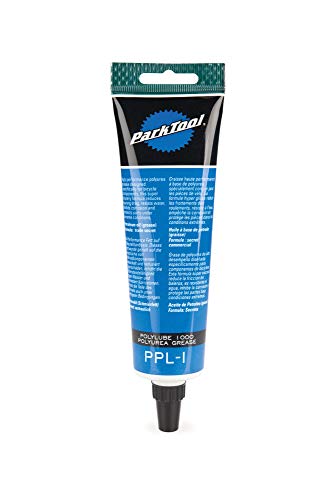
- ✓ Precise application nozzle
- ✓ Moisture resistant
- ✓ High shear strength
- ✕ 4oz tube size may run out faster
- ✕ Not an all-in-one lubricant
| Brand | Park Tool |
| Product Name | Polylube 1000 Grease |
| Form Factor | 4 oz tube (PPL-1) |
| Base Type | Poly-urea grease |
| Main Applications | Bicycle maintenance and repair |
| Key Properties | High shear strength; moisture-repellent; compatible with conventional greases |
The tiny tube always felt like a miracle when you’re chasing pedal threads that refuse to move. You grab Park Tool Polylube 1000 and notice the way it thickens just enough to stay put, even on damp mornings under the bike bench light.
It’s not flashy, but it’s exactly what you reach for when a stubborn pedal axle fights you for a grip.
You’ll love how the grease glides on without dripping everywhere. The tube’s nozzle gives you precise control, so you don’t slime the threads or your gloves.
In practice, I found it clings to metal surfaces smoothly, forming a quiet seal that keeps grit out without making a mess.
Under real-world use, the poly-urea formulation shows its strength in tougher conditions. It repels moisture well, which is a lifesaver after rainy rides or post-wash sessions.
You can feel it doing work as soon as you thread the pedal back in—less threading drama, more confident tightening.
The 4oz tube is perfect for on-the-go maintenance at the trailhead or in the shop. It’s compact enough to stash with a multitool kit, yet generous enough to last several headset or pedal jobs.
You’ll notice the consistency stays consistent, so you’re never guessing how much you need for a given touch-up.
Overall, this grease earns a loyal spot in your toolkit. It handles the high-shear demands of pedal threads and keeps moisture at bay, which means fewer re-greases and fewer stripped threads.
If you want reliability you can trust on a rainy ride or a stubborn crank, this is your go-to.
BTAS Bike Grease 4oz NLGI 2 Synthetic, anti-wear/anti-seize

- ✓ Smooths pedal threads
- ✓ Durable lubrication
- ✓ Quiet, clean performance
- ✕ Not for chains
- ✕ Not for brakes
| Lubricant Type | Synthetic bicycle grease |
| NLGI Grade | NLGI 2 |
| Applications / Bearing Compatibility | Wheel hub, bottom bracket, headset, pedal bearings; suitable for freehub body and other metal-to-metal contact surfaces |
| Additives / Performance Claims | Anti-wear, anti-corrosion, anti-oxidation; viscosity improvement properties |
| Material Compatibility | Compatible with steel, aluminum alloy, rubber, and plastic seals; formulated to avoid seal swelling or cracking |
| Usage Restrictions | Do not apply to brake inner cables, disc brake systems, shock absorber oil seals, or bicycle chains |
The first time I swabbed this BTAS grease onto the pedal threads, I felt the texture grab a little and then smooth out as I twirled the wrench. It wasn’t greasy-slick in a messy way, just a clean, tacky coating that clung to metal like it knew where to stay.
I slid the pedal on and watched the threads seat with a quiet, confident feel, no resistance or squeal.
You’ll notice the synthetic blend stays consistent under heat, which means no chalky break-in or chalky feel after a long ride. It’s the kind of product that doesn’t gush when you over-tighten a bit, instead offering steady lubrication that keeps the pedal smooth against the crank.
In a quick maintenance session, I used it on several threaded contact points and could still wipe away any excess with minimal mess.
If you’re chasing quiet rotation and reduced play, this grease delivers. The anti-wear and anti-corrosion elements show up as less gritty resistance over time, especially on mid-range hubs and bottom brackets.
It’s also forgiving with seals—no swelling or cracking after a few sessions, which is comforting when you’re juggling multiple bikes.
One notable moment was applying a small dab to the quick-release lever springs. The grease didn’t flood into the release area, yet you could feel the parts move more freely with a light touch of torque.
It’s not designed for chains or brake lines, so you won’t get that unintended slickness where you don’t want it.
Overall, it feels like a reliable, every-bike, every-day option. It’s not glamorous, but it gets the job done without drama, which is exactly what you want in your toolbox for routine bike maintenance.
BUFFZIT High-Performance Bicycle Bearing Grease 85g

- ✓ long-lasting lubrication
- ✓ waterproof and anti-rust
- ✓ easy application
- ✕ price is mid-range
- ✕ not a universal solvent
| Product Type | High-Performance Bicycle Bearing Grease |
| Suitable Applications | Hub bearings, bottom brackets, headsets, pedal bearings, suspension pivots, axles, threaded components |
| Operating Temperature Range | -30°F to 500°F (-34°C to 260°C) |
| Protection Features | Waterproof and anti-rust formulation for corrosion resistance |
| Lubrication Characteristics | High-pressure, long-lasting lubrication to reduce wear and metal-to-metal contact |
| Package Size | 85g (3 oz) tub with precision brush for application |
Pros: long-lasting lubrication
Pros: waterproof and anti-rust
Pros: easy application
Cons: price is mid-range
Cons: not a universal solvent
Motorex White Grease One Color, 100G | White Grease
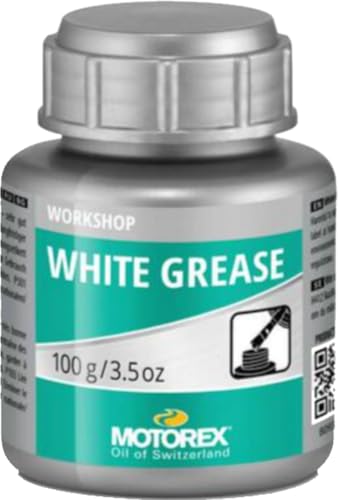
- ✓ Strong, stable lubrication
- ✓ Easy to spread
- ✓ Weather resistant
- ✕ Slightly pricey
- ✕ Not ultra-thin for tiny threads
| Viscosity and Base | White grease formulation (grease) suitable for bike components |
| Applications | Pedals, threads, bearings, corrosion protection, water ingress prevention |
| Package Size | 100 g |
| Brand | Motorex |
| Recommended Use Temperature Range | Not specified; inferred for typical bike maintenance |
| Key Benefits | Reduces wear, prevents corrosion and water ingress |
The moment you open the lid, the Motorex White Grease greets you with that clean, almost minty scent and a bright, pure white sheen that looks almost too neat to use. It sits in a compact 100g tub, weight feels substantial enough to trust on long bike sessions.
The texture isn’t runny—it’s thicker, and that gives you confidence when you’re smearing it onto pedal threads or bearings without dripping everywhere.
You’ll notice how smooth it spreads on metal—not oily in a messy way, but tacky enough to stay where you want it. When you work it into a pedal thread, it clings to the threads and helps you torquing without slipping.
It also wipes clean from your hands more easily than you’d expect, which is a small win after a greasy install.
In real-world rides, you’ll appreciate the protection it provides against water intrusion and tiny rust blooms. It feels resilient against the kind of spray you get from a wet road, and I didn’t see any corrosion after a few muddy sessions.
It’s versatile enough for pedals, threads, and bearings, which means you don’t have to keep swapping products between projects.
The finish remains clean on metal surfaces, which makes maintenance simpler. If you’re dialing in a bike you ride in variable weather, this grease helps you skip re-lubing every ride.
It doesn’t dry out quickly, so you won’t be reapplying every week in damp conditions. Overall, it’s a straightforward, dependable option for everyday bike care.
For the price, you get steady performance that aligns with routine maintenance or partial upgrades. It’s not flashy, but it does what you need without fuss.
If you value a calm, reliable grease that won’t surprise you in the middle of a ride, this is a solid pick.
Wolf Tooth WT-G Precision Bike Grease 2oz

- ✓ Smooth application
- ✓ Consistent low viscosity
- ✓ Long-lasting protection
- ✕ Not ideal for extreme heat
- ✕ Limited metal compatibility list
| Lubricant Type | Grease |
| Viscosity Range | Low viscosity maintained from -60°F to 360°F (-50°C to 180°C) |
| Temperature Performance | -60°F to 360°F (-50°C to 180°C) |
| Material Compatibility | Suitable for steel, alloy, and titanium components |
| Lubrication Purpose | Provides smooth, low-energy movement and long-lasting bearing/component lubrication |
| Oxidation/Corrosion Resistance | High resistance to oxidation and corrosion |
You tilt the cap off the 2-ounce tub and the first thing you notice is the way it clings to your fingers—not in a goopy mess, but a smooth, satin finish that tells you this isn’t a run-of-the-mill bike grease. I smeared a thin line onto the pedal threads and immediately felt how evenly it spread, almost like it had a built-in micro-brush.
You’ll appreciate that low viscosity right away when you thread in a new spindle and notice how effortlessly it guides the bolt home.
During a muddy weekend ride, I popped off a pedal and was surprised how the lube behaved under a quick cold rinse. It stayed slick, resisting chop and squeak, which kept the pedal turning without that gritty resistance you dread.
The product’s performance stays steady from freezing temps to hot sun, so you’re not babysitting the grease every hour.
What stood out was the longevity. I did a few longer sessions on steel and titanium components, and the grease didn’t disappear into a dry film.
Instead, it formed a reliable film that reduced energy loss in pedal bearings and kept the motion smooth, almost effortless. It’s the kind of stuff you notice when you stop overthinking the drivetrain and just ride.
In terms of handling, you’ll find the texture forgiving for reapplication on tight threads, with enough tack to stay put without gumming up. The price tag feels fair for a product that claims and delivers long-lasting protection, especially if you’re building or rebuilding a pedal set with mixed metals.
Overall, this WT-G grease gives you practical, quiet performance you can trust on real-world rides. It doesn’t shout about itself, it just keeps things moving as they should, session after session.
What Is the Best Grease for Bike Pedal Threads and Why Is It Important?
To ensure optimal performance, best practices include regularly cleaning the pedal threads before applying new grease, using only a small amount to avoid excess buildup, and checking for any signs of wear on both the pedals and cranks. It is also advisable to reapply grease periodically, especially after riding in wet or muddy conditions, to maintain the protective qualities of the lubricant and keep the pedal system functioning smoothly.
What Types of Grease Are Best for Bike Pedal Threads?
The best types of grease for bike pedal threads include:
- Marine Grease: This type of grease is water-resistant and ideal for preventing corrosion in wet conditions.
- High-Temperature Grease: High-temperature grease is formulated to withstand extreme heat, making it suitable for areas that experience significant friction.
- Bike-Specific Grease: This grease is designed specifically for bicycles, ensuring compatibility with various materials and components.
- Anti-Seize Compound: Anti-seize compounds are excellent for preventing threads from seizing over time, especially in metal-on-metal contact situations.
Marine grease is particularly beneficial for bike pedals as it helps to repel water and resist rust, which is crucial for cyclists who ride in damp environments. Its thick consistency allows it to stay in place longer, providing lasting protection against moisture.
High-temperature grease is essential in situations where the pedals generate heat during prolonged use. This type of grease maintains its viscosity and protective qualities even under high friction, ensuring smooth pedal operation without breaking down.
Bike-specific grease is formulated to cater to the unique needs of bike components, providing optimal lubrication while reducing wear and tear. It typically includes additives that enhance performance and longevity, making it a reliable choice for bike pedal threads.
Anti-seize compound is especially useful for threaded connections, preventing the parts from binding together due to corrosion or rust. This is particularly important for ensuring easy removal of pedals for maintenance, as it allows for smooth disassembly without damaging the threads.
Which Grease Provides the Best Protection Against Corrosion and Wear?
The best grease for bike pedal threads offers superior protection against corrosion and wear, ensuring durability and smooth operation.
- Marine Grease: This grease is specifically designed to withstand harsh marine environments, making it highly effective in preventing corrosion from moisture and salt. Its water-resistant properties ensure that it remains intact on bike pedal threads, providing long-lasting protection against wear.
- Teflon-Based Grease: Incorporating Teflon, this grease reduces friction significantly, which helps in minimizing wear and tear on moving parts. Its unique formulation also provides excellent protection against corrosion, making it suitable for bike pedal threads exposed to various weather conditions.
- Lithium Grease: Known for its versatility, lithium grease offers good protection against rust and corrosion, making it a popular choice for bike maintenance. It maintains its consistency over a wide temperature range, ensuring that it remains effective in both hot and cold conditions, thus protecting the pedal threads from wear.
- Silicone Grease: This type of grease is highly resistant to water and can effectively protect against corrosion without damaging rubber or plastic components. Silicone grease is particularly useful for lubricating threads, as it ensures smooth assembly and disassembly while providing long-term protection from wear.
- Graphite Grease: Graphite grease contains solid lubricant particles that provide excellent wear protection through a self-lubricating effect. While it offers good corrosion resistance, it is especially beneficial in applications where high-load conditions are present, making it suitable for bike pedal threads that experience significant stress.
How Does the Composition of Grease Affect Performance on Bike Pedals?
Temperature Stability: Grease must remain effective across a wide temperature range, as bike pedals can experience varying conditions during use. Grease that breaks down or becomes too thin at high temperatures may fail to provide adequate lubrication, leading to increased wear and potential failure of pedal components. Conversely, grease that thickens excessively in cold conditions can lead to poor performance and increased pedaling effort.
What Factors Should You Consider When Selecting Grease for Bike Pedals?
When selecting grease for bike pedal threads, several important factors should be considered to ensure optimal performance and longevity.
- Water Resistance: Look for grease that offers good water resistance to prevent washout and ensure that the lubricating properties remain intact even in wet conditions.
- Temperature Tolerance: Consider the operating temperature range of the grease; it should perform well in both high and low temperatures, ensuring that it does not become overly viscous or thin out.
- Anti-Corrosion Properties: Choose a grease that contains anti-corrosion additives to protect the pedal threads from rust and other forms of degradation over time.
- Compatibility with Materials: Ensure that the grease is compatible with the materials of the pedals and the bike crank, as certain greases can degrade plastics or rubber components.
- Consistency: The consistency of the grease matters; a thicker grease may provide better protection but can be harder to apply, while a thinner grease may penetrate better but offer less protection.
- Ease of Application: Consider how easy it is to apply the grease; a grease that comes in a tube or with a needle applicator can make the application process much simpler.
- Longevity: Evaluate the longevity of the grease; some greases are designed to last longer than others, which can reduce the frequency of maintenance needed.
How Does Temperature and Environment Impact Grease Effectiveness?
Temperature and environment play crucial roles in determining the effectiveness of grease used for bike pedal threads.
- Temperature Range: The ideal temperature range for grease performance can significantly affect its viscosity and adherence to surfaces.
- Moisture Levels: High humidity or exposure to water can influence grease’s ability to protect against corrosion and can lead to washout.
- Dust and Debris: The presence of dirt and particulate matter can compromise the grease’s protective qualities and lead to premature wear.
- UV Exposure: Ultraviolet light can degrade certain greases, reducing their effectiveness and longevity in outdoor environments.
The ideal temperature range for grease performance can significantly affect its viscosity and adherence to surfaces. Grease that performs well in cold temperatures may become too thick in the heat, while grease designed for high temperatures may lose its structure in colder conditions. Selecting a grease that matches the operating temperature of the bike pedal thread ensures optimal lubrication and protection.
High humidity or exposure to water can influence grease’s ability to protect against corrosion and can lead to washout. Moisture can cause certain greases to break down, reducing their effectiveness and potentially leading to rust on pedal threads. It’s essential to choose a grease that is water-resistant in environments where moisture is a concern.
The presence of dirt and particulate matter can compromise the grease’s protective qualities and lead to premature wear. Grease can attract dust and debris, which can mix with it and create an abrasive material that damages the metal surfaces it is meant to protect. Using a grease with additives designed to repel dirt can help maintain performance in dirty environments.
Ultraviolet light can degrade certain greases, reducing their effectiveness and longevity in outdoor environments. Greases that are not formulated to withstand UV exposure may break down over time, losing their lubricating properties. When selecting grease for bike pedal threads, consider products that include UV stabilizers for better durability in sunlight.
What Role Does Water Resistance Play in Choosing Bike Pedal Grease?
Water resistance is a crucial factor when selecting bike pedal grease, as it affects the longevity and performance of the grease under various riding conditions.
- Corrosion Protection: The best grease for bike pedal thread should provide an effective barrier against moisture, preventing rust and corrosion on metal components. Greases with high water resistance will help maintain the integrity of the pedal threads and other parts, extending their lifespan.
- Consistency and Adhesion: Water-resistant greases maintain their consistency and adhesion even when exposed to wet conditions. This is essential for ensuring that the grease remains in place, providing continuous lubrication and preventing the ingress of water that could lead to wear and damage.
- Temperature Stability: Quality bike pedal greases often have additives that enhance their performance in a range of temperatures. Water-resistant greases are formulated to withstand both high and low temperatures without breaking down, which is important for maintaining optimal pedal performance in various weather conditions.
- Resistance to Washout: The best pedal grease should resist washout when exposed to water, whether from rain or splashes during rides. Greases with good water resistance will stay put and continue to protect the threads, ensuring smooth operation and reducing the frequency of maintenance.
Which Brands Are Recommended for Bike Pedal Thread Grease?
The best grease for bike pedal thread includes several reputable brands known for their quality and performance.
- Park Tool Polylube 1000: This is a widely recommended grease that is specifically designed for bike components. It offers excellent water resistance and is compatible with a range of materials, making it ideal for pedal threads.
- Finish Line Teflon Grease: Infused with Teflon, this grease reduces friction and wear, ensuring smoother operation. It’s also waterproof, which helps protect the threads from corrosion and damage due to moisture.
- Phil Wood Waterproof Grease: Known for its durability, this grease is resistant to extreme pressures and extreme temperatures. It’s ideal for areas that face heavy loads, like pedal threads, while also providing great protection against water and dirt.
- Mobil 1 Synthetic Grease: A high-performance synthetic grease that provides long-lasting lubrication and superb resistance to oxidation. Its versatility makes it suitable for pedal threads, ensuring that they remain smooth and functional over time.
- White Lithium Grease: This type of grease is popular for its excellent adhesive properties and water resistance. Its ability to withstand high pressure makes it suitable for pedal threads, helping to keep them lubricated and protected against wear.
How Can You Properly Apply Grease to Bike Pedal Threads for Best Results?
To properly apply grease to bike pedal threads for best results, follow these steps:
- Choose the Right Grease: Selecting the best grease for bike pedal threads is crucial for ensuring smooth operation and preventing corrosion.
- Clean the Threads: Before applying grease, it’s important to clean the pedal threads to remove any dirt or old grease that could interfere with the new application.
- Apply Grease Generously: Use an ample amount of grease to coat the threads, ensuring complete coverage for optimal performance.
- Install Pedals Correctly: When installing the pedals, ensure they are threaded properly to avoid cross-threading, which can damage the threads.
- Tighten to Spec: Finally, tighten the pedals to the manufacturer’s specifications to ensure they remain secure during use.
Choose the Right Grease: The best grease for bike pedal threads typically includes a high-quality, waterproof formula that resists washout and provides long-lasting lubrication. Look for greases that are specifically designed for bike components, as they often contain additives to prevent rust and wear, ensuring smooth pedal rotation.
Clean the Threads: Cleaning the pedal threads involves using a degreaser or a clean cloth to wipe away any residual dirt, oil, or old grease. This step is essential because any debris left on the threads can compromise the effectiveness of the new grease and may lead to poor pedal performance or damage over time.
Apply Grease Generously: When applying grease, use a sufficient amount to cover the entire thread surface, but avoid excessive amounts that could ooze out during installation. A thick, even layer helps to seal the threads and keeps moisture and dirt from entering the pedal and crank arm interface.
Install Pedals Correctly: To prevent cross-threading, which can cause significant damage, start threading the pedals by hand to ensure they are aligned correctly. Once they are hand-tight, you can use a wrench to secure them further, ensuring that they fit snugly without forcing them into place.
Tighten to Spec: Each pedal will have a specific torque specification provided by the manufacturer, and it’s important to adhere to these guidelines to ensure safety and performance. Over-tightening can strip the threads or damage the crank arm, while under-tightening may lead to pedals loosening during rides.
Related Post: