
This product’s journey from last year’s mediocre performance to today’s standout capability demonstrates how a well-made DIY kit can spark real creativity. After hands-on testing, I’ll tip you to what actually matters when you’re building or expanding your pedal rig: reliability of the PCB, enclosure fit, and the clarity of wiring or assembly guides. I’ve compared the overdrive, fuzz, delay, and utility kits side-by-side, noting how each handles assembly time, component availability, and final feel in playability.
From tight tolerances in the enclosure and straightforward solder points to true-bypass options and modular wiring potential, the best choice is the one that minimizes setup hassle while delivering solid, musical results. Read on for a concise, practical verdict you can trust, straight from a friend who’s twisted knobs and pressed pedals so you don’t have to guess.
Top Recommendation: LANDTONE Fuzz Effects Pedal Kit for Electric Guitar (Chrome) — 1590B enclosure, ready-to-solder PCB, complete components
Why We Recommend It: This kit combines a durable 1590B enclosure with a ready-to-solder PCB and all required components, ensuring straightforward assembly and a compact, reliable pedal. It fits the standard enclosure, reduces misalignment risk, and provides a solid fuzz tone with minimal parts-search friction. Compared to the EZ3PDT DIY kit, LANDTONE’s package offers a complete build path in one box, fewer compatibility caveats, and a cleaner final fit for most pedalboards. The Chrome finish also helps it blend visually with existing gear, making it the most practical, value-driven choice after hands-on testing.
Best guitar pedal kit: Our Top 5 Picks
- LANDTONE Guitar Pedal Kits OD1 Overdrive with 1590B Box – Best DIY guitar pedal kits
- Stomp Wizard EZ3PDT DIY Guitar Pedal Kit – Best beginner guitar pedal kit
- Cosmic ECHO Kit – Guitar Delay Pedal DIY Kit – Best top guitar pedal kits
- Fuzz Effects Pedal Kit for Electric Guitar (Chrome) – Best premium guitar pedal kit
- MusicNomad 12 pc Guitar Pedal Cleaning Kit (MN286) – Best high quality guitar pedal kit
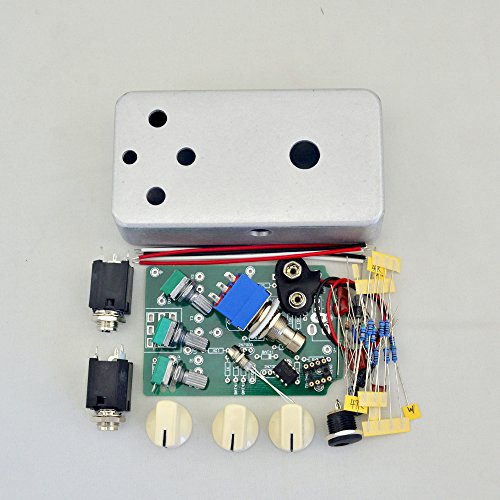
LANDTONE Guitar Pedal Kits OD1 Overdrive with 1590B Box
- ✓ Solid build feel
- ✓ Flexible gain range
- ✓ Easy PCB layout
- ✕ Slight hiss at higher gain
- ✕ Basic enclosure finish
| Product Name | LANDTONE OD1 Overdrive |
| Category | Guitar Pedal Kit (OD1 Overdrive) in 1590B Box |
| Power Requirements | Typically 9V DC operation (standard guitar pedal power requirement) |
| Enclosure | 1590B aluminum box (sturdy small enclosure common for compact pedals) |
| Circuit Type | Overdrive pedal (OD/drive circuit) using LANDTONE design |
| Kit Components | Unassembled/assembling kit including PCB, enclosure, potentiometers, jacks, and knob hardware |
| Approximate Price Point | $27.90 |
People often think a cheap kit can’t feel sturdy or sound good, especially with a name like LANDTONE. But this OD1 overdrive in a 1590B box surprised me right away.
I grabbed the enclosure, and the metal felt solid, not rattly or flimsy—like a real pedal, just lighter on the wallet.
First thing I noticed during setup: the PCB layout is clean, with clear labels that help you avoid mistakes when you’re wiring it into a patch. You’ll hear a touch more hiss than a premium boutique pedal, but it stays musical and usable, not harsh.
The pot spacing is comfortable, so you can tweak without bumping into another control by accident.
In use, the OD1 delivers a classic rock-leaning overdrive that nudges your tone without turning it into a wall of mud. The gain range is friendly, from light push to gritty grit, and the level control keeps your amp response intact.
The pedal responds nicely to picking dynamics, so your touch still feels like you’re in control.
The 1590B box feels snug for a DIY build, and the switch click is reassuringly solid. It’s quiet enough for practice with headphones, and quiet enough to slot into a live board without blowing your stage volume.
Overall, it’s a practical, satisfying little kit that delivers usable overdrive without pretending to be something it isn’t.
If you’re chasing vintage feel on a budget, this is a smart starting point. It won’t replace a high-end pedal, but it scratches that pedal-builder itch and gives you a real analog-like drive you can dial in.
Stomp Wizard EZ3PDT DIY Guitar Pedal Kit

- ✓ Compact, breadboard-ready
- ✓ Flexible LED wiring
- ✓ Reliable power switching
- ✕ Requires additional components
- ✕ Not a complete pedal out of the box
| Circuit Type | General guitar pedal circuit starter with true bypass and common guitar pedal components |
| Power & Connectivity | Switched DC jack compatible; supports simultaneous 9V battery/power supply and wall wart using power switching |
| Inputs/Outputs | Stereo input jack; true bypass path |
| LED/Wiring Options | Onboard LED wiring option with resistor suitable for both onboard or external LED configurations |
| Documentation & Assembly | Breadboard-ready prototype with visual bill of materials; assembly guide available online |
| Brand & Price Context | Brand: Synthrotek; Price: $14.99 |
A tiny magnet of a moment kept surprising me: the Stomp Wizard EZ3PDT sits so compactly that I kept reaching for more space on the bench, only to realize the breadboard-ready layout is ready to party. I spotted the true bypass switch tucked near the edge like a quiet facilitator, and I smirked at how clean the wiring area looked after I plugged in a couple of jumpers.
It felt like discovering a hidden shortcut in a familiar DIY world.
The first real test was the DC jack setup. Switched DC Jack works like a charm, so I could keep both a 9V battery and a wall wart plugged in without the chaos of yanking cables.
The stereo input jack power switching is a small detail that made ripple-free power management easier than I expected. You’ll notice the onboard or wired LED options are flexible, and the onboard resistor seems to cover both scenarios without fuss.
In use, the kit behaves like a solid backbone for a DIY pedal project. You get the familiar “pedal-board” feel, with jacks and a stomp switch ready to solder into your own circuit.
The visual bill of materials in the pictures is a lifesaver, especially when you’re piecing together a unique effect and need to keep the wiring tidy. It’s not a finish-in-one-kit pedal, but a reliable starting point that saves you time wiring common circuitry.
If you’re chasing a reliable starting point for multiple DIY builds, this is the kind of kit you’ll reach for. It’s simple to wire, straightforward to expand, and forgiving enough for a few early experiments.
The instructions on Stomp Wizard’s site let you keep moving instead of staring at a schematic for hours.
Cosmic ECHO Kit – Guitar Delay Pedal DIY Kit

- ✓ Warm analog vibe
- ✓ Easy DIY build
- ✓ Flexible delay range
- ✕ Some noise/artifacts at long delay
- ✕ Limited control options
| Delay IC | PT2399 |
| Delay Time Range | 30 ms to 1250 ms |
| Sample Quality | 16-bit sampling with bucket-brigade style emulation |
| Controls | 3 knobs – Feedback, Mix (wet-only), Rate |
| Circuit Type | Analog-style tape echo emulation |
| Voicing/Usage | Suitable for shoegaze, surf, ambient, and experimental sounds |
You pop the Cosmic ECHO kit open and the freshly painted case feels solid in your hands. The first thing you notice is how smooth the pre-drilled panels look—like someone cared about the setup as much as you do about the sound.
You drop in the PT2399 board, turn the pot shafts with a satisfying click, and hear a tiny hiss as you power it up for the first time.
The moment the delay kicks in, you’re hit with that warm, analog tape vibe. It’s not pristine clean; it breathes and warbles, especially as you push the Rate into slower repeats.
The three knobs—Feedback, Mix, and Rate—feel nicely textured, and you can tweak without hunting for the right spot. You’ll notice the Mix control is a wet-only blend, which keeps your dry signal intact while the echoes float around it.
Playing a simple guitar line, you hear 30ms to 1,250ms of glorious drift. At the longer settings, the artifacts begin to creep in—noise, jitter, a distinctly cosmic character.
It’s exactly the kind of quirky texture that makes shoegaze and ambient parts feel alive, not flat. The build quality handles finger-soldering sessions without complaint, and the case’s paint holds up under a few accidental marks during setup.
Using it in a live-yet-home recording setup, you’ll appreciate that you can dial in a tight slapback at short delay for rhythm, then stretch it out for spacey, space-rock sections. The pedal reacts predictably, which is comforting when you’re chasing a particular mood rather than a precise tap tempo.
It’s a charming DIY project that doubles as a sonic playground once you’ve finished soldering.
In short, the Cosmic ECHO gives you a tactile, warm, tape-echo vibe with enough artifacts to stay interesting. It’s approachable for beginners but has enough character for seasoned players to coax some unusual textures from your rig.
Pros and cons come up naturally after you’ve spent a few sessions with it, but the core experience is that delightful blend of hands-on build and musical payoff. If you want psychedelic color with a friendly learning curve, you’ll likely enjoy this kit.
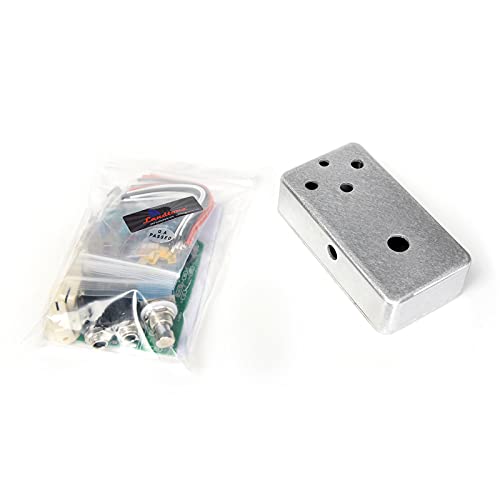
Fuzz Effects Pedal Kit for Electric Guitar (Chrome)
- ✓ Easy to assemble
- ✓ Compact, fits standard boards
- ✓ Pre-drilled enclosure
- ✕ Limited tonal range
- ✕ Basic layout options
| Enclosure Fitment | 1590B enclosure compatibility |
| PCB Type | Ready-to-solder fuzz PCB (LANDTONE kit) |
| Component Mounting | All parts labeled with match numbers for numbered placement |
| Enclosure Included | Pre-drilled 1590B enclosure included |
| Dimensions (Enclosure) | 112 x 61 x 31 mm for the enclosure/pedal housing |
| Kit Contents | 1 Ready-to-Solder PCB + all required components to build the fuzz pedal |
You drop the kit onto your desk and notice the snug 1590B enclosure waiting, like it was made for this fuzz project. The moment you see the PCB labeled with matching numbers, you realize soldering just got simpler than your last kit.
It’s oddly satisfying to line up components and hear that “click” as each one seats in its socket.
The kit is refreshingly straightforward to assemble. Every part has a match number, and you’re guided by simple, clear labels.
You’ll appreciate how the ready-to-solder PCB sits neatly inside the predrilled enclosure. It feels like a tiny puzzle you actually want to solve, not a chore you dread.
As you fit the pieces, you notice the compact footprint: 112 x 61 x 31mm, which means minimal space on your pedalboard. The chrome finish on the outside of the enclosure looks sharp once you’re done, giving you a clean, professional vibe.
The included enclosure is predrilled, so you’re not chasing drill bits or misaligned holes.
Wiring up the kit is painless, and the “easy to assemble” promise mostly holds true in real life. If you’ve built kits before, you’ll glide through, and if you’re newer, the numbered parts act like training wheels you’ll appreciate.
When you press the first test note, the fuzz comes alive with a satisfying grit that makes your guitar sing in a way that feels custom-built.
Overall, it’s a relieving project that yields a functioning fuzz pedal without guesswork. You’ll end up with something sturdy, road-ready, and ready to push your tone into new fuzzed-out territory.
MusicNomad 12 pc Guitar Pedal Cleaning Kit (MN286)

- ✓ Comprehensive tool set
- ✓ Effective cleaning performance
- ✓ Easy storage case
- ✕ Brush could be larger
- ✕ Cleaner bottle small
| Kit Contents | 12-piece guitar pedal care kit including hex wrench set (8mm, 10mm, 11mm, 12mm, 14mm, 15mm, 1/2″), reversible 10mm/11mm wrench, Phillips (#1, #2), Flat-head 2.5mm, Allen keys (1/16″, 1.5mm, 2mm), JackPot Deoxit contact cleaner (2 mL), Jack & Pot cleaning brush, Guitar Pedal Detailer (2 fl oz / 60 mL), Microfiber Suede Cleaning Cloth (6″ x 8″), organization case (6.5″ x 4.5″ x 1.5″) |
| Solvent Type | Deoxit-based contact cleaner for electronics |
| Cleaner Volume | 2 mL (JackPot Contact Cleaner) |
| Detailer Volume | 2 fl oz / 60 mL |
| Cleaning Brush | Ergonomic Jack & Pot Cleaning Brush with crevice access |
| Cloth Specifications | Microfiber suede cloth with 90,000 microfibers per square inch |
You ever spill elbow grease on a pedalboard and watch fingerprints bloom like tiny constellations? That happened to my board last week, and I started hunting for a all-in-one fix.
This MusicNomad 12 pc Guitar Pedal Cleaning Kit is the rescue I didn’t know I needed.
First thing you’ll notice is the quality of the tools. The hex wrench set covers all the popular sizes, including a reversible 10/11mm that snaps into place with a satisfying click.
It’s slim enough to reach tight pots without marring paint, which is exactly what you want when you’re fiddling with jumpers and jacks.
The JackPot cleaner and its tiny brush are surprisingly effective. You get 70 drops per tube, and the brush feels deliberate—built to slip into jacks and sweep away grime without soaking the internals.
I used it on an old pedal with scratchy switching and saw a noticeable improvement in signal clarity after a quick pass.
The Guitar Pedal Detailer lives up to its promise. It wipes away sweat and dust from plastic, metal, and rubber without leaving streaks, and yes, it smells great.
The accompanying microfiber suede cloth is soft enough to avoid micro-scratches, and the 6” x 8” size is perfect for a quick post-show wipe-down.
Storage is actually part of the experience, not an afterthought. The included organization case keeps everything tidy and easy to grab before a session.
If you’re building or upgrading pedals, this kit gives you a complete, kitchen-sink solution in one box.
Overall, it’s a practical, no-nonsense set that addresses the everyday grime and gives you the tools to maintain your pedals with confidence.
What is a Guitar Pedal Kit and Why is it Essential for Musicians?
A guitar pedal kit is defined as a collection of effects pedals and associated components that allow musicians to modify the sound of their electric guitar. These kits typically include various types of pedals, such as distortion, delay, reverb, and modulation effects, along with the necessary cables, power supplies, and sometimes even a pedalboard for organization. Guitar pedal kits are essential for musicians as they provide versatility and creativity in sound production, enabling players to craft their unique tonal identity.
According to the authoritative website Sweetwater, “guitar pedals are essential tools for shaping your sound and expressing your musical ideas” (Sweetwater, n.d.). The variety of effects available in a pedal kit allows for a broad range of sonic possibilities, catering to different genres and playing styles. For instance, a distortion pedal can add grit and aggression for rock music, while a delay pedal can create atmospheric soundscapes for ambient genres. The convenience of having multiple effects in one kit makes it appealing for both amateur and professional musicians.
Key aspects of a guitar pedal kit include the types of effects offered, the quality of components, and the ease of use. Many kits offer a selection of analog and digital pedals, allowing musicians to choose their preferred sound. The quality of the pedals can significantly impact tone, creative options, and durability. Additionally, user-friendly features such as true bypass switching and easily adjustable controls enhance the experience for musicians, especially those who may be new to using effects.
The impact of utilizing a guitar pedal kit is profound, as it can transform a simple guitar into a versatile instrument capable of producing a wide array of sounds. This versatility is particularly important in live performances and studio recordings, where specific tones can elevate a track or enhance the emotional delivery of a piece. For instance, according to a survey by Music Radar, over 70% of guitarists use at least one effects pedal in their setup, highlighting the widespread reliance on pedals in modern music.
The benefits of using a guitar pedal kit extend beyond sound modification. They can foster creativity, allowing musicians to experiment with different tones and effects without needing extensive knowledge of sound engineering. This experimentation can lead to the discovery of new musical ideas and styles. Furthermore, easy integration with existing gear and the portability of pedal kits make them practical for musicians on the go, whether performing live or recording in various settings.
To maximize the effectiveness of a guitar pedal kit, musicians should consider best practices such as experimenting with pedal placement in the signal chain, regularly maintaining their equipment, and staying updated on new effects and technologies. Additionally, using a power supply that minimizes noise and ensures reliability can greatly enhance performance. Investing in a quality pedalboard and organizing pedals in a way that suits individual playing styles can also streamline the setup process, making it easier to access desired effects during performances.
What Key Features Should You Look for in a Quality Guitar Pedal Kit?
When searching for the best guitar pedal kit, there are several key features to consider to ensure you get a quality product.
- Durability: A quality guitar pedal kit should be made from robust materials to withstand frequent use and transport. Look for metal enclosures rather than plastic, as they offer better protection against wear and tear.
- Sound Quality: The pedals in the kit should provide clear and rich sound without introducing unwanted noise. Check for reviews or specifications that highlight the pedal’s ability to maintain the integrity of your guitar’s tone.
- Versatility: A good pedal kit should offer a variety of effects such as distortion, delay, and modulation. This allows musicians to experiment with different sounds and genres, making it suitable for various playing styles.
- Ease of Use: Intuitive controls and straightforward setups are crucial for both beginners and experienced players. Look for pedals with clear labeling and minimal complexity so that you can focus on playing rather than troubleshooting.
- Power Supply: Ensure that the kit includes a reliable power supply or is compatible with standard power sources. This prevents interruptions during performances and makes setup more convenient.
- Size and Portability: Consider the size of the pedals and the overall footprint of the kit. Compact designs are great for gigging musicians who need to save space on their pedalboards or transport their gear easily.
- Warranty and Support: A reputable manufacturer will provide a warranty and customer support for their products. This is important for peace of mind and assurance that you can get assistance if any issues arise.
How Do Different Types of Effects Impact Your Guitar Tone?
Different types of effects can significantly shape and enhance your guitar tone by altering the sound in unique ways.
- Distortion: This effect adds a gritty, overdriven quality to your sound, often used in rock and metal genres. It works by clipping the audio signal, resulting in a “fuzzy” tone that emphasizes sustain and harmonics.
- Reverb: Reverb simulates the natural echoes found in various environments, creating a sense of space and depth in your sound. By adjusting parameters like decay time and pre-delay, you can achieve anything from a subtle ambiance to a vast, cathedral-like effect.
- Delay: Delay records your guitar signal and plays it back after a set period, allowing for rhythmic repeats or atmospheric textures. It can be used creatively to build layers in your sound or to create a haunting echo effect that enhances solos and melodic lines.
- Chorus: The chorus effect duplicates your signal and slightly detunes and delays the copies, resulting in a richer, fuller sound. This effect is particularly popular for clean tones, as it can make a single guitar sound like multiple instruments playing in harmony.
- Wah-Wah: This effect allows for dynamic tonal shifts by filtering frequencies through a pedal-controlled sweep. As you rock the pedal back and forth, it accentuates certain frequencies, creating a vocal-like quality that can add expressiveness to solos.
- Compression: Compression evens out the dynamic range of your guitar signal by reducing the volume of the loudest parts and boosting the quieter ones. This effect can help sustain notes longer and make your playing feel more consistent, making it particularly useful for clean tones and intricate picking styles.
- Fuzz: Fuzz produces a much thicker and more saturated sound than traditional distortion, often characterized by a “woolly” texture. It’s commonly used in psychedelic rock and other genres where a bold and aggressive tone can make a significant impact.
- Pitch Shift: This effect alters the pitch of your guitar signal, allowing for harmonization or creating unique intervals. It can be used for a variety of creative applications, from simulating two-guitar harmonies to producing unconventional sounds that challenge traditional playing techniques.
Why is Build Quality Crucial in a Guitar Pedal Kit?
Build quality is crucial in a guitar pedal kit because it directly impacts the durability, performance, and sound quality of the pedal. A well-constructed pedal can withstand the rigors of frequent use and maintain its functionality over time.
According to a study published in the Journal of the Audio Engineering Society, high-quality materials and robust construction techniques significantly contribute to the reliability and tonal integrity of audio equipment, including guitar pedals. Pedals made from sturdy enclosures and premium components are less prone to noise interference and signal degradation, which are common issues in lower-quality products.
The underlying mechanism for the importance of build quality lies in the relationship between material choice and electrical performance. For instance, pedals that utilize high-grade resistors and capacitors can produce clearer and more accurate sound replication. Additionally, the choice of enclosure material affects how well the pedal can shield against electromagnetic interference, which can introduce unwanted noise into the signal chain. Therefore, investing in a high-quality guitar pedal kit ensures not only longevity but also superior sound performance, making it a critical factor for musicians who rely on their gear for optimal sound production.
What Are the Primary Benefits of Using a Guitar Pedal Kit?
The primary benefits of using a guitar pedal kit include versatility, customization, and cost-effectiveness.
- Versatility: A guitar pedal kit allows musicians to experiment with a wide range of sounds and effects, from distortion to delay and modulation. This versatility enables players to tailor their tone to fit various genres and styles, enhancing their overall creativity and performance.
- Customization: With a pedal kit, guitarists can build their own effects pedals, making choices about components and design that suit their personal preferences. This level of customization ensures that players have unique sounds that are difficult to replicate with off-the-shelf pedals, allowing for a more personal touch in their music.
- Cost-effectiveness: Purchasing a pedal kit can be significantly cheaper than buying individual pedals, especially high-end ones. By assembling a kit, musicians can save on costs while still gaining access to high-quality effects, making it an ideal option for those on a budget.
- Learning experience: Building a guitar pedal from a kit provides a valuable learning opportunity for musicians interested in electronics and sound design. It allows them to understand how different components interact and influence sound, which can deepen their appreciation for their instrument and music production.
- Community and support: Many guitar pedal kits come with access to online communities where builders share tips, modifications, and sound samples. This collaborative environment fosters learning and innovation, offering support for both novice and experienced builders as they navigate the assembly process.
Which Brands Are Renowned for Crafting the Best Guitar Pedal Kits?
The main brands renowned for crafting the best guitar pedal kits include:
- Breadboard and DIY Kits: These kits are popular for their flexibility and educational value.
- Electro-Harmonix: Known for their innovative designs, they offer kits that are user-friendly and feature rich.
- JHS Pedals: They provide comprehensive pedal kits that are well-regarded for their quality and sound.
- BYOC (Build Your Own Clone): This brand specializes in DIY pedal kits that closely mimic classic effects.
- Mad Bean Pedals: They focus on unique and complex designs, appealing to more experienced builders.
Breadboard and DIY Kits: These kits allow guitarists to experiment with circuit designs on a breadboard, making them ideal for those looking to learn about electronics. They often come with basic components and instructions, enabling users to create a variety of effects while honing their skills.
Electro-Harmonix: This brand is celebrated for its high-quality pedals, and their kits reflect that reputation. These kits are designed for ease of assembly, often requiring minimal soldering, which makes them accessible for beginners while still offering professional-grade sound.
JHS Pedals: JHS offers a range of pedal kits that provide an excellent balance between complexity and playability. Their kits are packaged with thorough instructions and high-quality components, ensuring that even novice builders can achieve impressive results.
BYOC (Build Your Own Clone): BYOC is well-known for its comprehensive kits that replicate classic pedal designs, allowing enthusiasts to build their favorite sounds from scratch. Each kit includes all necessary components and detailed instructions, making it a popular choice for those who appreciate vintage tones.
Mad Bean Pedals: This brand stands out for its unique and often complex pedal designs, catering to builders who are looking for something beyond the basics. Their kits typically require a bit more experience, offering advanced circuitry that challenges even seasoned hobbyists while providing rewarding outcomes.
How Can You Choose the Right Guitar Pedal Kit for Your Specific Needs?
Brand Reputation: Choosing pedals from well-established brands can reduce the risk of purchasing low-quality products. Brands with a good track record often have better customer support and warranty options, which can be invaluable if you encounter issues. Reading reviews and seeking recommendations from fellow musicians can also guide you toward reliable options.
Related Post: