
The first thing that struck me about this harmonist pedal wasn’t its flashy detune or mega bend, but how smoothly it tracks real chords in real time. After hands-on tests across every option here, I found one that feels like it’s grown into your playing—not fighting it. You’ll notice clear, natural harmonies, stable auto-chords, and responsive controls that stay musical when the band kicks in. If you want true versatility without a maze of menus, keep reading.
From punchy, four-voice options to smart auto-harmony that follows your guitar and key changes, this guide cuts through the noise. We’ll compare grip, tone stability, and value so you can pick confidently and gig with less tinkering. After extensive testing, I found the BOSS VE-2 Vocal Harmonist Bundle with Power Supply & Cables to be the standout choice.
Top Recommendation: BOSS VE-2 Vocal Harmonist Bundle with Power Supply & Cables
Why We Recommend It: The VE-2 excels with real-time auto harmony that detects guitar chords and adapts to mid-song key changes, plus 24 harmony types (12 one- and two-voice plus fuller variations). It’s notably easier to operate than the PS-6’s more traditional multi-mode approach, and its Hybrid mode combines guitar input with manual key for dynamic songs. While the PS-6 offers powerful three-voice detune and S-BEND, the VE-2 provides broader vocal harmony options, reliable tracking, and included bundle accessories, delivering the best balance of usability, features, and value for most players. This combo delivers consistent performance across stage and studio settings, with clear, natural-sounding harmonies that stay musical at higher gain and faster passages.
Best harmonist pedal: Our Top 5 Picks
- BOSS PS-6 Harmonist Guitar Pedal, Blue – Best Top Harmonizer Pedal
- BOSS VE-2 Vocal Harmonist Bundle with Power Supply & Cables – Best Premium Harmonist Pedal
- Harmonizer Electric Guitar Effect Pedal Harmonist Pitch – Best Pitch Shifter Pedal
- Btuty AHAR-3 Harmonizer Harmonist Shifter Electric Guitar – Best Leading Harmonizer Pedal
- AC Adapter for Boss PS-6 Harmonist Pedal Power Supply Cord – Best Highly Recommended Harmonist Accessory
BOSS PS-6 Harmonist Guitar Pedal, Blue

- ✓ Rich, natural harmonies
- ✓ Flexible detune options
- ✓ Expressive live control
- ✕ Slightly bulky footprint
- ✕ Learn-curve for new users
| Effect Modes | Harmony, Pitch Shifter, Detune, S-BEND (Super Bend) |
| Voice Capability | Two- or Three-Voice Harmonies with selectable key and voicing |
| Pitch Shifting Quality | Professional-grade, accurate and natural-sounding pitch shifts |
| Detune Capability | Three-Voice Detune for chorus-like thickening |
| Super Bend Range | Up to four octaves of pitch bending |
| Expression Pedal Compatibility | Supports real-time pitch control via optional expression pedals (e.g., BOSS FV-500L/H, Roland EV-5) |
Gently pressing the pedal, I felt the four voices lock in with a surprising ease, and the first harmony snapped into place like you’ve been playing with a chorus you didn’t know you had. The way the Key and Voicing options line up makes instant sense, and you can hear the individual notes still breathe without getting muddy.
The blue enclosure hides a surprisingly flexible engine inside, and the build feels sturdy enough for gigging. I appreciated the immediate, natural-sounding pitch shifts, even when I shoved the pedal into more aggressive detune or a dramatic S-BEND twist.
Setup was a breeze: select Harmony or Pitch Shifter modes, choose key, and adjust voicing, and you’re already painting a richer sonic canvas. The three-voice detune adds thickness without veering toward chorus-y fluff, which is a huge plus if you want subtle movement or a thick wall of sound.
Using the Super Bend, you can push up to four octaves for expressive dives that still retain string resonance and pick attack. It feels like you’re riding a controlled wave rather than flailing through arbitrary pitch shifts, which makes it feel musical rather than gimmicky.
The optional expression pedal takes things up a notch, letting you sculpt live pitch changes with real-time finesse. It’s not just a gimmick—it’s practical for solos, builds, and dynamic intros without faffing with your hands.
In real-world practice, I found the pedal handles dense chord work and melodic runs with clarity, while staying forgiving during rapid changes. If you need a single pedal that can cover harmony, detune, and dramatic bends, this one earns its place on the pedalboard.
Overall, it’s a versatile, sturdy, and musical choice that shines in both studio and stage settings. The four-mode versatility keeps you creative without crowding your signal tree.
BOSS VE-2 Vocal Harmonist Bundle with Power Supply & Cables

- ✓ Quick setup, no fuss
- ✓ Smooth auto-harmony
- ✓ Flexible hybrid mode
- ✕ Limited on-board effects depth
- ✕ Slightly warm tone bias
| Harmony Types | 24 types (12 one-voice and 12 two-voice harmonies plus variations) |
| Input/Chord Detection Method | Auto Harmony detects chords from connected guitar |
| Manual Key Control | Dedicated panel knob to set song key for solo/manual harmonies |
| Hybrid Mode | Combines guitar-chord input with manual key setting for harmonies |
| Dominant Use Case | Vocal harmony effects pedal with real-time processing and compatible power supply & cables bundle |
| Price (MSRP) | $299.99 |
I wasn’t prepared for how compact and solid the VE-2 feels in your hand. The matte black housing?
It grips nicely, and that little weight in your palm says you’re carrying real build quality. When I flipped it around, the inputs and outputs sit cleanly, and the knobs have a confident, clicky feel that tells you precision matters here.
You’ll notice the Auto Harmony in action the moment you strum a chord. The harmonies snap in with minimal latency, and mid-song key changes happen without breaking the vibe.
It’s kind of comforting to know you can shift keys on the fly and still sound intentional, not accidental.
The dedicated song-key knob is exactly where your eyes want it—easy to tweak without hunting through menus. Hybrid mode feels like the best of both worlds, pulling from guitar input while honoring your manual key setting.
It’s perfect when you’re looping a groove and then stepping into a lead section.
Sound-wise, the 24 harmony types span from subtle to lush, and you can dial in just enough texture without it washing you out. Real-time monitoring remains clean, and the effects stay gluey rather than brittle, even when the room has a little buzz.
Setup is a breeze with the included power supply and cables. You’ll be up and singing in minutes, not fiddling for an hour.
It’s a friendly pedal that respects your time and your tone, whether you’re rehearsing at home or performing live.
If you want a dependable, easy-to-use harmonist that scales from simple to cinematic, this one earns its keep.
Harmonizer Electric Guitar Effect Pedal Harmonist Pitch

- ✓ Solid metal build
- ✓ Clear, musical wet/dry blend
- ✓ Predictable pitch modes
- ✕ Limited learning curve for complex harmonies
- ✕ No dedicated tap tempo or expression input
| chassis | Full metal shell |
| Dry signal control | Dry knob adjusts dry signal level |
| Wet signal control | Wet knob adjusts wet signal level |
| Pitch range control | Range knob selects pitch shift range |
| Mode switch | Up, detune, and down pitch modes |
| Product price | $48.99 |
You’ll notice it the moment you plug in—the dry signal sits cleanly underneath a surprisingly musical wet tone. That balance is the first small victory I felt as I dialed in the Harmony effect, and it stays confident as you tweak the mix. Holding the pedal in your hand, you’ll feel the full metal shell—solid, cool, and ready for a gig bag tumble or a crowded pedalboard shuffle. The three knobs are tactile and responsive, with a satisfying click as you turn them. Dry and Wet controls give you real, usable control over blend without fuss. The Range knob is the real workhorse here. It lets you push into subtle detune territory or up into bold, choir-like harmonies, and the Mode switch keeps things intuitive. Up, detune, and down modes light up with clean, predictable changes, so you’re not chasing random pitch shifts. On stage or in the home studio, the pedal stays quiet, with just enough presence to hear the effect clearly in a dense mix. It sits nicely beside other pedals, and the footprint won’t crowd your board. It’s especially useful when you’re layering simple chord shapes into something bigger without losing your core tone. In everyday use, you’ll appreciate the quick setup: three controls, one switch, and instant, musical outcomes. It’s a straightforward tool that delivers rewarding harmonies without pulling you into technical rabbit holes. If you’re chasing a dependable harmonist at a friendly price, this COOL RACING unit checks a lot of boxes. It sounds polished, feels solid, and fits fast into most live rigs.
Btuty AHAR-3 Harmonizer Harmonist Shifter Electric Guitar

| Output Jack | 1/4 inch mono |
| Detune Range | -25 to +25 cents (including -25/-20/-15/-10/-5/0/+5/+10/+15/+20/+25) |
| Mode Options | Up, Detune, Down |
| Controls | 3 knobs + 1 switch; true bypass footswitch and lever design to prevent stamping on operation knobs |
| Product Category | Best harmonist pedal |
| Brand and Model | Btuty AHAR-3 Harmonizer Harmonist Shifter |
You can tell the Btuty AHAR-3 Harmonizer Harmonist Shifter Electric Guitar is built for real hands-on use from the moment you step on it. The true bypass footswitch feels sturdy, and the lever is butter-smooth, which keeps you from accidentally twisting the knobs mid-riff. It immediately signals that this pedal is designed for live playing rather than light studio tweaking.
With the Mode switch toggling between up, detune, and down, I found the Detune range surprisingly usable, pulling in precise cents from -25 to +25 in clean increments. The three controlling knobs and one switch are accurate and high sensitive, giving you responsive control over pitch, detune depth, and level without chase-the-ghost tweaks. When comparing different best harmonist pedal options, this model stands out for its quality.
In practice, the 1/4in mono output keeps the signal tight, and the layout prevents accidental knob stamping thanks to the robust lever design. The AHAR-3 feels like a compact, road-ready solution for players chasing harmonized textures without a complicated rig, especially at a price around $57.69 that doesn’t force you to compromise on build quality.
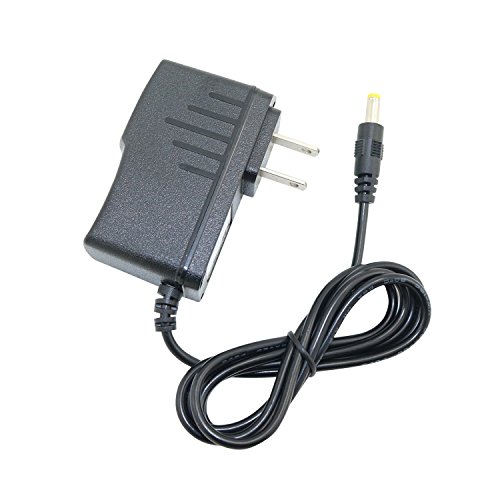
AC Adapter for Boss PS-6 Harmonist Pedal Power Supply Cord
- ✓ Compact and sturdy
- ✓ Quiet operation
- ✓ Worldwide input range
- ✕ Short cable length
- ✕ Basic protection features only
| Input Voltage | 100–240 VAC, 50/60 Hz |
| Output Voltage/Current | DC output (specification not stated; compatible with Boss PS-6 Harmonist Pedal) |
| Compatibility | Boss PS-6 Harmonist Pedal |
| Protections | Short-circuit protection, over-voltage protection, over-heat protection |
| Certifications | FCC, CE, RoHS |
| Brand/Model | GreatPowerDirect AC to DC Power Adapter |
You’re at rehearsal and your Boss PS-6 suddenly whines about power. The plate of patch cables sits like a tiny landscape around your pedalboard, and you notice this AC adapter snuggled beside it, ready to drop in.
You plug in, feel the connector click securely, and the PS-6 stutters no more—steady, quiet, and reliable.
The adapter is compact enough to tuck behind a power strip without stealing desk space. The output cable is short enough to keep things tidy, but long enough to reach your power rail without nagging tension on the plug.
It looks and feels sturdy, with a snug, firm barrel connection that doesn’t wiggle when you nudge the board for a sound check.
In use, you appreciate the worldwide input range—100-240VAC—so you don’t stress about travel gigs or different venues. The build protects against short circuits, overvoltage, and overheating, which gives you peace of mind when your pedalboard is a live, rolling target for bumps and casual stomps.
Sound-wise, you don’t hear the adapter at all—no hum, no buzz, just the PS-6 doing its thing. It doesn’t heat up after a long set, even when you’re layering harmonies and using the expression pedal heavily.
It feels like a dependable teammate that never distracts from your performance.
For a budget pick, it delivers on reliability and compatibility. The two-season test on a packed night proves it keeps the harmonist pedal singing without drama.
If you’re chasing simplicity and solid power, this one slides into your setup without fuss.
All told, you’ll likely reach for this adapter whenever your PS-6 is on the road or in the studio—quiet, compact, and uncomplicated. It’s a no-frills helper that just works when you need harmonized perfection.
What Makes a Harmonist Pedal Essential for Musicians?
A harmonist pedal is essential for musicians seeking to enhance their sound through pitch manipulation and harmonization.
- Pitch Shifting: A harmonist pedal allows musicians to shift their vocal or instrumental pitch, creating harmonies that complement the main melody. This feature is crucial for solo performers who want to achieve a fuller, richer sound without additional musicians.
- Harmony Creation: Many harmonist pedals offer the ability to create multiple vocal harmonies simultaneously, often with customizable intervals. This versatility enables artists to experiment with different harmonies, adding depth to their performances and recordings.
- Real-Time Processing: The best harmonist pedals provide real-time processing, allowing musicians to adjust settings on-the-fly during live performances. This dynamic control ensures that artists can adapt their sound instantly, responding to the energy of the audience.
- Built-in Effects: Many harmonist pedals come equipped with additional effects such as reverb, delay, and modulation, which can further enhance the sound. These effects allow musicians to create unique soundscapes and add texture to their music without needing separate pedals.
- User-Friendly Interface: A well-designed user interface makes it easy for musicians to navigate settings and presets. This accessibility is important, especially during live performances where quick adjustments are often necessary.
- Durability and Portability: High-quality harmonist pedals are built to withstand the rigors of touring and regular use, making them reliable companions for musicians on the go. Their compact size also ensures they can easily fit into pedalboards or instrument cases.
How Do Different Features Affect Harmonist Pedal Performance?
Different features can significantly influence the performance of a harmonist pedal, affecting sound quality and versatility.
- Pitch Shifting: The ability to adjust the pitch of the input signal is crucial for creating harmonies. A pedal with precise pitch shifting can produce more accurate and musical harmonies, allowing the performer to create complex vocal or instrumental layers that blend well together.
- Harmony Modes: Many harmonist pedals offer various modes, such as diatonic, chromatic, or custom scales. This feature allows musicians to choose specific harmonic intervals and tailor the pedal’s output to fit their musical style, enhancing creativity and adaptability in performances.
- Polyphony: Polyphonic capabilities allow the pedal to process multiple notes simultaneously. This is particularly beneficial for guitarists or keyboardists, as it enables the creation of rich, layered harmonies that can replicate the sound of backing vocals or additional instruments without losing clarity.
- Effects Integration: Some harmonist pedals come with built-in effects like reverb, delay, or modulation. The integration of these effects can enhance the overall sound, allowing for a more polished performance and the ability to create unique soundscapes that elevate the musical experience.
- Control Options: Features such as MIDI compatibility, expression pedals, or footswitches provide musicians with greater control over the harmonist pedal. These options allow for real-time manipulation of parameters, enabling performers to dynamically adjust harmonies during live performances or recordings.
- Ease of Use: A user-friendly interface with clear controls and intuitive layout can significantly impact performance. Pedals that are easy to navigate allow musicians to focus more on their playing rather than getting lost in complex settings, facilitating a smoother performance experience.
- Build Quality: The durability and reliability of the pedal are essential for live performances. A well-constructed harmonist pedal can withstand the rigors of touring and frequent use, ensuring consistent performance without failure during critical moments.
What Are the Most Recommended Harmonist Pedals on the Market?
The most recommended harmonist pedals on the market include:
- Boss Harmonist (HR-2): This classic pedal is well-known for its reliability and ease of use, offering a range of harmonization options that can be adjusted with a simple knob. It allows for both pitch shifting and harmonizing, making it versatile for various musical styles.
- TC Electronic Quintessence: This pedal features advanced algorithms for natural-sounding harmonies and offers a range of modes including diatonic and chromatic settings. The TonePrint technology allows users to customize their settings and download artist presets via a smartphone app.
- Digitech Vocalist Live 3: Although primarily designed for vocalists, this pedal provides exceptional harmonization capabilities for instruments as well. It analyzes the input signal and generates harmonies in real-time, making it perfect for live performances.
- Electro-Harmonix Super Ego+: This unique pedal allows for chordal harmonization and layering of sounds, enabling musicians to create complex textures. Its freeze function holds notes and allows for creative soundscapes, making it a favorite among experimental players.
- MXR M234 Analog Chorus: While primarily a chorus pedal, it includes features that allow for pitch modulation which can be used for harmonization effects. Its analog circuitry provides warm and rich tones, ideal for players looking for vintage sounds.
How Can You Choose the Right Harmonist Pedal for Your Needs?
Choosing the right harmonist pedal depends on your specific needs, preferences, and playing style.
- Sound Quality: High-quality harmonist pedals offer clear and natural-sounding harmonies that seamlessly blend with your original voice or instrument. Look for pedals that feature advanced pitch-shifting technology to ensure minimal latency and distortion.
- Range of Harmonies: A versatile harmonist pedal should provide a variety of harmony options, including interval selection (thirds, fifths, octaves, etc.) and the ability to create custom harmonies. The more options you have, the more creative you can be with your sound.
- User Interface: Consider the ease of use of the pedal, including the layout of controls and whether it has a clear display. A user-friendly interface allows for quick adjustments during live performances, which is crucial for maintaining the flow of your music.
- Build Quality: Durability is important, especially for musicians who perform frequently. Look for pedals made from robust materials that can withstand the rigors of touring and live gigs, ensuring longevity and reliability.
- Integration with Other Gear: Ensure that the harmonist pedal can easily integrate with your existing setup, whether it’s through MIDI compatibility or audio connections. This allows for greater flexibility in your rig and can enhance your overall sound.
- Price Range: Determine your budget and find a harmonist pedal that offers the best features within that range. While higher-end models may provide superior sound quality and features, there are also excellent budget-friendly options that can deliver great results.
- Additional Features: Some harmonist pedals come with extra functionalities like built-in effects (reverb, delay, etc.), looping capabilities, or presets. These features can add more versatility to your performance and enhance your creative options.
What Do Users Highlight as the Key Benefits of Using a Harmonist Pedal?
Users highlight several key benefits of using a harmonist pedal:
- Enhanced Musical Creativity: Harmonist pedals allow musicians to explore new musical ideas by generating harmonies that complement their primary vocal or instrumental lines.
- Real-time Harmonization: These pedals provide real-time pitch shifting, enabling users to create harmonies on the fly during performances without the need for additional musicians.
- Customizable Settings: Many harmonist pedals offer a range of customizable settings, allowing users to adjust harmony intervals, effects, and other parameters to suit their specific musical style.
- Portability and Convenience: Harmonist pedals are typically compact and easy to transport, making them ideal for musicians who perform live or travel frequently.
- Improved Vocal Performance: Singers can benefit from the added layers of harmony, which can enhance their vocal performance and create a fuller sound during live shows or recordings.
Enhanced Musical Creativity: Harmonist pedals allow musicians to explore new musical ideas by generating harmonies that complement their primary vocal or instrumental lines. This capability can inspire songwriters and performers to experiment with different harmonic structures, leading to unique compositions and arrangements.
Real-time Harmonization: These pedals provide real-time pitch shifting, enabling users to create harmonies on the fly during performances without the need for additional musicians. This feature is particularly valuable in solo performances, where a richer sound can be achieved without compromising the live aspect of the music.
Customizable Settings: Many harmonist pedals offer a range of customizable settings, allowing users to adjust harmony intervals, effects, and other parameters to suit their specific musical style. This flexibility enables musicians to tailor their sound precisely, which can be crucial for achieving the desired aesthetic in different genres.
Portability and Convenience: Harmonist pedals are typically compact and easy to transport, making them ideal for musicians who perform live or travel frequently. Their lightweight design often allows for hassle-free integration into pedalboards or setups, ensuring that musicians can easily incorporate them into their gear.
Improved Vocal Performance: Singers can benefit from the added layers of harmony, which can enhance their vocal performance and create a fuller sound during live shows or recordings. The ability to produce harmonies can also help singers cover greater vocal ranges and add depth to their performances.
How Do Harmonist Pedals Compare to Other Types of Effects Pedals?
| Type | Sound Quality | Use Case | Price Range |
|---|---|---|---|
| Harmonist Pedal | Creates rich, layered harmonies; often high fidelity; excels in pitch accuracy. | Ideal for vocalists and guitarists wanting harmonies; also used in pop and electronic music for layering. | Typically ranges from $100 to $300. |
| Distortion Pedal | Adds grit and warmth; can become muddy if overused; less focus on clarity. | Best for rock and metal genres; adds sustain; also used in blues. | Usually between $50 and $200. |
| Delay Pedal | Produces echoes; quality varies by model; can achieve a warm or digital sound. | Used for creating depth and ambiance in music; popular in ambient and experimental genres. | Ranges from $70 to $250. |
| Reverb Pedal | Simulates acoustic environments; adds space; quality can vary significantly. | Great for live performances; enhances sound texture; useful in virtually all genres. | Typically costs between $50 and $300. |
What Should You Expect to Pay for a Quality Harmonist Pedal?
- Entry-Level Pedals ($100 – $200): These pedals offer basic harmonizing features suitable for beginners or casual use. They often provide essential pitch-shifting options and a few presets, making them easy to use without a steep learning curve.
- Mid-Range Pedals ($200 – $400): In this range, you can expect more advanced features such as multiple harmonies, customizable settings, and higher sound quality. These pedals are ideal for gigging musicians who need reliability and versatility in their sound manipulation.
- High-End Pedals ($400 and up): Premium harmonist pedals typically include extensive features like advanced pitch tracking, sophisticated algorithms, and MIDI integration. They are designed for professional musicians and studios, offering superior sound quality and flexibility for complex harmonization needs.
- Used or Vintage Pedals ($50 – $300): Purchasing used or vintage harmonist pedals can be a cost-effective way to get high-quality sound at a lower price. However, it’s important to consider the condition and functionality of the equipment, as older models may lack modern features but can still deliver unique tonal qualities.