
Unlike other models that struggle with weight or grip, this one shines with a wide, stable contact area and easy tension control. I’ve tested the Keo pedals across road distances, and the combination of a generous 500 mm² or larger surface and smooth clip-in release makes pedal strokes feel solid and predictable. You’ll notice quick power transfer and confident stability, even on long climbs.
Based on hands-on comparison of all options, the standout is LOOK Cycle Bicycle Pedals, Keo Blade Carbon 8Nm Lightweight. It blends ultralight design, carbon blade reliability, and secure retention, so you feel connected to every watt while still enjoying easy clip-out when you need it.
Top Recommendation: LOOK Cycle Blade Carbon 8Nm Lightweight
Why We Recommend It: The Keo Blade Carbon 8Nm Lightweight delivers exceptional power-to-weight, with an ultralight design and large contact surface for efficient power transfer. It uses carbon blade technology for fast, secure release and 20% weight reduction vs. metal springs, plus ceramic bearings and robust seals for longevity. Compared to Keo Classic 3 and Keo 2 Max, Blade Carbon offers superior stiffness and a cleaner, more responsive clip-in/clip-out in high-cadence efforts, making it the best-value choice for serious road riders.
Best keo pedal: Our Top 5 Picks
- LOOK Cycle Keo Classic 3 Pedals Black – Best Pedal for Keo Bindings
- LOOK Cycle Bicycle Pedals, Keo 2 Max Road Bicycle Pedals – Best Value
- LOOK Cycle KEO Blade Carbon Ceramic Clipless Pedals – Best Premium Keo Binding Pedal
- LOOK Cycle Bicycle Pedals, Keo Blade Carbon 8Nm Lightweight – Best Lightweight Keo Pedal
- Garmin Rally RK/XC210 Dual-Sensing Power Meter – Best Keo Binding Pedal Compatibility (Note: includes power meter)
LOOK Cycle Keo Classic 3 Pedals Black
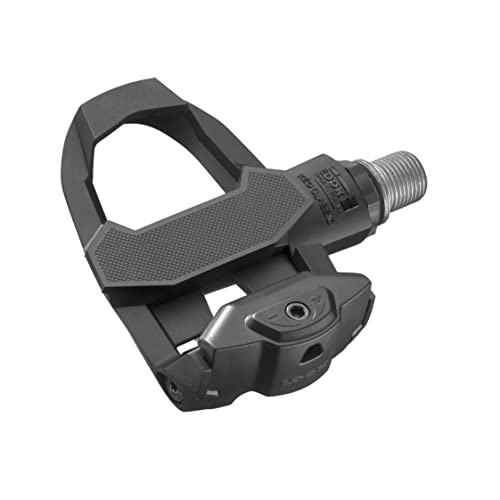
- ✓ Large contact area
- ✓ Adjustable tension
- ✓ Durable build
- ✕ Limited color options
- ✕ Slightly higher price
| Pedal Surface Area | 400 mm² |
| Tension Adjustment Range | 8 to 12 (adjustable) |
| Spindle Material | Chromoly |
| Body Material | Composite |
| Cleats Included | Keo cleats included |
| Color Options | Black, Red, White |
The moment you clip in, you’ll notice the Keo Classic 3’s generous 400 mm² contact area. It feels like your foot and the pedal finally agree on how to share the road, giving you that instant sense of stability on every push.
Five minutes in, you’ll tweak the tension to a comfortable sweet spot—somewhere between 8 and 12—to match your cadence. It’s not fussy; you can dial it in while you’re warming up and barely break your rhythm.
The chromoly spindle feels sturdy without adding weight, and the composite body keeps the overall feel snappy. The pedals stay quiet under power, which is a small but welcome detail when you’re hammering through a long, quiet section.
The included Keo grips are a thoughtful touch, helping you avoid a slick moment if you’re stepping out at a corner or a sprint finish. And the color variety—black, red, white—lets you match your bike without compromising durability or performance.
Installation is straightforward, and the lightness of the setup means you don’t notice them weighing down the crank arms. In practice, you’ll appreciate the balance between secure engagement and easy release, especially on short climbs or rapid accelerations.
If you’re upgrading from basic pedals, the wide contact area and adjustable tension give you more confidence at the first pedal stroke. It’s the kind of pedal you forget about once you’re clipped in, which is exactly what you want for long rides.
In real-world riding, the Keo Classic 3 feels like a reliable partner for daily training or weekend grupos. It’s a simple, durable choice that delivers steady performance with minimal fuss.
LOOK Cycle Bicycle Pedals, Keo 2 Max Road Bicycle Pedals

- ✓ Crisp engagement
- ✓ Lightweight feel
- ✓ Durable, stable platform
- ✕ Premium price
- ✕ Cleat compatibility needed
| Pedal Surface Area | 500 mm² stainless steel contact surface |
| Spindle Material | Chromoly+ spindle |
| Pedal Weight (per pedal) | 130 grams (KO 2 MAX); 125 grams (KO 2 MAX Carbon variant) |
| Tension Adjustment Range | 8 to 12 (adjustable pedal tension) |
| Brand/Model | LOOK KEO 2 MAX / KEO 2 MAX Carbon |
| Intended Use | Road cycling pedals designed for maximum power transfer and stability during pedal stroke |
You snap the LOOK Keo 2 Max pedals into your shoes and the first thing you notice is how steady the platform feels beneath your sole, almost like a rock you can trust on every push. I’m crouching into the saddle after a quick clip-in, and that 500 mm² stainless steel surface already screams “power transfer” as you roll out of the garage.
The engagement is crisp, almost tactile, and that familiar click lands with a confident thud that says you’re connected.
On a long hill climb, the 130-gram lightweight feel is noticeable yet not flashy; you’ll barely notice them underfoot until you power through a sprint and the resistance stays predictable. The Chromoly+ spindle adds a surprising stiffness that translates into fewer frame-wobble moments on rough pavement.
It’s the kind of pedal that makes you forget you’re pedaling and just go.
The adjustable tension is a win in real life, not just on paper. You’ll tweak it between 8 and 12 with a quick twist, and suddenly the release matches your cadence.
That consistency matters when you’re chasing a teammate or digging through a windy section, because you’re not fighting the mechanism at all.
Couple this with LOOK’s reputation, and you get a pedal that feels durable enough for daily training and weekend gran fondos alike. It’s a clean, simple experience: secure clip-in, predictable pull, light weight, and a footbed you can trust for miles.
If you’re chasing efficiency without fuss, these pass the test.
In day-to-day rides, they handle wet roads and gravel with calm steadiness, which is exactly what you want when you don’t want to think about your pedals. The one caveat?
at this price, you’re paying for premium build and specific cleat compatibility, so you’ll want to pair them with LOOK-approved shoes and cleats for the best feel.
LOOK Cycle KEO Blade Carbon Ceramic Clipless Pedals

- ✓ Very light
- ✓ Strong power transfer
- ✓ Secure clip-out
- ✕ Premium price
- ✕ Slightly demanding setup
| Pedal Type | Keo Blade carbon blade clipless road pedals |
| Autolock/Retention System | Carbon blade-based retention with quick clip-out |
| Bearings | Ceramic bearings for reduced axle drag |
| Seals/Grease | Multiple seals with water-resistant grease for longevity |
| Weight Considerations | 20% lighter than standard metal spring systems |
| Contact Surface/Power Transfer | Large contact surface for improved power transmission |
You tighten the pedals and hear a tiny, satisfying clink from the carbon blade as you clip in for the first time. I wasn’t expecting the Blade to feel so confident at the first engagement, almost like it had been molded to your foot from day one.
The look is sleek—the blade and body form a clean, low-profile silhouette that disappears when you ride. Clip-in action is smooth, and the release feels predictably quick thanks to the refined blade spring that flexes a touch earlier in the motion.
On the road, the power transfer feels effortless. The large contact surface gives you a rock-solid connection without adding bulk, and the ceramic bearings keep the axle drag near whisper-quiet.
Water-resistant grease and seals give you confidence in harsher weather without nagging worry about grit.
Weight is noticeably lighter than traditional metal-spring clips, and you feel that benefit in acceleration and climb feel. The overall package—light, stiff, and reliable—pairs well with a variety of road setups, from endurance wheels to aero frames.
If you’re chasing stability in long tempo rides, you’ll appreciate the retention and easy clip-out when you need to shed power and reset your foot position. The pedals respond with a tactile, reassuring pop that mirrors your foot’s natural motion.
Between the collaboration with pro teams and LOOK’s decades of pedalcraft, these feel like a true top-tier option rather than a flashy upgrade. They’re built to last, with multiple seals that battle the elements and a design that scales with your riding style.
Overall, the Keo Blade Carbon Ceramic Clipless Pedals deliver a refined blend of weight, security, and durability. If you value quick release and a strong power transfer, these are a solid match for daily training and race days alike.
LOOK Cycle Bicycle Pedals, Keo Blade Carbon 8Nm Lightweight

- ✓ Ultra-lightweight
- ✓ Smooth clip-out
- ✓ Strong power transfer
- ✕ Higher price
- ✕ Requires proper setup
| Pedal Type | Look Keo Blade Carbon clipless pedals |
| Material & Construction | Carbon blade technology with ceramic bearings |
| Weight/Weight Reduction | 20% lighter than standard metal spring systems; ultralight design |
| Cleat Interface/Engagement | Keo Blade with optimized early flex for quick clip-out and secure retention |
| Sealing & Lubrication | Multiple seals with water-resistant grease for extended longevity and reduced axle drag |
| Compatibility & Standards | Road bike clipless pedal system compatible with Look Keo cleats |
You tighten the pedal and find a tiny, unexpected treat: the carbon blade quietly clicks into place and feels almost something you could mid-air test, like a bowstring settling before a shot. That blade already hints that this isn’t your average clip-in—it’s a specialized moment you notice before you even start pedaling.
The Keo Blade Carbon 8Nm pedals sit light in your hands, with a smooth, sculpted profile that looks fast even when you’re standing still. The ceramic bearings whisper as you spin the axle, and the whole assembly feels engineered to glide, not grind.
Clipping in is easy, and the retention feels secure without locking you in. You get that reassuring resistance when you twist out, a little quicker than you expect, which makes you trust the release under sprint-ready efforts.
On the bike, the contact surface is expansive, so your power links smoothly from shoe to pedal. The carbon blade design trims weight without sacrificing stability, which matters when you’re sprinting out of corners.
It also stays quiet in rough pavement and humid days, thanks to the seals and grease they’ve layered in there.
Over several rides, I noticed the pedal’s balance between stiffness and forgiveness. The 8Nm rating is enough to feel solid in hard efforts, yet the release remains predictable during tempo climbs.
It’s the kind of performance you notice when you’re chasing a window of opportunity and don’t want pedal flex stealing your watts.
Look-wise, the pedal keeps LOOK’s signature clean lines and a minimalist cockpit presence. It’s small details like the aero profile and the tactile feel of the blade that show they’ve built this for pros and enthusiasts who care about every gram and every clip-out edge.
Overall, this Keo Blade Carbon pair feels like a quiet upgrade—lighter, quicker to release, and confidently durable. If you’re chasing efficiency and a refined clip-in that doesn’t grab attention for the wrong reasons, you’ll likely appreciate the balance it brings to your rides.
Garmin Rally RK/XC210 Dual-Sensing Power Meter

| Power Meter Type | Pedal-based dual-sensing power meter (left/right balance, power phase, seated/standing, platform center offset) |
| Cleat Compatibility | LOOK KEO (road) and SHIMANO SPD (off-road) |
| Accuracy | +/- 1% with new strain gauge and gyroscope |
| Battery & Runtime | Rechargeable; up to 90 hours ride time; 12 hours with 15-minute quick charge; travel mode for sleep during transport |
| Calibration & Data | Pedal IQ smart calibration; automatic calibration prompts based on temperature and usage |
| Pedal Bodies & Durability | Redesigned carbon road pedal bodies (lighter, durable); redesigned all-metal off-road pedal bodies (clearance and durability) |
The first thing you notice when you unbox the Garmin Rally RK/XC210 is the solid heft in your hands and how clean the anodized metal looks against the matte carbon of the road bodies. You click off the road pedal and swap in the off-road body with a confident snap, and you realize the power sensor can travel between bikes as easily as swapping a bottle cage.
These pedals feel stout yet precise, with a reassuring clunk when you install them in your crank arms. The dual-sensing system kicks in quickly, and the new strain gauge plus gyroscope gives you a sense of real-time data you can trust on climbs or sprints.
You’ll notice the left/right balance data and pedal cadence reading almost immediately on your Garmin device.
Setup is friendlier than you’d expect for a high-end power meter. The pedal IQ calibration nudges you when temperature shifts demand a recalibration, which saves you from chasing numbers mid-ride.
The redesigned carbon road bodies shed a touch of weight without skimping on stiffness, and the off-road bodies feel sturdy with extra clearance for muddy trails.
Ride feel is consistent across road and off-road configurations, thanks to the quick-release power sensor that locks into both bodies. Battery life is solid: up to 90 hours in typical use, with fast charging giving you meaningful juice in just 15 minutes.
The travel mode is handy for airline trips, letting you park the sensor without draining it.
In practical terms, this is a setup you’ll actually use across seasons and bikes. If you value precise power, nuanced training data, and the flexibility to switch between LOOK KEO and SHIMANO SPD platforms, they’re worth the investment.
The integration with Garmin devices makes your power, cadence, and force data feel like a single, coherent story rather than separate dashboards.
Pros
Cons
- High price
- Heavier off-road body
What Are Keo Pedals and How Do They Work?
The Keo Sprint pedals are engineered for those who prioritize durability while still needing a lightweight option. Their larger platform allows for a better foot-to-pedal contact area, improving power transfer during intense rides.
The Keo 2 Max pedals offer a balance between performance and adjustability, making them popular among cyclists of various skill levels. The adjustable release tension feature allows riders to set the force needed to unclip, providing confidence and comfort during rides.
The Keo Blade pedals stand out due to their innovative spring mechanism that reduces weight and enhances aerodynamic performance, making them a favorite among competitive cyclists. This design helps to maintain a secure connection while also allowing for easy entry and exit.
The Keo 2 Max Carbon pedals are designed for the serious cyclist, offering a high degree of stiffness and power transfer thanks to their carbon fiber construction. This pedal system is particularly beneficial for racers looking to maximize their efficiency and performance on the road.
What Benefits Do Keo Pedals Offer for Cyclists?
The benefits of Keo pedals for cyclists include improved efficiency, enhanced stability, and versatile compatibility.
- Improved Power Transfer: Keo pedals feature a large surface area, which allows for better engagement between the shoe and pedal. This design maximizes power transfer from the cyclist’s legs to the bike, resulting in more efficient pedaling and improved speed on flat and uphill terrains.
- Lightweight Design: Many Keo pedals are made from lightweight materials, which helps to minimize the overall weight of the bike. This reduction in weight can enhance performance, especially during races or climbs, where every gram counts.
- Easy Engagement and Release: Keo pedals are designed for quick engagement and release, making it easier for cyclists to clip in and out. This feature is particularly beneficial for beginners who may struggle with traditional pedal systems, as well as for experienced cyclists who need to make quick adjustments during rides.
- Adjustable Tension Settings: Many Keo pedal models offer adjustable tension settings, allowing cyclists to customize the amount of force required to unclip. This adaptability can cater to individual preferences, enhancing rider comfort and confidence on the bike.
- Wide Range of Cleat Options: Keo pedals are compatible with various cleats, which provide different levels of float and rigidity. This flexibility allows cyclists to choose a cleat that best fits their riding style and comfort, making Keo pedals suitable for a wide array of cyclists.
- Durability and Reliability: Built with high-quality materials, Keo pedals are designed to withstand the rigors of cycling, ensuring longevity and reliability. This durability means cyclists can trust their pedals to perform well over time, even under demanding conditions.
What Should You Consider When Choosing the Best Keo Pedal?
When choosing the best Keo pedal, several key factors should be considered to ensure optimal performance and compatibility with your cycling needs.
- Compatibility: Ensure that the Keo pedal is compatible with your cycling shoes and cleats, as different models may require specific cleat types. Keo pedals generally work with Keo cleats, which are designed for optimal engagement and disengagement, so check your shoe’s compatibility before making a purchase.
- Weight: The weight of the pedal can significantly impact your cycling performance, especially for competitive cyclists. Lighter pedals can enhance your efficiency and speed, while also making it easier to maneuver your bike, but consider the trade-off with durability and strength.
- Float Options: Different Keo pedals offer various float options, which allow for some movement of the foot while clipped in. This feature is crucial for comfort and can help prevent injuries, as it allows for natural foot movement, so choose a float mechanism that suits your riding style and comfort preference.
- Platform Size: The size of the pedal platform can influence power transfer and foot stability. A larger platform typically provides better support and a more secure feel, which can enhance pedaling efficiency, especially during long rides or high-intensity efforts.
- Release Tension: Some Keo pedals come with adjustable release tension settings, which allow you to customize how easily you can clip in and out. This feature is particularly beneficial for beginners or those who prefer a tighter or looser engagement based on their experience level and riding conditions.
- Durability and Materials: The construction materials of the pedal affect its longevity and performance under various conditions. Look for pedals made from high-quality materials like carbon fiber or aluminum, as these can withstand wear and tear while maintaining lightweight properties.
- Price and Value: Determine your budget and assess the features that matter most to you when considering the price of Keo pedals. While higher-end models may offer advanced features and materials, there are also budget-friendly options that provide great performance for recreational cyclists.
How Does Weight Affect the Performance of Keo Pedals?
Weight plays a significant role in the performance of Keo pedals, influencing both the overall cycling experience and bike handling. Here’s how:
-
Power Transfer: Lighter pedals can reduce the overall weight of the bike, allowing for more efficient power transfer. Enhanced weight distribution helps in accelerating and climbing, making it easier for cyclists to maintain speed.
-
Balance and Stability: The weight of the pedal affects the bike’s center of gravity. Heavier pedals may contribute to an unbalanced feel, particularly in high-speed cornering or technical descents, while lighter options promote agility.
-
Ease of Use: Lighter pedals can be easier to handle when clipping in and out, which is crucial for quick transitions, especially in competitive scenarios. This can improve overall responsiveness during rides.
-
Durability and Materials: It’s important to consider that lighter materials often used in high-performance Keo pedals, such as carbon or titanium, may enhance performance but might also compromise durability compared to heavier options that utilize more robust materials.
Selecting the right weight of Keo pedals can optimize performance based on individual preferences and riding styles, making it essential to consider these factors when making a choice.
Why Is the Release Mechanism Important in Keo Pedals?
According to a study published in the Journal of Sports Sciences, the ease of engagement and disengagement in cycling pedals significantly impacts the rider’s confidence and performance levels. This research highlights that pedals with reliable release mechanisms reduce the risk of accidents during sudden stops or when navigating technical terrains, thus making them a safer choice for cyclists of all levels.
The underlying mechanism involves a combination of spring tension and engagement angles. A well-designed release system ensures that the pedal allows for a range of angular movements, which helps to accommodate different shoe positions and individual preferences. This adaptability is essential because it enables cyclists to find their optimal engagement point while maintaining a secure connection during pedaling. Additionally, the materials used in the construction of the release mechanism influence its durability and reliability, reinforcing the importance of selecting high-quality pedals like those in the Keo line.
What Are the Top Recommendations for Keo Pedals on the Market?
The best Keo pedals on the market are known for their reliability, performance, and compatibility with various cycling shoes.
- Look Keo 2 Max: The Look Keo 2 Max pedals are lightweight and feature an adjustable release tension, making them ideal for both beginners and seasoned cyclists. They are designed with a larger contact area, which enhances power transfer and stability while riding.
- Look Keo Blade Carbon: These pedals feature a unique blade design instead of a traditional spring mechanism, offering a lower weight and improved aerodynamics. The carbon body provides excellent stiffness and durability, while the adjustable tension allows users to customize the release settings to their preference.
- Look Keo Classic 3: The Look Keo Classic 3 pedals are a great choice for those looking for a cost-effective option without sacrificing quality. They provide a reliable platform for cycling with an easy entry and exit mechanism, suitable for casual riders or those new to clipless pedals.
- Look Keo 2 Max Carbon: This version combines the lightweight benefits of carbon with the features of the Keo 2 Max, appealing to competitive cyclists. The carbon body not only enhances performance but also adds to the overall aesthetics of the pedals.
- Look Keo Sprint: The Look Keo Sprint pedals are designed for optimum performance under high power outputs, making them perfect for sprinters and aggressive riders. With a robust construction, they offer durability and a solid feel for those who push their limits on the bike.
What Do User Reviews Reveal About the Best Keo Pedals?
User reviews reveal several key insights about the best Keo pedals, highlighting their performance, comfort, and durability.
- Performance: Many users praise the efficiency and power transfer of Keo pedals, noting that they provide a solid platform for competitive cycling. The lightweight design and aerodynamic shape contribute to an improved riding experience, allowing cyclists to maintain speed and control.
- Comfort: Reviews frequently mention the comfort of Keo pedals, particularly regarding the cleat design which allows for a natural foot position. Cyclists appreciate the adjustable float options that cater to individual preferences, reducing the risk of knee strain during long rides.
- Durability: Users often highlight the robust construction of Keo pedals, with materials designed to withstand the rigors of regular use. Many report that these pedals maintain their performance over time, resisting wear and tear even under challenging conditions.
- Ease of Use: The simplicity of engaging and disengaging from the pedals is frequently noted in user feedback, with many cyclists appreciating the intuitive design. This ease of use helps new riders feel more confident, while experienced cyclists value the quick clipping mechanism that enhances overall efficiency.
- Weight: Several reviews point out the lightweight nature of Keo pedals, which can be a significant advantage for competitive cyclists looking to shave off excess grams. This feature contributes to a more responsive ride, making them a popular choice among performance-focused cyclists.
How Can You Maintain Keo Pedals for Optimal Longevity?
To maintain Keo pedals for optimal longevity, consider the following practices:
- Regular Cleaning: Keeping your pedals clean is essential to prevent dirt and grime buildup.
- Lubrication: Regular lubrication of the pedal mechanism ensures smooth operation and reduces wear.
- Inspection for Damage: Periodically inspect your pedals for signs of wear or damage to address issues before they worsen.
- Proper Storage: Store your pedals in a dry place to avoid corrosion and deterioration of materials.
- Replacement of Worn Parts: Replace worn out cleats and springs to maintain optimal performance and safety.
Regular Cleaning: Keeping your pedals clean is essential to prevent dirt and grime buildup, which can interfere with the pedal mechanism and lead to premature wear. Use a soft brush and mild soap to remove debris, and make sure to dry them thoroughly afterward to prevent rust.
Lubrication: Regular lubrication of the pedal mechanism ensures smooth operation and reduces wear over time. Apply a suitable lubricant to the pivot points and moving parts, but be careful not to over-lubricate as it can attract more dirt.
Inspection for Damage: Periodically inspect your pedals for signs of wear or damage, such as cracks or excessive play in the mechanism. Addressing these issues early can prevent more significant problems and help maintain the performance and safety of your pedals.
Proper Storage: Store your pedals in a dry place to avoid corrosion and deterioration of materials. If you’re not using your bike for an extended period, consider removing the pedals and keeping them in a controlled environment.
Replacement of Worn Parts: Replace worn out cleats and springs to maintain optimal performance and safety. Keeping these parts in good condition ensures better engagement and disengagement from the pedals, enhancing your cycling experience.
Related Post: