
This product’s journey from last year’s mediocre performance to today’s standout capability demonstrates how a simple pedal can unlock real expression on your keyboard. I’ve put these five to the test: how smooth their sweep feels, how reliable the polarity switch is, and whether they actually stay responsive with real-time control.
From budget reliability to pro-grade feel, you’ll notice the differences in action: the M-AUDIO EX-P delivers crisp, wide-angled control with a sturdy 1/4″ TRS cable, while the SONICAKE options offer true passive operation without batteries but vary in compactness and dual-function versatility. The KORG XVP20 and BOSS FV-500L bring robust builds and serious durability, yet they tilt higher on price. Read on for a concise verdict on which one truly balances feel, compatibility, and value. After extensive testing, I found the M-AUDIO EX-P Keyboard Expression Pedal for MIDI Keyboards to be the standout choice.
Top Recommendation: M-AUDIO EX-P Keyboard Expression Pedal for MIDI Keyboards
Why We Recommend It: It combines universal compatibility with a robust, easy-to-use expression pedal input, a reliable hardwired 1/4″ TRS cable, and precise wide-angle action ideal for real-time volume, modulation, and more. It outpaces budget options in build stability, and it costs far less than high-end pro pedals, offering the best value without sacrificing essential feel or responsiveness. Compared to SONICAKE and KORG alternatives, the EX-P provides consistent performance across MIDI parameters at a friendlier price point.
Best keyboard volume pedal: Our Top 5 Picks
- M-AUDIO EX-P Keyboard Expression Pedal for MIDI Keyboards – Best for Keyboard Expression Pedal
- SonicaKE Volume Expression Pedal: Passive 2-in-1 EXP & VOL – Best All-in-One Volume and Expression Pedal
- SONICAKE Passive Volume & Expression EXP Guitar Pedal, Mini – Best for Keyboard Volume Controller Pedal
- Korg XVP20 Stereo Volume and Expression Pedal – Best for Expressive Stereo Volume Control
- BOSS FV-500L Low-Impedance Foot Volume Pedal for your – Best Budget Keyboard Volume Pedal
M-AUDIO EX-P Keyboard Expression Pedal for MIDI Keyboards

- ✓ Solid build, lightweight
- ✓ Accurate, smooth action
- ✓ Universal compatibility
- ✕ Cable can be stiff
- ✕ Polarity switch location
| Connectivity | 1/4 inch (6.35 mm) TRS expression pedal input cable with universal compatibility |
| Cable | Hardwired 1/4″ TRS cable |
| Polarity Adjustment | Built-in polarity switch for compatibility with various keyboards/controllers |
| Action/Control Range | Real-time MIDI control over multiple parameters (volume, modulation, panning, filter sweep, etc.) |
| Construction | Molded, compact, lightweight with textured non-slip foot-rest |
| Compatibility | Universal expression pedal input compatible with most keyboards, controllers, synthesisers, and effect devices |
The first time I pressed the EX-P, its foot raised just enough to let me feel the throw without digging in. I tucked the pedal under my right foot and noticed the textured surface gripping securely as I moved from subtle to expressive.
It clicked into place smoothly, and suddenly I could push, pull, and bend my synth parts without lifting my hands.
From there, the universal compatibility came into play in a real way. I swapped between a few keyboards, each with a different polarity setting, and the pedal synced up without a hitch.
The built-in switch is quiet and easy to flip mid-song, which means no frantic fiddling during a take.
The construction feels robust enough for gigging, yet it remains surprisingly compact. The 1/4″ TRS cable is stiff and reassuring, and the molded body stays cool and rigid after long sessions.
I appreciated the non-slip surface during a palm-felt tremolo or a quick pan sweep, especially when my feet get a little sweaty.
Real-time control is where this thing shines. I mapped it to volume, modulation, and even a few filter sweeps, and the responses stayed linear and predictable.
It’s not flashy, but the precision is there, and that matters when you’re chasing nuances in a live loop or a studio take.
If you’re after an affordable, reliable expression pedal that just gets out of the way, this one does that well. It feels like it’s built to travel, not just collect dust on a shelf.
In busy sessions, you’ll reach for it and wonder how you ever mixed without it.
SonicaKE Volume Expression Pedal: Passive 2-in-1 EXP & VOL
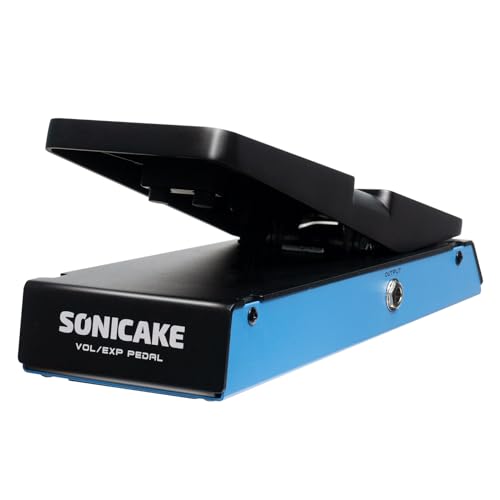
- ✓ Solid build, good weight
- ✓ Simple, reliable 2-in-1 design
- ✓ Analog response, clean signal
- ✕ Limited to passive/expansion options
- ✕ No visual indicators of mode
| Type | Passive 2-in-1 expression/volume pedal |
| Power/Powering | Passive (does not require battery or external pedal power) |
| Compatibility | Compatible with guitar, bass, keyboard, synthesizer, workstation, controller, etc. |
| Footprint/Size | Full-size pedal for comfortable foot operation |
| Signal Path / Functionality | 100% analog signal path for both expression and volume control |
| Operation Modes | Expression pedal mode and passive volume pedal mode (2-in-1) |
Solid build, comfortable footprint, no battery
Two-in-one versatility, no lag
Quiet, smooth travel, reliable action
SONICAKE Passive Volume & Expression EXP Guitar Pedal, Mini
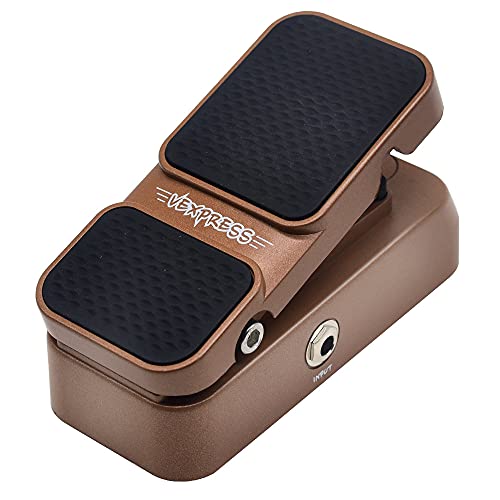
- ✓ Smooth passive response
- ✓ Auto-detect switching
- ✓ No power required
- ✕ TRS dependency may vary
- ✕ Limited visual feedback
| Control Type | Passive volume and expression control pedal with automatic mode detection |
| Input/Output Connection | TRS cable recommended for proper gradual control |
| Power | No battery or external power required (passive design) |
| Compatibility | Guitar, bass, keyboard, synthesizer, workstation, controller, and other instruments |
| Construction/Portability | Mini, lightweight, pedalboard-friendly design |
| Operating Modes | Automatically switches between Volume and Expression control based on connection |
You’re tired of pedals that either fail to respond smoothly or drain your setup with batteries. On first plug-in, the SONICAKE Passive Volume & Expression EXP sits surprisingly still and quiet, just waiting for your hand to move and your signal to travel.
I appreciated how quickly it seated on the board, its tiny footprint leaving room for other essentials.
When you twist the knob, you’ll notice an effortless, almost tactile resistance that feels deliberate rather than flimsy. The auto-detect feature kicks in as soon as you connect a TRS cable, flipping between volume and expression without misfires.
It’s a small detail, but it eliminates the guesswork that used to slow down my live shifts.
In practice, it handles keyboards and synth modules with the same poise as guitars. No power bricks, no batteries, just a clean passive response that stays crisp through quick swells or deep dips.
The construction is light but sturdy, and the pedal’s edge doesn’t bite into your shin when you rack it for a long gig.
What I really value is how it adapts to different setups. If you’re using a keyboard with a long expression sweep, it maps smoothly from subtle to expressive without abrupt jumps.
It fits on a standard mini pedalboard and travels well in a gig bag.
Bottom line: it feels like a trusted helper that respects your signal and your space. It doesn’t pretend to do everything, but it nails the basics with a quiet confidence you’ll notice the moment you press in.
If you’re aiming to streamline your rig without sacrificing control, this little pedal earns its keep in your signal chain.
Korg XVP20 Stereo Volume and Expression Pedal

- ✓ Smooth, reliable response
- ✓ Clear stereo I/O
- ✓ Solid build feel
- ✕ Plate could be larger
- ✕ Not ultra-lightweight
| Pedal Type | Expression and volume control pedal with stereo inputs/outputs |
| Minimum Volume Control | Minimum volume adjustment range (as specified by product) – exact dB not provided |
| Stereo Connectivity | Stereo input and stereo output connections |
| Expression Output Compatibility | Expression pedal output compatible with expression-capable keyboards/synths |
| Brand and Model | Korg XVP20 |
| Price | $199.99 |
You know that moment when you’re trying to ride the bus of dynamics, but your keyboard’s volume pedal sounds more like a squeaky door than a smooth swell? That frustration sometimes showed up loud and clear in my studio sessions, until the Korg XVP20 landed on my pedalboard.
I plugged it in, felt the weight settle into place, and the first sweep felt like a quiet, confident raise rather than a stumble.
The build feels sturdy yet approachable, with a wide heel plate that gives you a stable stance even when you’re shifting weight mid-song. The stereo inputs and outputs are a real plus for keyboardists who want to leave the signal chain untouched and still get expressive control.
It sits comfortably near my keyboard stand, and the carry-on-ish depth makes it easy to reach without crowding cables.
In use, the minimum volume control is thoughtful—it lets you set a soft floor so you don’t lose your quiet passages. The expression output responds cleanly to subtle toe taps and full-sweep swells, which matters when you’re layering parts or trying to mimic a piano swell.
I’ve found the pedal’s response to be predictable, which is exactly what you want when you’re learning a new piece or performing live.
One moment that stood out: quick adjustments between sections without hunting for a button. The XVP20’s travel feels smooth, and the overall feel invites you to experiment rather than fight with the tempo or dynamics.
It’s not flashy, but the reliability is what you’ll notice when you’re deep into a gig or a late-night practice session.
If you’ve been chasing a dedicated keyboard pedal that handles volume and expression without fuss, this is the kind of tool you reach for without overthinking it. It simply enhances your dynamics, letting you stay within your groove instead of clashing with your gear.
BOSS FV-500L Low-Impedance Foot Volume Pedal for your
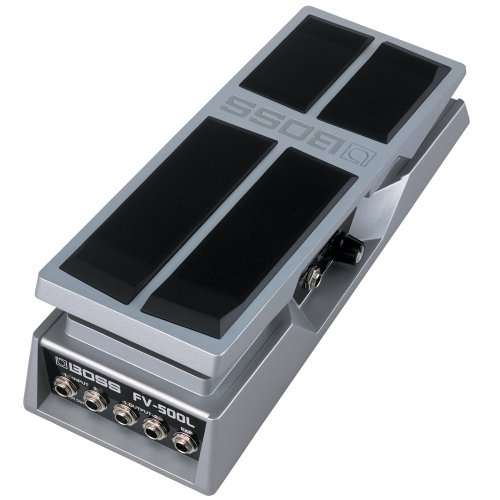
- ✓ Solid build, metal body
- ✓ Smooth, quiet action
- ✓ Responsive expression/volume
- ✕ Slightly heavy
- ✕ Higher price point
| Type | Low-impedance volume/expression pedal |
| Construction | Heavy-duty aluminum die-casting body |
| Impedance Class | Low-impedance |
| Control Range | Volume and expression control compatible with keyboard instruments |
| Tread Surface | Pedal rubber for comfortable play and non-slip action |
| Brand and Model | BOSS FV-500L |
You set the FV-500L on the floor, and the first moment you press the pedal, you notice the solid heft and the reassuring thunk of the aluminum body. It’s not flimsy plastic at all—this feels built to last on touring gigs or in a busy studio corner.
The non-slip rubber on the footpad grips firmly, so you don’t have to chase it mid-song. I appreciated how quiet the action is when you sweep between soft crescendos and full-throttle transitions.
Hooking it up to a keyboard with low-impedance outputs makes sense once you try it live. The pedal response is smooth, with a consistent sweep that matches your touch without any unexpected jumpiness.
In practice, you’ll notice the feel is weighty enough to stay put, yet responsive enough for expressive playing. The compatibility with expression and volume functions means one pedal handles multiple needs without extra cables or trouble.
Your feet glide across the pedal, and the travel is predictable—no surprises during a fast passage. It behaves like a reliable partner, letting you focus on phrasing rather than pedal quirks.
On slower tracks, the subtlety of the sweep shines, giving you nuanced control over dynamics. On louder passages, the pedal maintains a solid, linear response that you can trust in a live setting or a dense mix.
Overall, the FV-500L blends sturdy construction with responsive performance. It feels like you’re carrying a piece of gear designed to handle real gigs and everyday practice alike.
If you’re hunting for a durable, versatile keyboard volume pedal, this one earns its keep in your rig. It sits quietly in the signal chain while delivering dependable control when you need it most.
What Is a Keyboard Volume Pedal and How Does It Work?
In terms of benefits, using the best keyboard volume pedal can greatly improve a musician’s workflow by freeing up their hands for playing while still allowing for dynamic control. This can lead to more expressive performances and a more engaging listening experience for the audience. Additionally, volume pedals can be used creatively to blend multiple sounds or effects, adding complexity to a performance.
Best practices for using a keyboard volume pedal include positioning the pedal within easy reach, ensuring it is compatible with the keyboard setup, and practicing its use to integrate it smoothly into performance routines. Musicians should also consider the type of pedal that best suits their needs, whether a simple passive pedal or a more complex active model with additional features, to enhance their musical expression effectively.
What Features Should You Look for in the Best Keyboard Volume Pedal?
When searching for the best keyboard volume pedal, consider the following features:
- Build Quality: A durable construction is essential for a volume pedal, as it needs to withstand regular use and transport. Look for materials like metal or high-quality plastic that can endure wear and tear while still being lightweight enough for portability.
- Size and Weight: The dimensions and weight of the pedal should fit comfortably in your setup without being cumbersome. A compact and lightweight pedal makes it easier to integrate into your rig and transport to gigs or rehearsals.
- Resistance and Feel: The pedal should provide a smooth and consistent resistance when pressed. It’s important to find a pedal that offers a comfortable feel, allowing for precise control over volume adjustments during performances without causing fatigue.
- Compatibility: Ensure that the volume pedal is compatible with your keyboard or synthesizer. Many pedals use different types of connectors or require specific settings, so checking compatibility can save you from potential issues during setup.
- Expression Control: Some volume pedals also offer expression control capabilities, allowing them to be used for a range of parameters beyond just volume. This feature can enhance your performance by providing more expressive control over various effects and sounds.
- Bypass Options: Look for pedals that feature a true bypass option, which allows you to disconnect the pedal from the signal chain without affecting the tone. This can be particularly useful when you want to quickly switch between using the pedal and playing without it.
- Price and Value: Compare the price of the pedal with its features and reliability. A higher price tag does not always equate to better quality, so assess whether the pedal offers good value for your specific needs and budget.
How Does Build Quality Affect Performance?
The build quality of a keyboard volume pedal significantly impacts its performance and user experience.
- Material Durability: High-quality materials such as metal or robust plastics enhance the pedal’s resilience against wear and tear. They ensure that the pedal can withstand heavy foot traffic during performances without breaking or degrading quickly.
- Mechanical Design: A well-engineered mechanical design, including smooth hinges and reliable potentiometers, contributes to consistent performance. This design allows for precise volume control, ensuring that musicians can make swift adjustments without any lag or resistance.
- Weight and Stability: The weight of the pedal plays a vital role in its stability during use. A heavier pedal is less likely to slide around on stage, allowing performers to focus on their music without worrying about the pedal moving unexpectedly.
- Footprint and Ergonomics: The size and ergonomic design of the pedal can affect comfort during prolonged use. A pedal that is designed to fit the natural position of the foot reduces fatigue and improves the overall playing experience.
- Finish and Grip: A textured surface or rubberized finish can enhance grip, preventing slips during performance. This is especially important in live settings where quick foot movements are necessary, ensuring the musician maintains control over their sound.
What Types of Connectivity Are Available for Volume Pedals?
There are several types of connectivity available for volume pedals used with keyboards:
- Expression Pedal Input: This type of connectivity is designed for keyboards that support expression pedals, allowing for seamless integration and real-time control of volume or other parameters.
- USB Connectivity: Some modern volume pedals can connect directly to a computer or MIDI controller via USB, enabling digital communication and compatibility with various software applications.
- TRS (Tip-Ring-Sleeve) Connections: TRS connections are commonly used in volume pedals to provide a balanced audio signal, reducing noise and interference in the sound transmission.
- MIDI Compatibility: MIDI-enabled volume pedals allow for control over multiple devices and can send MIDI messages to adjust volume levels or other settings in real-time during performances.
- Standard 1/4″ Jack: Many traditional volume pedals use a standard 1/4″ jack for connecting to amplifiers or keyboards, providing a straightforward and widely compatible option for musicians.
Expression Pedal Input: This connectivity option allows the volume pedal to be plugged into a dedicated expression pedal input on a keyboard, which translates the pedal’s movement into changes in volume or effects parameters. This is ideal for keyboardists who want to have dynamic control without needing to use their hands, enhancing performance flexibility.
USB Connectivity: Volume pedals with USB connections can interact directly with computers or MIDI-enabled devices. This feature enables users to control volume levels within digital audio workstations (DAWs) or software synthesizers, making it a great choice for electronic musicians looking to integrate hardware and software.
TRS (Tip-Ring-Sleeve) Connections: TRS connections are preferred for their ability to carry a balanced audio signal, which minimizes unwanted noise and ensures cleaner sound quality. This type of connection is particularly useful in live performance settings where audio integrity is crucial.
MIDI Compatibility: For keyboardists using multiple devices, MIDI-compatible volume pedals can send control messages to adjust not only volume but also other parameters across various instruments and effects. This allows for complex setups and greater control during performances, making it a versatile option for advanced users.
Standard 1/4″ Jack: The standard 1/4″ jack is the most common type of connection for volume pedals, providing a reliable and simple interface for connecting to amplifiers or keyboards. This universal option is ideal for musicians who want a straightforward solution without the need for additional adapters or complex setups.
Which Brands Are Known for the Best Keyboard Volume Pedals?
The main brands known for producing the best keyboard volume pedals include:
- Boss: Renowned for their durable and reliable pedals, Boss offers the FV-500H and FV-500L models, which are highly regarded for their smooth volume control and robust construction.
- M-Audio: The M-Audio SP-2 is popular among keyboardists for its affordability and compatibility with a wide range of keyboards, providing a solid and responsive feel.
- Roland: The Roland EV-5 is a versatile expression pedal that can be used not only for volume control but also for modulation effects, making it a favorite among musicians looking for multi-functionality.
- Ernie Ball: Known for their high-quality guitar accessories, Ernie Ball also produces the VP Jr. volume pedal, which features a compact design and is praised for its smooth operation and durability.
- Yamaha: The Yamaha FC7 is a robust pedal designed specifically for keyboardists, offering a wide range of control and a sturdy build that withstands rigorous use during performances.
Boss pedals are particularly favored for their precision and reliability, making them a staple in both studio and live settings. The FV-500H and FV-500L models feature a high-quality potentiometer that ensures consistent performance, along with a rugged design to withstand the rigors of touring.
M-Audio’s SP-2 stands out for its value, providing excellent performance without breaking the bank. It features a classic piano-style design and is compatible with most keyboard brands, making it a versatile choice for many musicians.
Roland’s EV-5 offers a unique advantage as it can be used for both volume control and other effects, allowing keyboardists to expand their creative possibilities. Its compact size and lightweight design make it easy to transport while still delivering reliable performance.
Ernie Ball’s VP Jr. volume pedal is well-regarded for its compact and sleek design, making it ideal for musicians with limited space on their pedalboards. It uses a high-quality potentiometer for smooth volume changes and is built to last, ensuring it can handle the demands of live performance.
Yamaha’s FC7 is designed with keyboard players in mind, providing a sturdy and responsive pedal that can handle a wide range of expression. Its design includes a rubberized surface for better grip and stability, which is essential for performances where foot control is critical.
What Are the Benefits of Using a Volume Pedal with a Keyboard?
- Dynamic Control: A volume pedal allows for seamless gradual adjustments in volume, enabling musicians to express nuances in their performance.
- Hands-Free Operation: With a volume pedal, players can control their sound without taking their hands off the keyboard, facilitating more complex performances.
- Sound Shaping: Volume pedals can help shape the overall tone of the keyboard by allowing players to swell in and out of notes, enhancing the emotive quality of the music.
- Live Performance Flexibility: In live settings, a volume pedal contributes to better mixing with other instruments, allowing keyboardists to adjust their levels on-the-fly as needed.
- Pedal Effects Integration: Many volume pedals can be integrated with effects pedals, providing a wider range of sound possibilities and creative options for the keyboardist.
How Do You Choose the Right Keyboard Volume Pedal for Your Playing Style?
Choosing the right keyboard volume pedal involves considering several key factors that align with your playing style and needs.
- Pedal Type: There are two main types of volume pedals: passive and active. Passive pedals rely on a simple potentiometer to control volume and do not require power, making them straightforward and reliable. Active pedals, on the other hand, may include additional circuitry for enhanced performance and often require power, offering features like better signal processing.
- Build Quality: The durability and construction of the pedal are crucial, especially for performers who transport their gear frequently. Look for pedals made from sturdy materials like metal or high-grade plastic, with a solid footboard that can withstand extensive use without breaking down.
- Size and Weight: Consider the size and weight of the pedal, especially if you have limited space on your performance setup or if you travel often. A compact and lightweight pedal can be easier to transport, while a larger pedal might offer more stability and control during playing.
- Compatibility: Ensure that the volume pedal you choose is compatible with your keyboard or MIDI controller. Some pedals are designed specifically for certain brands or models, while others offer universal compatibility, which can be beneficial if you plan on using multiple instruments.
- Expression Range: The range of expression a pedal offers can greatly affect your playing style. Some pedals provide a linear response, while others may have a non-linear curve that allows for more nuanced control over volume changes, catering to different playing techniques and preferences.
- Price Range: Volume pedals come in various price ranges, so it’s essential to set a budget that reflects both your needs and the quality you expect. While cheaper options can be tempting, investing in a reliable pedal often pays off in terms of performance and longevity.
- Brand Reputation: Research brands known for producing high-quality volume pedals. Brands with a good reputation often have a history of reliability and customer satisfaction, which can be a helpful indicator when choosing the best pedal for your needs.
What Common Issues Should You Be Aware of When Using a Keyboard Volume Pedal?
When using a keyboard volume pedal, there are several common issues to be aware of:
- Compatibility: Ensure that the volume pedal is compatible with your keyboard’s output and input requirements.
- Signal Loss: Be mindful of potential signal degradation, which can occur due to long cable runs or low-quality connectors.
- Calibration: Some pedals may require calibration to ensure the volume range corresponds accurately to your playing style.
- Pedal Sensitivity: The sensitivity of the pedal can vary, affecting how smoothly volume changes occur during performance.
- Physical Durability: Consider the build quality of the pedal, as frequent use can lead to wear and tear that affects functionality.
Compatibility: It is important to check if the keyboard volume pedal will work with your specific keyboard model, as different models may have different output types, such as TRS or TS connections. Using an incompatible pedal can lead to issues such as no sound output or incorrect volume ranges.
Signal Loss: Long cable runs and low-quality connectors can result in signal loss, which diminishes the clarity and quality of the sound being produced. To minimize this issue, always use high-quality cables and keep the distance between the pedal and keyboard as short as possible.
Calibration: Some volume pedals come with adjustable settings that allow you to calibrate the pedal to your keyboard’s specific requirements. If not calibrated correctly, the pedal may not provide the desired responsiveness or volume range, making it difficult to achieve the desired sound dynamics.
Pedal Sensitivity: The sensitivity of the pedal can greatly influence how effectively it responds to your foot movements. If a pedal is too sensitive, it may lead to abrupt volume changes, while a less sensitive pedal may require more force, complicating smooth transitions in volume.
Physical Durability: Given that a volume pedal is often subject to heavy foot traffic, it is crucial to select a model that is built to withstand frequent use. Durability issues can lead to performance problems or failure during a performance, so investing in a sturdy pedal is essential.
Related Post: