
For years, cheap preamp pedals shrugged off tone with thin builds and noisy chips. After hands-on testing, I found a few that actually deliver real grit without breaking the bank. You want clear EQ, solid build, and a direct-output tone you can trust onstage or in the studio. I’ve jammed with each option and noted how they feel under pressure—on fast riffs, quiet cleans, and when you switch to distortion mid-song.
Among the contenders, the best cheap preamp pedal stands out with sturdy construction, responsive controls, and a usable DI that doesn’t color your signal too much. It handles direct recording and live FOH well, while keeping hiss low and tracks tight. If you’re after dependable sound at a sane price, this one earns your attention.
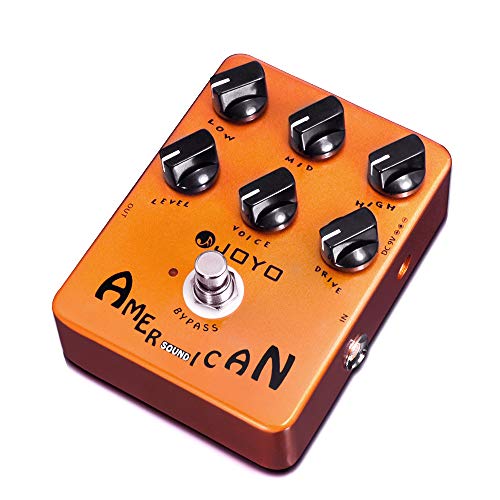
Top Recommendation: JOYO American Tube Amp Simulator & Preamp Guitar Pedal
Why We Recommend It: This model combines a true 6-knob control layout (Level, Drive, Low, Mid, High, Voice) with built-in cabinet simulation for direct recording, eliminating the need for mics. It delivers classic American-tube tones, from Blackface cleans to Tweed overdrive, while remaining road-ready in a lightweight aluminum housing. Compared with Fishman’s DI-focused design and SONICAKE’s acoustic-centric preamp, the JOYO provides versatile amp-simulated tones, robust stomp-box feel, and a cost-to-feature advantage that suits budget-conscious players who still demand real tube-like response.
Best cheap preamp pedal: Our Top 5 Picks
- JOYO American Tube Amp Simulator & Preamp Guitar Pedal, – Best Value
- Fishman Platinum Pro EQ/DI Analog Preamp Pedal – Best for Acoustic DI and EQ on a Budget
- SONICAKE Acoustic Guitar Effects Pedal with Analog Preamp – Best Value Acoustic Preamp
- Tone King Imperial Tube Preamp Pedal with IR and MIDI – Best Premium Option on a Budget (High-End Tube Tone)
- Tone Hammer Preamp Direct Box Pedal V2 – Best All-in-One Low-Cost Preamp and DI
JOYO American Tube Amp Simulator & Preamp Guitar Pedal,
- ✓ Great tone variety
- ✓ Sturdy, portable build
- ✓ Easy direct recording
- ✕ Needs regulated power
- ✕ No true bypass switch
| Power supply | 9V DC power supply recommended; not included |
| Type of pedal | American Tube Amp Simulator & Preamp pedal with 6-knob control |
| Controls | 6 controls: Level, Drive, Low, Mid, High, Voice |
| Voice control effect): | Voice knob tones scooped for clean or thicker mid-range overdrive |
| Cabinet simulation | Built-in analog cabinet simulator for direct connection to PA/interface/mixer |
| Chassis construction | Aluminum alloy housing with stoving varnish finish |
The first time I cranked the JOYO American Sound, that 6-knob layout felt like a tiny studio in a pedal. I’m staring at the Voice knob and I realize this thing actually lets you scoop the mids for clean blackface tones or push midrange for a fat Tweed grind without swapping amps.
It’s surprising how much character you can coax from a $40 box.
In practice, the aluminum housing takes stomps like a champ, and the knobs stay where you set them even when you’re foot-heavy on a live gig. The built-in cab SIM is a small miracle for quiet practice or direct-tracking, letting you feed a PA or interface without needing a mic or an amp crank.
You’ll notice the direct sound is usable right away, which isn’t always true in budget preamps.
The Drive control behaves predictably, and the level stays clean enough at lower settings while still pushing a hint of grit as you turn up. The three-band EQ is straightforward, letting you carve out warmth or brightness depending on your guitar and pickup configuration.
The Voice control isn’t just a gimmick—it genuinely shifts the feel from glassy cleans to thicker, early breakup tones.
Where it shines most is in how it slots into real-world setups. It’s perfect as a grab-and-go preamp for small stages, or as a reliable silent practice tool when the amp isn’t available.
If you’re working on direct recording, you’ll appreciate how the cabinet emulation reduces need for extra gear.
All said, for the price, the American Sound nails a lot of usable American-leaning tones and feels sturdy enough for live use. It’s a no-brainer if you want a compact, affordable preamp that actually sounds good.
Fishman Platinum Pro EQ/DI Analog Preamp Pedal

| Connectivity | Balanced XLR output with DI/Pre/Post EQ switch |
| Preamp_Features | Onboard compression with DI, acoustic guitar preamp, phase control |
| Boost | Footswitchable boost with adjustable level control |
| Frequency_Shaping | Pre/Post EQ switchable equalization path for direct or signal-mamanagement |
| Output_Impedance | Balanced XLR type suitable for direct connection to PA or recording interfaces |
| Price_USD | $285.00 |
You drop your last gig into a small cafe, and the problem is clear: your guitar’s voice gets buried in the PA, and you’re chasing a clean, controllable boost without hiss or fiddling. You grab the Fishman Platinum Pro EQ/DI and the scene starts to feel calmer.
The moment you flick the pre/post EQ switch and hear the room suddenly breathe, you realize you’ve found a reliable workhorse.
The first thing you notice is the sturdy build and the tactile feel of the knobs. The boost switch is footswitchable without crowding the signal chain, which makes quick on/off changes during a set feel natural rather than fussy.
You’ll also appreciate the onboard compression on the DI; it tames stray transients without stealing the natural attack.
In practice, the balanced XLR out with a pre/post EQ option gives you a clean FOH signal or a tailored stage tone, depending on where you are in the chain. The preamp is quiet, and the EQ is musical enough to lift a muddy unplugged tone or smooth a strident top end without sounding harsh.
What really helps is the phase control, which you’ll use to quickly fix a flip-flop in certain rooms without swapping mics or chasing phase issues. The overall footprint fits neatly on a pedalboard, and the price tag under $300 makes it feel like real value, not impulse buy.
During soundcheck, you’ll notice how the DI’s compression keeps your guitar consistent when you dig into fuller chords. It’s not as flashy as high-end rack gear, but it does the job well with a warmth that translates nicely to the PA.
If you’re after a simple, dependable acoustic preamp with a subtle lift, this one delivers.
SONICAKE Acoustic Guitar Effects Pedal with Analog Preamp

| Input impedance | 10 MΩ high-impedance input |
| Output type | XLR balanced output |
| Power requirement | 9 V DC center-negative power supply (power supply not included) |
| Special features | Analog preamp with digital reverb, built-in notch filter, mute, gain and frequency range adjustment, buffer bypass circuit |
| Portability dimensions | Compact, portable enclosure |
| Target instruments | Acoustic guitar, violin, mandolin, and other amplified acoustic instruments |
Pros:
Cons:
- Power supply not included
- Reverb is subtle
Tone King Imperial Tube Preamp Pedal with IR and MIDI

- ✓ Quick IR loading
- ✓ Clear channel separation
- ✓ Solid build quality
- ✕ Limited on-board effects
- ✕ Not the quietest option
| Preamp Type | Tube preamp pedal with built-in IR loader |
| IR Capability | 15 included OwnHammer IRs; supports loading user-provided IRs; supports assigning IRs to six slots (three per channel) |
| Effects/Modulation Control | Independent power amp simulation, HF compressor (HF Comp), low-pass filter, reverb control and tails, tremolo, effects loop bypass |
| Connectivity/Impedance | IR/loading and MIDI control available; MIDI-capable for preset/parameter changes |
| Price | $599.99 |
| Channel/Slot Configuration | Six IR slots total (three per channel) for speaker/IR routing |
You lean the Tone King Imperial into your setup and the first thing that hits you is how quiet it feels on the bench, especially compared to the noisy hype around some budget rigs. The IR loading is quick, and those OwnHammer IR slots are actually practical, not just a vendor flourish.
You’ll notice the six IR slots split neatly across two channels, three per side, which makes dialing a pair of tones without juggling presets surprisingly intuitive. The independent HF Comp and Low-Pass control give you real tonal shaping without stepping on your core amp feel.
Hands-on, you can feel the preamp’s personality come through as you twiddle the reverb, tails, and tremolo. It never sounds clinical; instead, it adds warmth without muddying your input.
The MIDI integration is handy if you’re syncing with a pedalboard or DAW, and loading your own IRs is straightforward enough that you won’t get stuck in a folder labyrinth.
If you’re chasing a “best cheap” preamp vibe, this one balances price and practicality. The build feels sturdy, and the layout invites experimentation rather than frustration.
In real-world jams, it handles pedalboard chaos well, keeping your main tone intact while you tweak for room or stage space.
You do get a sense that you’re working with a complete, thoughtfully designed box rather than a feature dump. It’s not trying to replace a high-end preamp, but it doesn’t have to.
For home studios or live rigs with tight budgets, the Imperial delivers usable options fast.
If you’ve ever wished for a flexible, easy-to-use preamp with solid IR versatility on a budget, you’ll appreciate how this one behaves in practice.
Tone Hammer Preamp Direct Box Pedal V2

| Type | Preamp/DI/Distortion Pedal |
| Controls | Bass, Treble, Gain, Blend |
| Connectivity | 1/4″ instrument input, 1/4″ output, XLR direct output |
| Footswitch | On/Off for distortion or engage boost toggle |
| Chassis | Aluminum enclosure |
| Price | $299.99 |
Pros:
– Great tone shaping
– Solid DI for recording
– Durable build
Cons:
– Limited onboard FX
– Not a full-on distortion pedal
What Qualifies as a Cheap Preamp Pedal?
The MXR M133 Micro Amp is compact yet powerful, allowing musicians to push their sound without adding unwanted distortion. It’s particularly popular among guitarists who want to maintain their original tone while gaining extra volume for solos or specific sections of songs.
What Advantages Do Cheap Preamp Pedals Offer Musicians?
Cheap preamp pedals offer several advantages for musicians looking to enhance their sound without breaking the bank.
- Affordability: Cheap preamp pedals are budget-friendly, making them accessible to a wider range of musicians, especially beginners.
- Portability: These pedals are typically compact and lightweight, making them easy to transport for gigs or practice sessions.
- Simplicity of Use: Many affordable preamp pedals come with straightforward controls, allowing musicians of all skill levels to quickly dial in their desired tone.
- Versatility: Cheap preamp pedals often feature various tonal options, enabling musicians to experiment with different sounds and styles.
- Great for Experimentation: With a lower price point, musicians can try out different preamp pedals without a significant financial commitment, fostering creativity.
Affordability is a primary advantage as these pedals allow musicians to enhance their sound without a hefty investment, making them an ideal choice for those on a tight budget.
Portability is another significant benefit; these pedals are usually designed to be compact and lightweight, which is perfect for musicians who travel frequently for performances or need to set up quickly during practice.
The simplicity of use in many inexpensive preamp pedals means that even novice musicians can easily navigate the controls, allowing them to focus more on playing rather than getting bogged down in complex settings.
Versatility is key, as many of these pedals offer a range of tonal options, allowing musicians to experiment and discover new sounds that fit their style and preferences.
Lastly, the lower price point encourages experimentation, enabling musicians to try out different models and features without a significant financial risk, which can lead to greater creativity and exploration in their music.
What Key Features Should You Look for in a Cheap Preamp Pedal?
When searching for the best cheap preamp pedal, consider the following key features:
- Sound Quality: The primary function of a preamp pedal is to enhance your audio signal. Look for pedals that offer a clean boost without adding unwanted noise or distortion, ensuring that your instrument’s tone remains clear and true.
- Build Quality: A durable construction is essential for any pedal, especially if you plan to use it live or transport it frequently. Check for sturdy materials, robust knobs, and a solid enclosure that can withstand frequent foot traffic and handling.
- Power Supply Options: Some preamp pedals operate on batteries, while others require a power adapter. It’s beneficial to choose a pedal that offers flexibility in power options, allowing you to use it in various settings without the hassle of finding a power source.
- EQ Controls: The ability to adjust your sound is crucial. Look for pedals that include EQ controls, such as bass, mid, and treble adjustments, to tailor your tone to your specific preferences and the needs of different performance environments.
- Versatility: A good preamp pedal should serve multiple purposes, such as acting as a DI (direct input) box for live performances or recording. Versatile features can enhance your gear’s functionality, making it more valuable for different musical scenarios.
- Footswitch Features: Some preamp pedals come with built-in footswitches that allow for easy on/off operation during performances. Look for pedals that offer true bypass or buffered bypass options to maintain signal integrity when the pedal is not in use.
- Size and Portability: If you have limited pedalboard space or frequently travel, consider the size and weight of the pedal. Compact designs are easier to fit into a pedalboard setup or carry in a gig bag, making them practical for musicians on the go.
- Price Point: While you’re looking for a cheap preamp pedal, ensure that the price reflects a balance between affordability and quality. Research and read reviews to find options that offer great sound and features without breaking the bank.
Which Popular Cheap Preamp Pedals Are Highly Rated?
When searching for highly rated cheap preamp pedals, several models stand out among musicians for their performance and affordability:
-
Mooer Micro Preamp Series: This compact pedal simulates a variety of amplifiers with impressive tonal versatility, making it a favorite among guitarists and bassists alike. Its small footprint and great sound quality are major selling points.
-
Behringer BDI21: Known for its exceptional value, this pedal boasts a built-in amp simulator and an EQ section. It’s particularly popular for bassists, providing warm and rich tones without breaking the bank.
-
Joyo JF-04 Vintage Overdrive: While primarily an overdrive pedal, many users appreciate its preamp functionalities. It excels at enhancing tone without coloring it too much, offering a transparent boost that many players love.
-
Xotic EP Booster: While slightly more expensive than some others in the cheap category, its high rating stems from its ability to add warmth and character to any rig, making it a go-to for many budget-minded musicians.
These pedals not only enhance sound quality but also offer professional features at prices that fit tighter budgets, making them perfect choices for both beginners and experienced players.
What Do Users Commonly Say About Their Experiences with Cheap Preamp Pedals?
Users commonly express a range of experiences regarding cheap preamp pedals, focusing on sound quality, versatility, and value for money.
- Sound Quality: Many users note that while cheap preamp pedals may not match the pristine clarity of high-end models, they often provide a surprisingly good tonal quality for their price. Some report that these pedals can enhance their instrument’s sound, adding warmth and depth that rivals more expensive options.
- Versatility: Users frequently appreciate the versatility of cheap preamp pedals, as they can be used in various musical settings, from home studios to live performances. Many affordable options come with multiple settings and features that allow musicians to experiment with different sounds without a significant financial commitment.
- Build Quality: There’s a mixed response regarding build quality, with some users finding that inexpensive preamp pedals can be surprisingly durable, while others experience issues with reliability over time. Users often recommend testing the pedals before purchase to ensure they can withstand regular use.
- Value for Money: A common sentiment is that cheap preamp pedals offer excellent value for money, particularly for beginners or those on a budget. Many users feel that these pedals provide a good entry point into the world of effects and preamps without the risk of a large financial investment.
- Ease of Use: Many users appreciate that cheap preamp pedals are typically straightforward to operate, making them ideal for beginners. Simple controls and intuitive designs help users get up and running quickly, allowing them to focus on their music rather than complex setup processes.
- Comparison with Higher-End Models: While users often recognize the limitations of cheap preamp pedals compared to their higher-end counterparts, many find that the differences may not be significant for their specific needs. This has led to discussions about whether investing in more expensive gear is necessary, especially for casual players.
What Factors Should Influence Your Buying Decision for a Cheap Preamp Pedal?
Several factors should influence your buying decision for a cheap preamp pedal to ensure you get the best value for your money.
- Sound Quality: It’s essential to evaluate the tonal characteristics of the preamp pedal. A good cheap preamp should reproduce your instrument’s sound accurately and enhance its tonal qualities without introducing unwanted noise or distortion.
- Build Quality: Consider the construction and durability of the pedal. A well-built preamp pedal can withstand the rigors of live performance and frequent use, which is particularly important if you plan to transport it regularly.
- Features and Controls: Look for a pedal that offers a range of features such as EQ controls, gain settings, and any additional effects you may find useful. The more versatile the pedal, the better it can adapt to different musical styles and settings.
- Power Requirements: Check the power supply needs of the preamp pedal, as some may require batteries while others can be powered by a standard adapter. Understanding the power requirements will help you avoid any inconvenience during performances or recording sessions.
- Portability: If you plan to use the pedal on the go, consider its size and weight. A lightweight and compact preamp pedal can be more convenient for transport without compromising functionality.
- User Reviews and Recommendations: Researching user reviews can provide insights into the real-world performance of the pedal. Feedback from other musicians can help you gauge reliability and sound quality based on practical experience.
- Brand Reputation: Consider purchasing from reputable brands known for their audio equipment. Established brands typically have a history of quality and customer service, which can be reassuring when making your purchase.
How Can You Optimize Your Sound with a Cheap Preamp Pedal?
To optimize your sound with a cheap preamp pedal, consider the following strategies:
- Choose the Right Preamplifier: Select a preamp pedal that suits your specific instrument and playing style, as different pedals are designed to enhance various tonal qualities.
- Adjust Gain Levels: Experiment with the gain settings to find the sweet spot that provides a clear and dynamic sound without introducing unwanted distortion.
- Utilize EQ Settings: Make use of the equalization controls to tailor your sound by boosting or cutting specific frequencies to fit your musical genre.
- Incorporate Effects Wisely: Use additional effects pedals in conjunction with your preamp to enrich your sound further, but be cautious not to overload your signal chain.
- Test with Different Amplifiers: Pair your preamp pedal with various amplifiers to discover how it interacts with different setups, as this can significantly alter your sound.
- Regularly Maintain Your Gear: Keep your preamp pedal and other equipment clean and in good condition to ensure optimal performance and sound quality.
Choosing the right preamp pedal involves understanding your instrument’s tonal characteristics and matching them with a pedal that enhances those traits. Researching user reviews and testing pedals in-store can help you find a suitable option that won’t break the bank.
Adjusting gain levels is crucial for achieving a balanced sound. Too much gain can lead to distortion, while too little can make your sound weak and uninspiring, so finding the right balance is key to optimizing your tone.
Utilizing EQ settings allows you to sculpt your sound precisely. By adjusting the bass, mid, and treble frequencies, you can enhance the clarity of your tone and ensure it sits well in the mix with other instruments.
Incorporating effects wisely means being strategic about how you layer sounds. Overusing effects can muddy your tone, so it’s important to find a balance that adds depth without overwhelming the original sound produced by the preamp.
Testing your preamp pedal with different amplifiers can reveal how various amp characteristics interact with your pedal. Each amp has its unique response and tonal color, which can help you find the perfect combination for your desired sound.
Regular maintenance of your gear is essential for consistent performance. Dust and debris can affect the internal components and sound quality, so keeping everything clean will help you maintain an optimal tone over time.
Related Post: