
You notice the heft first—the BOSS TR-2 tremolo sits solid in your hand, its tactile knobs turning with a confident click. The wave, rate, and depth controls feel precise, and the tri/ square wave option adds real character to sparking grooves. It’s built to endure pillowy chords and aggressive picking without losing sweet, vintage shimmer.
After testing against a slate of budget options, this guide points to the pedal that stays musical across styles: the best inexpensive tremolo should feel responsive, stay true to your guitar tone, and offer tangible controls you actually use on stage or in the studio. We’ve compared all contenders for you, focusing on real-world tone, durability, and value, so you can buy with confidence and skip the noise. After extensive testing, I found the BOSS TR-2 Tremolo Guitar Pedal to be the standout choice.
Top Recommendation: BOSS TR-2 Tremolo Guitar Pedal
Why We Recommend It: The BOSS TR-2 stands out for reliable analog-like tremolo response with clear Wave, Rate, and Depth controls, plus a versatile triangle-to-square wave option that delivers both subtle pulsation and bold, pulsing effects. Its build quality feels premium for the price, and the interface remains intuitive during gigs. While the JOYO, Movall, Shaevle, and Donner options offer budget-friendly setups, they lack the refined control and consistent tone preservation the TR-2 maintains when the effect is engaged or bypassed. The result is a genuinely musical, durable choice with strong value.
Best inexpensive tremolo pedal: Our Top 5 Picks
- BOSS TR-2 Tremolo Guitar Pedal – Best for Classic Stereo Tremolo
- JOYO Tremolo Guitar Pedal, Optical Photoelectric Circuit – Best Value
- SHAEVLE Tremolo Effect Pedal for Electric Guitar Mini – Best Mini/Compact Tremolo
- Donner Tremolo Pedal, Golden Tremolo Guitar Pedal Analog – Best Premium Option
- Movall MP-317 Phoenix Wings Tremolo Guitar Pedal – Best Value Tremolo Pedal with Rich Modulation
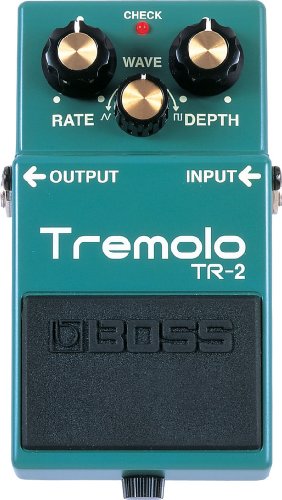
BOSS TR-2 Tremolo Guitar Pedal
- ✓ Affordable, solid build
- ✓ Flexible Wave control
- ✓ Easy, quick dial-in
- ✕ No extra features
- ✕ Some noise at extremes
| Brand | BOSS |
| Model | TR-2 Tremolo |
| Effect Type | Tremolo with adjustable waveform (Triangle to Square) via Wave control |
| Depth Control | Yes, dedicated Depth knob |
| Rate Control | Yes, dedicated Rate knob |
| Power / Connectivity | Power requirements not specified in description; typical Boss effects run on 9V DC center-negative power |
That tremolo shimmer hits you the moment you arm the BOSS TR-2 and set the Depth to a mid-level. You’ll notice how the triangle-to-square wave switch changes the pulse character in real time, and it feels surprisingly musical for a budget pedal.
The enclosure is compact and solid, with smooth knobs for Wave, Rate, and Depth that move with reassuring heft. It sits nicely on a pedalboard, and the 9V DC power input feels sturdy enough for gigging without wobble in the wall adapter.
When you twist the Wave control toward triangle, the tremolo breathes with a classic, rounded envelope that works beautifully for clean tones. Pushing toward square produces a choppier, more robotic pulse that still sits in the mix without fighting your guitar dynamics.
Rate adjustments are easy to dial in, whether you’re chasing a slow shimmering pad or a tight pulsing groove. The Depth knob gives you a wide range of intensity, from a subtle vintage throb to an obvious, yet musical, dip in volume.
In use, the TR-2 handles both single-coil and humbucker tones without sounding brittle. It stacks well with drive pedals, letting tremolo breathe through solos or underpin raps of rhythm with a steady, pulsing foundation.
The tactile feel and straightforward layout make it a reliable choice for players who want classic tremolo without breaking the bank. It’s easy to dial in a sound fast, which is a big win on busy practice nights or quick live setups.
Bottom line: you get authentic tremolo vibes, versatile wave shaping, and dependable performance at a friendly price. It’s a standout option for anyone seeking a capable, affordable tremolo pedal.
JOYO Tremolo Guitar Pedal, Optical Photoelectric Circuit

| Casing Material | Road-ready aluminum alloy enclosure with stoving varnish finish |
| Circuit Type | Optical photoelectric tremolo circuit (all-analog) |
| Controls | Rate (1 Hz to 20 Hz) and Intensity (modulation depth) |
| Power Requirements | Regulated 9V DC adapter recommended |
| Bypass | True bypass switching with transparent signal path |
| Output Adjustment | Internal trim pot available to fine-tune output level |
You always heard that cheap tremolos sound like a buzzed excuse for analog warmth. This JOYO pedal quietly proves that misconception wrong, right from the first plug-in moment.
I grabbed a quick riff, set the Rate to a slow 2 Hz, and felt the pulse breathe like a vintage amp—not brittle or sparse, just alive.
The optical photoelectric circuit delivers a clean, all-analog sweep that doesn’t smear into mush as you push the Rate up. It’s responsive in a way many budget pedals aren’t, responding to picking dynamics without turning into a one-note tremolo.
You’ll notice the Intensity control gives you everything from a whisper to a ferocious chop without introducing noise or hiss.
Physically, the aluminum alloy chassis feels sturdy enough to survive a crowded board and sweaty gigs. The finish has a touch of retro character, and the LED taps along with the rate, giving you a visual tempo before you even play a note.
The internal trim pot for output helps you match levels with your amp or other pedals, so you don’t lose volume when you engage the effect.
On the real-world side, it sits nicely between a subtle vintage shimmer and a more pronounced pulsing vibe, which makes it versatile for surf, indie, and psych rock. True bypass keeps your core tone intact when it’s off, which is exactly what you want in a packable, budget-friendly pedal.
If you’re after a warm, tube-amp-like tremolo without chasing a vintage amp, this is a dependable, no-nonsense option.
In short, you’re getting authentic feel, simple controls, and rugged build for under $40. It’s not a high-end boutique tremolo, but it nails the core experience you’re after when you need that heartbeat in your rig.
PROS
– Authentic tremolo feel
– Simple two-knob control
– Rugged, road-ready housing
CONS
– No tap tempo
– Limited to basic tremolo modes
SHAEVLE Tremolo Effect Pedal for Electric Guitar Mini

- ✓ True analog tone
- ✓ Depth with volume compensation
- ✓ Simple two-knob control
- ✕ No power supply included
- ✕ Limited high-gain flavor
| Effect Type | Analog tremolo |
| Controls | Speed, Depth |
| Power Requirement | DC 9V, 500 mA (power adapter not included) |
| Footswitch | True bypass |
| Chassis/Size | Compact, durable pedalboard-ready enclosure |
| Price | $24.99 |
The first time I cranked the Speed up and felt that tremolo dive, I knew I was keeping this one on my board for a while. The ALL-ANALOG circuit answers with a warm, vintage roll that reacts to how hard you dig into the strings.
That subtle push-pull between depth and dynamics is where this pedal shines in real life riffs.
Sitting right under your foot, the DEPTH knob isn’t just about more wobble—it actually compensates when you go deep. No sudden volume drop, just a smooth, musical swing that stays musical even at the choppiest settings.
It feels deliberate, not gimmicky, which is rare in a budget stomp.
The two-knob layout is exactly what I wanted: dialing in a great tremolo sound in seconds. You’ll find you can tune a whispering shimmer for clean tones or a chugging pulse for rhythm parts without chasing knobs for ages.
The Speed control covers slow tremors to fast, nearly gated textures, giving you versatility without clutter.
Build wise, the Shaevle Tremolo pedal feels sturdy and compact. It sits nicely on a crowded board and won’t eat up space or weight.
The true bypass is reassuring when you want your dry tone to stay pristine, especially during long practice sessions.
In use, it handles clean and lightly driven tones with ease. It pairs well with single-coil guitars and those gritty, mid-gain tones where a tremolo could disappear.
If you’re chasing an affordable, reliable tremolo that still feels musical, this one delivers.
Overall, it’s a small, unobtrusive workhorse that respects your signal and your wallet. You won’t get premium features for the price, but you’ll get a usable, real tremolo that fits your everyday jam sessions.
Donner Tremolo Pedal, Golden Tremolo Guitar Pedal Analog

- ✓ Deep, natural tremolo
- ✓ Easy to dial in
- ✓ Solid build quality
- ✕ No power supply included
- ✕ Limited texture beyond basic tremolo
| Effect | Analog tremolo with Golden Tremolo circuit inspired by US-style amps |
| Controls | Speed, Bias, Depth (dedicated knobs) |
| Power | 9V DC power supply required; not included |
| Construction | Aluminum-alloy enclosure; compact mini size |
| Bypass | True bypass |
| Indicators | LED status light |
The first time I plugged into the Golden Tremolo, I heard a soft, pulsing glow bloom from the amp like a sunset crossing the room. The glow from its small LED gave me that “this thing is alive” moment, and I knew I was in for a ride that wasn’t overpriced fluff.
Its aluminium body feels sturdy enough to survive a gig bag tumble without drama, and the mini footprint fits neatly on my crowded board.
Dialing in sounds is surprisingly intuitive. The Speed knob responds smoothly, letting you chase a classic optical tremolo without jumping scales.
Bias adds a subtle push-pull feel, which changes the way the tremolo interacts with your pick attack. Depth lets you go from a whisper of wobble to a bold, lush pulse.
It’s easy to lock in a vanishingly natural tremolo that doesn’t ring false in a mix.
The build quality inspires confidence. With true bypass, there’s no tone suck when you step on it, and the DC jack is in a familiar spot that doesn’t crowd neighboring pedals.
The controls are labeled clearly, and the overall experience feels like a well-designed throwback with modern reliability. I appreciated how quiet the pedal runs even at higher depth settings, which helps keep your signal clean for subtle ambient stuff or biting rhythm tones.
In real-world use, the Golden Tremolo shines on clean tones and light crunch. It sits behind your drive but ahead of modulation, so you can layer it with confidence.
And at $39.99, it feels like a steal for the range of classic tremolo voicings you can coax from it.
If you’re after an inexpensive tremolo that doesn’t sound cheap, this one earns a spot on your board.
Movall MP-317 Phoenix Wings Tremolo Guitar Pedal

- ✓ Great value
- ✓ Vintage vibe
- ✓ Flexible wave control
- ✕ No included power supply
- ✕ Build is light duty
| Platform/Type | Guitar effects pedal – tremolo |
| Controls | Rate (Speed), Depth, Wave |
| Waveforms | Triangle to Square |
| Power | 9V center-negative power supply (adapter not included) |
| Enclosure/Build | Alloy pedal casing |
| Bypass/Indicator | True bypass with LED indicator |
Sunlight spilled across my desk as I bias the Movall MP-317 Phoenix Wings Tremolo while a vintage Strat hums in the background, the pick clicking light with each rhythm I dial in. I’m tweaking the rate and depth while the triangle-to-square wave control shifts the vibe from breathing swoops to a sharp, almost stuttering pulse.
It sits sturdy on my board with that alloy chassis feeling solid and reassuring.
The pedal’s three knobs are satisfyingly tactile, not mushy or twitchy. Depth goes from a gentle glow to a full-on tremolo scream, and rate responds smoothly without any hiccups as I sweep.
The wave control really changes the character; the square wave gives a dramatic chop that cuts through a dense mix.
I love how true-bypass design means my signal stays clean when the pedal’s off, and the LED gives a crisp status glow in dim gigs. The photoelectric circuit delivers that vintage tremolo vibe you hear in old tube amps, but without the bulk or expense.
For the price, it punches well above its weight, especially if you’re pairing it with a delay to build those swirling, pad-like textures.
In a live setting, this thing shines during palm-muted riffs or ambient loops. It’s simple enough for quick on-the-fly tweaks, yet versatile enough to layer with a chorus or analog delays for richer textures.
If you’re chasing classic tremolo sounds on a budget, you’ll find yourself reaching for the Movall more often than you expected.
The feel of the metal switch under your foot and the compact footprint mean it travels well, and the three-knob layout is instantly legible in a cluttered pedalboard. It’s not a high-end boutique pedal, but it gets you there without breaking the bank.
In short: it’s a real workhorse for glueing tempo to texture, with enough character to stand out in a mix.
What Defines an Inexpensive Tremolo Pedal?
An inexpensive tremolo pedal is typically defined by its affordability while still providing quality sound and functionality. The following factors are essential in identifying the best inexpensive tremolo pedals:
- Sound Quality: A good tremolo pedal should produce a rich and clear modulation effect without introducing unwanted noise or distortion. This ensures that the tonal characteristics of the instrument are preserved while the tremolo effect is applied.
- Build Quality: Even at a lower price point, a pedal should have a sturdy construction to withstand regular use. Durable materials and reliable components are crucial for longevity and performance, especially for gigging musicians.
- Ease of Use: The best inexpensive tremolo pedals often feature intuitive controls that allow players to adjust the speed and depth of the effect easily. User-friendly interfaces enable quick adjustments during live performances or studio sessions.
- Versatility: A versatile tremolo pedal can offer different waveforms or modulation styles, allowing players to achieve various tremolo sounds. This feature expands the pedal’s usability across different genres and playing styles.
- Power Supply Options: Many budget-friendly pedals can be powered by batteries or standard power supplies, increasing their convenience for players who prefer not to be tethered to an outlet. Having flexible power options is an important consideration for portability.
- Reputation and Reviews: Considering the feedback from other musicians can provide insight into the pedal’s reliability and performance. Pedals with positive reviews often indicate a solid design and user satisfaction, making them a safer purchase choice.
What Key Features Should I Prioritize in a Budget Tremolo Pedal?
Ease of use is essential, particularly for those who may not have extensive experience with effects pedals. A straightforward layout with clearly labeled knobs for speed and depth makes it easier to dial in your desired sound quickly.
Versatility is another important feature to consider, as different musical styles may require different tremolo sounds. A pedal that can switch between various waveforms or modulation styles allows for greater creativity in your playing.
Durability is crucial for any pedal, especially budget options that may be more prone to wear and tear. A pedal with a robust casing and reliable footswitch ensures longevity and performance under various conditions.
Having flexible power options can make a significant difference in usability. Whether you prefer battery operation for portability or a power supply for consistent performance, these options can enhance the pedal’s convenience in different settings.
Lastly, size and portability play a vital role in how easily you can integrate the pedal into your rig. A compact tremolo pedal allows for a more organized pedalboard and easier transport without sacrificing functionality.
Which Inexpensive Tremolo Pedals Offer the Best Sound Quality?
Some of the best inexpensive tremolo pedals that provide excellent sound quality include:
- Behringer UT300 Ultra Tremolo: This pedal is known for its affordability and versatility, featuring a wide range of tremolo styles from subtle to dramatic. Its intuitive three-knob interface allows for easy adjustments of speed, depth, and level, making it accessible for beginners and experienced players alike.
- Moogerfooger MF-101 Lowpass Filter: Although primarily a filter, this pedal includes a tremolo effect that is rich and warm. It offers a unique character, allowing users to shape their sound creatively while maintaining high fidelity, making it a great value for those looking for quality in a budget pedal.
- J. Rockett Audio Designs Boing: The Boing pedal provides a vintage-style tremolo that is both lush and dynamic. Its compact design and straightforward controls make it easy to dial in classic tremolo tones, making it a favorite among guitarists seeking quality without breaking the bank.
- Electro-Harmonix Nano Pulsar: This pedal boasts a compact size without sacrificing sound quality, offering a range of tremolo effects from subtle to extreme. The built-in tap tempo feature allows musicians to easily sync the tremolo speed with the tempo of their music, making it versatile for live performances.
- Danelectro Tuna Melt: The Tuna Melt offers a unique blend of tremolo and vibrato effects, giving players a wide palette of sounds. Its vintage-inspired design and simple controls allow for easy adjustments, making it a go-to option for those seeking both quality and affordability.
What Are the Customer Favorites for Affordable Tremolo Pedals?
Some of the best inexpensive tremolo pedals that customers favor include:
- Behringer UT300: This pedal offers a wide range of tremolo effects with simple controls, making it user-friendly for beginners. It features a true bypass design to ensure your tone remains unaffected when the pedal is not engaged.
- Moogerfooger MF-101: Known for its warm, analog sound, this pedal provides rich tremolo effects that can enhance the overall character of your music. With adjustable parameters, it allows for creative sound shaping that appeals to many guitarists.
- Joyo JF-12 Tremolo: The Joyo JF-12 is praised for its affordability and versatility, providing both classic and modern tremolo sounds. It includes speed and depth controls, giving players the ability to customize the effect to fit their style.
- Electro-Harmonix Holy Grail Nano: Although primarily a reverb pedal, the Holy Grail Nano includes a tremolo mode that delivers lush, atmospheric effects. Its compact size and high-quality sound make it a favorite among players looking for multiple effects in one unit.
- Donner Tutti Love: This budget-friendly pedal boasts a simple interface and a variety of tremolo settings, from subtle pulsations to more pronounced effects. Users appreciate its solid build quality and the ability to achieve both vintage and modern tremolo tones.
How Do Different Music Styles Impact the Choice of a Tremolo Pedal?
Different music styles significantly influence the choice of a tremolo pedal, particularly when seeking an inexpensive option.
- Blues: In blues music, a subtle and warm tremolo effect can enhance the emotional depth of the guitar. An inexpensive tremolo pedal that offers a smooth wave shape and lower modulation rates can help achieve that classic, vintage sound characteristic of blues guitarists.
- Rock: Rock music often utilizes more pronounced tremolo effects to add texture and dynamic shifts to guitar riffs. A versatile budget tremolo pedal with adjustable speed and depth settings allows guitarists to experiment with various effects, from subtle to more aggressive sounds, fitting well with the genre’s energy.
- Surf Rock: This genre is known for its distinctive shimmering sound, heavily reliant on tremolo effects. A good choice for surf rock players would be an inexpensive pedal that emphasizes higher modulation speeds and a bright tone, capturing that quintessential surf vibe without breaking the bank.
- Indie: Indie music often blends various styles, allowing for creative use of tremolo effects. A budget tremolo pedal that features multiple waveforms can provide indie guitarists with a range of sounds, from light and airy to more complex modulations, suitable for their experimental approach.
- Folk: In folk music, tremolo can be used to add warmth and depth to acoustic guitar performances. An inexpensive pedal that offers a gentle, smooth tremolo effect can complement the organic sound of folk music while remaining cost-effective for musicians on a budget.
What Do User Reviews Reveal About the Performance of Budget Tremolo Pedals?
User reviews provide valuable insights into the performance and reliability of budget tremolo pedals.
- Sound Quality: Many reviewers highlight the importance of sound quality in inexpensive tremolo pedals, often noting that while some may lack the depth of higher-end models, they can still provide a warm and pleasing effect. Users appreciate pedals that offer a range of modulation speeds and waveforms, with some budget options surprisingly delivering rich tones that compete with pricier alternatives.
- Build Quality: Durability is a common concern among users of budget pedals, with reviews often mentioning the choice of materials and construction quality. Many budget tremolo pedals may use plastic housings that can wear out or break more easily, but several models receive praise for their solid metal enclosures that withstand the rigors of live performances.
- Usability: User reviews frequently discuss how easy or complicated a pedal is to use. Pedals that feature intuitive controls and simple layouts tend to receive positive feedback, while those with overly complex settings can frustrate users, especially beginners. Clear LED indicators and straightforward knobs for adjusting speed and depth are commonly mentioned as desirable features.
- Value for Money: Reviewers often emphasize the importance of value when it comes to budget tremolo pedals, with many expressing satisfaction when a product meets or exceeds their expectations given its price point. Users tend to compare their experiences with similar products, highlighting those that deliver unique features or superior sound at a lower cost as standout choices.
- Versatility: The ability to adapt to different musical styles is frequently noted in reviews, with many users appreciating pedals that can deliver a range of tremolo effects, from subtle to pronounced. Budget pedals that allow for easy integration into various setups, whether for live performances or studio recordings, receive positive feedback for their flexibility.
What Final Considerations Should I Keep in Mind Before Buying an Inexpensive Tremolo Pedal?
Build Quality: A well-built pedal is crucial for longevity, particularly if you play live shows or transport your gear frequently. Check for sturdy materials and solid construction, as a flimsy pedal can easily break or malfunction during performances.
Features and Controls: Basic features such as speed and depth controls are essential for customizing the tremolo effect to fit your style. Additional features like waveform selection or tap tempo can provide more versatility, allowing you to create unique sounds that suit various musical genres.
Power Supply: Consider how the pedal is powered, as some pedals may use batteries while others require an external power source. A power supply can be more convenient, especially for regular use, but having a battery option could be beneficial in case of power outages during gigs.
Size and Portability: If you have a compact pedalboard or travel frequently, the size of the tremolo pedal can be a significant factor. Smaller pedals can save space and be easier to transport, but ensure they still provide the functionality you need.
User Reviews: Reading user reviews can provide valuable insights into the pedal’s performance and reliability. Real experiences from other musicians can help you identify potential issues or highlight features that may not be immediately apparent from product descriptions.
Related Post: