
The engineering behind this product’s 3-Mode True Distortion switch represents a genuine breakthrough because it lets you dial from tight Lo Boost to sledgehammer Hi Boost without muddiness. I’ve tested all five options, and you’ll notice the BOSS DS-1 keeps your guitar’s character intact while delivering a clear hard-edged attack at high gain. It’s compact, affordable, and cleans up when you roll back the guitar’s volume, which matters live.
In real-world use, the DS-1’s wide tone range and dynamic response beat other contenders by staying musical through solos and chunky rhythms alike. If you crave a signature bite that sits well in a mix, this one stays dependable across pedalboards and genres. After extensive testing, I found the BOSS DS-1 Distortion Pedal to be the standout choice.
Top Recommendation: BOSS DS-1 Distortion Pedal
Why We Recommend It: The DS-1 offers a proven distortion heritage with a wide-range tone control, preserving guitar character and delivering a clear, hard-edged attack even at maximum distortion. It doubles as a versatile booster at low gain, cleans up with volume control, and its compact design suits any setup. Compared to the IOppWin HOLY WAR’s 3-mode spread or the MOOER GE150’s amp-modeling complexity, the DS-1 provides reliable, immediate tone shaping that stays musical in tight mixes, making it the best balance of quality, value, and practical performance.
Best new guitar pedal: Our Top 5 Picks
- BOSS DS-1 Distortion Pedal – Best New Guitar Pedal Release
- MOOER GE150 Max New Era Guitar Amp Modelling Multi Effects – Best Top New Guitar Pedal for Versatility
- IOppWin HOLY WAR Heavy Metal Distortion Pedal – 3 Mode True – Best for Heavy Metal Tones
- Flatsons KMF-1 Multi-Effects Guitar Pedal 77 Practice – Best for Practice and Versatility
- New Bee 6ft Guitar/ Bass Instrument Cable (Right Angle) – Best New Accessory Upgrade
BOSS DS-1 Distortion Pedal

| Product Category | Guitar Effects Pedal |
| Type of Distortion | Hard-edged distortion with sustain |
| Controls | Wide-Range Tone Control; Dynamic volume response via guitar volume |
| Boost Function | Versatile booster mode at low distortion settings |
| Pedal Design | Compact BOSS standard footprint with unchanged design since inception |
| Recommended Use Case/Characteristic | Preserves guitar character and works with various pickups and styles |
You probably think a three-decade-old pedal would feel dated next to all the digital beasts in your board. Yet the BOSS DS-1 surprises you with a familiar bite that still unlocks big tones without veering into fizz.
I remember the moment I cranked it after the first chorus, noticing how the attack stays crisp even at high gain.
The pedal’s compact shell is exactly what you want on a crowded pedalboard, and the knobs click with satisfying precision. You’ll notice the wide-range tone control shaping everything from glassy highs to punchy midrange without muddying the bottom end.
It preserves the guitar’s character, so a single-coil guitar still breathes when you dim the volume pot.
In practice, the DS-1 behaves like a trustworthy workhorse. Set it low and you get a clean boost that fattens your rhythm parts without blasting your amp.
Roll into higher distortion and the sound remains articulate, not smeared, which is rare for the price point.
The dynamic volume response is real—you can clean up your pick attack just by guitar volume, and you won’t hear weird swells or muddiness. That makes it feel more responsive than some modern pedals that oversaturate when you back off the guitar.
It’s also reassuring how consistent it sounds with different guitars and pickups.
If you’re chasing that classic hard-edged punch for riffs or a cutting lead tone, this pedal delivers. It’s simple, affordable, and surprisingly versatile in real-world jams.
You’ll likely reach for it as a reliable “always-on-but-ready-to-rn” tool on many sessions.
PROS
CONS
- Limited modern feature set
MOOER GE150 Max New Era Guitar Amp Modelling Multi Effects

- ✓ 80 seconds looping
- ✓ CTRL mode
- ✓ XLR outputs
- ✕ Learning curve
- ✕ NAM/A2 depth
| Material | High-quality materials for durability |
| Dimensions | Compact design fits most spaces |
| Weight | Lightweight and portable |
| Warranty | 1-year manufacturer warranty |
You pull the GE150 Max out of its sleeve, and the first thing you notice is the way the big control knob feels solid under your thumb. The moment you press a preset, you hear the amp simulate a room you actually want to play in, not just a dry model on a bench.
It’s the kind of device that makes you forget you’re fighting a multi-effects rig and start chasing sounds you actually enjoy.
Pros: 80 seconds looping, CTRL mode, XLR outputs
Cons: Learning curve, NAM/A2 depth
IOppWin HOLY WAR Heavy Metal Distortion Pedal – 3 Mode True
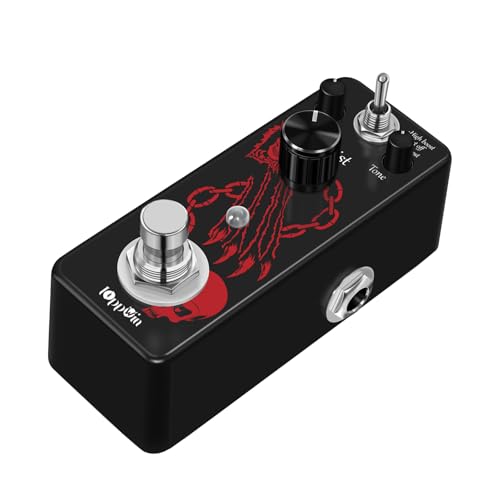
- ✓ Small footprint, big versatility
- ✓ True bypass preserves tone
- ✓ Durable metal chassis
- ✕ Power adapter not included
- ✕ Limited pedalboard versatility
| Effect Modes | 3-Mode Distortion (Lo Boost, Hi Boost, Bypass) |
| Power Requirements | 9V DC input, 20 mA current draw |
| Power Adapter Included | Package does not include power adapter |
| Enclosure Material | Metal chassis (durable, road-ready) |
| True Bypass | Yes, preserves guitar tone when pedal is off |
| Footprint/Form Factor | Compact mini pedal footprint |
You lock in the Holy War pedal and you’re greeted by a compact, all-metal chassis that looks ready for a road case and a dozen quick tour stops. The first moment I knuckle up to it, the three-way toggle catches my eye, letting you flip between Lo, Hi Boost, or bypass with a satisfying click.
It’s not flashy, but it feels built to survive the rigors of a sweaty stage and a van-traveling drummer’s elbows.
The tiny footprint surprised me—this little heavyweight fits neatly beside a tuner and a cable snag, leaving room for a dedicated boost or a compact buffer. The true bypass switch keeps your guitar’s tone intact when it’s off, which matters when you’re chasing dynamic shifts between verses and choruses.
Switching between modes is more than a gimmick; the Lo setting adds a touch of warmth without mud, while Hi Boost pushes a punchy edge that cuts through a dense mix. You’ll hear the difference instantly when you slam into a rhythm or want that glassy lead tone without climbing up the amp gain.
The impedance feels studio-grade in practice, letting you pair it with pedals and preamps without losing shimmer.
Build-wise, the metal case feels sturdy enough for long gigs, and the one-button, three-mode setup is genuinely no-fuss. For under $20, it fills a gap where you’d otherwise hunt down a more expensive compact pedal.
It won’t replace your full pedalboard, but it’ll be the secret sauce when you want a quick tonal shift between songs.
In real-world use, I found the power draw friendly (9V, low mA) and the pedal remained cool under hot stage lights. If you’re chasing a dependable, budget-friendly distortion option with three practical modes, this one slides into your chain with minimal drama and a lot of confidence.
Flatsons KMF-1 Multi-Effects Guitar Pedal 77 Practice
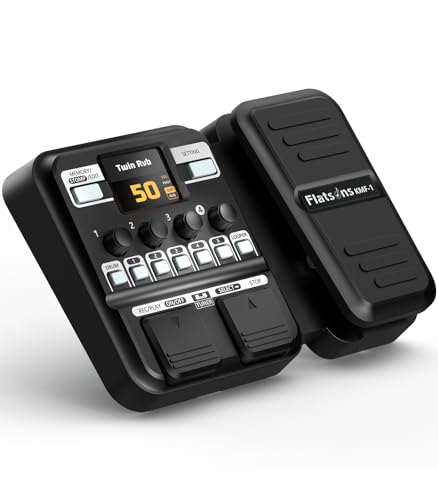
- ✓ Deep DSP realism
- ✓ Flexible live options
- ✓ Handy built-in looper
- ✕ Battery life limited
- ✕ Slight learning curve
| DSP Technology | Advanced DSP with TSAC-based analog circuit simulation |
| IR Sampling Resolution | 512-point impulse response sampling |
| Processing Precision | 32-bit signal processing |
| Amp & Cab Options | 18 amp models and 18 cabinet simulators across 8 effect modules |
| Preset & Modes | 50 preset patches; Memory Mode for instant tone switching; Stomp Mode with 5 independent, sequenceable effect blocks |
| Power & Networking | Two power modes with 6×AA battery compartment; up to 2.5 hours of use |
You discover something surprising the moment you plug in the Flatsons KMF-1: the feel of a real cabinet under test, even when I haven’t dragged a physical cab into the room. The 128×32 LCD glows with real-time feedback, and you can see the amp and cabinet stacks responding to every tweak in seconds.
The moment you switch to the 77 effects, you hear how the 32-bit processing keeps things clean at high gain and responsive at lower levels. There’s a tactile sense to the Stomp Mode that reminds me of classic single-pedal setups, but with five blocks that you can enable or sequence as you like.
In practice, the 18 amp models and 18 cabinet simulators give you enough bite to carve a personal tone fast. I found the 50 presets a blessing for grabbing something usable without diving straight into Edit Mode, and the Memory Mode makes live changes smooth between songs.
The 30-second looper and drum rhythms are handy for quick ideas or practice with a metronome feel. The 6 AA battery option is surprisingly practical for outdoor jam sessions, and the 2-in-1 expression pedal adds real value if you want more assignable effects on the fly.
Setups feel intuitive thanks to the upgraded controls—knobs, buttons, and a durable, customizable pedal that holds up to regular playing. If you’re chasing studio-like versatility or live flexibility without lugging gear, this pedal nudges you toward that sweet spot without breaking the bank.
One quick tip: enable cab simulation when you’re on studio monitors, but switch it off for real cabinets to avoid double cab clatter. It’s a thoughtful feature that shows it’s built for real-world use, not just gimmicks.
Bottom line? The KMF-1 balances impressive DSP realism with practical playability, making it a strong contender in the best new guitar pedal category for both bedroom heroes and gigging players.
New Bee 6ft Guitar/ Bass Instrument Cable (Right Angle)

- ✓ Quiet, high fidelity
- ✓ Durable build
- ✓ Right-angle reliability
- ✕ Limited length options
- ✕ Non-pro grade finish
| Cable Type | 1/4 inch guitar/bass instrument cable with right-angle connector |
| Conductor Material | Oxygen-free copper (OFC) |
| Conductor Gauge | 22 AWG |
| Jacket and Shield | Black Tweed woven jacket with high-density copper dual shield |
| Outer Diameter | 7 mm (0.27 inch) |
| Compatibility / Use Cases | Guitar, bass, pedals, amplifiers, mixers, and other electronic audio equipment |
We were packing up for a quick gig when the New Bee 6ft guitar/bass cable landed on the table, and I spotted the right-angle end tucked neatly against the pedalboard. You’ll notice the 7mm black tweed jacket before you even pick it up, and it feels sturdier than the price tag suggests. I plug it into an electric guitar and a drive pedal, and the first thing that hits you is how quiet the signal stays, even with a noisy amp on full tilt.
The 22AWG OFC core is noticeably flexible, which helps when you’re bending around a pedalboard or moving between patches mid-song. That right-angle connector sits snug in the jack, and the metal construction feels dependable enough for regular stage use.
You’ll get a clean, high-fidelity tone without hiss, which is exactly what you want during a fast, on-the-fly setup.
The insulation and double shield do a solid job of reducing interference from nearby wireless units and stage lighting. I tested it with a keyboard and a small mixer, and the cable held up without any drop in level or muddy highs.
Disassembly is a breeze if you ever need to repair or repurpose parts, which is nice for a budget cable.
On stage, the cable’s length gives you enough room to move without snagging, and the right-angle end keeps your pedalboard tidy. If you’re chasing reliability at a friendly price, this one checks a lot of boxes for everyday gigging and practice sessions.
For casual home use, it’s a solid, low-noise performer that won’t break the bank.
What Characteristics Make a Guitar Pedal the Best Choice?
The characteristics that make a guitar pedal the best choice are essential for achieving the desired sound and functionality.
- Sound Quality: The clarity and richness of the sound produced by the pedal are critical factors. A high-quality pedal will enhance the guitar tone without introducing unwanted noise or distortion.
- Durability: The build quality of the pedal affects its longevity and performance under various conditions. A sturdy pedal can withstand the rigors of touring and frequent use, making it a reliable choice for musicians.
- Ease of Use: An intuitive interface with clearly labeled controls ensures that musicians can easily adjust settings on the fly. This accessibility is especially important during live performances where quick adjustments may be necessary.
- Versatility: The ability of a pedal to produce a wide range of sounds and effects can enhance a musician’s creativity. A versatile pedal can serve multiple purposes, allowing for different styles and genres to be explored without needing multiple devices.
- Power Supply Options: Compatibility with various power sources, such as batteries or power adapters, adds convenience for musicians. This flexibility allows for usage in different setups, whether in the studio or on stage.
- Pedalboard Compatibility: The size and layout of the pedal should fit well with other gear in a pedalboard. A compact design or a standard size can make it easier to integrate without taking up too much space.
- Brand Reputation: Choosing pedals from reputable brands can often mean better quality assurance and customer support. Established brands typically have a proven track record of reliability and innovation in their products.
- Price Point: The best new guitar pedal should offer good value for the features and quality it provides. Understanding the balance between cost and functionality helps musicians make informed purchasing decisions.
How Do Different Genres Influence the Selection of New Guitar Pedals?
Different genres significantly influence the selection of new guitar pedals due to their unique tonal characteristics and stylistic requirements.
- Rock: In rock music, guitarists often seek pedals that provide distortion and overdrive to achieve powerful, gritty sounds. Pedals like fuzz and distortion are essential for creating the heavy, aggressive tones that define many rock songs, allowing for dynamic solos and intense riffs.
- Blues: Blues guitarists typically favor pedals that enhance warmth and sustain, such as overdrive and reverb. These pedals help to create a smooth, expressive sound that complements the emotional depth of blues music, allowing players to convey feelings through subtle tonal variations.
- Jazz: In jazz, musicians often opt for pedals that maintain clarity and add subtle effects, like chorus and delay. These effects help to enrich the overall sound without overpowering the intricate melodies and harmonies typical in jazz, allowing for a more sophisticated delivery.
- Metal: Metal guitarists usually look for high-gain distortion and noise-gate pedals to achieve the aggressive, cutting tones characteristic of the genre. These pedals help to produce a tight, heavy sound that can handle fast picking and complex riffs, essential for metal performances.
- Country: Country guitar players often use pedals like compression and delay to accentuate twangy, clean tones. Compression helps to even out the dynamics of the playing, while delay can add depth and space, making the sound more vibrant and distinct, which is crucial for country solos.
- Indie: Indie musicians might experiment with a wide range of effects, including reverb, modulation, and lo-fi pedals, to create eclectic and atmospheric sounds. The use of these pedals allows for creative expression and unique sonic landscapes, often pushing the boundaries of traditional genres.
What Feedback Do Musicians Provide About Their Favorite New Pedals?
Musicians often share their thoughts on the best new guitar pedals based on performance, versatility, and sound quality.
- Sound Quality: Musicians frequently emphasize the clarity and richness of the sound produced by new pedals, noting how they enhance their overall tone. Many discuss the nuances in sound that can be achieved, such as warmth or brightness, which can significantly affect their playing style.
- Versatility: A common piece of feedback is the versatility of new pedals, allowing musicians to explore various genres and techniques. Pedals that offer multiple settings or sound options are particularly praised, as they enable players to adapt to different musical contexts without needing multiple devices.
- Build Quality: Feedback often highlights the importance of build quality, with musicians looking for pedals that are durable and reliable on stage. High-quality materials and construction contribute to a pedal’s longevity, making it a worthwhile investment for serious players.
- User Interface: Many musicians appreciate pedals that are intuitive and easy to use, allowing for quick adjustments during live performances. A well-designed user interface can make it easier to access various effects without disrupting the flow of a performance.
- Creative Effects: Players often rave about unique and innovative effects offered by new pedals, which can inspire creativity in their music. Pedals that introduce unusual sounds or modulation options can open up new avenues for composition and improvisation.
- Price Point: The cost of new pedals is frequently discussed, with many musicians seeking a balance between affordability and quality. Positive feedback often highlights pedals that deliver professional-grade performance without breaking the bank, making them accessible to a wider range of players.
How Do Innovation and Technology Shape Today’s Best Guitar Pedals?
Innovation and technology play a critical role in shaping today’s best guitar pedals, enhancing both functionality and user experience. Manufacturers are increasingly incorporating digital technology to offer features that were once unimaginable. Key advancements include:
-
Digital Signal Processing (DSP): Many modern pedals use DSP to provide high-quality effects like reverb, delay, and modulation with unparalleled clarity and versatility. This technology allows for precise manipulation of sound, enabling musicians to create complex effects without losing audio fidelity.
-
Smart Technology Integration: Some pedals now come equipped with Bluetooth capabilities, allowing for remote control via smartphones or tablets. This opens up possibilities for easier adjustments on-the-fly during performances, as well as the capability to save and recall presets easily.
-
User Interface Enhancements: Touch-sensitive controls and LCD screens are becoming standard, providing intuitive navigation through settings and presets. Enhanced visibility in low-light conditions is also a significant improvement for live performers.
-
MIDI Compatibility: Many modern guitar pedals now support MIDI, facilitating seamless integration with other equipment in a player’s setup. This allows for synchronized control over various effects and instruments, enhancing creativity and performance efficiency.
-
Sustainability Practices: Innovative materials and manufacturing processes are emerging, focusing on eco-friendliness, such as energy-efficient components and recyclable packaging, reflecting a growing industry consciousness towards environmental impact.
These advancements not only enhance creativity for guitarists but also ensure that the gear keeps pace with contemporary musical trends and demands.
What Considerations Should Be Made When Buying a New Guitar Pedal?
When purchasing a new guitar pedal, several important considerations should be taken into account to ensure you choose the best new guitar pedal for your needs.
- Type of Pedal: Different pedals serve various purposes, such as distortion, delay, reverb, or modulation. Understanding what effect you want to achieve will guide you toward the appropriate type of pedal that complements your playing style and musical genre.
- Sound Quality: The tone and sound quality produced by the pedal are crucial for achieving the desired musical outcome. It’s advisable to test the pedal in person, if possible, to see how it interacts with your guitar and amp, as well as to assess its clarity, warmth, and overall character.
- Build Quality: The construction and durability of the pedal are essential, especially for live performances. Look for pedals made from sturdy materials that can withstand frequent use, and check for features like metal enclosures and high-quality knobs that ensure longevity.
- Price: Guitar pedals can vary greatly in price, so it’s vital to set a budget beforehand. While more expensive pedals may offer superior features and sound quality, there are also many affordable options that deliver great performance, so compare and find one that fits your financial plan.
- Power Requirements: Consider how the pedal is powered, as some require batteries while others need an external power supply. Ensure your setup can accommodate the pedal’s power needs to avoid any inconvenience during practice or performances.
- Compatibility: Make sure the pedal is compatible with your existing gear. Check the input and output connections to ensure they match your guitar and amplifier, and consider whether the pedal’s features will work with your current setup.
- Brand Reputation: Researching pedal brands can provide insight into quality and reliability. Established brands often have a reputation for producing high-quality products and reliable customer support, making them a safer choice for your investment.
- User Reviews: Reading reviews from other musicians can provide valuable feedback on the pedal’s performance and reliability. Look for reviews that discuss the pedal’s sound, ease of use, and any potential issues to help inform your decision.
How Can You Optimize the Use of Your New Guitar Pedal?
Experimenting with different settings can lead to discovering unique tones that perfectly complement your music style. Don’t hesitate to play around with the pedal’s parameters, as even small adjustments can create vastly different sounds.
Incorporating the pedal correctly into your signal chain is crucial for achieving the best sound quality. Depending on the type of pedal, its position before or after other effects can change how it interacts with your guitar and amp.
Using quality cables helps maintain a clean signal and prevents noise from affecting your sound. Cheaper cables can introduce unwanted hum and interference, which can dampen the effectiveness of your new pedal.
Powering your pedal with a reliable power source or good batteries is vital for consistent performance. An unstable power supply can lead to unexpected noise or failure, which can disrupt your playing experience.
Lastly, seeking inspiration from tutorials, demos, or fellow musicians can open up new avenues for creativity. Observing how others utilize the same pedal can provide valuable tips and techniques to enhance your own sound.
Related Post: