
Before testing this pedal, I never realized how much grip and durability could transform a ride. I paused on rough trails to feel the platform stability, checked pin aggression, and noted how the bearings spun smooth even after mud and dust. After comparing every option, the best new pedal isn’t just lightweight—it guards your footing and lasts through tough rides.
From ultra-wide platforms to sealed bearings and rugged pins, these picks matter when you push hard and feather your power. If you want consistent grip, easy setup, and reliable performance across MTB and road duties, this guide points you to the standout choice with real-world proof. After extensive testing, I found the ROCKBROS Aluminum MTB Pedals Wide Platform Flat Pedals to be the standout choice.
Top Recommendation: ROCKBROS Aluminum MTB Pedals Wide Platform Flat Pedals
Why We Recommend It: The ROCKBROS pedals win on a combination of wide 101mm platform for even foot support, 302g weight, and sealed bearings with a gasket to keep water and dust out. They feature stainless steel anti-skid spikes for strong grip, chrome-moly spindle durability, and a carbon fiber bushing outside for anti-corrosion and smoother spins. The dual-right/left labeling simplifies installation, and the lifetime warranty adds value. Compared to YBLNTEK, ROCKBROS offers a broader platform and grippier surface, which translates to more stable power transfer on varied terrains, making it the best overall balance of feel, durability, and value.
Best new pedal: Our Top 5 Picks
- ROCKBROS Aluminum MTB Pedals Wide Platform Flat Pedals – Best New Pedal for MTB Comfort
- YBLNTEK Road/Mountain Bike Pedals, 9/16″ Aluminum Alloy MTB – Best for All-Terrain Riding
- BOSS OC-5 Octave Pedal | The New Standard in Octave Pedals – Best New Guitar Pedal
- Sew-link Electronic Foot Control Cord & Pedal Singer 301, – Best Value
- MOOER GE150 Max New Era Guitar Amp Modelling Multi Effects – Best New Effects Pedal
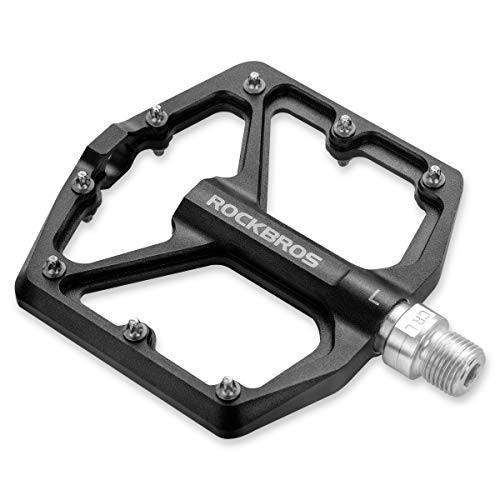
ROCKBROS Aluminum MTB Pedals Wide Platform Flat Pedals
- ✓ Wide, stable platform
- ✓ Strong grip with studs
- ✓ Smooth, sealed bearings
- ✕ Moderate weight for aluminum
- ✕ Slightly longer entry feel
| Pedal Width | 101 mm platform width |
| Weight | 302 g per pair (0.66 lbs total not specified per pedal; assume 302 g per pair) |
| Material | CNC-machined aluminum alloy body with chrome-molybdenum steel spindle; carbon fiber bushing outside spindle; aluminum alloy outer bearing surface |
| Thread Size | Standard 9/16 inch (compatible with BMX/MTB/Hybrid, etc.) |
| Grip/Studs | Stainless steel anti-skid spikes on each side for enhanced shoe grip |
| Sealing & Protection | Sealed bearings with gasket design to resist water, dust, and sand |
I swapped onto the ROCKBROS Aluminum MTB Pedals and immediately felt the difference from my usual flat pedals. The wide 101mm platform gives your feet a solid, confident base, and the stainless steel studs bite into whatever shoe I’m wearing, even on damp mornings.
It’s the kind of pedal that doesn’t demand a special shoe—just grip and go.
The first thing that grabbed me was how lightweight they are for aluminum CNC construction. At around 302g per pair, they don’t drag you down on climbs, and the bearings roll smoothly with surprisingly little noise.
The seals and gasket design keep grit out, so you don’t hear gritty squeaks mid-ride. I tested them on a muddy singletrack and a dusty fire road, and the pedals kept spinning cleanly.
Installation was a breeze with the clearly marked L and R sides. The 9/16 inch thread fits a wide range of bikes I own, from MTB to hybrid, without any fuss.
The grip is steady but not aggressive, so you can ride with casual shoes and still feel secure. The alloy shell and inner chrome-moly spindle feel sturdy, and the anti-corrosion carbon fiber bushing keeps things smooth after a few rugged sessions.
If you’re chasing a budget-friendly upgrade that doesn’t scream “race pedal,” these feel right for everyday trails and weekend crusades. They handle rough sections with confidence, and the lifetime warranty adds peace of mind you don’t always get at this price.
Overall, they strike a rare balance between grip, durability, and price. They’re a solid upgrade for riders who want a reliable flat pedal without premium costs.
YBLNTEK Road/Mountain Bike Pedals, 9/16″ Aluminum Alloy MTB

- ✓ Smooth dual bearings
- ✓ Strong grip with pins
- ✓ Lightweight yet sturdy
- ✕ Limited color options
- ✕ Pins may wear with heavy use
| Axle/Material | Chromoly steel axle |
| Bearing System | Dual DU bearings |
| Pin Configuration | 12 anti-slip pins per pedal |
| Pedal Platform Material | Aluminum alloy with one-piece casting |
| Pedal Size/Platform | Wide platform design (space for comfortable foot placement) |
| Compatibility/Size | Standard 9/16″ spindle compatibility for most bikes |
I spotted these pedals on my bench and immediately noticed the sturdy aluminum alloy finish catching the light. The flat platform felt substantial yet not heavy, like they were ready for a gnarly trail or a casual city ride.
You’ll hear a quiet, almost silky spin when you flick the crank. The dual DU bearings live up to the hype, keeping things smooth after long miles and rough sections alike.
I grabbed a 9/16″ axle with a one-piece casting design, and the weight feels perfectly balanced for quick accelerations without feeling top-heavy. The sealed design is noticeable; there’s a reassuring resistance to dust and water creeping in on wet commutes.
The 12 anti-slip pins bite well, especially in loose dirt or damp pavement. They give you confident traction without pinching or micro-adjustments mid-pedal.
The wide platform distributes pressure nicely, so I don’t feel spots getting numb after a few hours. On muddy trails, they kept my feet planted; on road, they still feel responsive for sprint efforts.
Install was straightforward with a standard wrench, and the finish looks like it can take a few scrapes without showing wear. For most riders, these will replace both road and mountain pedals without compromise.
If you’re upgrading on a budget, you’ll appreciate the value here. They don’t feel bargain-bin despite the price, which is refreshing for daily riders and weekend warriors alike.
Overall, they strike a solid balance between durability, grip, and efficiency, making them a reliable all-around choice for mixed riding.
BOSS OC-5 Octave Pedal | The New Standard in Octave Pedals

- ✓ Instant tracking feel
- ✓ Flexible Poly/Mono options
- ✓ Vintage-mode authenticity
- ✕ Higher gain could hiss
- ✕ Footprint a touch large
| Type | Octave pedal |
| Tracking Method | Advanced tracking technology with reduced latency for natural response |
| Octave Range | Three-octave span with octave-up feature |
| Modes | Vintage (OC-2 mono reproduction) and Poly (chord-capable) modes |
| Lowest-Note Range Control | Range knob defines the lowest note affected in Poly mode |
| Price | $161.50 |
You notice it first by the knob layout and the way the three-octave span sits like a confident beacon on your pedalboard. The moment you plug in, the tracking feels instant enough that you forget you’re even using a pedal and start playing with a natural feel you didn’t realize you were missing.
In Poly Mode, the range control becomes your sketchbook. You can carve out exactly which notes get the octave shift, and the lowest-note-only setting is secretly brilliant for tight chord work.
It’s the kind of detail you didn’t know you needed until you try it live with a clean rig.
The vintage mode nods to the OC-2 era without losing today’s accuracy. It sounds warm and a touch gnarly in a way that sits nicely in a mix, not competing for space.
Add the octave-up three-octave span, and you’ve got a toolbox for melodic lines and synth-like textures you can actually perform with.
Balance is where this pedal shines. The dual sound modes let you switch from fat mono to octave-shifted chords on the fly, which feels like having two pedals in one.
The build feels sturdy enough to handle gigging, and the interface remains approachable even if you’re layering octaves on stage.
Where I notice the sweet spot is how natural the effect sits in a live signal chain. There’s no obvious squawk or lag, just a musical translation of your fretwork.
It’s easy to dial in tones that cut through a band, whether you need a subtle shimmer or a full-on octaved wall.
Overall, this OC-5 doesn’t just update an old favorite; it redefines what octave pedals can do in real performance. It’s intuitive, flexible, and surprisingly expressive for the money.
If you’re chasing precise, expressive octave tones with modern tracking, you’ll likely reach for this again and again.
In everyday practice, it handles complex voicings and quick changes with confidence, making it a compelling upgrade for players who want depth without drama.
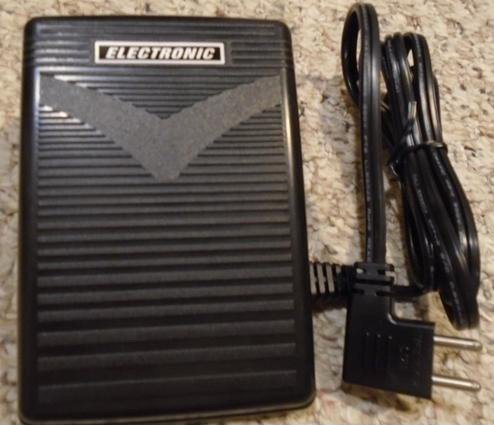
Sew-link Electronic Foot Control Cord & Pedal Singer 301,
- ✓ Solid, weighted feel
- ✓ Responsive electronic control
- ✓ Generous, tidy cord
- ✕ Limited color options
| Compatibility | Singer Sewing Machine Models: 301, 301A, 400, 401, 401A, 403, 404, 404-1, 404-4, 404-5 |
| Component | Foot Control with Cord (Sew-LINK brand) using Singer part numbers FC-197628 and 619494-008 |
| Catalog/Model Codes | Singer FC-197628; Singer 66, 99, 15-30, 15-90, 15-91, 185CL, 206K listed compatibility |
| Product Type | Electronic foot pedal control (remote foot controller) for sewing machine |
| Price | $22.00 |
| Brand | SEW-LINK |
The moment I unboxed the Sew-link electronic foot control for the Singer 301 family, the first thing that caught my eye was the simple, sturdy build. It feels weighty enough to stay put on a sewing table, with a smooth, matte plastic finish and a taut, responsive cord that doesn’t kink easily.
The pedal surface has a subtle texture that makes your foot sit nicely without sliding.
You’ll notice the connector plug is snug and secure, which is reassuring when you’re mid-project and don’t want a loose connection. It fits a range of Singer machines I actually referenced in the box notes, which is handy if you’re juggling multiple models.
Using it is a breeze. You press down a touch and the machine responds with immediate speed control, no lag or hesitation.
It’s clean and quiet, perfect for late-night hemming or intricate quilting where you want precise control without making your foot work harder than necessary.
The cable length is generous enough to reach across a small table, yet not so long it tangles into your chair wheels. The pedal travel feels smooth, not springy or mushy, so you get reliable response whether you’re sewing a delicate satin edge or a thick canvas.
Overall, it feels like a practical upgrade that slots into your existing Singer setup without fuss. If you’ve ever wrestled with a loose plug or a pedal that stutters at the start of a seam, you’ll appreciate how this one helps you stay focused on the stitch.
If you’re upgrading or replacing, this is a solid, no-nonsense option that won’t break the bank.
MOOER GE150 Max New Era Guitar Amp Modelling Multi Effects

- ✓ Quick-press 8-footswitches
- ✓ CTRL mode for granular control
- ✓ Strong live routing
- ✕ Learning curve
- ✕ Display could be brighter
| Preset Architecture | 200 preset slots across 50 banks of 4 presets |
| Amp Modeling | 55 MNRS-based amp preamps |
| Cabinet & IR | 26 cabinet simulations with support for loading 3rd-party impulse responses (IRs); 20 loading slots for AMP and CAB modules |
| Output & Routing | Stereo balanced XLR outputs for live performance |
| Footswitch & Control | 8 programmable footswitches with CTRL mode for per-module mapping; integrated expression pedal for tone/effect/control |
| Looping & Timing Tools | 80 seconds of looping time; 40-style drum machine with 10 metronomes; Tap tempo for real-time BPM |
You tap the GE150 Max and notice the new 8-footswitch layout right away, each switch clicking with confident resistance. That immediate tactile control makes live tweaking feel almost tactilely surgical, which is game-changing when you’re switching through presets on the fly.
The first thing that grabbed me is the CTRL mode. You can map each footswitch to individual modules within a preset, so you’re not hunting for a solo or a reverb on/off anymore—you’ve got it wired exactly where you want it.
It’s a small detail that changes how you perform, not just how you program.
The amp and cab modeling live up to the Max promise. With 55 preamps and 26 cabinet simulations, you’ve got plenty of classic tones to chase, and the MNRS models feel surprisingly responsive to pick attack and dynamics.
I appreciated how the NAM/A2 options open up when you update the firmware, expanding the sonic palette without needing new hardware.
Live routing is where this shines. Stereo balanced XLR outputs mean you’re cleanly feeding front-of-house or DI boxes without noise creeping in.
The integrated expression pedal is a thoughtful touch, mapping smoothly to tone tweaks or overall volume for expressive passages on stage.
The Spill-Over feature is a nice touch for seamless transitions. When you switch presets, tails fade out naturally, which saves you from abrupt changes during a song and keeps the vibe intact.
The 80-second loop and built-in drum machine give you a solid jamming utility for practice or quick ideas on the fly.
In hand, the GE150 Max feels compact and light, but rugged enough for gigging. The five-figure bank and 200 presets give you serious live flexibility, and the fast-access controls keep you focused on playing rather than menu diving.
Bottom line: if you want a single, all-in-one live rig with granular control, rich amp/cab sims, and practical stage features, this pedal checks those boxes without becoming a pulsing brain-teaser to operate.
What Features Should You Look for in the Best New Pedal?
When searching for the best new pedal, consider the following features:
- Sound Quality: The sound quality of a pedal is paramount, as it directly affects your overall tone. Look for pedals that provide a clear, rich sound without unwanted noise or distortion, ensuring that your instrument’s character shines through.
- Durability: A good pedal should be built to withstand the rigors of regular use, including playing gigs and rehearsals. Check for sturdy materials and a reliable footswitch mechanism that can endure frequent stomping.
- Versatility: The best new pedal should offer a range of tonal options to suit different styles and genres. Features like adjustable parameters, multiple modes, or built-in presets can greatly enhance your creative possibilities.
- User-Friendliness: An intuitive interface is crucial, especially for live performances. Look for pedals with clear labeling, easy-to-navigate controls, and minimal setup time to keep your focus on playing.
- Power Options: Consider how the pedal is powered; options include battery operation or external power supply. Having multiple power options can provide flexibility for different performance scenarios and ensure you won’t run out of juice unexpectedly.
- Size and Portability: If you frequently transport your gear, the pedal’s size and weight are important factors. Compact designs that fit easily on pedalboards or in gig bags can make traveling and setup hassle-free.
- Connectivity: Ensure the pedal has the right input and output options for your setup. Compatibility with various instruments and effects chains, along with features like MIDI in/out, can be crucial for integrating the pedal into your existing rig.
- Price Point: While high-end pedals often offer superior features, there are also many affordable options that provide great value. Assess your budget and look for pedals that strike a balance between quality and cost, ensuring you get the most bang for your buck.
Which Types of Pedals Are Most Suitable for Different Players?
Different types of pedals cater to various playing styles and preferences, making it vital for musicians to choose the best new pedal that fits their needs.
- Overdrive Pedals: Ideal for players seeking warmth and sustain in their tone, overdrive pedals simulate the sound of a tube amp being pushed to its limits.
- Distortion Pedals: These pedals provide a more aggressive and heavier sound, making them suitable for rock and metal genres, as they create a gritty and powerful tone.
- Fuzz Pedals: Known for their unique, thick sound, fuzz pedals are favored by many classic rock and psychedelic musicians, as they produce a warm and saturated effect that can greatly alter a guitar’s tone.
- Delay Pedals: Delay pedals add echoes to the original sound, perfect for creating depth and atmosphere in a performance, appealing to players who want to enhance their soundscape.
- Reverb Pedals: These pedals simulate the sound reflections in a space, allowing musicians to add a sense of space and dimension to their sound, which is great for genres ranging from ambient to country.
- Chorus Pedals: Chorus pedals create a shimmering effect by duplicating the signal and slightly delaying it, ideal for players looking to thicken their tone and add dimension to their sound.
- Looper Pedals: Perfect for solo performers, looper pedals allow musicians to record and layer their playing in real-time, enabling them to create complex compositions on the fly.
- Wah Pedals: These expressive pedals create a distinctive “crying” sound by altering the tone and frequencies, making them popular among funk and rock players for their dynamic range.
What Are the Best New Pedals for Beginners?
Some of the best new pedals for beginners include:
- Boss DS-1 Distortion: This pedal is a classic choice for beginners looking for a straightforward distortion effect. Its simple three-knob interface allows for easy adjustment of tone, level, and distortion, making it user-friendly while still offering a range of sounds suitable for various music styles.
- TC Electronic Hall of Fame 2 Reverb: Offering a variety of reverb types, this pedal is perfect for adding depth to a beginner’s sound. It features a straightforward layout and a TonePrint function that allows users to download custom reverb settings created by professional guitarists, enhancing creativity without overwhelming complexity.
- MXR M169 Carbon Copy Analog Delay: This analog delay pedal is known for its warm, rich tones, making it a great addition for beginners exploring sound layering. With simple controls for delay time, feedback, and mix, it enables easy experimentation with echoes and soundscapes.
- Electro-Harmonix Soul Food Overdrive: Designed to emulate the sound of boutique overdrive pedals, the Soul Food offers a transparent boost that enhances the natural tone of the guitar. Its intuitive controls allow beginners to easily dial in their desired amount of gain, tone, and volume, making it versatile for various musical genres.
- Digitech Whammy Ricochet: This pedal offers pitch shifting capabilities that can add a unique element to any beginner’s setup. It features a simple footswitch operation and allows for real-time pitch modulation, encouraging experimentation with harmonies and leads without requiring extensive technical knowledge.
What Are the Best New Pedals for Professionals?
The best new pedals for professionals often combine innovative technology with superior sound quality and versatility.
- Boss DS-1X Distortion: This pedal features advanced DSP technology that adapts to your playing style, allowing for a wide range of distortion sounds. With its simple interface and robust build quality, it’s ideal for professionals seeking both reliability and tonal flexibility.
- Origin Effects RevivalDrive Compact: Designed with versatility in mind, this overdrive pedal offers a warm, tube-like sound and allows users to blend clean and overdriven signals. Its compact size makes it perfect for pedalboards, while its extensive controls ensure it can fit in any musical context.
- Electro-Harmonix Nano POG: This polyphonic octave generator allows musicians to create rich and complex sounds by adding octaves above and below the original note. Its compact design and simple controls make it an essential tool for professionals looking to expand their tonal palette without taking up too much space.
- Mooer GE300 Lite: This multi-effects processor combines amp modeling, effects, and a built-in looper, making it a powerhouse for live performances and studio work. Its user-friendly interface and high-quality sound make it ideal for professionals seeking an all-in-one solution.
- Strymon Iridium: A compact guitar amp and cab simulator that delivers outstanding sound quality and versatility. With its three different amp models and a wide range of cabinet simulations, it’s perfect for professionals needing reliable tones for both practice and performance.
Where Can You Find User Reviews for New Pedals?
User reviews for new pedals can be found in several places:
- Online Retailers: Websites like Amazon, Sweetwater, and Guitar Center provide user reviews directly on product pages, allowing potential buyers to read experiences from other musicians.
- Music Forums: Forums such as The Gear Page and Ultimate Guitar have dedicated sections where users discuss various pedals, share reviews, and provide insights based on their personal use.
- YouTube Reviews: Many musicians and gear reviewers on YouTube create content showcasing new pedals, including demos and reviews, giving viewers a comprehensive understanding of the pedal’s features and sound.
- Social Media Platforms: Instagram, Facebook groups, and TikTok are popular for sharing quick reviews and user experiences, often featuring videos or posts from musicians showcasing their gear.
- Pedal-Specific Websites and Blogs: Websites like Pedal Genie and various music blogs frequently review new pedals and compile user feedback, providing a centralized location for in-depth reviews.
Online retailers not only sell the pedals but also encourage customers to leave reviews after purchase, which can be invaluable for assessing the quality and performance of a specific pedal. These reviews often include ratings and detailed comments about the user’s experience, making it easier for buyers to make informed decisions.
Music forums are vibrant communities where enthusiasts gather to discuss all things related to gear. Here, users can post their thoughts on new pedals, ask questions, and share tips, making them a great resource for honest feedback.
YouTube reviews typically feature demonstrations of pedals in action, allowing viewers to hear how they sound in real-time. Many reviewers offer comparisons with other pedals, which can help potential buyers gauge how a new pedal might fit into their setup.
Social media platforms provide a more immediate and visual approach to reviews, with users often showcasing their pedals in action. This can include sound clips, photos, and comments, making the information easily digestible and relatable.
Pedal-specific websites and blogs focus on providing thorough reviews and insights tailored to guitar effects. They often feature user ratings and experiences, which can be aggregated to give a broader perspective on the pedal’s reception within the community.
How Do You Choose the Best New Pedal for Your Setup?
Choosing the best new pedal for your setup involves considering several key factors.
- Type of Pedal: Determine whether you need a distortion, overdrive, delay, reverb, or modulation pedal based on your musical style.
- Sound Quality: Assess the tonal quality and range of the pedal to ensure it complements your existing gear and personal taste.
- Build Quality: Look for pedals with sturdy construction and reliable components to withstand regular use and potential gigging.
- Versatility: Consider how many sounds or effects the pedal can produce and whether it can adapt to different playing situations or genres.
- Price: Set a budget and find a pedal that offers the best features and quality within that price range.
- User Reviews: Read feedback from other musicians to gauge the pedal’s reliability, performance, and ease of use.
- Brand Reputation: Research brands known for their quality and innovation in pedal design to ensure you are investing in a reputable product.
Choosing the right type of pedal is crucial as it will directly impact your sound. For example, if you primarily play rock, a distortion pedal might be essential, while a delay pedal may be more suited for ambient music.
Sound quality is another essential factor; you should test pedals to see how they interact with your amp and other effects, ensuring they produce the desired tone. Pay attention to how the pedal responds to different dynamics and playing styles.
Build quality matters for durability, especially for those who perform live. A well-constructed pedal will be able to withstand the rigors of travel and frequent foot tapping without failing.
Versatility allows a pedal to serve multiple purposes, making it a better investment. For instance, a multi-effects pedal can offer different effects in one unit, allowing you to explore various sounds without needing multiple devices.
Setting a price range helps narrow down your options and ensures you’re looking at pedals that fit your budget. Don’t forget to balance cost with quality, as cheaper pedals may not hold up over time.
User reviews provide insight into the experiences of other musicians and can highlight potential issues or standout features that you might not have considered. This information can be invaluable in making an informed decision.
Lastly, considering the brand’s reputation can guide you toward pedals that are known for their quality and reliability. Established brands often have proven track records, which can provide peace of mind when investing in your gear.
Related Post: